Wayground logo

Free Printable Worksheets

Font size

S
M
L
XL
Worksheets

F22 SE Review: Lewis Diagram and Types of Bonds

Total questions: 46

Worksheet time: 54mins

Name
Class
Date
1.
Three pairs of electrons are shared in a
a)
Single bond
b)
Double bond
c)
Triple bond
2.
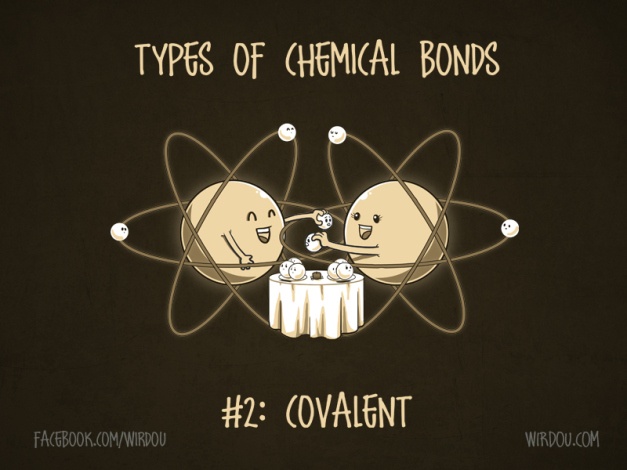
A covalent bond is
a)
a bond that shares electrons metallicaly
b)
A bond that shares electrons with non metals
c)
Metalloids bonding
d)
metals and nonmetals bonding
3.

tetra

a)

six

b)

Four

c)

Five

d)

seven

4.
What is the correct formula for this molecule?
a)
NH
b)
N3H
c)
NH3
d)
NH4
5.
What is the name of the molecular geometry for this Lewis Structure?
a)
trigonal planar
b)
trigonal pyramidal
c)
tetrahedral
d)
bent
6.
What is the name of this Lewis Structure?
a)
linear
b)
bent
c)
tetrahedral
d)
planar
7.

Which compound would have a high melting point?

a)

CaCl2

b)

CO2

c)

PI3

d)

SO3

8.
Which substance is nonpolar?
a)
water
b)
N2
c)
NH3
d)
HCl
9.
Which substance would be polar?
a)
O2
b)
HCl
c)
CO2
d)
CH4
10.

What is the correct Lewis Dot Structure for ammonia NH3

a)
b)
c)
d)
11.

Which is the correct molecular structure for carbon dioxide?

a)
b)
c)
d)
12.
Which of the following is an acceptable Lewis structure for CH3Cl?
a)
Option A
b)
Option B
c)
Option C
d)
Option D
13.
Which of the following is the correct Lewis structure for water?
a)
A
b)
B
c)
C
14.
Which of the following is the correct Lewis structure for the compound PBr3?
a)
structure A
b)
structure B
c)
structure C
d)
structure D
15.
What is the correct formula for this molecule?
a)
Si4F
b)
SiF4
c)
SiF
d)
Si4F4
16.

NH3 has how many lone pairs?

a)

0

b)

1

c)

2

d)

3

17.
This is a correct dot diagram for fluorine (F)
a)
true
b)
false
18.
According to the octet rule most elements need _______ valence electrons.
a)
2
b)
8
c)
6
d)
18
19.

What is an ion?

a)

anything that has a positive charge

b)

atom or group of atoms with a positive or negative charge

c)

anything with a negative charge

d)

a group of atoms that can only have a negative charge

20.

What is the charge of an electron?

a)

negative

b)

positive

c)

neutral

d)

it depends on the element

21.

What is a covalent bond?

a)

a bond formed when atoms transfer electrons

b)

a neutral group of atoms

c)

a group of atoms with a positive charge

d)

a chemical bond formed when atoms share electrons

22.

How many electrons are in a full energy level?

a)

6

b)

7

c)

8

d)

9

23.

What is an ionic bond?

a)

a bond formed when atoms transfer electrons

b)

a chemical bond formed when atoms share electrons

c)

a group of positive elements

d)

a group of negative elements

24.

What are three properties of ionic compounds

a)

ionic crystals, high melting point, doesn't conduct electricity

b)

ionic crystals, high melting point, conducts electricity

c)

ionic crystals, low melting point, doesn't conduct electricity

d)

ionic crystals low melting point, conducts electricity

25.

Do covalent compounds have high or low melting points?

a)

high

b)

low

26.

If an atom has 2 valence electrons, how many electrons does it want to gain or lose?

a)

gain 2

b)

lose 2

c)

gain 6

d)

lose 1

27.

If an atom has 5 valence electrons, how many electrons does it want to gain or lose?

a)

gain 5

b)

lose 5

c)

gain 3

d)

lose 3

28.

If an atom loses 1 valence electron, what is the charge on the ion?

a)

-1

b)

+1

c)

-7

d)

+7

29.

If an atom gains 2 electrons, what is the charge on the ion?

a)

-2

b)

+2

c)

-6

d)

+6

30.

How many valence electrons does fluorine have?

a)

4

b)

5

c)

6

d)

7

31.

How many valence electrons does fluorine have?

a)

4

b)

5

c)

6

d)

7

32.

What ion does fluorine form?

a)

F−1F^{-1}  

b)

F+1F^{+1}  

c)

F−7F^{-7}  

d)

F+7F^{+7}  

33.
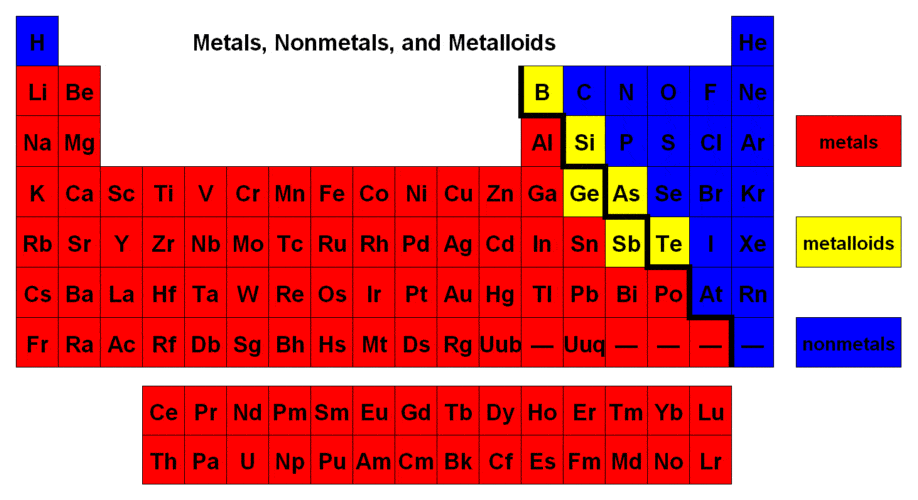
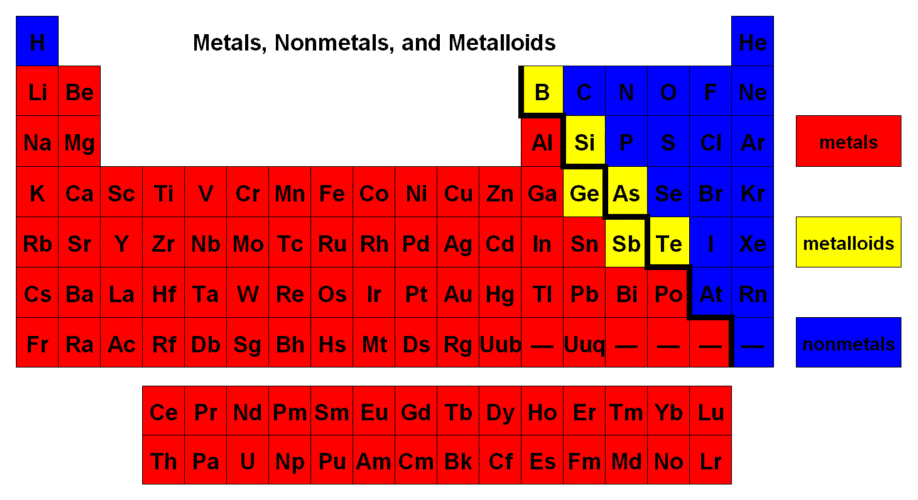
What elements generally make an ionic bond?
a)
metal and nonmetal
b)
2 or more nonmetals
c)
metal
d)
none of the above
34.
What elements generally make a covalent bond?
a)
metal and nonmetal
b)
2 or more nonmetals
c)
metal
d)
none of the above
35.
In chemical compounds, covalent bonds form when
a)
the electronegativity difference between two atoms is very large.
b)
electrons are completely transferred between two metals.
c)
pairs of electrons are shared between two nonmetal atoms.
d)
two nonmetal atoms are attracted to each other by opposite charges.
36.
An ionic bond forms when 
a)
Valence electrons are shared
b)
a sea of mobile electrons surround the cations
c)
valence electrons are transferred between atoms
d)
none of the above
37.
How many valence electrons in this structure?
a)
6
b)
5
c)
4
d)
7
38.
Predict the bond that will form between Sr and S.
a)
Ionic
b)
Covalent
39.
A chemical bond between oppositely charged ions.
a)
compound
b)
ion
c)
covalent bond
d)
ionic bond
40.
A chemical bond formed between shared atoms.
a)
chemical bond
b)
covalent bond
c)
oxidation #
d)
ionic bond
41.
A substance which has a high melting point, conducts electricity when dissolved in water, and has a crystalline structure probably has what type of bond?
a)
Ionic
b)
Metallic
c)
Covalent
d)
Crystalline
42.

Is the following compound ionic or covalent?

Exists as a solid, liquid or gas

a)

Ionic

b)

Covalent

43.

Is the following compound ionic or covalent?

A material that has a low boiling point

a)

Ionic

b)

Covalent

44.

Is the following compound ionic or covalent?

A material with a high melting point

a)

Ionic

b)

Covalent

45.

Is the following compound ionic or covalent?

A material that forms a crystal lattice

a)

Ionic

b)

Covalent

46.

Is the following compound ionic or covalent?

A material that is hard and brittle

a)

Ionic

b)

Covalent