
 Worksheets
Study Guide Unit 3 Test 3
Total questions: 40
Worksheet time: 22mins
What are the two types of Digestion?
Chemical digestion & Mechanical digestion
Mechanical digestion & Muscular Digestion
Chemical digestion & Muscular digestion
Dermal digestion & Muscular digestion
What are the functions of the Digestive system?
Food digestion
Provides storage
Removal of undigested materials
Absorption of digested food

Which organ absorbs water and in the last stage of the digestive process?
Liver
Small intestine
Pancreas
Large intestine

The tiny little structures that line the small intestine are called
Bronchi
Villi
Bile
Enzymes
Saliva contains ______________
digestive enzyme
acid
bile
sugar
Which of the following(s) is/are the features for mechanical digestion?
(Could be more than 1 answer)
The breaking down of food into smaller pieces
The breaking down of food by mechanical action
No new substances are formed during mechanical digestions
Enzyme is needed in mechanical digestions
What is/are the features for chemical digestion?
(Hints : Could be more than 1 answer)
The breaking down of complex insoluble substances in food into simple and soluble substances.
New substances are formed in the chemical digestion
Enzyme is formed as one of the new substances in the chemical digestion
Chewing food by teeth is an example of chemical digestion
Tiny blood vessels that surround the alveoli are called
alveoli
capillaries
bronchi
bronchioles
These are tiny air sacs at the end of the bronchioles where the exchange of oxygen and carbon dioxide take place.
alveoli
capillaries
bronchi
bronchioles

What letter points to the lung?
A
B
C
D
What letter points to the trachea?
C
B
E
D
What are the gases that are exchanged in the lungs?
Nitrogen and Oxygen
Water and Oxygen
Oxygen and Carbon Dioxide
Carbon Dioxide and Water
When does your lung volume increase?
Inhalation
Exhalation
Respiration takes place in
the cells
the lungs
the heart
the brain
The glucose used during respiration is provided by our
digestive system
respiratory system
circulatory system
The oxygen used during respiration is provided by our
digestive system
respiratory system
circulatory system
The glucose and oxygen used during respiration is delivered to each and every cell by the
digestive system
respiratory system
circulatory system
two branches at the end of the trachea, each lead to a lung
bronchioles
bronchi
ribs
epiglottis
the functional respiratory units (air sacs) in the lung where gases are exchanged
bronchioles
alveoli
bronchi
cilia
Which of the following is the function of respiratory system?
transports carbon dioxide to all the cells in the body and remove oxygen
intakes oxygen and expels carbon dioxide
inhales carbon dioxide and exhales oxygen

What is this a picture of?
Blood Cells
Micro Villi
Cell membrane
What Does Celiac Mean?
Large Intestine
Small Intestine
The stomach
The liver

What cell organelle converts the chemical energy stored in food into compounds that are more convenient for the cell to use.
golgi apparatus
chloroplast
nuclues
mitochondria
Your food is digested into ______________.
Hamburgers
Glucose
Fructose
Sucrose
Glucose molecules store _____________.
chemical energy
kinetic energy
gravitational potential energy
heat energy
Which of the following is the main function of the respiratory system?
Obtains oxygen and remove carbon dioxide from the body
Transports oxygen and nutrients to the body cells
Protects the body from invading organisms
Which of the following is the main muscle for breathing?
Intercostal Muscle
Diaphragm
Sternocleidomastoid
Living cells need a continuous supply of oxygen
FACT
BLUFF
Oxygen moves from alveoli to the blood capillaries that line the alveolar walls
FACT
BLUFF
Openings that pull air from outside your body into your respiratory system.
sinuses
mouth and nose
bronchial tubes
lungs
Tiny air sacs in the lungs where the exchange of oxygen and carbon dioxide takes place.
bronchioles
lung lobes
alveoli
capillaries
What is the circulatory system responsible for?
digestion
Carrying materials around in your body
absorption
breathing
The circulatory system carries around
Oxygen, and carries away carbon dioxide
Only oxygen
Oxygen, digested food and water and carrying away carbon dioxide
carbon dioxide and carries away oxygen
The smallest vessels are called
arteries
veins
vessels
capillaries
The blood releases _____________ to the lungs.
oxygen
carbon dioxide
blood
nutrients
The blood receives __________ from the lungs.
nutrients
carbon dioxide
oxygen
poison
The circulatory system works with the _______ system
disgestive
immune
nervous
respiratory
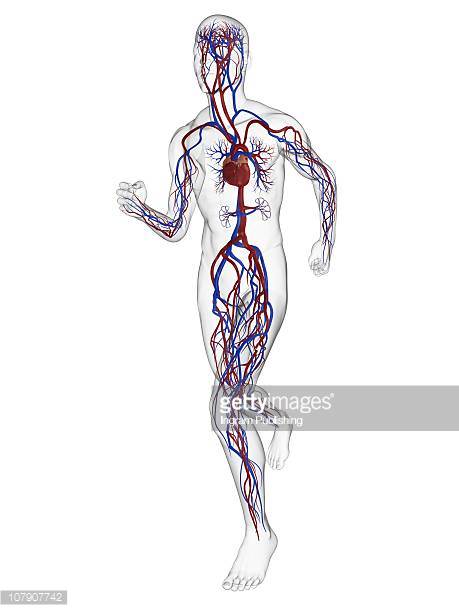
What is the main organ of the circulatory system?
small intestine
bone
lungs
heart

How does the heart work?
It pumps blood first to the lungs, back to the heart and then around the rest of the body.
It pumps blood first to the rest of the body, back to the lungs and then to the heart.
It pumps blood around the rest of the body, back to the heart and then to the lungs,

