wayground logo

Free Printable Worksheets

NEW

Font size

S
M
L
XL
Worksheets

Chapter 9 Biomes and Ecosystems

Total questions: 35

Worksheet time: 1hrs 8mins

Name
Class
Date
1.

Which wet forest biome covers most of the land mass near the Earth's equator?

a)

tundra

b)

desert

c)

grassland

d)

tropical rainforest

2.
Which biome, because of its climate, has the largest number of species of plants and animals?
a)
tundra
b)
desert
c)
tropical rainforest
d)
pine forest
3.
One characteristic feature of tundra is that only the surface thaws in the summer and refreezes in the winter, leaving a layer of permanently frozen subsoil.  This characteristic is known as
a)
glaciation
b)
permafrost
c)
crystallization
d)
soilfrost
4.
Which type of trees is found in a temperate forest?
a)
deciduous
b)
evergreen
c)
ginko
d)
palm
5.

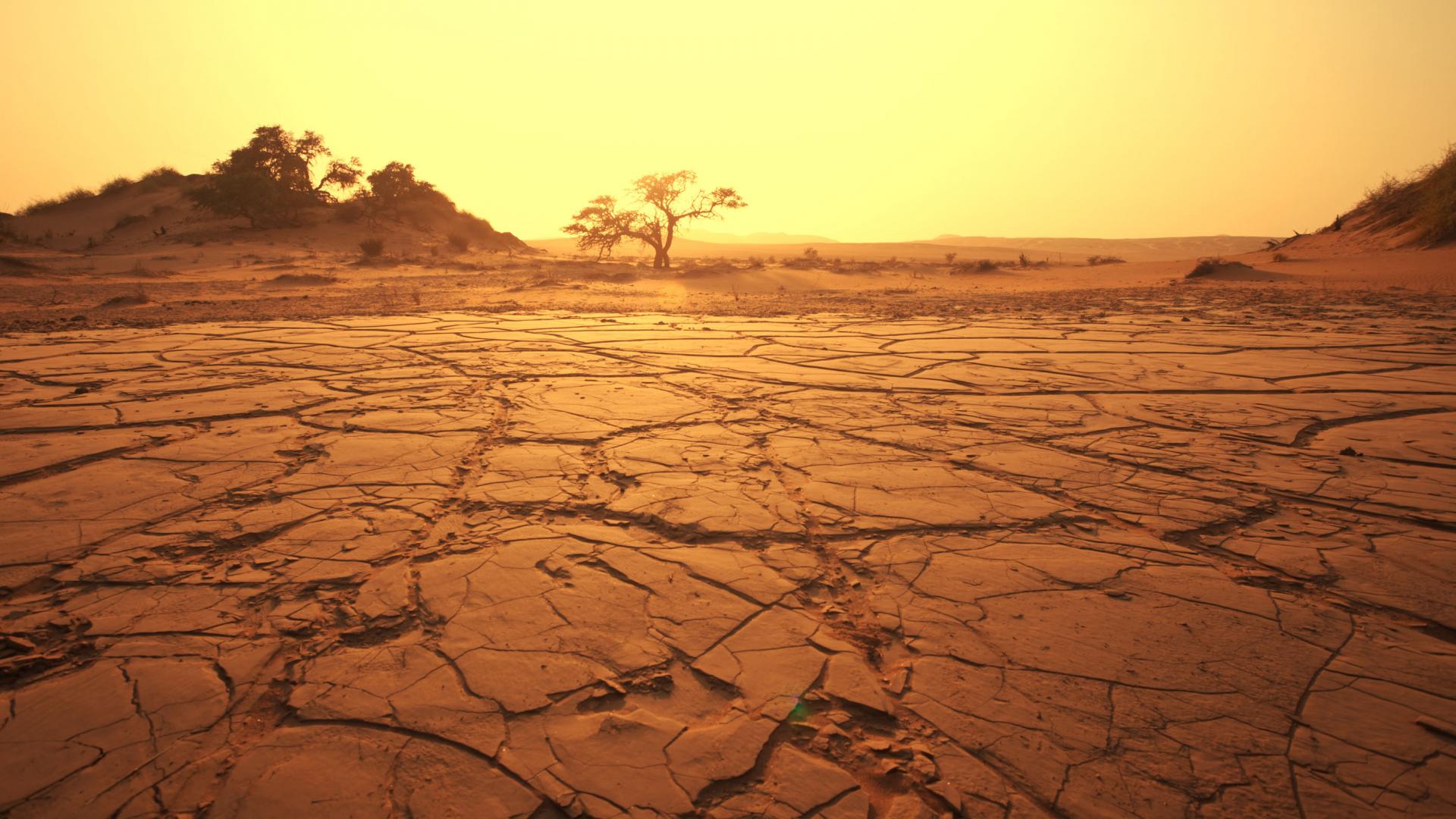
Which major biome is home to cacti, thorny shrubs, lizards, snakes, woodpeckers, and coyotes?

a)

desert

b)

taiga

c)

tundra

d)

grassland

6.

This biome contains mostly spruce trees and Douglas firs, which are both evergreen. The winters are long and cold and the summers are short and rainy. The soil is very rich. Moose and bears live here. This biome is classified as a

a)

taiga

b)

tundra

c)

deciduous forest

d)

temperate forest

7.
The most important abiotic factors when studying biomes are...
a)
Food and Water
b)
Water and Sunlight
c)
Temperature and Oxygen
d)
Water and Temperature 
8.
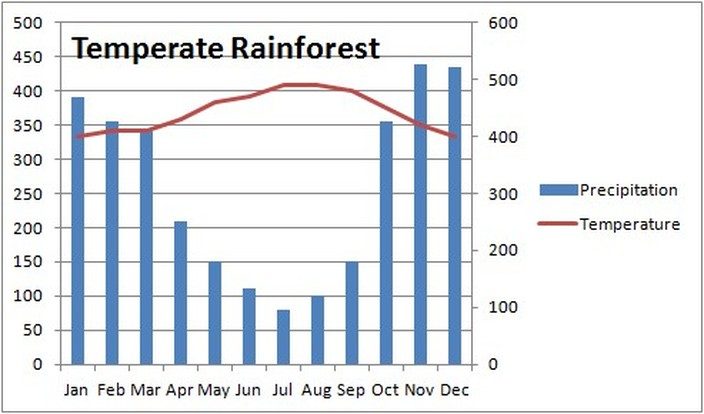
Which biome is represented by the rainfall amounts in letter C?
a)
desert
b)
prairie
c)
deciduous forest
d)
tropical rain forest
9.
A ________ is a forest biome consisting mostly of cone-bearing evergreen trees
a)
desert
b)
temperate deciduous forest
c)
taiga
d)
tundra
10.
Areas defined by their geographical location and ecological similarity are called?
a)
ecozones
b)
biotopes
c)
biomes
d)
biodomes
11.
What are the key features of the Tundra?
a)
cold winter, thin acidic soil, evergreen trees
b)
treeless, permafrost, cold dark winters
c)
ong cool summers, short dark winters, migrating animals
d)
many evergreen trees, short moist summers, long snowy winters
12.
Which biome is the driest?
a)
Desert
b)
Tundra
c)
Taiga
d)
Rainforest
13.
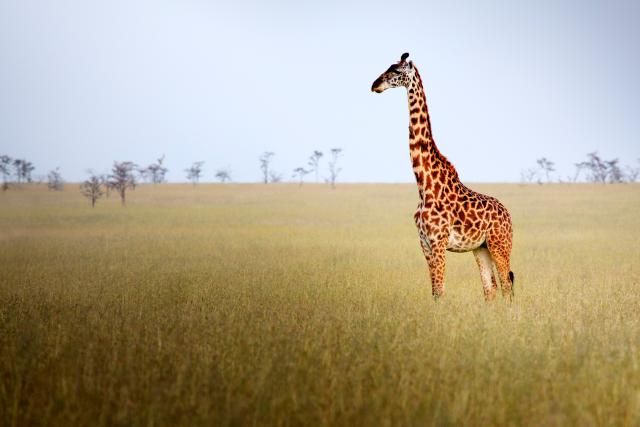
Which biome is home to lions, zebras, wildebeests, giraffes, and elephants?
a)
Grasslands
b)
Tundra
c)
Rainforest
d)
Temperate Forest
14.
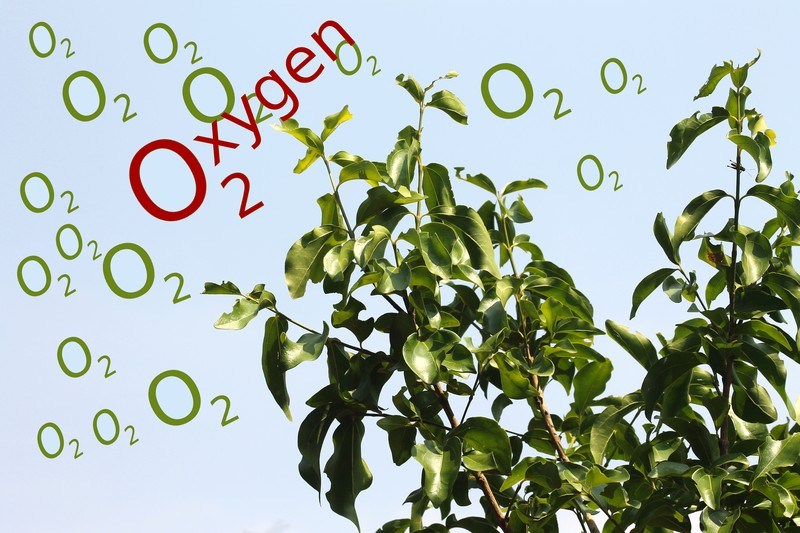
Which biome produces over 50% of the world's oxygen?
a)
Rainforest
b)
Temperate Forest
c)
Grasslands
d)
Taiga
15.
Biotic factors of an ecosystem are:
a)
non-living
b)
plants
c)
living thing
d)
soil
16.
Identify an a example of an abiotic factor?
a)
Panda
b)
Turtle
c)
Butterfly
d)
sunlight
17.
Temperature, light, air, water, and soil are all  _____  parts of the environment
a)
alive
b)
biotic 
c)
abiotic
d)
living
18.
Which of the following is the best definition for estuary?
a)
Narrow band of coastline that exists between high and low tide.
b)
Areas along the coast where fresh water from rivers mixes with salt water from the ocean.
c)
Flowing fresh water containing rapids.
d)
Freshwater aquatic areas that are saturated by water for at least part of the year.
19.
Aquatic biomes cover roughly how much of the Earth's surface
a)
10%
b)
25%
c)
50%
d)
75%
20.
Fresh water referrers to which of the following
a)
oceans, rivers, lakes
b)
ponds, rivers, oceans
c)
lakes, ponds,  streams
d)
streams, lakes, oceans
21.
To which biome do all the ecosystems shown in the figure belong?
a)
continental shelf
b)
wetlands
c)
open ocean
d)
sea floor
22.
This type of aquatic ecosystem is a mix of fresh and salt water.
a)
estuary
b)
lake
c)
river
23.
The measure of the amount of salts dissolved in water is called
a)
Primary Production
b)
Estivation
c)
Estuary
d)
Salinity
24.

A stable community that no longer goes through major ecological change is a

a)

climax community

b)

pioneer community

c)

succession community

25.
Which ocean zone is the warmest?
a)
twilight zone
b)
midnight zone
c)
sunlit zone
26.

What type of succession is shown going from figure A to figure B?

a)

primary succession

b)

eutrophication

c)

secondary succession

d)

intermediate

27.
During primary succession, lichen or algae would be considered __?
a)
pioneer species
b)
volunteer species
c)
founder species
d)
conqueror species
28.
The picture shows what type of succession?
a)
primary
b)
secondary
c)
tertiary
d)
quadanary
29.
The first organisms that appear in an ecological community
a)
ecological succession 
b)
primary succession 
c)
secondary succession
d)
pioneer speciles
30.
What is the order of succession shown in this figure?
a)
A, B, C, D
b)
B, A, D, C
c)
C, D, A, B
d)
D, A, B, C
31.
After a volcanic eruption, lava covers the land. What is the order that plants grow to repopulate the area?
a)
Lichens → Shrubs → Grasses → Trees
b)
Lichens → tree → shrubs→Grasses
c)
Grasses → Lichens → Shrubs → Trees
d)
Lichens → Grasses → Shrubs → Trees
32.
What is Ecological Succession?
a)
Competition between plants in a society
b)
A natural disaster such as a flood or fire
c)
The cycle of a tomato plant
d)
The change an ecosystem experiences over time
33.

As decaying organisms fall to the bottom of a pond, lake or a wetland to produce a nutrient-rich environment is called?

a)

aquatic primary

b)

ecosystem nutrient

c)

eutrophication

d)

biodiversity zone

34.

Which biome is called prairies, savannas, and meadows. It is also known as "breadbaskets" because wheat, corn, oats, rye, and barley are grown there.

a)

decidous forest

b)

grasslands

c)

tropical rain forest

d)

tundra

35.

An underwater structure made from outside skeletons of tiny, soft-bodies animals is called _________________ ?

a)

sea cucumbers

b)

clams

c)

tropical rocks

d)

coral reef