wayground logo

Free Printable Worksheets

Font size

S
M
L
XL
Worksheets

Nutrition: Summary

Total questions: 35

Worksheet time: 23mins

Name
Class
Date
1.
A chemical compound made up of one or more simple sugar e.g. bread, rice, pasta
a)
Protein
b)
Water
c)
Fat
d)
Carbohydrates
2.
Nutrients that build and repair tissues and cells e.g. meat, milk, eggs.
a)
Fat
b)
Minerals
c)
Vitamins
d)
Protein
3.
Elements essential for good health. e.g. Calcium, Iron, Potassium 
a)
Protein
b)
Fat
c)
Minerals
d)
Carbohydrates
4.
The process of breaking down food into a form the body can use.
a)
Diet
b)
Metabolism
c)
Calories
d)
Digestion
5.

Energy storage nutrients that help to provide insulation for the body e.g. oils, butter, margarine

a)

Fats

b)

Carbohydrates

c)

Minerals

d)

Vitamins

6.
Which nutrient gives you energy?
a)
calcium
b)
fiber
c)
carbohydrates
7.
Which food group does turkey belong in?
a)
dairy
b)
fruit
c)
vegetables
d)
meat/proteins
8.
Which nutrients helps to build and maintain muscle?
a)
Carbohydrates
b)
Minerals
c)
Protein
d)
Fat
9.
Which nutrient helps regulate the digestive system?
a)
Fiber
b)
Calcium
c)
Zinc
d)
Vitamin B
10.
Which one of these is considered the "good fats" that we get from foods?
a)
Unsaturated Fat
b)
Trans Fat
c)
Saturated 
d)
Carbs
11.
Fish is a good source of ....
a)
Calcium
b)
Carbohydrates
c)
Sugar
d)
Protein
12.

................. are the body's main or 1st choice of energy

a)

Water

b)

Carbohydrates

c)

Protein

d)

Fats

13.
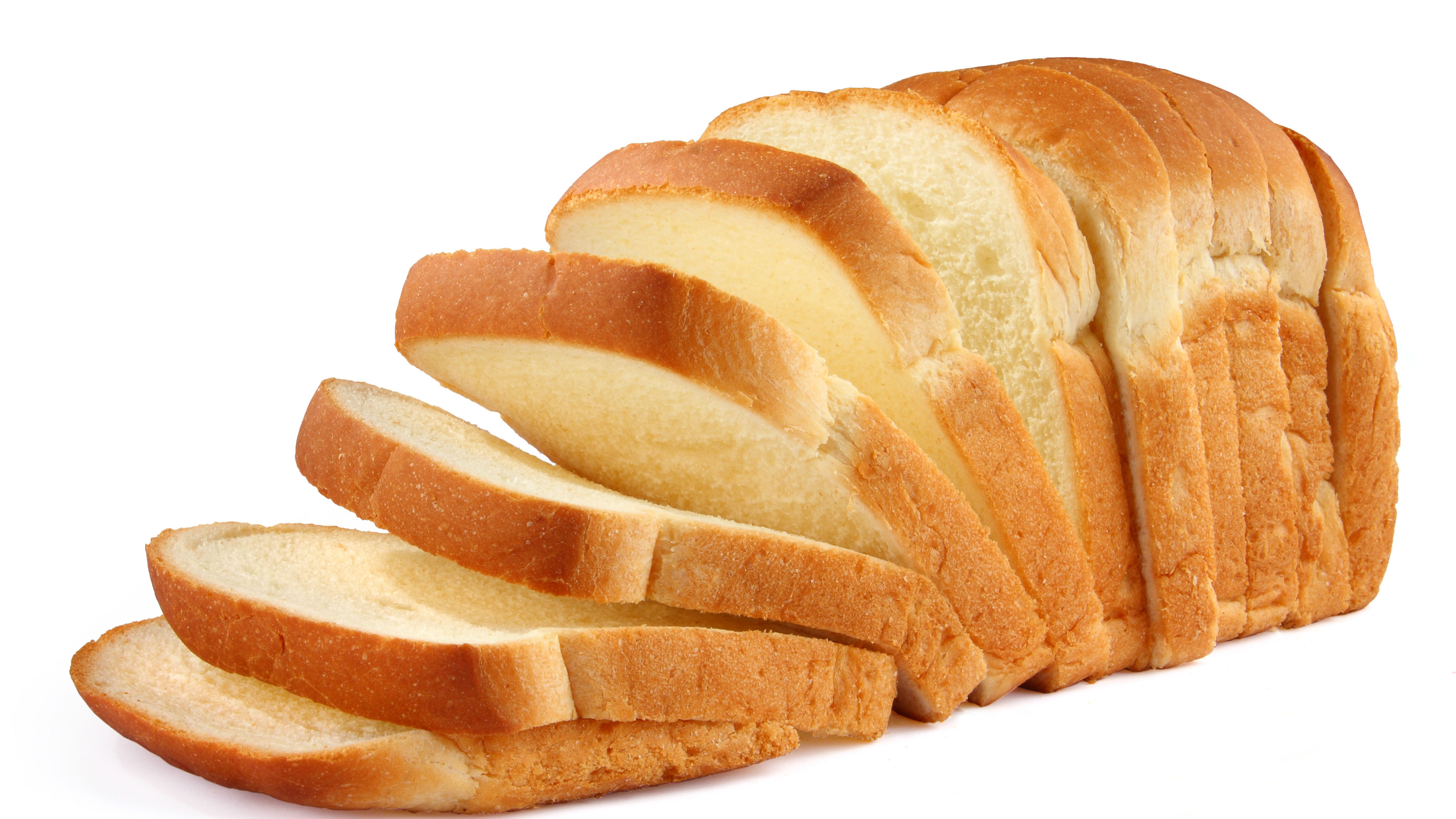
Bread is a great source of which energy nutrient?
a)
Carbohydrates
b)
Fats
c)
Proteins
d)
All of the above
14.
If a person has a deficiency in vitamin C, they may have...
a)
scurvy
b)
Rickets
c)
Osteoporosis
d)
Anemia
15.

If a person has a deficiency in Calcium it can cause brittle bones that can break more easily. This condition is called...

a)
scurvy
b)

diabetes

c)

osteoporosis

d)

anemia

16.

Which of the following is considered a bad fat?

a)

Monosaccharide

b)

Unsaturated fat

c)

Saturated fat

d)

Carbohydrate

17.

which nutrient is stored in the body for warmth and provides slow release energy?

a)

carbohydrates

b)

protein

c)

fibre

d)

fat

18.

What colour does iodine go if starch is present

a)

orange

b)

yellow

c)

black

d)

red

19.

Which of the following tests for starch?

a)

Iodine

b)

Benedict's

c)

Biuret

d)

Emulsion

20.
Stored energy e.g. oils, butter, margarine
a)
Fats
b)
Carbohydrates
c)
Minerals
d)
Vitamins
21.

Which vitamin helps boost your immune system? (found in citrus fruits like oranges and grapefruits)

a)

Vitamin A

b)

Vitamin B

c)

Vitamin C

d)

Vitamin D

22.

What might happen if you don't eat enough protein?

a)

You won't build muscles

b)

You'll have no energy

c)

You will be very thirsty

23.

Just like a car needs gas to run, your body needs _____________ to fuel it.

a)

vegetables

b)

carbohydrates

c)

dairy

24.

To eat a "balanced" diet we should eat foods from all of the food groups.

a)

true

b)

false

25.

All Carbohydrates you eat and digest are converted into:

a)

Fructose

b)

Glucose

c)

Sugar

d)

Compex Sugar

26.
Organic compounds that control several body functions. e.g. A, C, K
a)
Carbohydrates
b)
Metabolism
c)
Vitamins
d)
Digestion
27.

What is an example of a saturated fat?

a)
b)
28.
If you eat too much saturated fat, cholesterol might build up:
a)
in your brain
b)
in your liver
c)
in your veins and arteries
d)
in your bones
29.
Which nutrient should be eaten before, during and after exercise for quick energy? 
a)
Protein
b)
Carbohydrate 
c)
Fat
d)
Water
30.

Which nutrient helps to fill us up and keep us regular?

a)

Fibre

b)

Vitamins

c)

Minerals

d)

Protein

31.

A negative test for glucose will cause Benedict's solution to stay...

a)

brick red

b)

blue

c)

black

d)

orange

32.

When large amounts of glucose is present, Benedict's solution turns...

a)
purple
b)
blue-black
c)
brick-red
d)
green
33.

A lack of calcium can cause soft bones in growing children. What is the name of this condition?

a)

Scurvy

b)

Rickets

c)

Heart disease

34.

Having too much saturated fat in our diet can lead to...

a)

Heart disease

b)

Osteoporosis

c)

Rickets

35.

Which diseases does obesity lead to? (3 answers)

a)

Diabetes

b)

Rickets

c)

High Blood Pressure

d)

Heart Disease