
 Worksheets
Electron Configuration and Orbitals
Total questions: 20
Worksheet time: 22mins
Name
Class
Date
1.
What atom matches this electron configuration?
1s22s22p63s23p64s23d10
1s22s22p63s23p64s23d10
a)
Zinc
b)
Copper
c)
Nickel
d)
Germanium
2.
What atom matches this electron configuration?
1s22s22p63s2
1s22s22p63s2
a)
Neon
b)
Magnesium
c)
Aluminum
d)
Potassium
3.
What electron configuration matches an oxygen atom?
a)
1s22s22p63s2, 3p64s23d104p5
b)
1s22s22p4
c)
1s22s22p6
d)
1s22s22p63s23p64s23d1
4.

How many electrons does Si contain? (click to see image)
a)
14
b)
28
c)
2
d)
4
5.
How many electrons can the first energy level hold?
a)
1
b)
2
c)
8
d)
0
6.
The electron configuration of an atom is 1s22s22p6. The number of electrons in the atom is
a)
3
b)
6
c)
8
d)
10
7.
What do you start electron configuration with?
a)
1s2
b)
1d10
c)
1f14
d)
1p6
8.
Which electron configuration belongs to Chlorine (Cl)?
a)
1s2 2s2 2p6 3s2 3p5
b)
1s2 2s2 2p6 3s2 3p6
c)
1s2 2s2 2p6 3s2 3p7
9.

How many valence electrons are represented here?
a)
7
b)
5
c)
2
d)
8
10.

Region of high probability of finding an electron
a)
atomic orbital
b)
ground state
c)
Heisenberg uncertainty principle
d)
electron configuration
11.
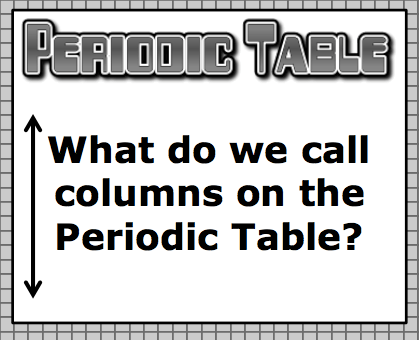
a)
Periods
b)
Groups
12.
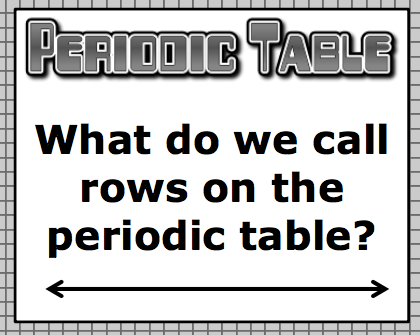
a)
Periods
b)
Groups
13.

a)
energy levels
b)
valence electrons
c)
protons
d)
neutrons
14.
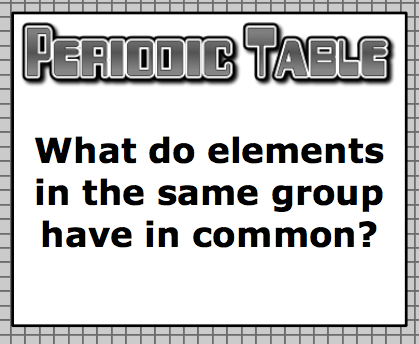
a)
energy levels
b)
valence electrons
c)
protons
d)
neutrons
15.
The Modern Periodic Table of Elements is arranged by
a)
atomic mass
b)
atomic number
c)
valence electrons
d)
number of isotopes
16.
Which shape represents the shape of an "p" orbital?
a)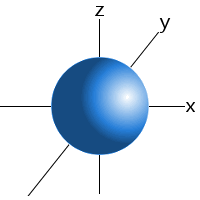
b)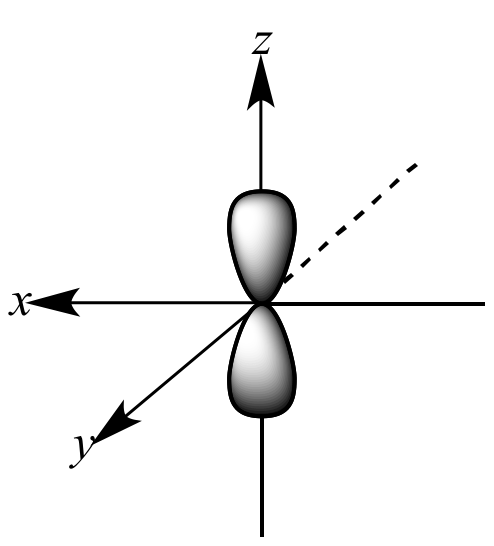
c)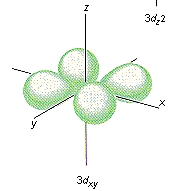
d)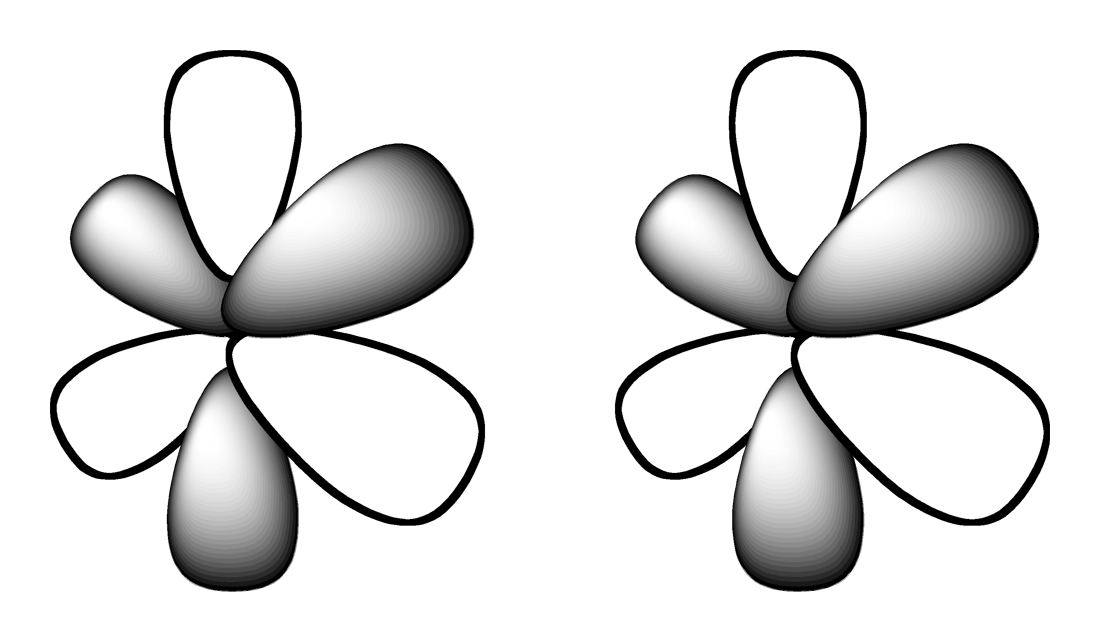
17.

The diagram above represents two electrons with
a)
a. opposite spins.
b)
b. the same spin.
c)
c. different energies.
d)
d. different energy levels.
18.
Rows on the period table are called _____ while columns are called _____.
a)
groups, families
b)
groups, periods
c)
periods, groups
d)
families, groups
19.

Which orbital does the image represent?
a)
s
b)
p
c)
d
d)
f
20.
What does the atomic number of an element tell you?
a)
the number of neutrons
b)
the number of valence electrons
c)
the number of electrons
d)
the number of protons
100 %

