
 Worksheets
2022-CR-System/UCS
Total questions: 37
Worksheet time: 1hrs 10mins
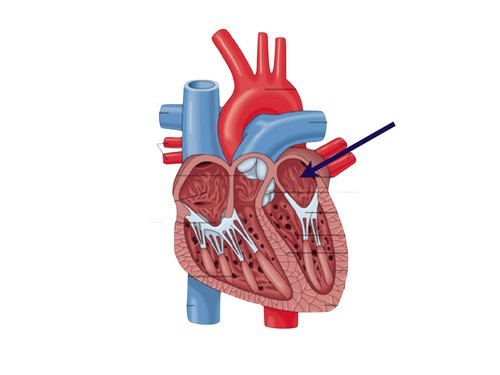
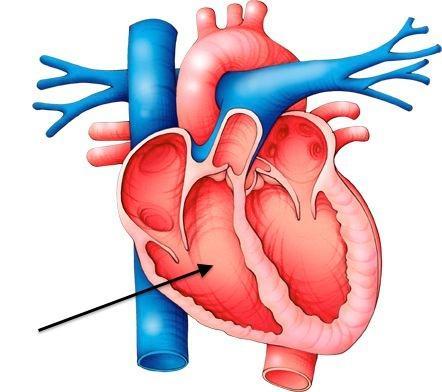
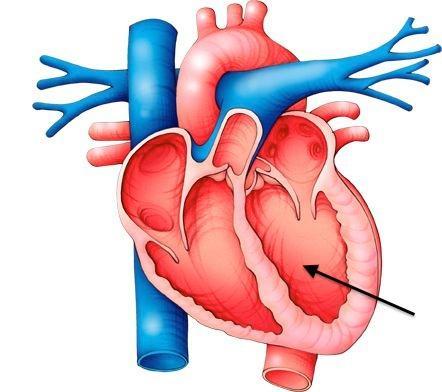
The (a) is the largest artery in the body.
Your heart rate, or pulse, is the number of times your heart beats per (a) .
(a) is the liquid part of blood.
(a) help form clots to stop bleeding.
(a) are the tiniest blood vessels.
The bottom part of the heart is divided into two chambers called what?
Ventricles
Atria


Veins carry blood with ... back to the heart.
carbon dioxide
oxygen
nutrients
food

Unscramble:
E-T-R-A-R-E-S-I
(a)

The substance that makes up the majority of blood is:
Plasma
Lymph
Erythrocytes
Basophils
If the left side of your heart receives oxygen-rich blood from your lungs and pumps it through your arteries to the rest of your body.What happened in the right side of your heart?
There is only one side of the heart.
The same as the left side of the heart
The right side of your heart receives oxygen-rich blood from your artery and pumps it to your lungs, where it picks up carbon dioxide and gets rid of oxygen..
The right side of your heart receives oxygen-poor blood from your veins and pumps it to your lungs, where it picks up oxygen and gets rid of carbon dioxide.

The left ventricle ________________________
receives oxygen-poor blood from the body and pumps it to the right ventricle through the tricuspid valve.
pumps the oxygen-poor blood to the lungs through the pulmonary valve.
receives oxygen-rich blood from the lungs and pumps it to the left ventricle through the mitral valve.
pumps the oxygen-rich blood through the aortic valve out to the rest of the body.
Your (a) is the number of times your heart beats per minute.

What are the tiny air sacs at the end of the Bronchioles, that transfer oxygen into the blood stream?
Define the term Tidal Volume.
the maximum amount of air you can breathe out
the volume of air you inhale with each breath during normal breathing
the volume of air, that you breathe per minute
the amount of air left in your lungs after breathing out
Define the term Minute ventilation.
the maximum amount of air you can breathe out
the volume of air you inhale with each breath during normal breathing
the volume of air, that you breathe per minute
the amount of air left in your lungs after breathing out
Define the term Vital Capacity
the maximum amount of air you can breathe out
the volume of air you inhale with each breath during normal breathing
the volume of air, that you breathe per minute
the amount of air left in your lungs after breathing out
Define the term Residual Volume
the maximum amount of air you can breathe out
the volume of air you inhale with each breath during normal breathing
the volume of air, that you breathe per minute
the amount of air left in your lungs after breathing out
Suggest what happens to a performer's MINUTE VENTILATIONas their breathing rate increases.
Minute Ventilation Increases
Minute Ventilation Decreases
Minute Ventilation Stays the same
Suggest three things that can result from increasing the body's respiratory capacity
improves the efficiency of the system
improves fitness and performance of endurance athletes
hinders the performance of endurance athletes
can help aid recovery during long-distance events
improves the strength and performance of the intercostal muscles
Suggest four reasons why during exercise your lung volume can increase by as much as 15 %.
meet the demands of your heart and muscles during exertion
to decrease the rate of removal of carbon dioxide
so your breathing can become deeper and more rapid.
to increase the rate of removal of waste products such as Carbon Dioxide.
to deliver more oxygen to your bloodstream.
Suggest three benefits for a performer having efficient gaseous exchange.
delays the removal of carbon dioxide.
speeds the removal of carbon dioxide and lactic acid
speeds the transfer of oxygen to muscles.
allows a performer to maintain effort for longer
allows a performer to get tired quicker
Suggest the benefits for a performer of efficient gaseous exchange
Minute ventilation increases during exercise. Suggest three benefits of an increased minute ventilation during exercise.
increase in the volume of oxygen into the body.
increases the volume of carbon dioxide and lactic acid removed from the body.
increases oxygen supply to muscles.
Increases the residual volume.
Minute ventilation increases during exercise. Define the term minute ventilation and describe two benefits of an increased minute ventilation during exercise.
Describe the changes, if any, in each of the following breathing volumes during exercise:
Residual volume
Tidal Volume

