
 Worksheets
Final Exam Semester 1 2022
Total questions: 62
Worksheet time: 35mins

This image is an example of using
Framing
Rule of Thirds
Leading Lines
Centered Composition

What composition rule is BEST being shown in this photograph?
High Angle Perspective
Rule of Thirds
Symmetrical Balance
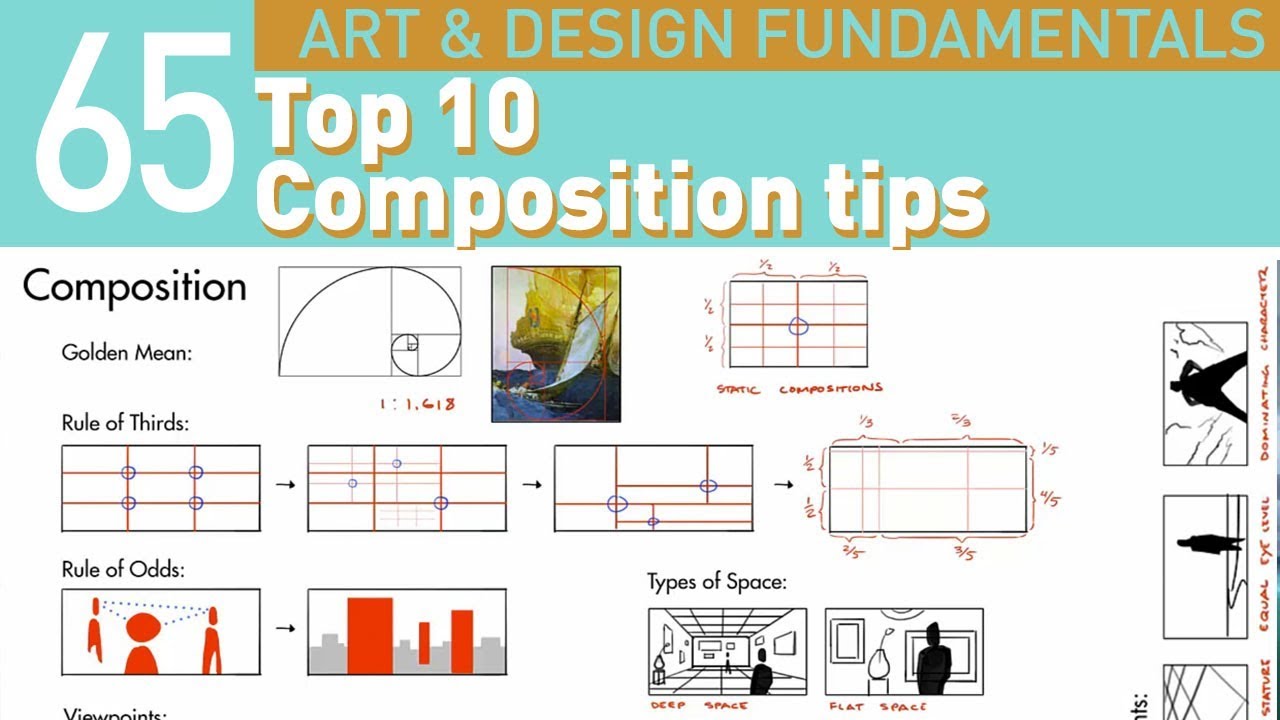
What is a composition?
The colors and shapes of a photograph
The placement and arrangement of elements in a work of art
The subject matter of an image
The caption of a photograph
When a photographer is taking pictures and thinking about composition, they should ...
Keep looking until they find the perfectly composed photo.
Not take a photo if the composition isn't right.
Move around the subject to create good composition.
Disregard composition and just get a picture of what's happening.
The best position to take a photo from is standing/eye-level.
True
False
Where should the focal point of an image be?
Left
right
center
rule of thirds
On the rule of thirds, where the lines intersect, what is that called?
(a)
A strong composition should have items that are_________.
all the same size
all small in size
all large in size
varying sizes
The ISO controls......
quantity of light
sensitivity of the image sensor
duration that light is exposed to the sensor
everything
The side effect of the ISO is.......
depth of field
motion blur
noise
high ISO numbers make the image sensor
more sensitive to light
less sensitive to light
When shooting at high ISO settings, what happens
nothing
you get clear images
you lose quality in the image
When might you use a high ISO setting?
Midday
in sunny Dubai
in low light conditions
Controlling the ISO contributes to a good exposure.
Always
Only when shooting cakes inside.
Never
Yes, but only if the picture is in focus.
I can change the ISO at any time...
No
Yes, any time.
Yes, but only as a last resort.
No, i've always been taught to trust my instincts.
Controlling the ISO contributes to a good exposure.
Always
Only when shooting cakes inside.
Never
Yes, but only if the picture is in focus.
What speed do you photograph Children at?
1/250
1/800
1/12800
1/100
What speed do you photograph sports with?
1/100
1/250
1/500
1/1000
What speed do you photograph fast moving objects with?
1/100
1/500
1/1000
1/4000
What speed do you photograph very fast moving objects with?
1/100
1/500
1/1000
1/4000
Which of the following Shutter speeds would be more likely to FREEZE motion
1/1000
1/100
1/15
1/8
Which of the following shutter speeds would be more likely to BLUR motion?
1/800
1/8
1/100
1/250
Which of the following shutter speeds has the longest duration of digital sensor exposure?
6"
1/6
1/500
1/1000
Which shutter speed would have the shortest duration on the digital sensor exposure?
6"
1/6
1/60
1/100
Which of the following is the slowest possible shutter speed that you should hand hold a camera?
1/60
1/250
1/500
1/100
Which of the following “auto-exposure” modes allows the user to control the shutter speed with the camera, and
automatically selecting the aperture and ISO values?
M
AV
TV
AUTO

What is the shutter speed on this camera?
1/8000
596
16000

What will happen to action or motion with the shutter speed this camera is set at?
Motion freezes
Motion is blurred
Loco Motion
When the ________ opens, it exposes the sensor or film to the light that is coming into the camera body.
shutter
door
mirror
window
Shutter speed refers to how quickly the shutter opens and closes, exposing light to the digital sensor.
True
False
If you change your shutter speed to freeze motion a bit more (i.e. from 1/250 to 1/500) you will be letting in ______ light.
less
more
no
To take a photograph with motion blur AND stop action you need to adjust when the flash fires.
True
False
With motion blur and stop action, the flash should be set to the
First Curtain
Second Curtain


William Henry Fox Talbot
Daguerre
Herschel
Niépce

Who discovered the Cyanotype process?
Sir John Herschel
William Henry Fox Talbot
Anna Atkins
Niépce
Who was the first to use the Cyanotype process?
John Herschel
Herschel Atkins
Anna Atkins
Anna Herschel
Who was the first person to invent the negative?
Herschel
Talbot
Daguerre
Niepce
How long was the exposure (time it took) for the first photographic image to be taken?
15-30 minutes
30 seconds to 1 minute
no time at all
eight hours
What year was the first portrait studio opened?
(a)
Can you identify a cyanotype:
it was made on copper.
it was made on pewter.
it was made on paper.
it is blue and white.
(a) negative/positive process formed the basis for all the photographic processes that followed.
Who was the Inventor of the autochrome?
Daguerre
Niepce
Talbot
Lumière
Aperture refers to
Size of the opening in the lens
How quick the shutter opens
Film or sensor sensitivity
Exposure level
Which aperture setting lets in the most amount of light?
f22
f18
f11
f5.6
Which aperture setting will let in the least amount of light?
f22
f18
f11
f5.6
A shallow depth of field means
fewer objects in a photo are in focus
most or all objects in a photo are in focus
the subject will be blurry to show motion
the picture is taken in a field
If I am taking a picture of a landscape and I want everything in the photo in focus, then I need a __________ depth of field.
shallow
deep
high
low
The best f-stop to have for a deep depth of field would be
f18
f8
f5.6
f2.8
I am taking a portrait picture and I want the background to be out of focus and the person in sharp focus. To do this I would need a _________ depth of field
shallow
deep
high
low
If I am taking a picture at night, what f-stop would work best?
f22
f18
f8
f4

This image is an example of
shallow depth of field
out of focus image
deep depth of field

This photo is an example of
deep depth of field
a high f-stop (such as an f18)
a deep depth of field AND a high f-stop
none of these answers are correct

Name 5
(a)

Name 12
(a)

Name 14
(a)

Name 15
(a)

Name 16
(a)

Name 17
(a)

Name 18
(a)

Name 19
(a)

Name 20
(a)

