
 Worksheets
ENGLISH II EOC REVIEW #2
Total questions: 55
Worksheet time: 1hrs 17mins
This figure of speech uses exaggeration to make its point.
Simile
Hyperbole
Personification
Alliteration
Which of the following is an example of Simile?
My hand is as cold as snow.
Hiss, slurp, hush, scream--MOM!
The shirt said, "Wear Me!"
Hopping hens shop for shoes
Which of the following is an example of metaphor?
My hand is as cold as snow.
The glasses smiled at me.
My life is a dream.
Snow is like the sun.
Which of the following is an example of alliteration?
The TV laughed at the desk
Calculating computers catch cats.
Pictures are captured people.
Crash, bang, boom goes the lion.
"The moon played hide and seek with the clouds."
What literary device was used in the sentence?
Simile
Hyperbole
Personification
Alliteration
Which of the following is an example of imagery?
Playing sports is a lot of fun.
The boy bounced the ball.
The young boy excitedly ran to the ball.
The ball was a deep red, like that of a fire truck, glistening in the bright sun.
Which of the following is NOT an example of irony?
A marriage counselor files for divorce
A fire station burned down
An old man has a heart attack
Someone posts on Facebook about how dumb Facebook is
Ex. Salinas River, 1930s; "A few miles south of Soledad."
the outcome of a situation is the opposite of what is expected
irony
situational irony
verbal irony
foreshadowing
a person says one thing and means another (sarcasm)
(Ex. Someone does something very wrongly, and another says, "Oh way to go dude, nice."
situational irony
dialogue
verbal irony
dramatic irony
the audience knows something that the characters do not know (Ex. We see the killer slip into the bedroom before the main character gets ready for bed)
situational irony
dramatic irony
drama
verbal irony
characters, objects, or events that have an abstract, or figurative meaning (stands for something else) Ex. Junior's dog, Oscar, represents Junior's helplessness and poverty.)
images
symbolism
simile
personification

Oxymorons are contradictory phrases.
True
False
I could hear the popping and crackling as mom dropped the bacon into the frying pan
Onomatopoeia
Oxymoron
Euphemism
Cliche
I've been to the dentist many times, so I know the drill
Cliche
Pun
Imagery
Hyperbole
What is mood?
The overall feeling the audience/reader is meant to have
How the characters in a text feel
What the author thinks about a subject
How the author persuades the reader
What is theme?
The main point of a text
The most important event in the plot
A universal idea, message, or truth explored in literature
The lesson the protagonist (main character) learns
A character who doesn't change throughout the story is a
static character
round character
flat character
dynamic character
A character who changes or grows over the course of the story is a
dynamic character
round character
static character
flat character
In this story, the bus driver’s name is Al. The reader knows his name, and that he drives the bus every day. Al doesn’t participate in the plot other than driving the bus. Al is likely a _________________ character.
Flat
Round
Protagonist
Dynamic
The waves pounded against the shore so hard, making it difficult for Shane to ride a wave. Shane kept falling off his board.
What type of conflict?
character vs. character
character vs. self
character vs. nature
character vs. society
Jerry saw his best friend steal a candy bar from the store. Jerry knows it is wrong but is unsure if he should tell on his friend. He is so confused.
What type of conflict?
character vs. character
character vs. self
character vs. nature
character vs. society
Dara walked into the cafeteria and slipped on jello. All of the students laughed and made fun of her.
What typeof conflict?
character vs. character
character vs. self
character vs. nature
character vs. society
Tom wanted to try out for field hockey, but his friends giggled and said, "Only girls play that sport." Tom decided to try out anyway and be the first boy to play.
What type of conflict?
character vs. character
character vs. self
character vs. nature
character vs. society
The main idea of a text is....
what the text is a little bit about
what the text is never about
what the text is sometimes telling you
what the text is mostly or mainly about
"Wow! With a top speed of one hundred fifty miles per hour, that car can almost fly!"
Turning point in a story; moment of greatest suspense; conflict at most intense or dramatic moment.
Rising Action
Falling Action
Resolution
Climax
Introduces obstacles that make conflict more complicated. Includes incidents or dialogue that propel action.
Rising Action
Falling Action
Resolution
Exposition
Reveals the story's final outcome; ties up all loose ends.
Rising Action
Resolution
Falling Action
Exposition
Characters and setting are introduced. Reveals or sets the stage for conflict.
Rising Action
Climax
Exposition
Resolution

Hold fast to dreams
For if dreams die
Life is a broken-winged bird
That cannot fly.
What is characterization?
Character traits
What a character says and thinks
The process in which the author tells the personality of a character.
What a character looks like and what are his actions
What is indirect characterization?
The process by which the narrator tells the audience what the personality of the character is.
The process by which the personality of a fictitious character is revealed through the character's speech, actions, appearance, etc.
What is direct characterization?
The process by which the personality of a fictitious character is revealed through the character's speech, actions, appearance, etc.
The process by which the narrator tells the audience what the personality of the character is.
What do you know about Jack from this sentence?
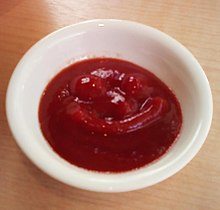
Jack looked at his sister with a strange look on his face after she put ketchup in her milk.
Jack thinks his sister is making a good choice.
Jack thinks his sister is weird for using ketchup in her milk.
Jack doesn't care what his sister does.
Is this direct or indirect characterization?
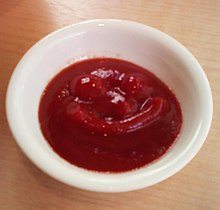
Jack looked at his sister with a strange look on his face after she put ketchup in her milk.
direct
indirect
Is this direct or indirect characterization?
Jack thinks his sister is weird for putting ketchup in her milk.
direct
indirect

Once upon a time there was a beautiful young girl named Cinderella. Cinderella lives with her evil stepmother and stepsisters who force her to clean day and night. After many harrowing adventures Cinderella meets her prince charming and lives happily ever after.
Direct
Indirect

Diary of a Wimpy Kid
Greg is a conflicted soul: he wants to do the right thing, but the constant quest for status and girls seems to undermine his every effort. His attempts to prove his worthiness in the popularity race (he estimates he's currently ranked 52nd or 53rd) are constantly foiled by well-meaning parents, a younger and older brother, and nerdy friends. No matter how hard he tries Greg can’t stop being a wimpy kid.
Direct
Indirect

Melinda Sordino from Speak
My room belongs to an alien. It is a postcard of who I was in the fifth grade. It is a demented phase when I thought that roses should cover everything and pink was a great color. (thinks Melinda)
Direct
Indirect

Melinda Sordino from Speak
I dig my fingers into the dirt and squeeze. A small clean part of me waits to warm and burst through the surface. Some quiet Melinda girl I haven't seen in months. That is the seed I will care for. (thinks Melinda)
Direct
Indirect
This is an example of what?
Have you ever had an ice-cream headache? That’s when a painful sensation resonates in your head after eating something cold (usually ice-cream) on a hot day. This pain is produced by the dilation of a nerve center in the roof of your mouth. The nerve center is overreacting to the cold by trying to heat your brain. Ice-cream headaches have turned many smiles to frowns.
problem and solution
cause and effect
chronological
spatial
There are many fun things to do at the beach. Swimming is one thing that can be done at the beach. Snorkeling is another thing that can be enjoyed. Playing beach volleyball can be a lot of fun. It is also fun to look for shells. Some people simply like to sunbathe.
What is the main idea?
There are many fun things to do at the beach.
It is also fun to look for shells.
Some people simply like to sunbathe.
Going to the beach to swim can be fun.
What is the purpose of text features?
They guide the reader through the text.
They organize information in a way that helps the reader understand the central message of a text.
They reveal information to the reader that is irrelevant to the text itself.

