
 Worksheets
Communication skills
Total questions: 84
Worksheet time: 40mins
True or False: Communication is more than just talking face to face?
True
False
The exchange of information through the use of words or actions is
Active listening
Body language
Communication
Aggressive
True or False: Communication is more than just talking face to face?
True
False
The exchange of information through the use of words or actions is
Active listening
Body language
Communication
Aggressive
The exchange of information through the use of words or actions is
Active listening
Body language
Communication
Aggressive
Which of the following is considered a speaking skill?
Make clear, simple statements
Paying attention
Rereading your words before you send a message
It is a communication between individuals in a personal relationship which builds through time and involves their thoughts and feelings to a certain level.
Intrapersonal communication
Public communication
Interpersonal communucation
Small group communication

verbal communication
sending and receiving wordless messsages
exchange of information using words
nonverbal communication
sending and receiving wordless messsages
exchange of information using words
Our facial expressions, tone of voice, movement, appearance, eye contact, gestures, and posture are called _____________________.
verbal communication
nonverbal communication


An appendix is a(n) ______________.
source of additional information placed at the end of a section, chapter, or book.
graphic summary of important facts and figures
alphabetical listing of terms and definitions used in a book
alphabetical listing of topics with corresponding page numbers
Instructors or steps for procedures are easier to remember if you ___________.
watch someone do it after you read the text
memorize each step
imagine yourself performing the task
read the text out loud
A punch list ___________.
provides an alphabetical listing of site materials.
includes the definitions of words from a book
provides a summary of the project
identifies deficiencies requiring correction at completion
One way to highlight information in a paragraph is to put it in a(n) ___________.
glossary
bulleted list
appendix
index
More words automatically mean better writing.
True
False
Verbal communication is the skill of ____________.
filling out reports
being on time
speaking and listening
thinking and comprehending
Real listening is the process of ________ what someone has said, not just hearing it.
repeating
understanding
summarizing
recording
One of the best ways to improve your speaking skills is to ________.
take many notes
tell jokes frequently
listen to everyone around you
listen to someone who speaks well
When making a telephone call, you should first _________.
identify yourself
ask to whom you are speaking
explain the purpose of your call
take notes of the conversation
Effective speech is even more important with telephone calls because ___________.
your teammates may be listening
there may be background noise
the person may not hear you clearly
you cannot see the person or their reactions

Two types of communication are:
Verbs and Nouns
Verbal and information
Verbal and non-verbal
Happy and sad

An example of verbal communication is:
Phone conversation
Posture
Eye contact
Writing an email

An example of non-verbal communication is:
Sleeping
Face-to-face conversation
Telephone conversation
Eye Contact
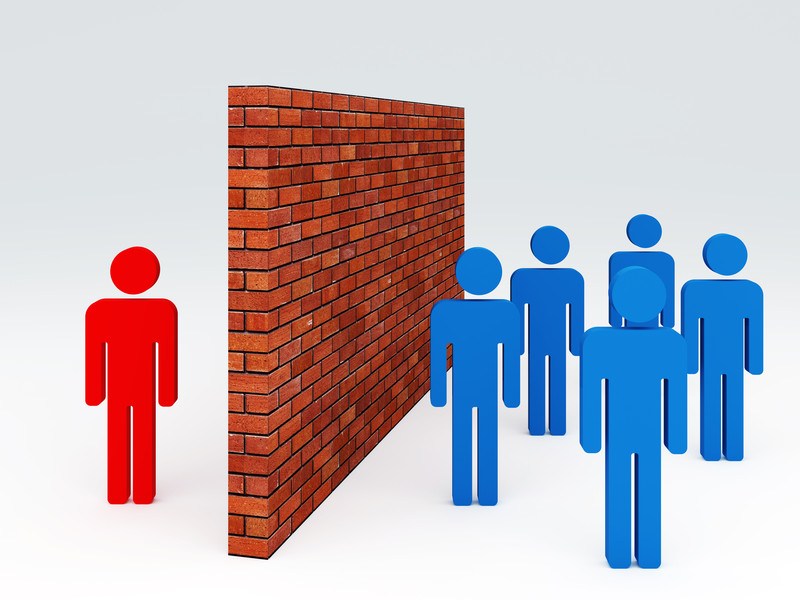
Which of the following is a barrier to communication?
Message is not clear
Not listening
Lack of language skills
All of the above

Which is NOT important in effective communication?
Wearing a red tie
Making eye contact
Using appropriate body language
Using the appropriate tone

In order to comprehend a message, you must be:
In the conference room
Wearing a suit or dress
Using a telephone
Actively listening

All of the following are examples of active listening, EXCEPT:
Showing interest in the message
Staring out the window
Making eye contact with the messenger
Not interrupting the messenger

Good customer service is the ability of an organisation to constantly and consistently exceed:
The speed of sound
The customer's expectations
The rainfall in South America
Their competitor's sales

True or False: Communication skills are vital to individuals and businesses
True
False

A good, clear speaker…
Understands what he/she wants to say
Considers the audience and the setting
Checks to assure understanding, and listens to responses
All of the above

A good, active listener…
Remains quiet while listening
Interrupts the speaker
Answers his/her cell phone during the presentation
Makes fun of the speaker

Which of the following is an example of a professional email address?
justinbeiberismyhero@mail.com
George.Washington@mail.com
ilovedogs@mail.com
What.What@mail.com

Which of the following is NOT an example of proper telephone etiquette in the workplace?
Helping the caller even if it isn't your job
Identifying yourself and your company when answering a call
Rushing the caller to get off the phone
Answering the phone before the third ring

We communicate by:
Speech (Telephone call, conversations, etc)
Visuals (Body language, facial expressions)
Writing (Letter, emails, newsletters, etc)
All of the above

When is it NOT appropriate to shake hands with someone?
In the middle of a presentation
Upon meeting someone for the first time
At the start of an interview
After a meeting to show agreement

When shaking hands, you should always:
Wear heavy cologne or perfume
Make eye contact
Make sure your hand is sweaty
Shake repeatedly until the person begs you to stop

communicating non-verbally through conscious or unconscious gestures and movements is called?
Attitude
Gratitude
Sign Language
Body Language

A statement that a situation is unsatisfactory or unacceptable
Character
Complaint
Compliment
Cover letter

Building a relationship with a customer is called:
Friendship
Chatting
Rapport
Dating

Includes gestures, facial expressions, and body positions
Feedback
Verbal Communication
Dance
Non-Verbal Communication

The use of sounds and words to express yourself
Non-Verbal Communication
Customer Service
Interpretive Dance
Verbal Communication
True or False: Communication is more than just talking face to face?
True
False
What is Body Language?
Postures, gestures, and facial expressions.
The exchange of information through the use of words.
Your words say one thing but your body language say another.
Speak from your point of view.
The exchange of information through the use of words or actions is
Active listening
Body language
Communication
Aggressive
Which of the following is considered a speaking skill?
Make clear, simple statements
Paying attention
Rereading your words before you send a message
Two types of communication are:
Verbs and Nouns
Verbal and information
Verbal and non-verbal
Happy and sad
An example of verbal communication is:
Phone conversation
Posture
Eye contact
Writing an email
Which of the following is a barrier to communication?
Message is not clear
Not listening
Lack of language skills
All of the above
Which is NOT important in effective communication?
Wearing a red tie
Making eye contact
Using appropriate body language
Using the appropriate tone
A good, clear speaker…
Understands what he/she wants to say
Considers the audience and the setting
Checks to assure understanding, and listens to responses
All of the above
We communicate by:
Speech (Telephone call, conversations, etc)
Visuals (Body language, facial expressions)
Writing (Letter, emails, newsletters, etc)
All of the above
Includes gestures, facial expressions, and body positions
Feedback
Verbal Communication
Dance
Non-Verbal Communication
The use of sounds and words to express yourself
Non-Verbal Communication
Customer Service
Interpretive Dance
Verbal Communication
An example of non-verbal communication is:
Sleeping
Face-to-face conversation
Telephone conversation
Eye Contact
Good customer service is the ability of an organisation to constantly and consistently exceed:
The speed of sound
The customer's expectations
The rainfall in South America
Their competitor's sales
True or False: Communication skills are vital to individuals and businesses
True
False
Which of the following is a positive body languages to use when speaking?
Fold your arms or cross your legs
Stand behind a lecture and keep your body hidden
Keep your arms open and use gestures
Do not make eye contact
Which of following is a negative body language to use when speaking?
Fold your arms or cross your legs
Stand behind a lecture and keep your body hidden
Keep your arms open and use gestures
Do not make eye contact
Which of these is a communication skill?
Talking at the same time as someone else
Listening to what people say
Putting your fingers in your nose
What body language shows you are listening?
Turning away from speaker
Nodding and making eye contact
Looking out the window
Communication effectiveness can be enhance by:
Practicing on communication style until you can use it with skills
Always using the same communication style as the one used by the person with whom you are interacting
Cultivating flexibility in responding to others
How many ways are there to communicate?
1
2
3
4
What is verbal communication?
Talking to someone
Whens someone is talking and someone else is listening
When more than one person is talking
Use verbal noises to show you are listening
What is communication without words?
Sign language
Non-verbal communication
Gestures
Telepathy
Is text messaging an acceptable form of communication?
Yes, by using emoji's
Yes, it should be a preferred choice when making arrangement
Yes, in certain circumstances
How can a person correctly communicate?
Speaking
Texting
Phone
All of the above
How can people use verbal communication?
Face-to-Face contact
Face-to-Face, Telephone, Skype
The use of word but not sounds
Waving is what type of communication?
Gestures
Body Language
Sign Language
Body Position
How many type of communication are there?
2
4
6
8
Facial expression are a part of what?
Gestures
Sign Language
Body Language
When you are talking directly to a person and you can see them, this is called what?
Verbal contact
Talking
Interaction
Face-to-Face communication

