
 Worksheets
Construction and Built Environment Trades Quiz
Total questions: 85
Worksheet time: 43mins
Which unit introduces the trades in the construction and built environment sector?
Unit 102
Unit 201
Unit 301
Unit 401
What is the main focus of PowerPoint 2 in the provided learning material?
Building services engineering trades
Civil engineering principles
Architectural design basics
Environmental sustainability

Which of the following is NOT one of the main trades in the building services industry as shown in the diagram?
Electro-technical
Carpentry
Plumbing
Gas installation engineering

According to the diagram, which trade is directly associated with heating and ventilation in the building services industry?
Plumbing
Heating and ventilation
Gas installation engineering
Electro-technical
Which of the following best describes the main role of installation electricians?
They test and install wiring systems and equipment in homes, building sites, office blocks, and industrial sites.
They design new electrical equipment for factories.
They only repair household appliances.
They manage construction projects.
What is the primary responsibility of maintenance electricians?
Installing new lighting systems in homes.
Testing and maintaining electrical equipment, often in commerce or heavy industry.
Designing electrical circuits for new buildings.
Supervising construction workers.
Which of the following is NOT a typical workplace for installation electricians?
Homes
Building sites
Office blocks
Hospitals only
Explain the difference between installation electricians and maintenance electricians based on their main duties and typical workplaces.
Installation electricians focus on testing and installing wiring systems in various buildings, while maintenance electricians test and maintain equipment, often in commerce or heavy industry.
Installation electricians only work in factories, while maintenance electricians only work in homes.
Installation electricians design electrical systems, while maintenance electricians install them.
Installation electricians and maintenance electricians have the same duties and workplaces.
Which of the following is a potential duty in the electrotechnical building services trade?
Re-wiring a home
Painting walls
Designing furniture
Installing plumbing fixtures
What is one possible work environment for someone in the electrotechnical field?
Laying cables on a building site
Cooking in a restaurant
Teaching in a classroom
Driving a taxi
Which of the following best describes the variety of jobs available in the electrotechnical trade?
Limited to office work only
Only involves outdoor construction
Includes tasks like testing systems in factories and installing CCTV in offices
Focuses solely on residential cleaning
Imagine you are interested in a career in electrotechnical building services. Which combination of tasks might you expect to perform?
Laying cables, testing systems, and installing CCTV
Cooking meals, serving customers, and cleaning tables
Writing software, managing databases, and designing websites
Planting trees, mowing lawns, and trimming hedges
Why might someone choose a career in the electrotechnical building services trade?
There is a variety of potential jobs available
The work is always the same every day
It only requires outdoor labor
It does not involve any technical skills
Which of the following is an example of electrical equipment commonly encountered in building services trades?
Double socket outlet
Water tap
Ceiling fan
Radiator
What is the primary function of a fused spur unit in an electrical installation?
To provide a connection point for two plugs
To protect a circuit by containing a fuse
To control the temperature of a room
To increase the voltage in a circuit
A 1 way lighting switch is most likely used for which of the following purposes?
To control a single light from one location
To provide power to two appliances at once
To regulate water flow in a pipe
To measure electrical resistance
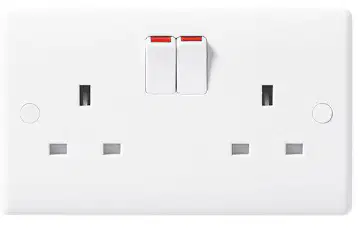
Based on the images, which device would you use if you needed to plug in two electrical appliances at the same time?
Double socket outlet
Fused spur unit
1 way lighting switch
Circuit breaker
Which of the following is an example of a cable used in electrical work?
PVC/PVC
Copper wire only
Plastic tubing
Wooden rod
What type of cable is specifically designed to maintain circuit integrity during a fire?
Flex
Fire resistant
Steel wire armoured
PVC/PVC
Which cable type is most suitable for environments where mechanical protection is required?
Flex
Fire resistant
Steel wire armoured
PVC/PVC
A technician needs a cable that is flexible and easy to bend for use in portable appliances. Which cable should they choose?
Steel wire armoured
Flex
Fire resistant
PVC/PVC
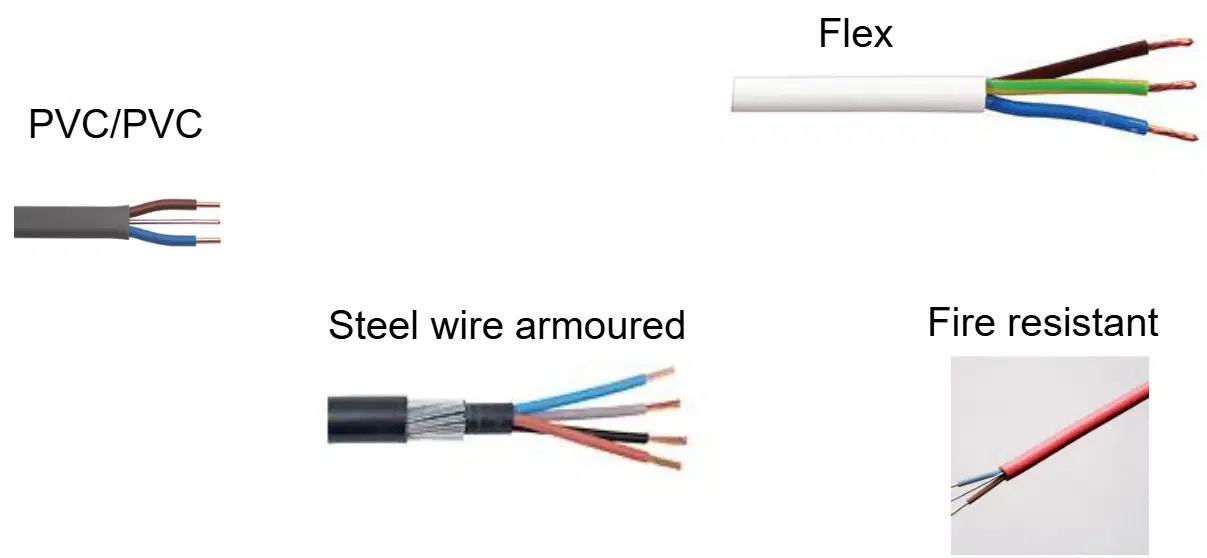
Based on the diagram, which cable would you most likely use for wiring in a location where fire safety is a primary concern? Explain your reasoning.
PVC/PVC, because it is commonly used
Flex, because it is flexible
Steel wire armoured, because it is strong
Fire resistant, because it is designed to withstand fire
Which of the following is an important skill needed to become a successful electrician?
Good practical skills
Artistic ability
Advanced programming knowledge
Public speaking skills
Why is being adaptable important for an electrician?
It allows them to work in a variety of environments and handle unexpected challenges.
It helps them memorize electrical codes.
It ensures they can work only in large open spaces.
It allows them to avoid following instructions.
Which attribute is NOT listed as necessary for a successful electrician?
Good with both heights and confined spaces
Careful and precise
Good at following detailed instructions
Excellent singing ability
A student wants to become an electrician but is afraid of heights and small spaces. Based on the required skills, what challenge might they face?
They may struggle with tasks that require working in high or confined areas.
They will have difficulty reading blueprints.
They will not be able to use basic tools.
They will need to improve their artistic skills.
What is the primary role of a plumber?
To install and maintain pipes in homes and businesses
To design electrical circuits
To paint buildings
To manage construction sites
Which of the following is NOT a use for the pipes that plumbers install and maintain?
Potable water
Drainage
Electrical wiring
Irrigation
In addition to hands-on work, what other role might a plumber have?
Drafting blueprints and improving installation efficiency
Cooking meals for workers
Supervising electrical installations
Painting walls
Explain how the profession of plumbing offers a wide range of career paths.
Plumbers can only work in residential homes.
Plumbers can be involved in hands-on work, design, drafting blueprints, and improving installation processes, leading to many career options.
Plumbers are limited to fixing leaks.
Plumbers only work with irrigation systems.
Which of the following is a basic duty of a plumber?
Install pipes and plumbing fixtures.
Paint walls and ceilings.
Design electrical circuits.
Lay concrete foundations.
What is one way plumbers determine the cause and location of issues in plumbing systems?
By visually inspecting equipment and using test equipment such as pressure and vacuum gauges.
By listening for unusual noises only.
By guessing based on previous experience.
By checking the color of the pipes.
A plumber is called to a house with a blocked sink. Which task are they most likely to perform first?
Clear obstructions from sink drains and toilets.
Estimate the cost of new installations.
Paint the kitchen walls.
Install new electrical outlets.
If a plumber is asked to provide a quote for a new bathroom installation, which responsibility are they fulfilling?
Estimating costs of installations and repairs.
Troubleshooting electrical faults.
Painting and decorating.
Installing heating systems.
A plumber encounters a leaking pipe and must decide on the best method to fix it. Which skill does this scenario best demonstrate?
Troubleshooting problems and deciding how to fix them.
Painting the pipe to prevent rust.
Installing new windows.
Cleaning the floor.
Why is it important for plumbers to be able to repair pipes and plumbing fixtures?
To ensure the plumbing system functions properly and prevent water damage.
To improve the appearance of the building.
To increase the value of electrical systems.
To reduce the need for painting.
Which of the following is an example of a plumbing installation?
Showers
Windows
Roof tiles
Electrical sockets
Which item is NOT typically considered part of plumbing installations?
Pipework
Taps
Bathrooms
Light fixtures
Why is pipework considered an essential component in plumbing installations?
It provides structural support to buildings.
It allows the transportation of water to various fixtures.
It is used for electrical wiring.
It decorates the interior of bathrooms.
A plumber is asked to install a new shower in a bathroom. Which other plumbing installation might they need to work on to complete the job?
Pipework
Roof tiles
Wall paint
Carpet
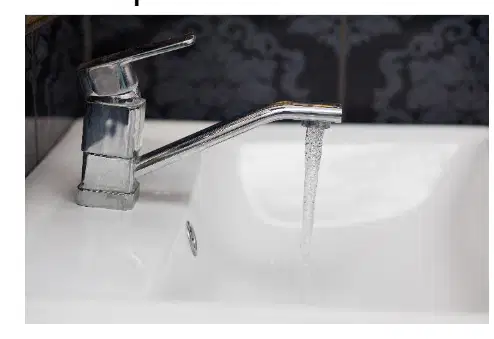
Which of the following images would best represent a plumbing installation involving water flow control?
Tap
Window
Door
Light bulb
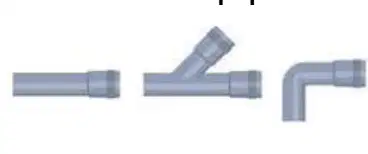
Which of the following is an example of plumbing equipment used in building services trades?
Plastic pipes
Wooden beams
Electrical wires
Concrete blocks
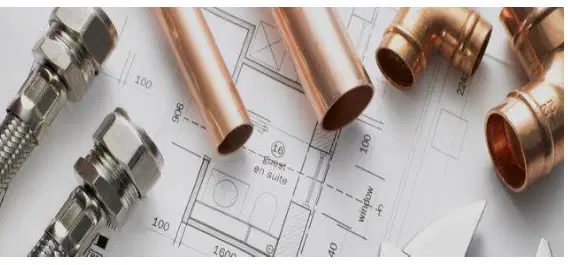
What type of material is commonly used for flexible plumbing pipes?
Copper
Wood
Glass
Brick
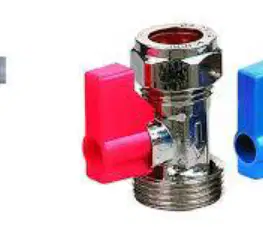
Which plumbing component is primarily used to control the flow of water in a system?
Valve
Fitting
Pipe
Elbow joint
Explain the difference between plastic pipes and copper pipes in plumbing applications.
Plastic pipes are lightweight and resistant to corrosion, while copper pipes are durable and can handle high temperatures.
Plastic pipes are heavier than copper pipes.
Copper pipes are only used for electrical wiring.
Plastic pipes are used for structural support.
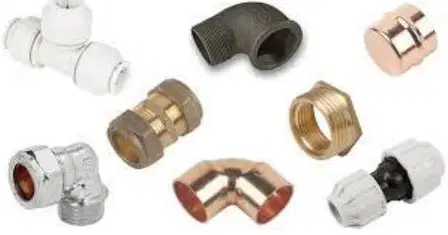
Why is it important to use various fittings in plumbing systems?
To connect pipes of different sizes and shapes
To increase water pressure
To reduce the cost of materials
To decorate the plumbing system
What is the primary role of a heating and ventilation engineer?
To design electrical circuits for small homes
To install and maintain heating and air conditioning systems in larger buildings
To build sports centres
To manage office supplies
Which of the following buildings might require the services of a heating and ventilation engineer?
Small residential houses only
Larger buildings such as offices, schools, shops, and sports centres
Outdoor parks
Farmhouses only
Why is it important for heating and ventilation engineers to maintain air conditioning systems in large buildings?
To ensure the systems are energy efficient and provide comfort for occupants
To increase the number of sports centres
To reduce the number of engineers needed
To decorate the building
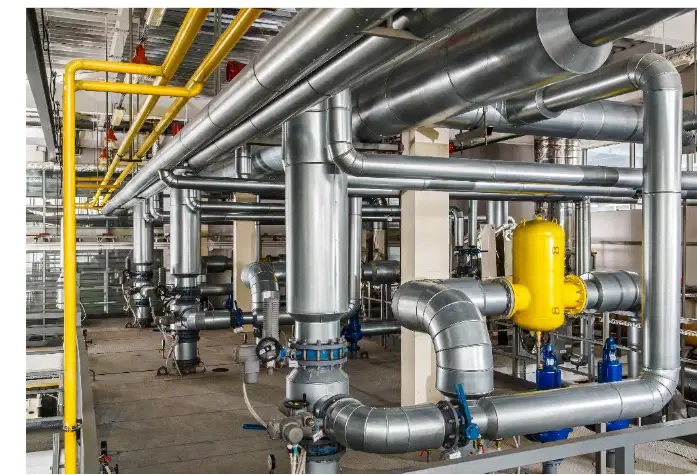
What does the image most likely represent in the context of building services engineering?
A water purification plant
A heating and ventilation system in a large building
A food processing facility
A car manufacturing plant
Which of the following is the primary responsibility of heating installers?
Fitting heating equipment and pipework systems in buildings such as office blocks, hospitals, and schools.
Installing electrical wiring in residential homes.
Designing architectural plans for new buildings.
Supervising construction site safety.
What type of buildings do ductwork installers typically work in?
Small residential homes
Large buildings such as sports stadia, airport terminals, and shopping centres
Farmhouses and barns
Outdoor parks and recreation areas
Which role is responsible for fitting central heating systems in homes and ensuring they work properly?
Ductwork installers
Domestic heating installers
Electrical engineers
Structural engineers
A new shopping centre is being constructed and requires a ventilation system for its large open spaces. Which type of installer should be hired for this task, and why?
Heating installers, because they specialize in pipework for small buildings.
Ductwork installers, because they are skilled in installing ventilation systems in large buildings.
Domestic heating installers, because they focus on residential heating systems.
Electrical engineers, because they handle all building installations.
Which type of engineer is responsible for planning and carrying out regular maintenance and repairs on all systems to ensure they are working safely and efficiently?
Service engineers
Control engineers
Design engineers
Project engineers
What is the main responsibility of commissioning engineers in heating and ventilation systems?
Designing control panels
Testing and checking systems to meet original design specifications
Installing heating units
Performing routine cleaning
Which of the following best describes the role of control engineers in heating and ventilation?
They repair broken pipes
They design and install control panels that operate and adjust heating systems
They inspect building foundations
They manage construction budgets
A customer reports that their heating system is not maintaining the desired temperature. Which type of engineer would most likely be responsible for adjusting the system to meet the customer's needs?
Service engineer
Commissioning engineer
Control engineer
Structural engineer
If a heating and ventilation system is not performing according to its original design, which engineer would be responsible for testing and ensuring it meets the required specifications?
Service engineer
Commissioning engineer
Control engineer
Electrical engineer
What is one of the main reasons for ensuring energy efficiency in heating and ventilation systems?
To reduce fossil fuel consumption, carbon emissions, and help people save energy.
To increase the size of heating systems.
To make buildings look more modern.
To reduce the need for regular maintenance.
Which renewable energy heating system is mentioned as part of a heating and ventilation engineer's responsibilities?
Ground source heat pumps
Solar panels
Wind turbines
Hydroelectric generators
How do ground source heat pumps contribute to heating buildings?
They take heat from underground and pump it to the surface and into buildings to supply warm air.
They generate heat by burning fossil fuels.
They use solar energy to heat water directly.
They cool the air before pumping it into buildings.
Explain why energy efficiency is a critical responsibility for heating and ventilation engineers.
Because it helps reduce fossil fuel consumption, carbon emissions, and saves energy for people.
Because it makes the systems more expensive to install.
Because it increases the noise level in buildings.
Because it requires less training for engineers.
A building is considering installing a ground source heat pump. What factors should a heating and ventilation engineer consider to ensure the system operates efficiently and sustainably?
The efficiency of heat transfer, the depth and type of ground, the building's heating needs, and the environmental impact.
The color of the building's walls.
The number of windows in the building.
The type of furniture used in the building.
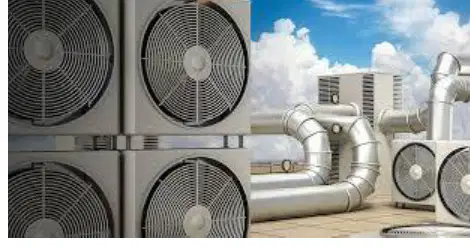
Which of the following is an example of a heating and ventilation installation?
Heating, ventilation and air conditioning systems
Electrical wiring systems
Plumbing drainage systems
Fire alarm systems
What does HVAC stand for in building services trades?
Heating, ventilation and air conditioning
Heating, vacuum and air conditioning
Humidity, ventilation and air circulation
Heating, ventilation and air circulation
Which system is specifically designed to control the temperature and humidity in a building?
Air conditioning systems
Plumbing systems
Electrical systems
Fire suppression systems
A building manager wants to improve both heating and cooling efficiency in a large commercial space. Which type of system should they consider installing?
Air conditioning and heating systems
Only heating systems
Only ventilation systems
Only lighting systems
Which of the following is an example of heating and ventilation equipment?
Ducting
Light bulbs
Electrical sockets
Water taps
What is the primary function of room ventilation systems in building services?
To provide lighting
To circulate air and improve indoor air quality
To supply water
To generate electricity
Which piece of equipment is most likely to be used to move air through a ventilation system?
Fans
Radiators
Boilers
Thermostats
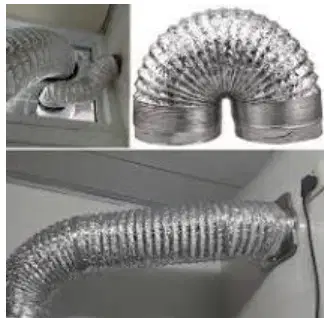
Based on the images, which equipment would you select to connect different parts of a ventilation system?
Ducting
Fans
Light switches
Thermometers
Why is it important to have both ducting and fans in a building’s ventilation system?
Ducting and fans work together to distribute and move air efficiently throughout the building.
Ducting is only for decoration, and fans are for cooling.
Fans are used for heating, and ducting is used for plumbing.
Both are used to generate electricity.
What is the primary role of an air conditioning (AC) engineer?
To design electrical circuits for buildings
To install, maintain, and repair AC systems used to control temperature
To manage building construction projects
To inspect plumbing systems
Where do most AC engineers tend to work?
In hospitals
In commercial buildings
In schools only
In outdoor parks
Which certificate should an AC engineer hold if they work with refrigerant gasses inside an AC system?
Electrical Safety Certificate
Plumbing License
F Gas Certificate
Fire Safety Certificate
Explain why it is important for an AC engineer to be registered and hold an F Gas Certificate when handling refrigerant gasses.
To ensure safety and compliance with regulations regarding the handling of potentially hazardous refrigerant gasses
To increase the cost of services
To allow them to work in any country
To avoid working overtime
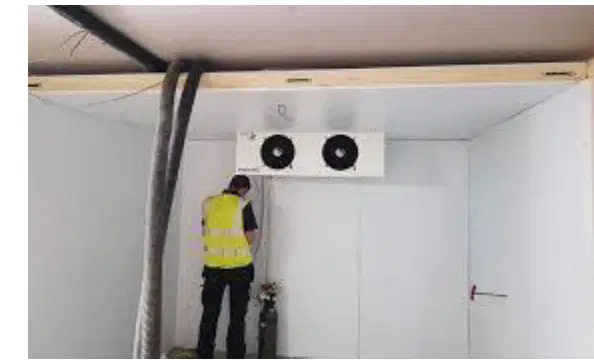
What is the primary responsibility of a refrigeration/air conditioning engineer?
Designing, installing, and maintaining cooling rooms
Cooking food in restaurant kitchens
Managing supermarket inventory
Cleaning hospital equipment
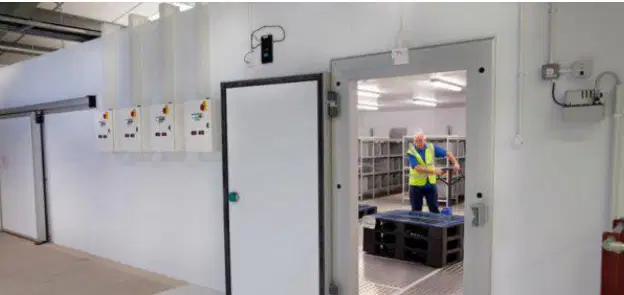
Which of the following is NOT an example of where refrigeration systems are commonly used?
Walk-in fridges in restaurant kitchens
Mortuaries
Food processing plants
Office meeting rooms
Why is refrigeration important in food processing plants and factories?
To keep the air fresh
To maintain a low temperature for food safety and preservation
To provide lighting
To reduce noise levels
Explain how the role of a refrigeration/air conditioning engineer contributes to the functioning of hospitals and supermarkets.
By ensuring that cooling rooms operate efficiently, preserving medical supplies and food products
By cleaning the floors regularly
By managing staff schedules
By designing the building layout
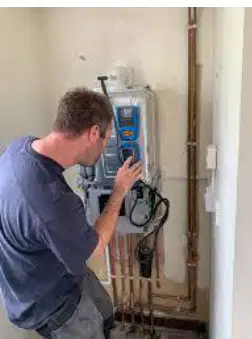
What is the primary role of a gas installation engineer?
To install, service, repair, and maintain gas-fired appliances in commercial and domestic settings
To design electrical circuits for buildings
To manage construction sites
To install water supply systems only
Which of the following appliances might a gas installation engineer work on in a domestic setting?
Hobs, ovens, boilers, fires, and heaters
Air conditioners and refrigerators
Solar panels and wind turbines
Elevators and escalators
At what level do gas installation engineers typically begin their training before specializing in gas?
Level 2 plumber
Level 1 electrician
Level 4 technician
Level 5 supervisor
Explain why it is important for gas installation engineers to specialize at Level 3 after starting as a Level 2 plumber.
Specializing at Level 3 provides advanced knowledge and skills needed to safely handle gas appliances, which are more complex and potentially hazardous than general plumbing tasks.
It allows them to work on electrical systems.
It is required to become a building manager.
It is necessary to work in the food industry.

