
Font size
 Worksheets
Water Cycle
Total questions: 23
Worksheet time: 2hrs 55mins

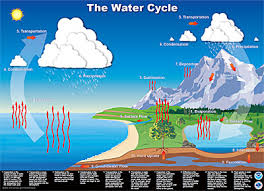
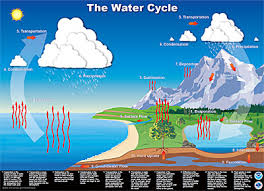


Transpiration
the process in which a liquid turns to a gas
the giving off of water vapor by plants
to unload or empty the contents of something
the repeated changes that water goes through on the earth; includes precipitation, evaporation, condensation and collection
What causes condensation?
is not part of the water cycle
water vapor does not change and becomes a liquid
water vapor heats up and becomes a liquid
water vapor cools and becomes a liquid
Water in its gas form is called ____________________,
water vapor
precipitation
ice
air
Gravity causes ___________________ to occur.
condensation
precipitation
evaporation
none of the above
This provides the energy to keep the water cycle running.
The Sun
The Earth
The wind
living things

The Sun heats up Earth's water through which thermal energy transfer?
Conduction
Convection
Radiation
None of the above
Where water can be stored underground
Biosphere
Aquifers
Precipitation
Crystals
Which of Earth's systems can water be found? (Choose all that apply)
Atmosphere
Biosphere
Geosphere
Hydrosphere
Crystallization describes the process in which
water turns to water vapor
water turns to snow
snow melts
water falls from the atmosphere
Conduction happens in the water cycle when...
When the sun warms the earth. It's the source of energy for evaporation is mostly solar.
heat transfers from molecule to molecule. It happens the water cycle takes place very close to the ground as one air molecule warms and touches another air molecule, giving off some of its heat to the other. This can be a very slow process in the atmosphere.
the mass transfer of heat from one place to another. It happens as a group of heated molecules moves to another location taking the heat with them. It's when the air near the surface is heated, then rises taking heat with it.
None of these
Convection happens in the water cycle when...
When the sun warms the earth. It's the source of energy for evaporation is mostly solar.
heat transfers from molecule to molecule. It happens the water cycle takes place very close to the ground as one air molecule warms and touches another air molecule, giving off some of its heat to the other. This can be a very slow process in the atmosphere.
the mass transfer of heat from one place to another. It happens as a group of heated molecules moves to another location taking the heat with them. It's when the air near the surface is heated, then rises taking heat with it.
None of these
Radiation happens in the water cycle when...
When the sun warms the earth. It's the source of energy for evaporation is mostly solar.
heat transfers from molecule to molecule. It happens the water cycle takes place very close to the ground as one air molecule warms and touches another air molecule, giving off some of its heat to the other. This can be a very slow process in the atmosphere.
the mass transfer of heat from one place to another. It happens as a group of heated molecules moves to another location taking the heat with them. It's when the air near the surface is heated, then rises taking heat with it.
None of these

