
 Worksheets
5.5 Periodic Table Arrangement
Total questions: 22
Worksheet time: 16mins
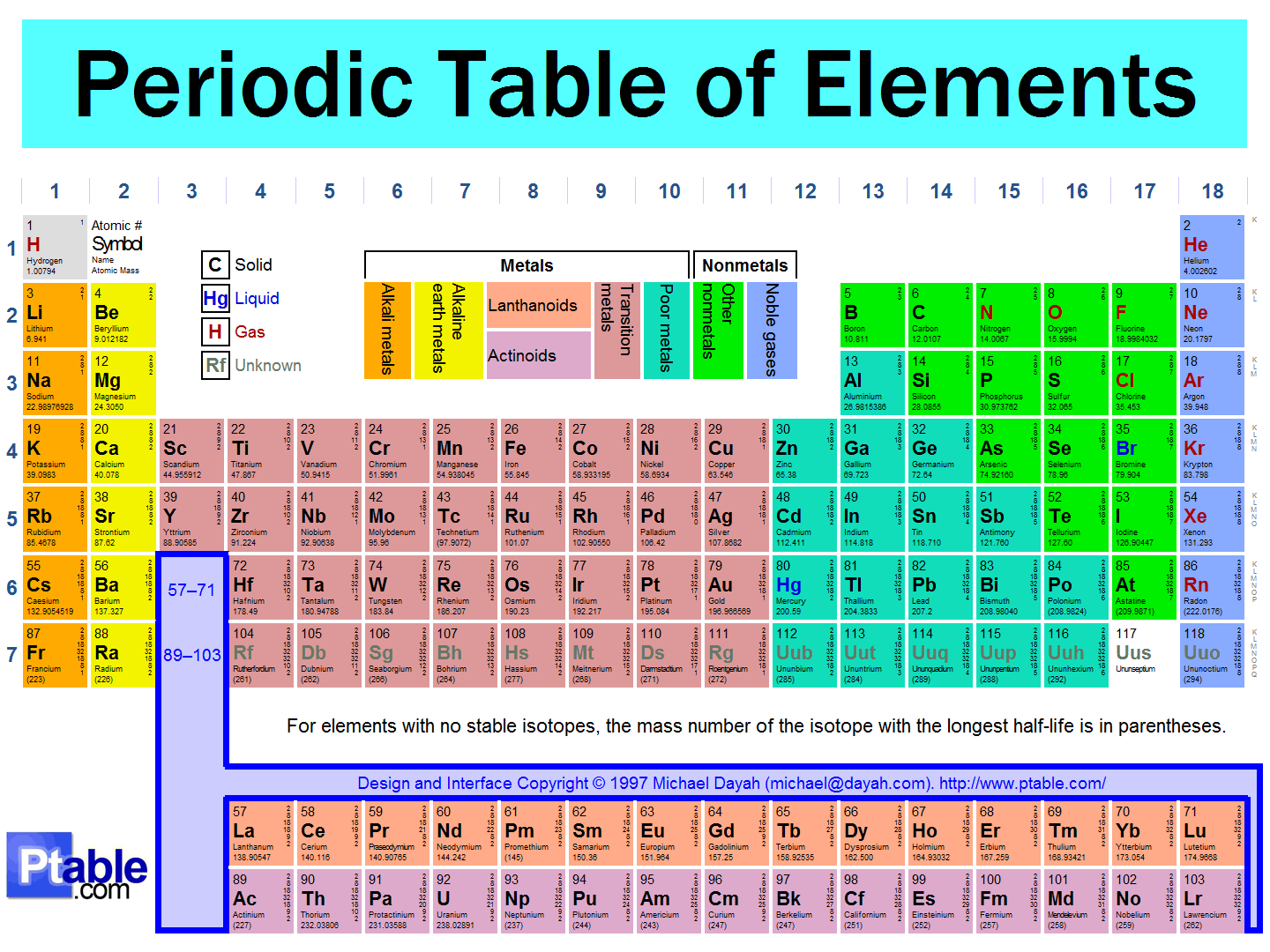
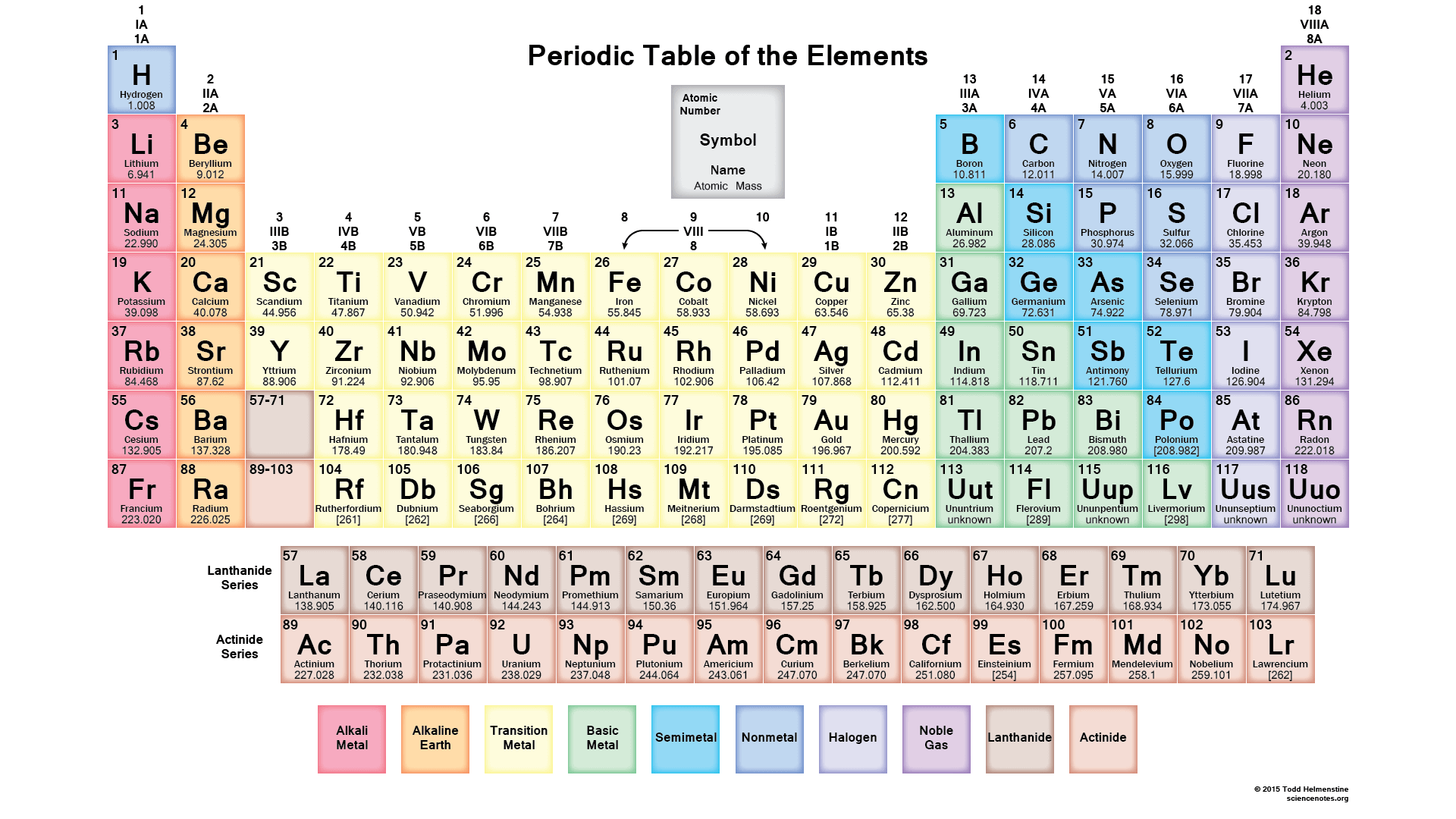
Atomic number of Silicon is 14. What group is Silicon in on the periodic table?
Group 4
Group 3
Group 14
how many groups/families are on the table
15
16
17
18
Atomic number of boron is 5. State the correct position for boron.
Group 3, period 1
Group 3 , period 2
Group 13, period 2
Group 15,period 2
Atomic number of potassium is 19. State the correct position for potassium
Group 11, Period 4
Group 4, Period 1
Group 19, Period 4
Group 1, Period 4
Elements in the Periodic Table of Elements are arranged in
decreasing atomic numbers
decreasing atomic sizes
increasing atomic number
increasing mass
What does the group number tell you on the periodic table?
total electrons
protons
valence electrons


Elements which are shiny, malleable, and good conductors of electricity and heat are called
metals
nonmetals
metalloids

The atoms along the staircase are called
metals
nonmetals
metalloids
noble gases

This element has two valence electrons and two energy levels?
Beryllium (Be)
Lithium (Li)
Zinc (Zn)
Calcium (Ca)

Elements which are dull, brittle, and poor conductors of electricity and heat are called...
metals
nonmetals
metalloids

The atoms on the right of the staircase are called
metalloids
non-metals
metals
noble gases
Found in group 18 of the periodic table; non-reactive nonmetals
Alkali Metals
Alkaline Earth Metals
Halogens
Noble Gases
Which element has 12 total electrons?
Fluorine
Magnesium
Chlorine
Sulphur
Which group number are the alkaline earth metals?
group 1
group 2
groups 3-12
groups 17
Which group number are the alkali metals?
group 1
group 2
groups 3-12
groups 17
Which group number are the halogens?
group 1
group 2
groups 3-12
groups 17
Which group is the most reactive nonmetals?
group 1
group 2
groups 3-12
groups 17
Which group is the most reactive metals?
group 1
group 2
groups 3-12
groups 17

