
 Worksheets
Unit 1: Solids, Liquids and Gases
Total questions: 46
Worksheet time: 26mins
Any substance that has mass and occupies space is called____________________
atom
matter
volume
The air you breathe is in which state?
gas
liquid
solid
Matter exist in _________________states.
Two
Three
Four
Five
What can you use to measure the volume of a liquid


Which of these is a solid?


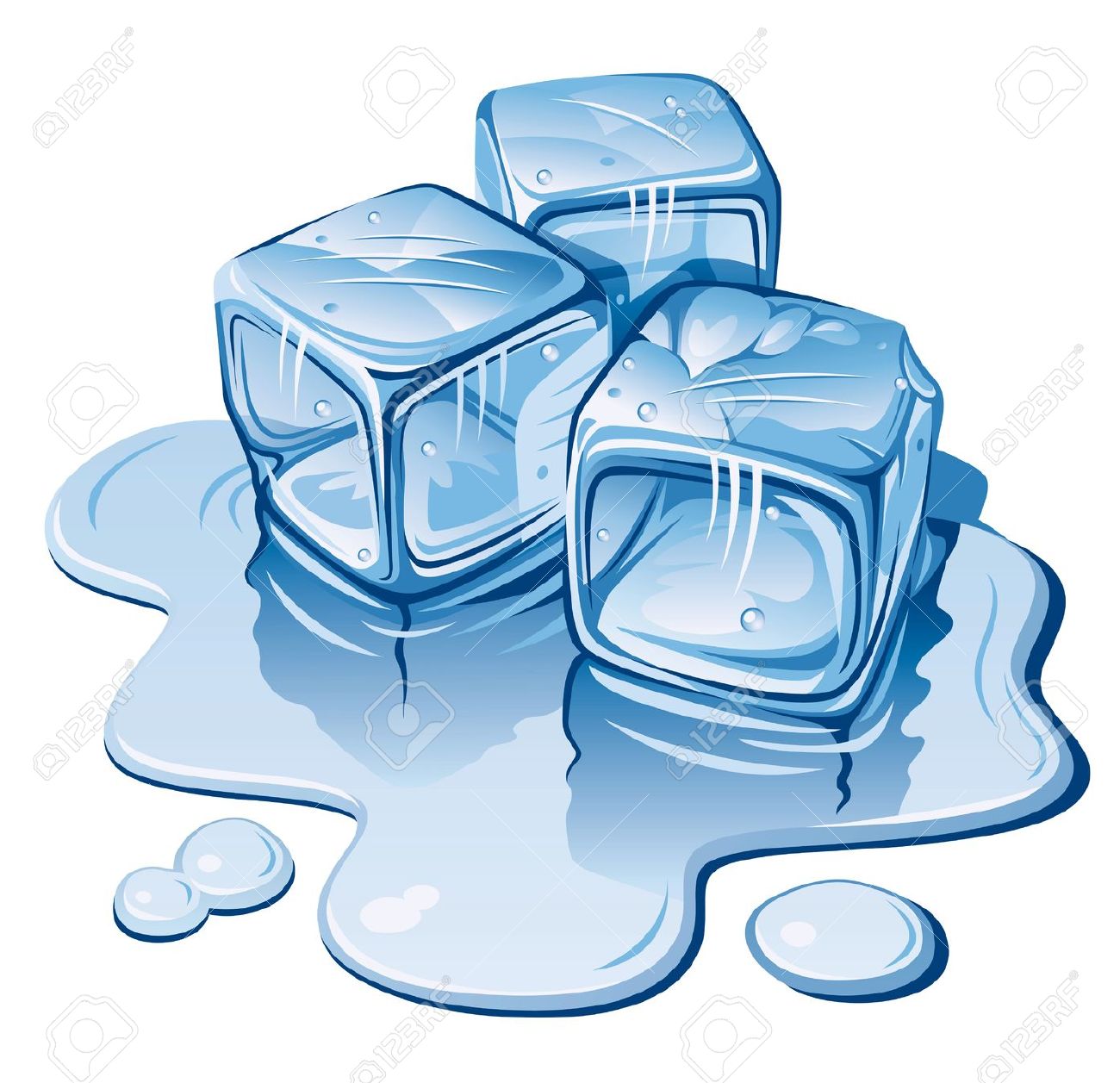
Are ice cubes a solid, liquid, or gas?
(a)
Which state of matter has tightly packed molecules?
Solid
Liquid
Gas
Which state of matter has particles that slide past each other and has a definite volume?
Solid
Liquid
Gas
Molecules are closest together in a (a)

Which thing in this picture represents a gas?
the water
the cup
the bubbles
oxygen is...
a solid
a liquid
a gas
Which state of matter can be easily compressed (squashed)?
solids
liquids
gases
Solids, Liquids, Gases
In which state of matter are molecules moving the slowest?
solid
liquid
gas
all of the above
Solids, Liquids, Gases
Which of the following causes a solid to change to a liquid?
the freezing point
evaporation
cold
heat
Solids, Liquids, Gases
What point has water reached when it turns from a liquid to a solid?
its boiling point
its melting point
its freezing point
its heating point
Solids, Liquids, Gases
What occurs when a liquid turns to a gas?
condensation
evaporation
the molecules move slower
the molecules hit their freezing point
Solids, Liquids, Gases
In which state of matter are molecules moving the fastest?
solid
liquid
gas
molecules move equally fast in all states of matter
Solids, Liquids, Gases
What happens when water reaches its boiling point?
it turns from a liquid to a solid
it turns from a solid to a liquid
it turns from a liquid to a gas
it turns from a gas to a liquid
What is the process called when a solid changes to a liquid?
Freezing
Evaporation
Melting
Condensation
What is the process called when a gas turns into a liquid?
Condensation
Melting
Freezing
Evaporation
What step of the water cycle occurs when liquid water changes into water vapor?
precipitation
accumulation
condensation
evaporation
The sun is the source of energy for the water cycle.
True
False
Condensation occurs when water vapor_____________.
heats up and becomes liquid water
cools off and becomes liquid water
freezes and becomes ice
rains on the land
The Earth can make new water, we just have to wait long enough for the cycle to be over.
True
False
Which of the following are forms of precipitation? Click ALL that apply.
Rain
Snow
Dew
Hail
Which of the following is an example of condensation?
Water boiling on a stove
Puddles on the sidewalk after a hard rain
water droplets on the outside of a cold drink
Snow falling in Colorado
Check all the boxes that are true.
Over 70% of Earth is covered in water
All living things need water to survive
Most of the water on Earth is freshwater/drinkable
We are drinking the same water that the dinosaurs drank millions of years ago
Condensation creates-
Clouds
Precipitation
Ground water
Evaporation

Which part of the water cycle does the white arrow represent?
Condensation
Accumulation
Evaporation
Precipitation
Rain, snow, sleet, or hail that falls from clouds in the sky
Precipitation
Condensation
Sun
Evaporation
Liquids keep their shape.
false
true
Gases keep their shapes and spread out.
true
false
When enough heat is added to matter it will_____.
freeze
thaw
melt
rain
If you freeze water, what state will it be in?
liquid
gas
solid

The helium in this ballon is___?
a solid
a gas
a liquid
We can smell perfume in the nearby room because
molecules of perfumes are very loosely packed and flow easily
it has been sprayed in the nearby room
your nose is too sensitive
none of these
Tick 4 gases found in air
Oxygen
Nitrogen
Radon
Carbon Dioxide
Water Vapour

