
 Worksheets
Chorus -- ALL THINGS!
Total questions: 164
Worksheet time: 2hrs 4mins
Complete the following using Solfege syllables: Do re mi fa sol,
ra mi do
ma te do
la ti do
ti la do
What is the order from the LOWEST to the HIGHEST of choral parts?
Alto- Soprano- Tenor- Bass
Tenor- Bass- Alto - Soprano
Soprano- Alto- Tenor- Bass
Bass - Tenor - Alto - Soprano
Which term is used for the speed of the beat?
Dynamics
Tempo
Timbre
Crescendo
A cappella means
to sing
to sing slowly
to sing alone
to sing without instruments
The volume in music is called:
Dynamics
Timbre
Tempo
Fermata
UNISON means:
Everyone sings the same notes and rhythm
Everyone sings different notes but the same rhythm
Everyone sings the same notes but begin at different times
Only two voice parts sing the same rhythm but different notes.

Which voice parts sing at the beginning of this piece?
Soprano and Alto
Tenor and Bass
Alto and Tenor
Soprano and Tenor

This note is called a __________.
Half note
Whole note
Eighth note
Sixteenth note

This note is called a _______.
Sixteenth note
Eighth note
Half note
Whole note

These notes are called ______.
2 half notes
2 quarter notes
2 sixteenth notes
2 eighth notes

This note is called a ________.
Whole note
Half note
Quarter note
Eighth note

This symbol is called a fermata, and it means the singer should _______.
take a breath
hold the note until the conductor cuts you off
skip the note
sing louder

This symbol means the singer should ______.
sing loudly
sing softly
gradually sing louder
gradually sing softer

This symbol means the singer should _______.
sing loud
sing soft
gradually sing louder
gradually sing softer
Ensembles have to ___ and be ___.
Blend/Balanced
Sing/Loud
Perform with good tone/good
Practice/SWAG
Harmony is
Two people singing together
The part of the song everyone sings
The musical line that complements the melody
Singing higher than everyone else
A dynamic marking that means "loud" or "strong".
4/4 time
phrase
forte
mezzo forte
A dynamic marking that means to gradually get louder.
crescendo
mezzo forte
piano
tie
A dynamic marking that means "medium loud".
eighth note pair
mezzo forte
mezzo piano
ritardando
A dynamic marking that means "soft" or "quiet".
crescendo
half note
piano
tie
A dynamic marking that means "medium soft".
dotted quarter
mezzo forte
mezzo piano
single eighth note
The relationship of a voice to those around it in a choir.
Blend
Form
Ensemble
Tone
Very Quiet
Pianissimo
Forte
Fortissimo
Mezzo Piano
Clear pronunciation of the text
Mezzo Forte
Diction
Crescendo
Fine
Accuracy of pitch
Melody
Largo
Intonation
Harmony
Which hand sign represents Fa?


What are the solfège names for these hand signs?
La-Ti-Do
Do-Mi-Do
Re-Mi-Do
Do-Re-Mi

Which hand sign is shown here?
Re
Ti
La
Mi

What are the solfège names for these hand signs?
Do-Re-Mi
Do-Mi-Do
Do-Re-Do
Do-Ti-La
Which is Sol - Mi - Sol?
(Numbers in these pics show order of
hand signs not pitch numbers)


What is a musical staff?
5 lines and 4 spaces where notes are written
Lines that divide measures
The numbers at the beginning of the music that help you know how many beats there are per measure

How many beats does the note shown below receive?
1
2
3
4
What is the purpose of a bar line in music?
To tell you where the notes should be written
To end the music
To separate the measures of music

How many measures are in the given musical example?
2
4
6
8

How many beats does the following note receive?
1
2
3
4

What kind of note is this?
quarter note
half note
whole note
What do the spaces in the treble staff spell?
F A C E
E G G
D A D
B A D

What kind of rest is shown here?
half rest
whole rest
quarter rest

Is the whole rest located on the left or the right?
left
right

Name the symbol.
Repeat Sign
Time Signature
Breath Mark
Double Bar
What does "mezzo" mean?
more
medium
moldy
mimic

What are these numbers examples of?
Rhythms
Tempos
Time Signatures
Dynamics
Which picture means to sing the notes short and choppy?


Which picture means to play the notes smooth and connected?

Slur or tie?
Slur
Tie
Which of the following are characteristics of good singing posture?
Feet together, arms folded, and shoulders slumped
Feet apart, arms folded, and shoulders tight
Feet together, arms at your sides, and shoulders high
Feet flat on the floor, arms at your sides, shoulders relaxed, and knees slightly bent
If I want my diction to be clear and understood, ______, ______, and ______ will help it to be good.
Lips
Teeth
Eyeballs
Fingers
Tip of tongue

Define the following dynamic:
pp
very soft
soft
moderately loud
loud

Name the following rest:
quarter rest
half rest
whole rest
eighth rest

How many beats are in the musical equation shown?
4
3
2
1
What is the definition of harmony?
Short and long sounds and silences
Multiple notes happening at once
The tune of a song
What is the name of the five lines and four spaces that music is written on?
bar line
clef
note
staff
What is the definition of a tie?
Adds the values of two notes together
Indicates to play the notes smoothly and connected, extending a word among more than one note


Draw a Whole Note

What day is our spring concert?
June 1st
May 20
May 30
June 17
What is the term for a female singer with a strong, high range?
alto
tenor
soprano
bass
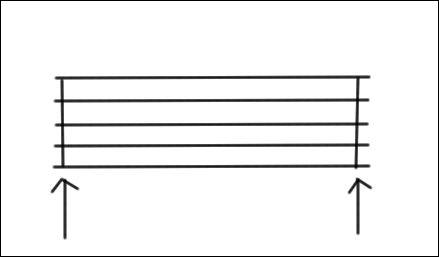
What are the names of the symbols to which the arrows are pointing?
Measures
Double Barlines
Barlines
Staff
A system of hand signs and singing syllables used to learn pitches or scales.
staff
solfege
blend
time signature

What is this hand sign for?
re
mi
ti
sol
What is the order of SOLFEGE?
DO, MI, RE, FA, LA, SOL, TI, DO
DO, TI, LA, SOL, FA, MI, RE, DO
DO, RE, MI, FA, SOL, LA, TI, DO
DO, RE, MI, FA, SOL, TI, LA, DO
Two or more notes sounding together are...
Melody
Harmony
Rhythm
Form
What is the term for a male singer with a low vocal range?
alto
tenor
soprano
bass
What is the name of the person who directs the choir?
composer
conductor
arranger
director
What is the term for a female singer with a low vocal range?
alto
tenor
soprano
bass/baritone
When you stand to sing, how should you position your feet?
close together
slightly apart
one foot crossed over the other
feet lifted slightly
What is the term for a male singer with a high vocal range?
alto
tenor
soprano
bass

Whole note

Half Note

Quarter Note

8th Note

16th Note
The highest vocal range.
Soprano
The speed of the music.
Tempo
Two or more voices singing at the same time with different pitches.
Harmony
Voices singing the same pitches.
Unison
Singing loud or quiet.
Dynamics
What does posture mean when singing?
How to stand
How to sing
How to breathe
How to perform
What is a vocal range?
How loud or quiet somebody can sing
How fast or slow somebody can sing
How high or low somebody can sing
How in tune somebody can sing

What are dynamics?
How high or low
How loud or quiet
How fast or slow
The foundation for good choral singing begins with
good pots and pans
good typing skills
good posture
goodness gracious
A note.
Is silent.
Makes sound.
Which is Treble Clef ?


A REST in the score means:
Take a nap
Stop
Relax
Don't sing

How many beats are there in each measure of a 4/4 time signature?
1 beat in each measure
2 beats in each measure
3 beats in each measure
4 beats in each measure

How many beats are in each measure of a 2/4 time signature?
1 beat in each measure
2 beats in each measure
3 beats in each measure
4 beats in each measure
Which music symbol is called a Bass Clef?


What kind of vowels do we sing with?
East/West
North/South

What are the solfège syllables?
do re
do do
do mi
do sol

What are the solfège syllables?
do re re re
do mi sol mi
do re mi re
do re mi mi

Cal son as sílabas do solfexo?
do do re do do
do re mi fa sol
do re re re do
do re mi re do

What are the solfège syllables?
do re mi
do mi sol
do re mi sol
do mi fa sol

Which part of a note is arrow 1 pointing to?
Note Head
Stem
Flag
Beam

What part of the note is arrow 3 pointing to?
Note-Head
Stem
Flag
Beam

Which part of the note is arrow 2 pointing to?
Note-Head
Beam
Flag
Stem
What is your favorite thing about Chorus?
If you could change one thing about Chorus, what would it be?
What do you hope to gain or learn in Chorus?
What are some qualities of a model chorus student?
What kind of music do you like to sing?
Do you feel connected to anyone in Chorus? If so, list their first names.
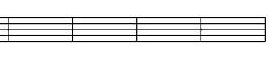
What is this called?
Bass Clef
Staff
Treble Clef
Half Note
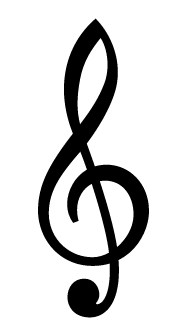
What is another name for the Treble Clef?
A Clef
G Clef
B Clef
D Clef

What is the name of this symbol?
Sharp
Flat
Natural
Fermata

Which symbols indicate pitch and duration?
Notes
Rests
Treble Clef
Staff


Volume
The speed of sound in air.
The loudness or softness of the voice.
The frequency of a sound wave.
The pitch of a musical note.
Pitch
The speed of sound waves.
The highness or lowness of the voice.
The volume of a sound.
The quality of a musical note.
Tone
The quality or character of the voice that conveys attitude or emotion.
A musical note that indicates pitch.
A type of color used in painting.
A method of communication that involves gestures.
Projection
The ability to sing at a high pitch.
The strength of speaking or singing so that the voice is audible to the audience.
The technique of whispering to convey a secret.
The act of speaking softly to create intimacy.
Why do we need good posture for singing?
To improve the quality of your singing
To help with your breathing
A and B only
None of the above
How should you position your knees if you are standing properly?
locked
unlocked
bend greatly
none of the above
An expanded ribcage helps you ________________ better when you sing.
breathe
hear
move
all of the above
When demonstrating good posture, shoulders should be relaxed and hands should be at your side.
true
false
Your vocal cords vibrate when air passes through your throat. True or False
true
false
Your vocal cords are very __________ muscles.
small
large
medium
tiny
We use our vocal cords for speaking and singing.
true
false

We use hand signs when we sing because:
our teacher says we have to
using hand signs helps us visualize the pitches in relation to each other
we like to look silly when we sing
they are secret signals only musicians know
What syllable is missing from this stepping pattern?
Do ____ Mi Fa Sol
La
Ti
Re
Mi

A measure is the block of music between two _____.
barlines
singers
spaces
notes

How many beats per measure does this time signature indicate?
2
8
16
4
The foundation for good choral singing begins with
Good posture
Range
Ability to memorize
A choir is a group of ____________.
guitar players
singers
chefs
children
A ___________ is another name for a choir.
Band
Violin
Chorus
Camera
The leader of the choir is called a ____________.
King
Queen
principal
director
Members of a choir must __________ their voices with other singers. That means no one’s voice should stand out more than the others.
blend
sing
play
seperate
The names of men's voice parts are:
soprano
tenor
bass
really low
The two women's voice parts are:
mezzo
high
alto
soprano
_____________ means performing using only voices and/or body percussion.
Vibrato
Acapella
Chorus
Blend
head voice
lower, richer part of the female voice
higher, lighter part of the female voice
shouty voice used outdoors
whisper voice
Chest voice
Higher, lighter part of female voice
Whisper voice
Lower, richer part of female voice
To clear your throat
low breath
to sing in the lowest voice
to hold your breath
light, shallow breath
deep breath that expands the rib cage
interval
the inside of your lungs
the distance between two notes
unison
to move by half steps
Staggered breath
Breathing all at the same time
Breathing on a rest
Breathing as quietly as possible
Random breathing in a song so it appears that no one is breathing during a phrase
articulate / enunciate
to sing or speak words clearly
to mumble
to march in time
to be artistic
Ensembles have to ___ and be ___.
Blend/Balanced
Sing/Loud
Perform with good tone/good
Practice/SWAG
Harmony is
Two people singing together
The part of the song everyone sings
The musical line that complements the melody
Singing higher than everyone else
A dynamic marking that means to gradually get louder.
crescendo
mezzo forte
piano
tie
A dynamic marking that means "medium loud".
eighth note pair
mezzo forte
mezzo piano
ritardando
A dynamic marking that means "loud" or "strong".
4/4 time
phrase
forte
mezzo forte
A dynamic marking that means "soft" or "quiet".
crescendo
half note
piano
tie
A dynamic marking that means "medium soft".
dotted quarter
mezzo forte
mezzo piano
single eighth note
All voices sing the same thing at the same time.
solo
divisi
unison
system
Very Quiet
Pianissimo
Forte
Fortissimo
Mezzo Piano
Very Loud
Forte
Pianissimo
Fortissimo
Mezzo Forte
Accuracy of pitch
Melody
Largo
Intonation
Harmony
Forte means...
loud
soft
a pitch by a 1/2 step
notes in original form
A sharp raises ...
a pitch by a 1/2 step
a very loud sound
the time or speed
a very soft sound
A flat...
lowers a pitch by a 1/2 step
raises a pitch by a 1/2 step
softens a sound
makes a sound louder
Baritone?
a HIGH range of the female voice
a male voice range between tenor and bass
a LOW range of the female voice
a HIGH range of the changed male voice
a LOW range of the male voice
Deep, full-quality sound
Resonance
Articulation
Projection
Vocal Variety
Sound formed by the combination of two vowel sounds.
Expression
Diction
Vowels
Diphthong
Correct order of the dynamic levels from LOUDEST to SOFTEST.
Piano, Mezzo Forte, Mezzo Piano, Forte
Forte, Mezzo Forte, Mezzo Piano, Piano
Forte, Piano, Mezzo Forte, Mezzo Piano
Mezzo Forte, Forte, Mezzo Piano, Piano
Falsetto/Head Voice
The distance between two notes
The lower range of a female singer (second highest in a four-part arrangement)
The higher range of the voice, produced by partial use of the vocal cords (resulting in a more airy sound)
Notes that are in the key signature
Belting
Two notes sound the same, but have different names (A#=Bb)
A melody containing stepwise motion
The notes of a chord are sung or played simultaneously in the same rhythm
A loud singing style used in pop, rock, and Broadway music that utilizes the top range of the chest voice
Smoothly
Legato
Staccato
Allegro
Fermata
Becoming faster
Accelerando
Andante
Crescendo
Decrescendo

Fortissimo
Loud
Very Loud
Medium Loud
Soft Loud

Flat
raises the pitch by 1/2 step
raises the pitch by a whole step
lowers the pitch by 1/2 step
lowers the pitch by a whole step
Performers singing the same part are divided to sing different parts.
Divisi
Dal Segno
Accent Mark
Coda
Three or more notes sounded together
A Cappella
Coda
Divisi
Chord
A particular pattern of beats in a piece of music
Tempo
Release
Rhythm
Phrasing
The clarity with which one pronounces words when speaking or singing
Blend
Energy
Diction
Attack

