
Font size
 Worksheets
Biomolecules - carbohydrates, fats & proteins
Total questions: 28
Worksheet time: 16mins
Lipids are examples of polymers.
True
False
What are the element(s) found in all three type of biomolecules - carbohydrates, proteins and lipids.
carbon
hydrogen
oxygen
nitrogen
Which is NOT a function of lipid?
Forms cell membrane
Storage of energy
Forms transport molecules in cell membrane
Forms hormones
Which is NOT a function of protein?
Forms enzyme which can speed up chemical reactions in cells
Forms the cell wall for structural support
Forms muscles which allows for movement
Forms antibodies which help to fight infection
Which is NOT a function of carbohydrates?
energy storage
cushioning of organs and tissues
structural components of cells
important “materials” for building other biomolecules

The following is an example of a dehydration reaction.
True
False

Identify this biomolecule.
fatty acid
phospholipid
polysaccharide
triglyceride

Identify this biomolecule
triglyceride
polysaccharide
phospholipid
fatty acid
This is an example of a saturated fatty acid.
True
False

What is the type of biomolecule shown in the diagram?
Carbohydrate
Lipid
Protein
Nucleic acid
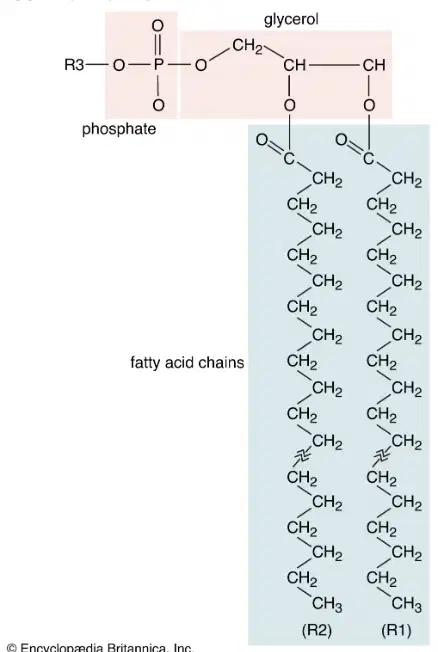
What is the biomolecule shown in the diagram?
Protein
Triglyceride
Phospholipid
Cholesterol
Cellulose
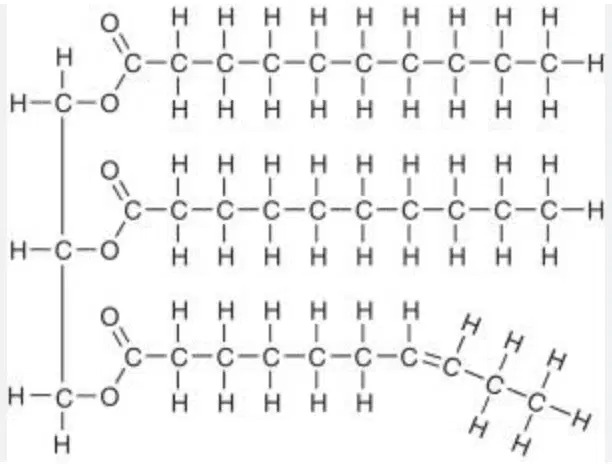
Identify the biomolecule shown in the diagram.
Cellulose
Cholesterol
Protein
Phospholipid
Triglyceride
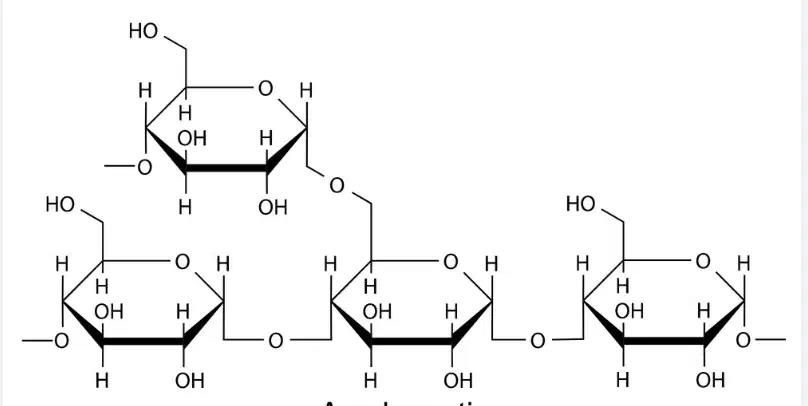
Identify the biomolecule shown in the diagram.
Cellulose
Starch
Protein
Triglyceride
Cholesterol
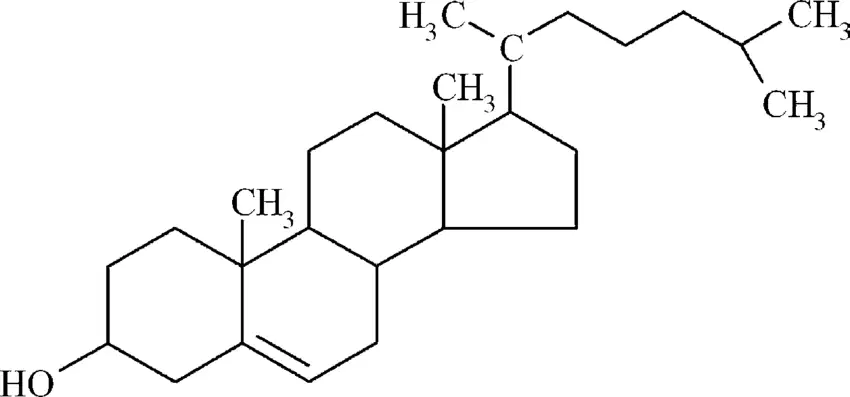
Identify the biomolecule shown in the diagram.
Cellulose
Cholesterol
Protein
Phospholipid
Triglyceride
Which is a monomer for cellulose?
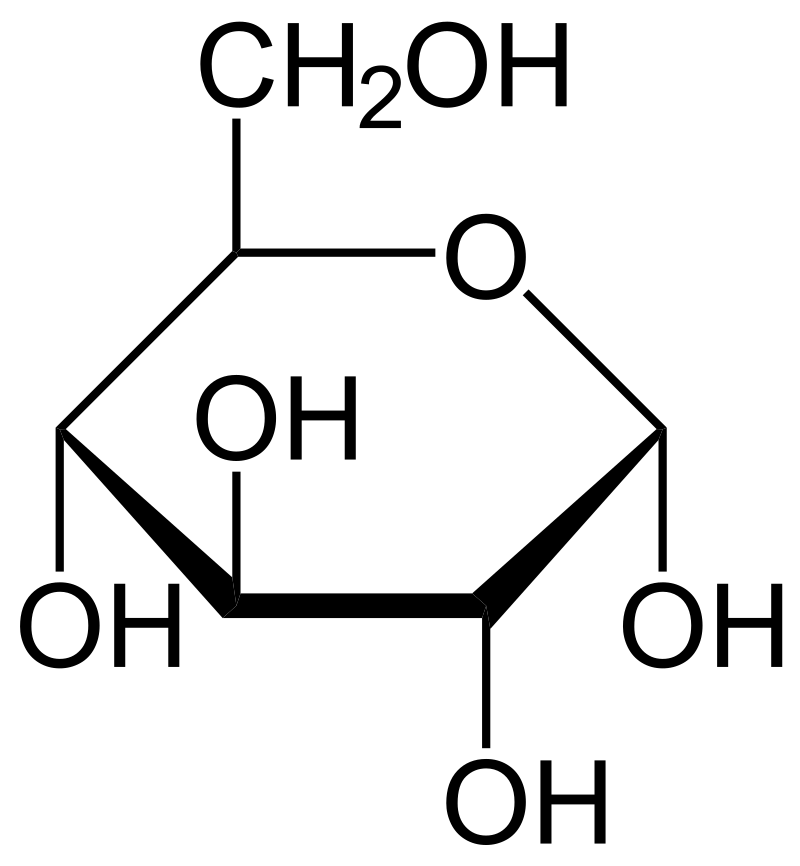
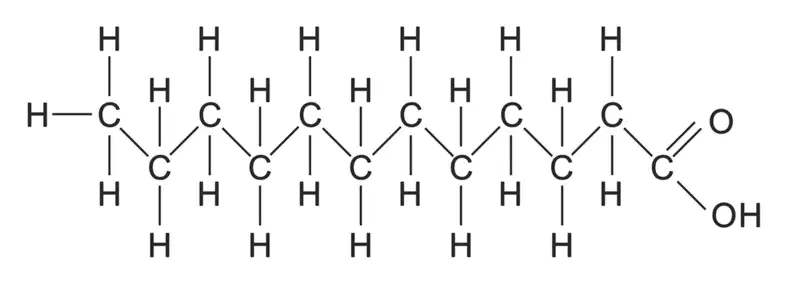
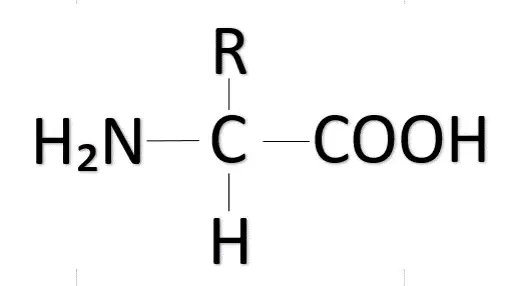
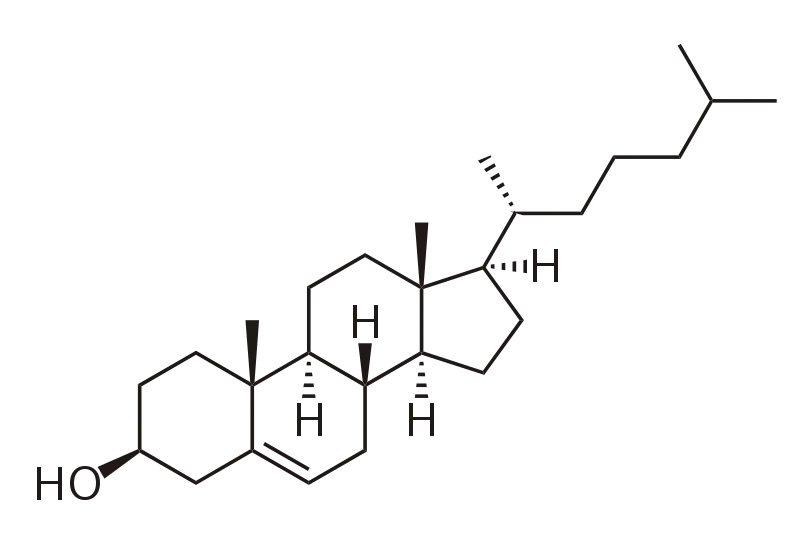
Which is a monomer for keratin? (hint: recall keratin is what kind of biomolecule)
The diagram shows a polypeptide. How many peptide bonds are shown in this polypeptide?
1
2
3
4
5
How many amino acid residues are shown in this polypeptide?
1
2
3
4
5
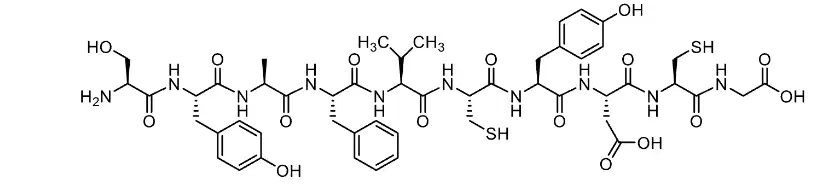
The diagram shows a polypeptide. How many peptide bonds are shown?
6
7
8
9
10
How many amino acid residues are shown?
6
7
8
9
10

The diagram shows the ____ structure of a protein.
primary
secondary
tertiary
quaternary
Which bond(s) is/are involved in the primary structure of a protein?
Ionic bonds
Hydrogen bonds
Van der Waals interaction
Disulfide bonds
Peptide bonds
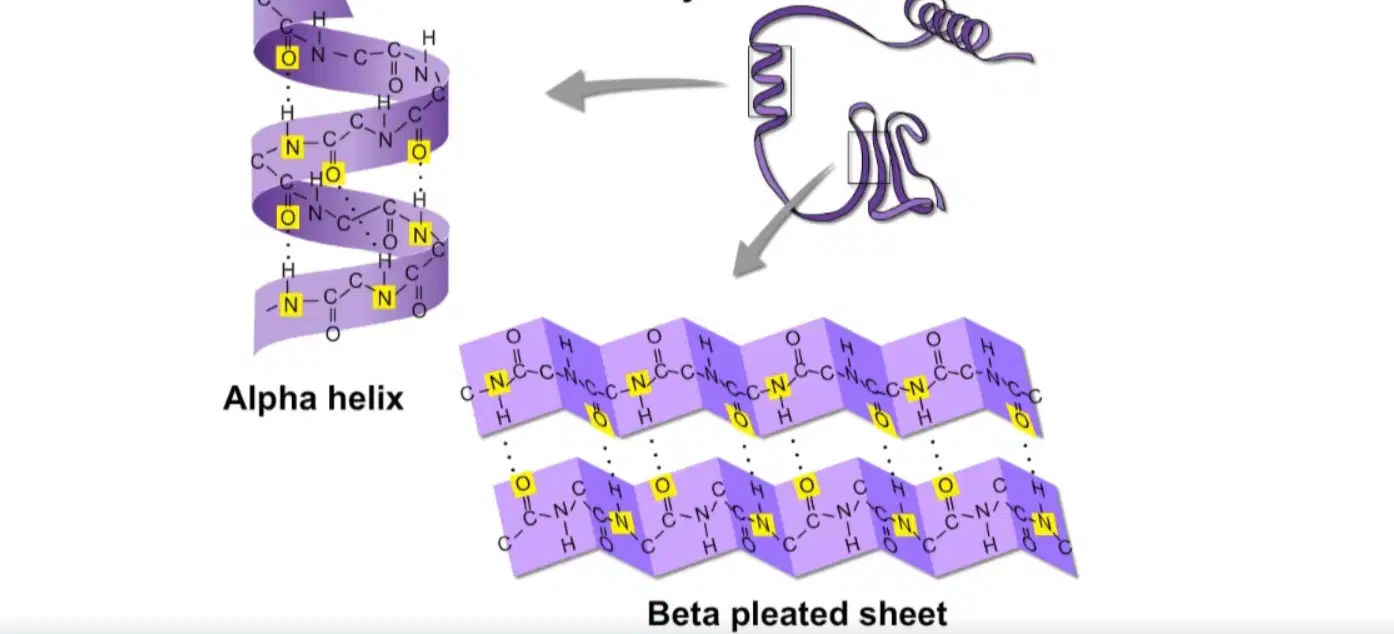
The diagram shows the ____ structure of a protein
primary
secondary
tertiary
quaternary
Which bond(s) is/are involved in the secondary structure of a protein?
Ionic bonds
Hydrogen bonds
Van der Waals interaction
Disulfide bonds
Peptide bonds
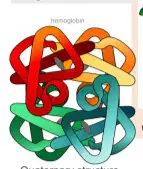
The diagram shows an example of a ____ structure of a protein.
primary
secondary
tertiary
quaternary
Which bond(s) is/are involved in the tertiary structure of a protein?
Ionic bonds
Hydrogen bonds
Van der Waals interaction
Disulfide bonds
Peptide bonds
Which bond(s) is/are involved in the quaternary structure of a protein?
Ionic bonds
Hydrogen bonds
Van der Waals interaction
Disulfide bonds
Peptide bonds
Which of the following are correct about protein denaturation?
Protein loses its 3D shape.
Peptide bonds are broken
Hydrogen bonds, ionic bonds are broken.
Protein loses its function.
Process is reversible.

