
Font size
 Worksheets
Evidence of Chemical Reaction/Change
Total questions: 71
Worksheet time: 38mins
What does the P in PUFART stand for relating to chemical changes?
Produce
Precipitate
Plain
Pineapple
What does the U stand for in PUFART related to chemical changes?
Unexpected Color Change
UFO
Universal
Unique
What does the F in PUFART stand for related to chemical change?
Fake
Full
Fizzing or Bubbling
Fun
A chemical change will always result in -
Color change
A new substance being made
Breaking of an object
Temperature change
How do you know that rusting is a chemical change?
it's a physical change
color change
production of gas and temperature change
A granular substance is added to a liquid. Which of the following would provide evidence to suggest a chemical change has taken place?
The liquid gives off heat.
The granules dissolve completely.
The volume of the liquid increases.
The granules seem to get smaller.
When two substances are mixed, they might form a new substance. Which of the following would indicate that a new substance has been formed?
The temperature of the mixture decreases.
The volume of the mixture increases.
The mass of the mixture increases.
One of the substances dissolves.
A student mixes two clear liquids together. After a few minutes, a white powder can be seen settling on the bottom of the test tube. Which of the following is a conclusion that the student can draw based on these observations? The two clear liquids -
have combined to produce a new substance.
were pure substances before they were mixed.
are toxic and should be handled with extreme caution.
have been stored too long and are no longer good.
Which of the following characteristics is shared by all chemical reactions?
Produce a precipitate
Show a color change
Release heat energy
Form new substances
A student added white crystals to a clear liquid. The crystals dissolved in the liquid. After a few seconds, the liquid became quite warm and then turned bright red in color. The first indication that a chemical change was taking place could be observed when -
the crystals were added to the liquid.
the crystals dissolved in the liquid.
the temperature of the liquid increased.
the color of the mixture changed.
All of the following are evidence of a chemical change EXCEPT -
change in state of matter.
formation of a gas.
color change.
precipitate forms.
If we have any substance, it can be concluded that a chemical change has happened if -
there is a color change.
the state of matter changes.
there is a decrease in mass.
the matter is stirred thoroughly.
Which of the following would indicate the formation of a new substance?
A liquid turns to a solid
A sample of metal melts
Bubbles and fizzing occur
A solid dissolves in a liquid
Bubbles quickly appear but then they disappear and there is no solid in the final observation.
physical change
chemical reaction
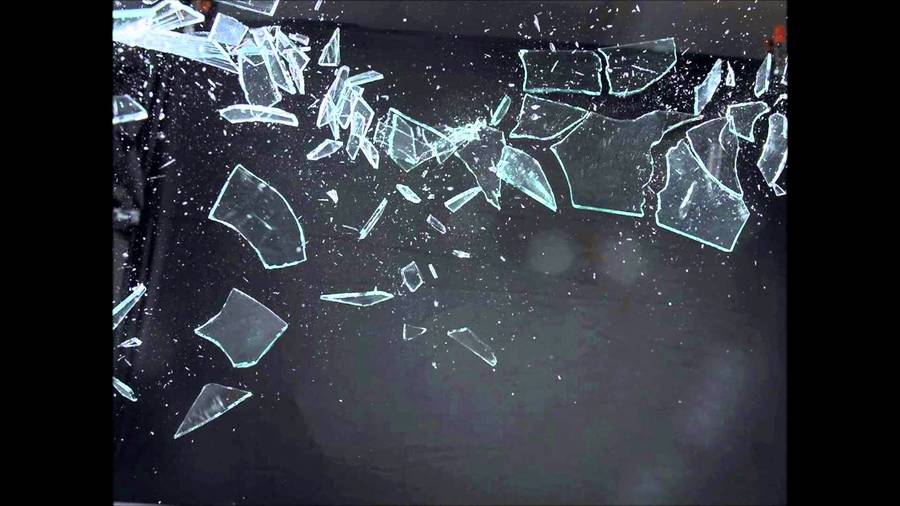


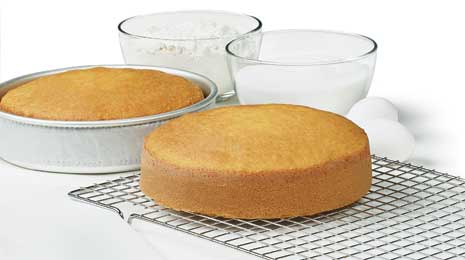
Which of the following is an example of physical change?
Mixing baking soda and vinegar together, and this causes bubbles and foam.
A glass cup falls from the counter and shatters on the ground.
Lighting a piece of paper on fire and the paper burns up and leaves ashes.
Baking a birthday cake for your mother.
When a new substance is formed with different properties than the original substance it is called a
Chemical change
Physical change
Freezing
Boiling
The statue of liberty turning green is an example of a _____________.
physical change
painting
chemical change
a statute become old
A change that results in the formation of new chemical substances
chemical change
physical change
A student mixes yellow powder with water. Which observation would prove a CHEMICAL change occurred?
The powder DISSOLVED in the water
The water turned the COLOR yellow
The bag's TEMPERATURE changed
The STATE OF MATTER changed
Which of the following options provides evidence of a CHEMICAL change?
Wood is burned releasing ash and smoke
Rocks separate when soil is sifted
Boiling water bubbles when heated
Salt dissolves in water
Which observations prove a chemical change occurred
Dissolving and expected color change
Mixing and dissolving
State of matter change and boiling water bubbles
Unexpected color change and temperature change
Which word matches the definition "two liquids make a solid"
pre-color
precipitation
precipitate
pretest
Changes that do not form a new substance and are reversible are
phases
physical changes
chemical changes
Changes in which one or more new substance is formed are called
phases of matter
chemical changes
physical changes
Change in color, production of light, production of heat, and production of a gas are clues that a ___ change has occurred.
chemical change
physical change
change in state of matter

Cutting wood is what type of change?
Physical
Chemical

Burning wood is what type of change?
Physical
Chemical

Chewing food is what type of change?
Physical
Chemical

Rust is a form of oxidation. This is what type of change?
Physcial
Chemical
baking a cake
physical change
chemical change
melting an ice cube
physical change
chemical change
burning wood
physical change
chemical change
cutting an apple
physical change
chemical change
chopping wood
physical change
chemical change
cooking an egg
physical change
chemical change
toasting a piece of bread
physical change
chemical change
folding paper
physical change
chemical change
sewing together fabric to make a shirt
physical change
chemical change
a truck rusting
physical change
chemical change
sharpening a pencil
physical change
chemical change
Select three clues that a chemical change has happened.
Created an odor
Shape change
Changed color
Released gas
Rust is a chemical changed caused by
rain
oxygen
oxygen and moisture in the air
age
Which of the following is an example of a chemical change?
grinding salt crystals to a powder
the evaporation of water from a mud puddle
ice melting in a glass
burning wood in a campfire
Evidence of a chemical change can be observed when -
a solid melts into a liquid.
cookies are crumbled.
a drink is poured from a can to a cup.
a banana turns brown after being cut.


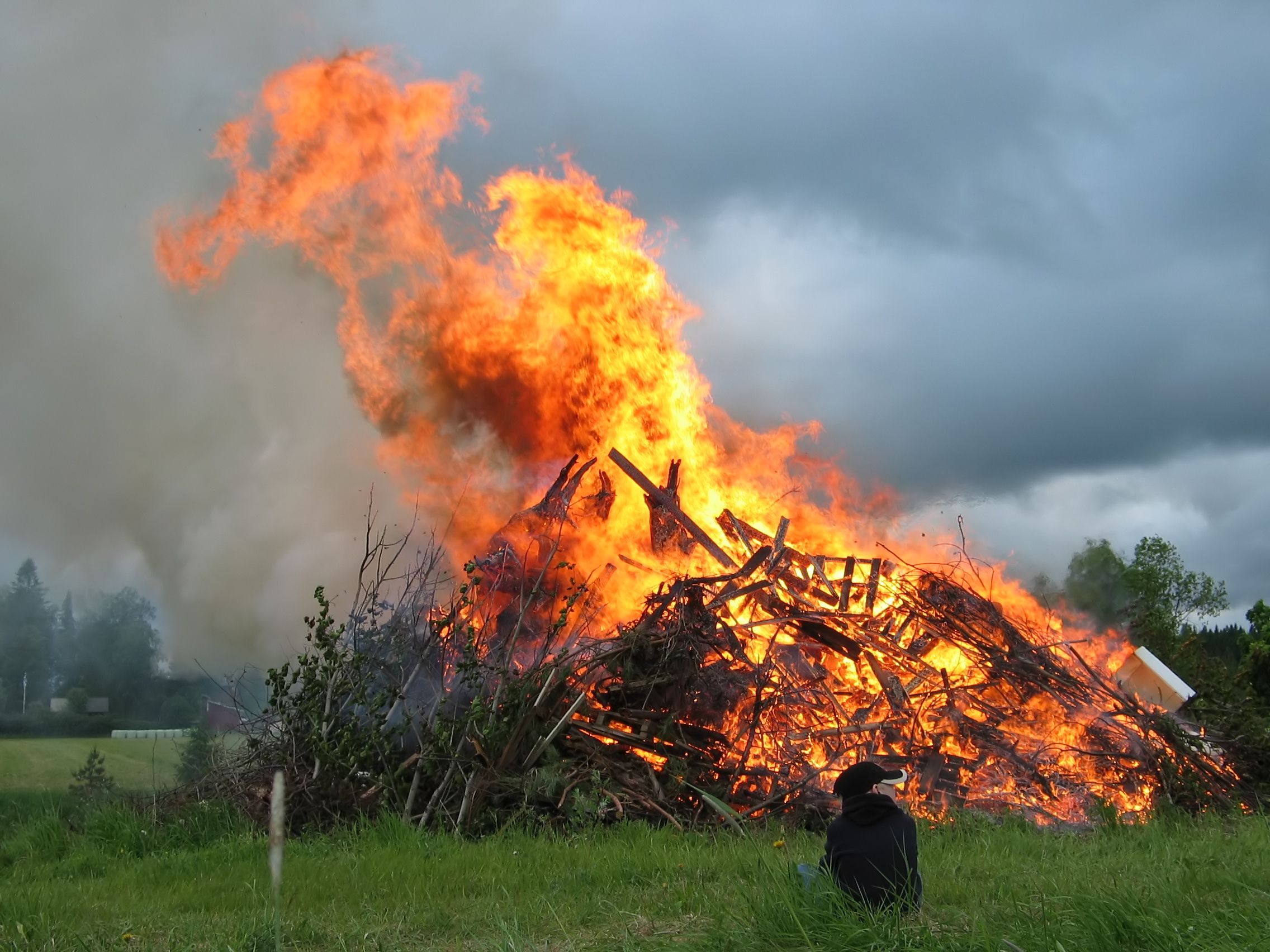
Wood that is burning in a brush pile has heat, and produces ashes.
Physical
Chemical
Formation of heat represents a (a) change
If something starts to heat up, it is evidence of a (a) change
Cutting something is evidence of a (a) change
A screw undergoing a color change is evidence of a (a) change
Water freezing is a (a) change
A color change due to RUST is a (a) change
A solution getting hotter is a (a) change
A solution being poured into 2 separate containers is a (a) change

