
 Worksheets
5.2 Atoms and Periodic table
Total questions: 74
Worksheet time: 58mins
Name
Class
Date
1.
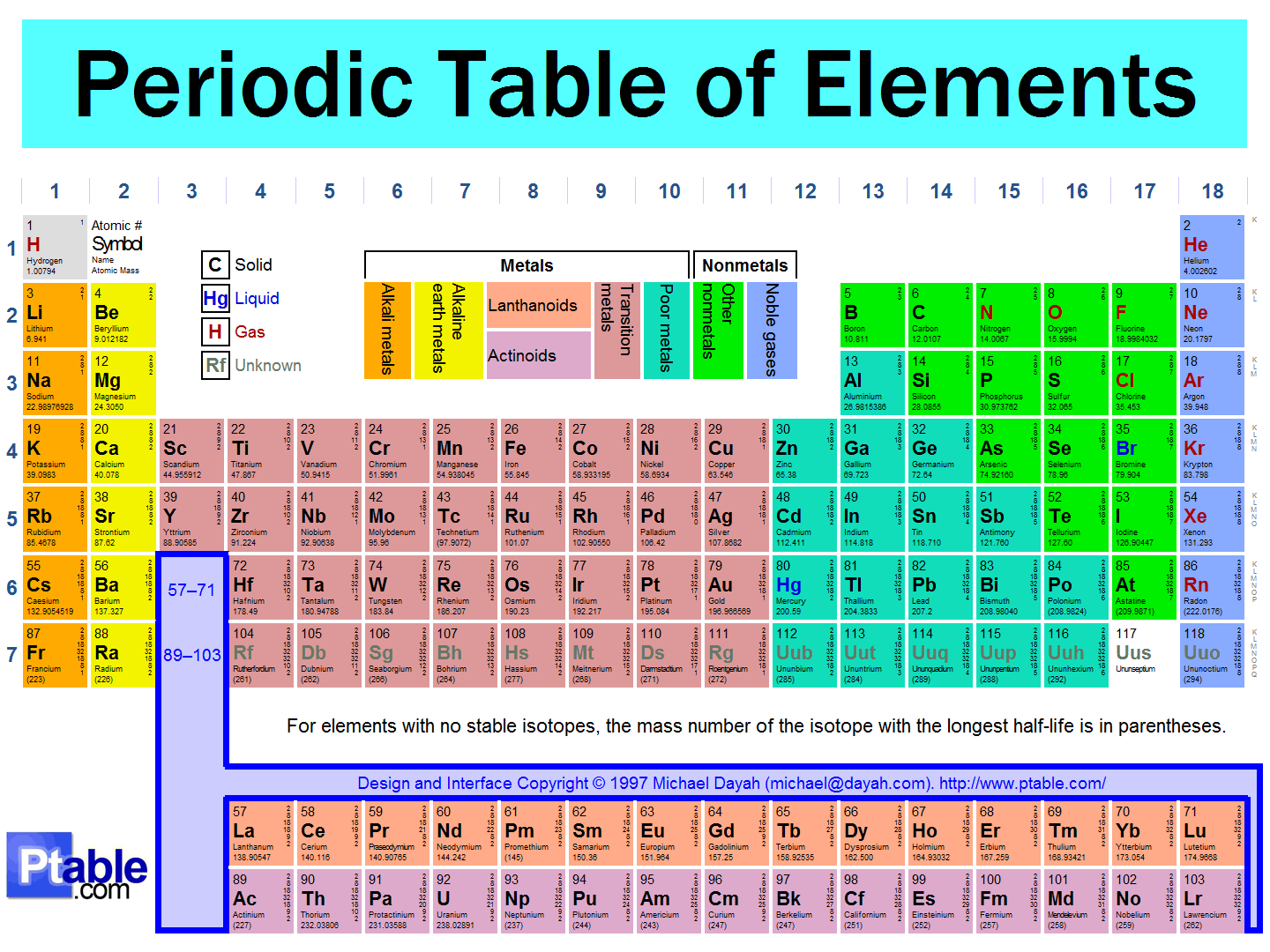
The horizontal row on the periodic table is called a
a)
group
b)
family
c)
period
d)
atomic number
2.
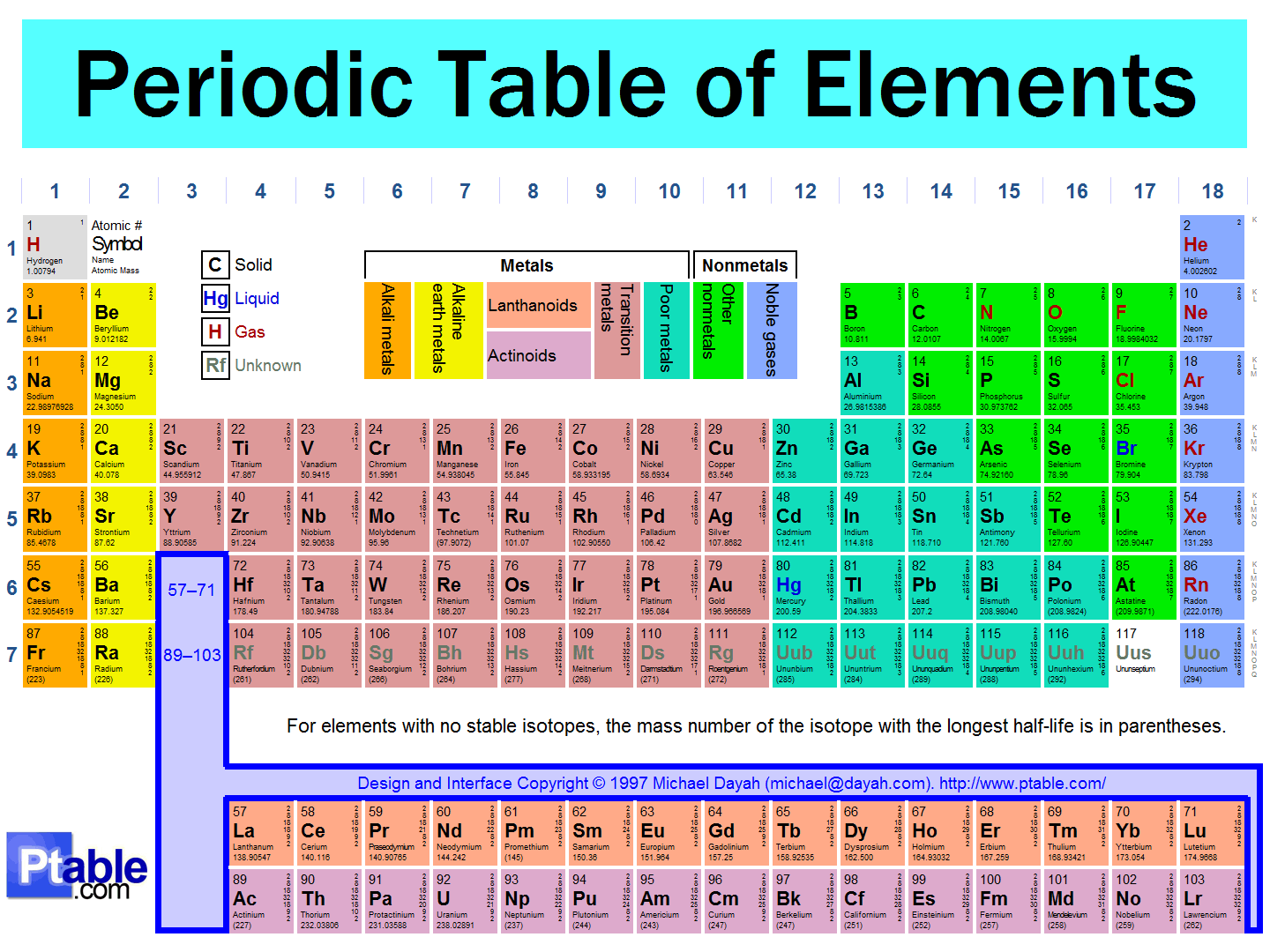
A vertical column is called...
a)
group
b)
tower
c)
period
d)
crew
3.

Which of the following is the most metallic element in period 3?
a)
Boron (B)
b)
Sodium (Na)
c)
Argon (Ar)
d)
Silicon (Si)
4.

Which of these element is the least metallic?
a)
Potassium (K)
b)
Carbon (C)
c)
Sulfur (S)
d)
Neon (Ne)
5.
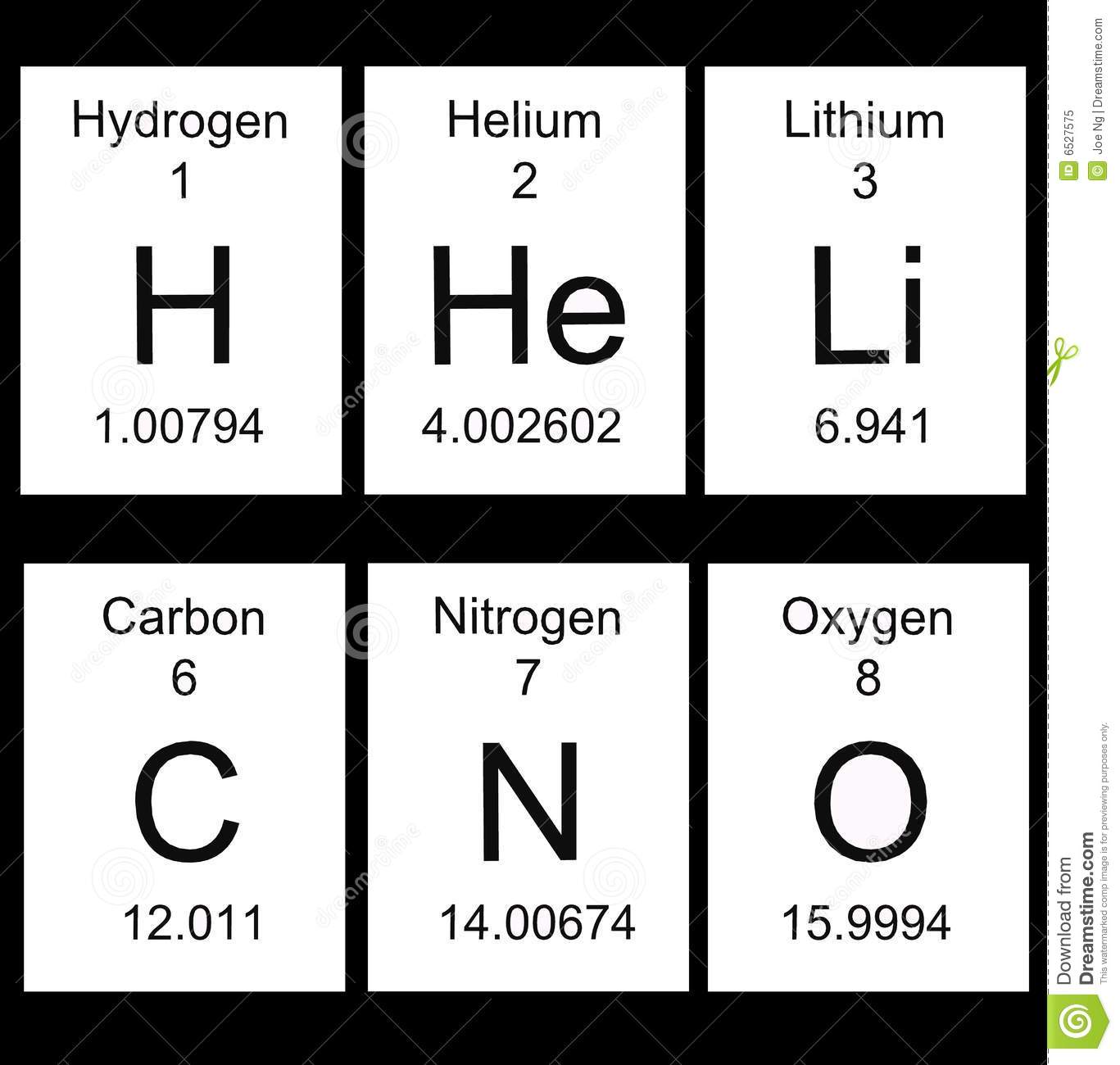
The number at the bottom of each square on the periodic table is the ...
a)
atomic number
b)
atomic mass
c)
chemical symbol
d)
element name
6.
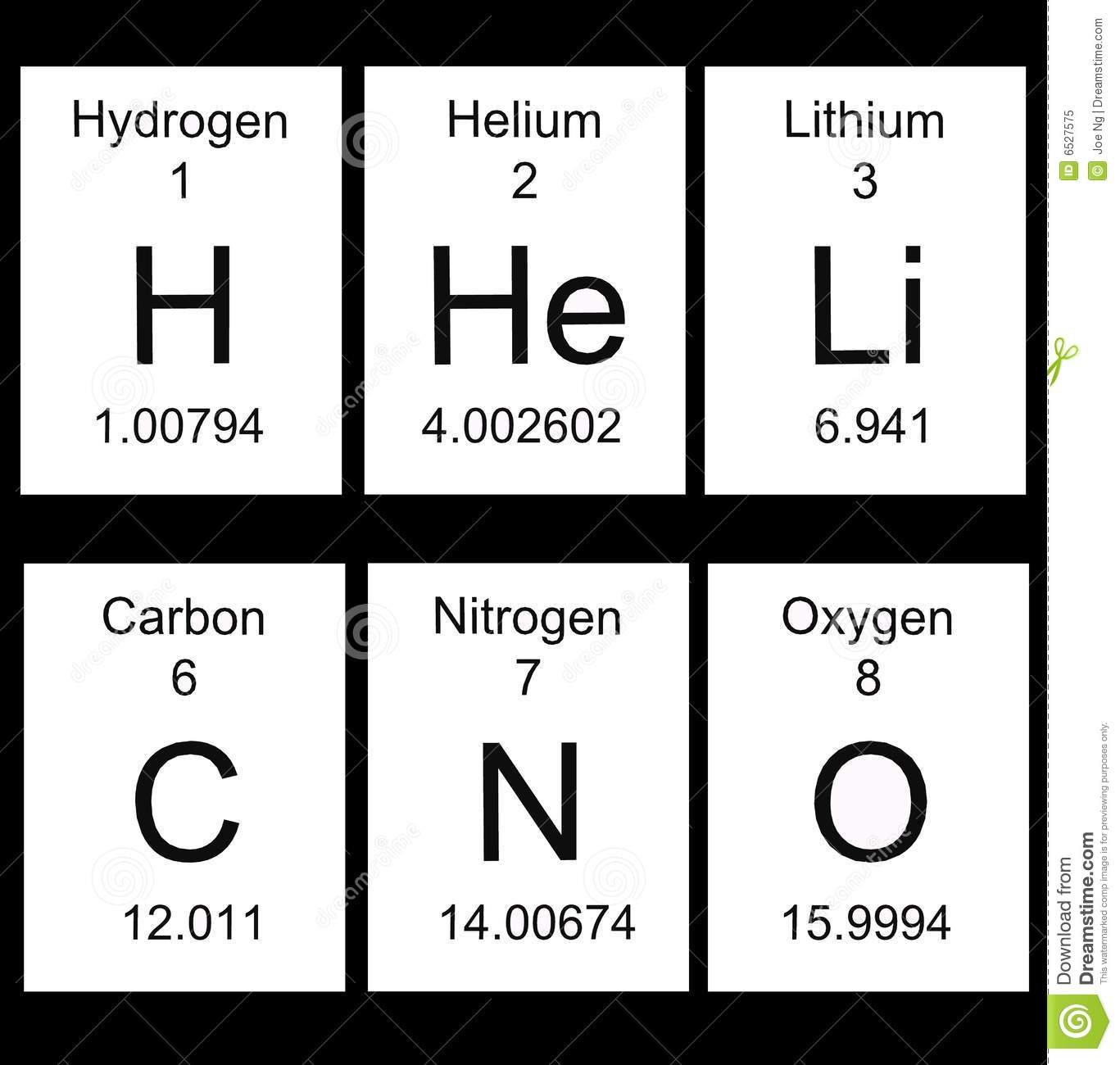
The number at the top of each square on the periodic table is the ...
a)
atomic number
b)
atomic mass
c)
Chemical Symbol
d)
Element Name
7.
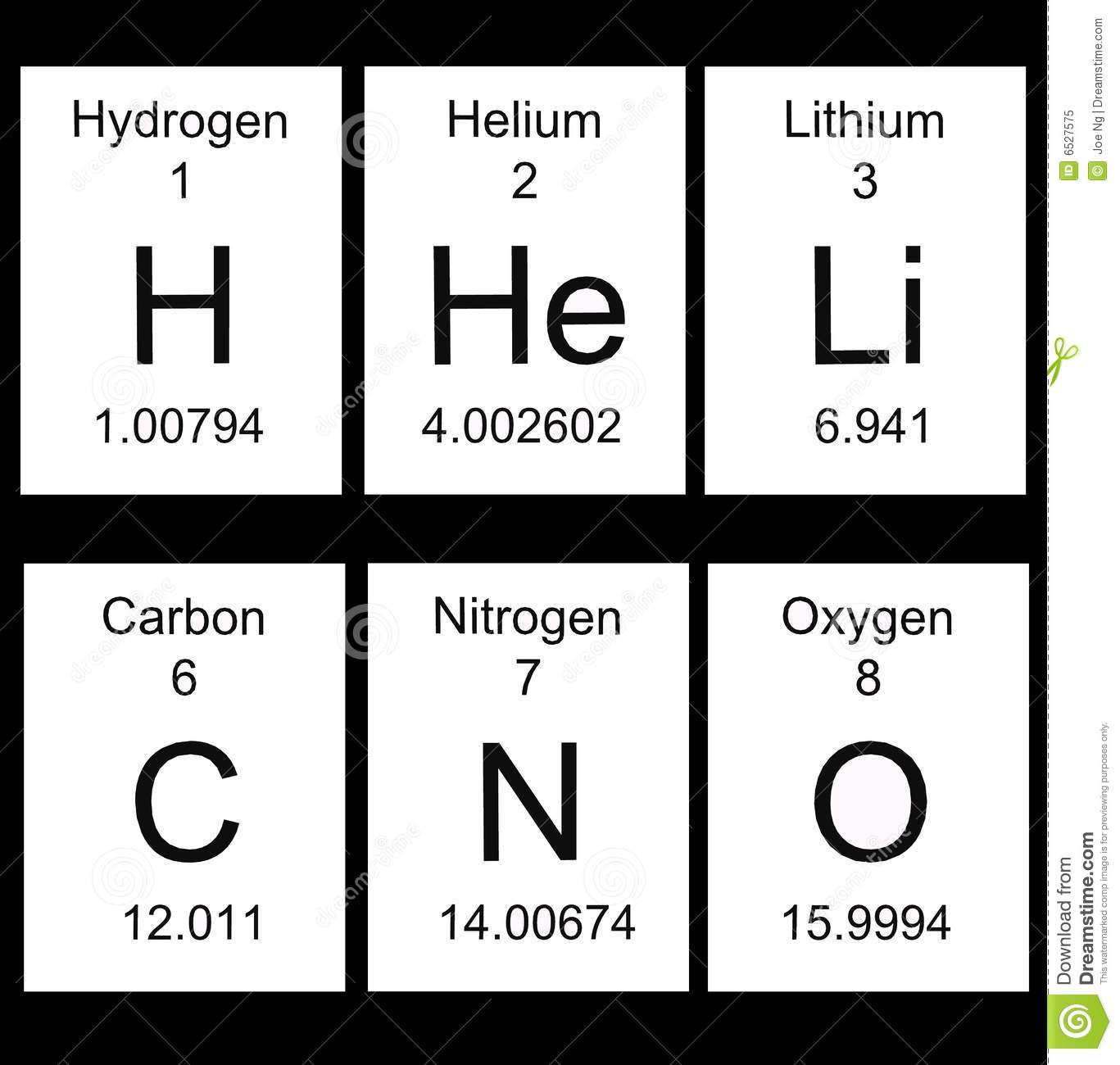
What is the chemical symbol for Lithium?
a)
H
b)
He
c)
Li
d)
N
8.

Most of the elements on the periodic table are classified as _____.
a)
Metals
b)
Nonmetals
c)
Metalloids
d)
Periods
9.
A ___________ is an arrangement of elements in columns
a)
columns
b)
rows
c)
periodic table
d)
electron shell
10.
The atomic number tells you what?
a)
number of electrons
b)
number of protons
c)
number of neutrons
d)
both electrons and protons in an atom.
11.
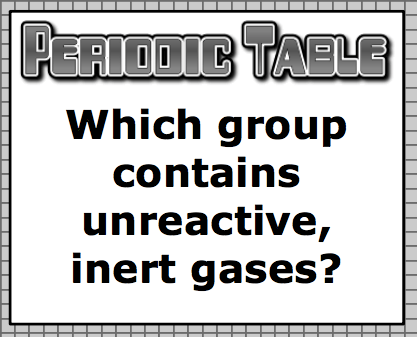
Which group of the periodic table is composed of inert (not reactive) gases?
a)
alkali metals
b)
alkaline earth metals
c)
halogens
d)
noble gases
12.
Elements which are shiny, conduct electricity and heat are called
a)
metal
b)
nonmetal
c)
metalloid
d)
nonexistent
13.
Which element is not a metal?
a)
H
b)
Re
c)
Al
d)
B
14.

The atoms along the staircase are called
a)
metals
b)
nonmetals
c)
metalloids
d)
noble gases
15.
Which is an alkali metal?
a)
Magnesium
b)
Iron
c)
Sodium
d)
Europium
16.
Elements in a ..................have similar chemical properties.
a)
period
b)
group
c)
row
17.
The simplest substance is..?
a)
Carbon
b)
An element
c)
Water
d)
A simple compound
18.
A proton is....
a)
A negatively charged subatomic particle
b)
A positively charged subatomic particle
c)
A neutrally charged subatomic particle
d)
The only subatomic particle located in the nucleus
19.
A neutron has a charge of
a)
+2
b)
No charge
c)
-1
d)
+1
20.
a)
Group 1
b)
Group 17
c)
Group 2
d)
Group 18
21.
a)
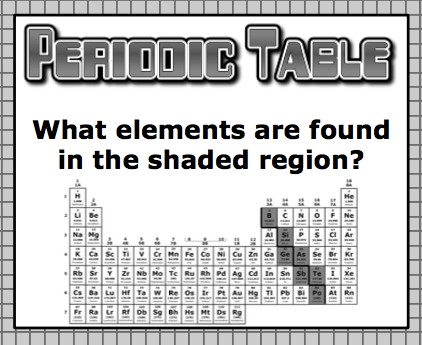
Metals
b)
Nonmetals
c)
Metalloids
22.
a)
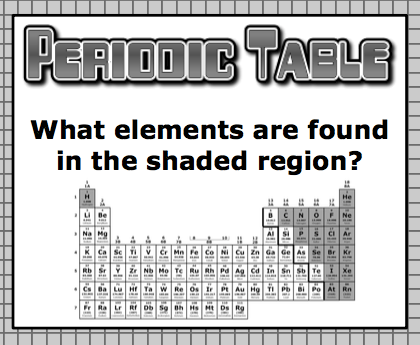
Metals
b)
Nonmetals
c)
Metalloids
23.
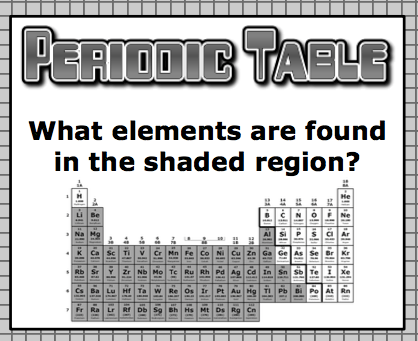
a)
Metals
b)
Nonmetals
c)
Metalloids
24.
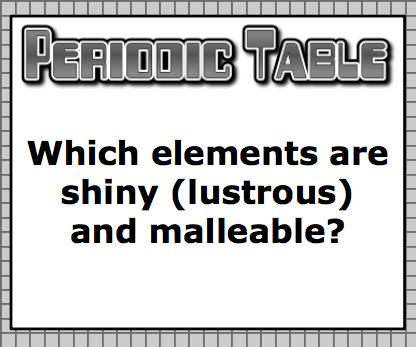
a)
Metals
b)
Nonmetals
c)
Metalloids
25.
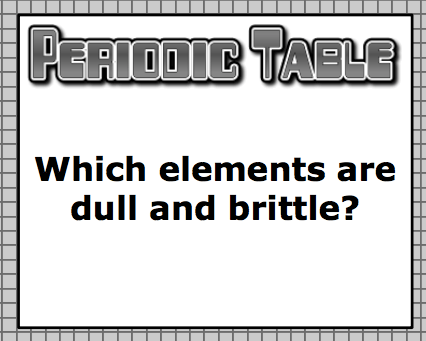
a)
Metals
b)
Nonmetals
c)
Metalloids
26.
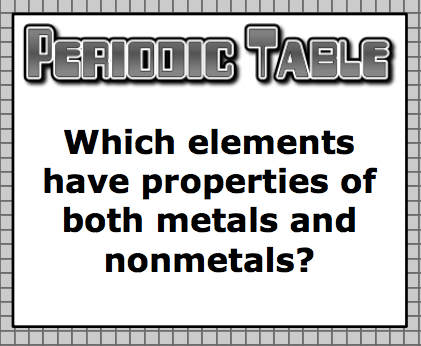
a)
Metals
b)
Nonmetals
c)
Metalloids
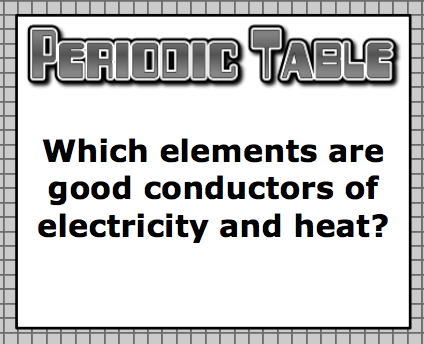
27.
a)
Metals
b)
Nonmetals
c)
Metalloids
28.
How many Valance electrons does Iodine Have?
a)
6
b)
16
c)
7
d)
17
29.
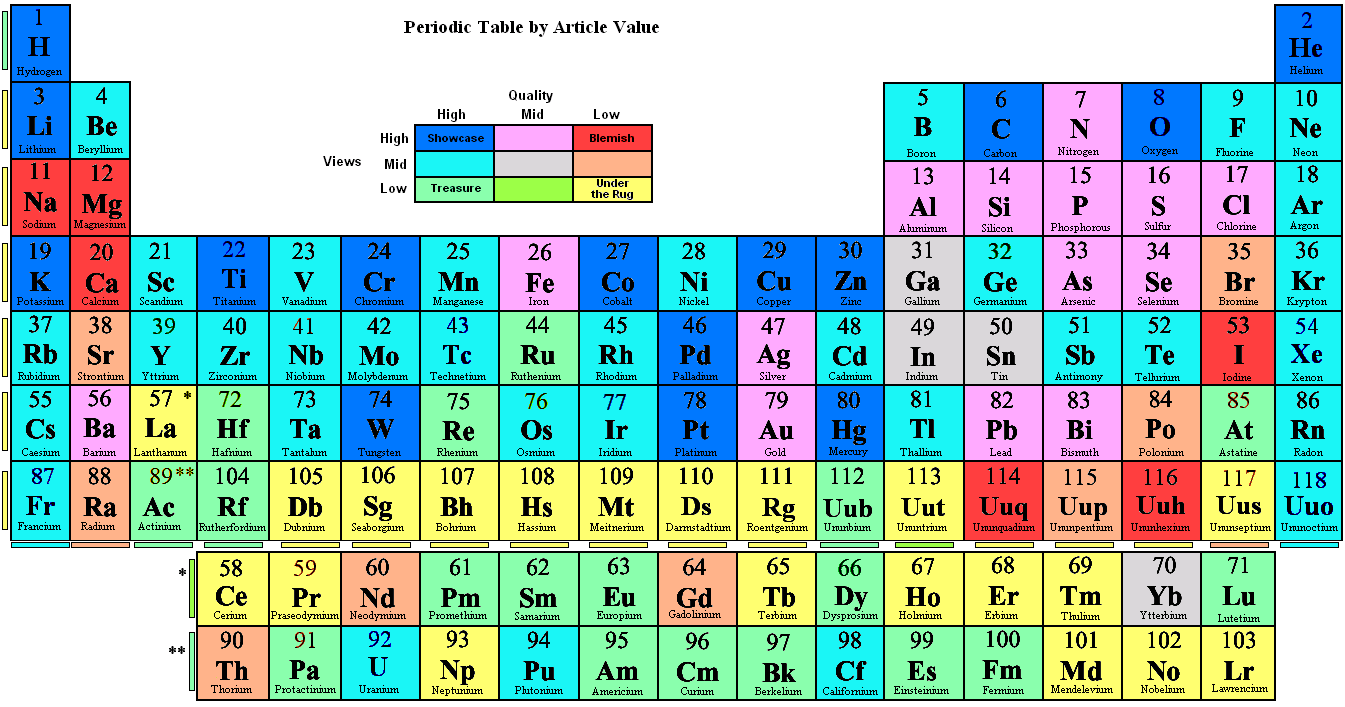
The period for Bromine is ___________.
a)
3
b)
2
c)
4
30.
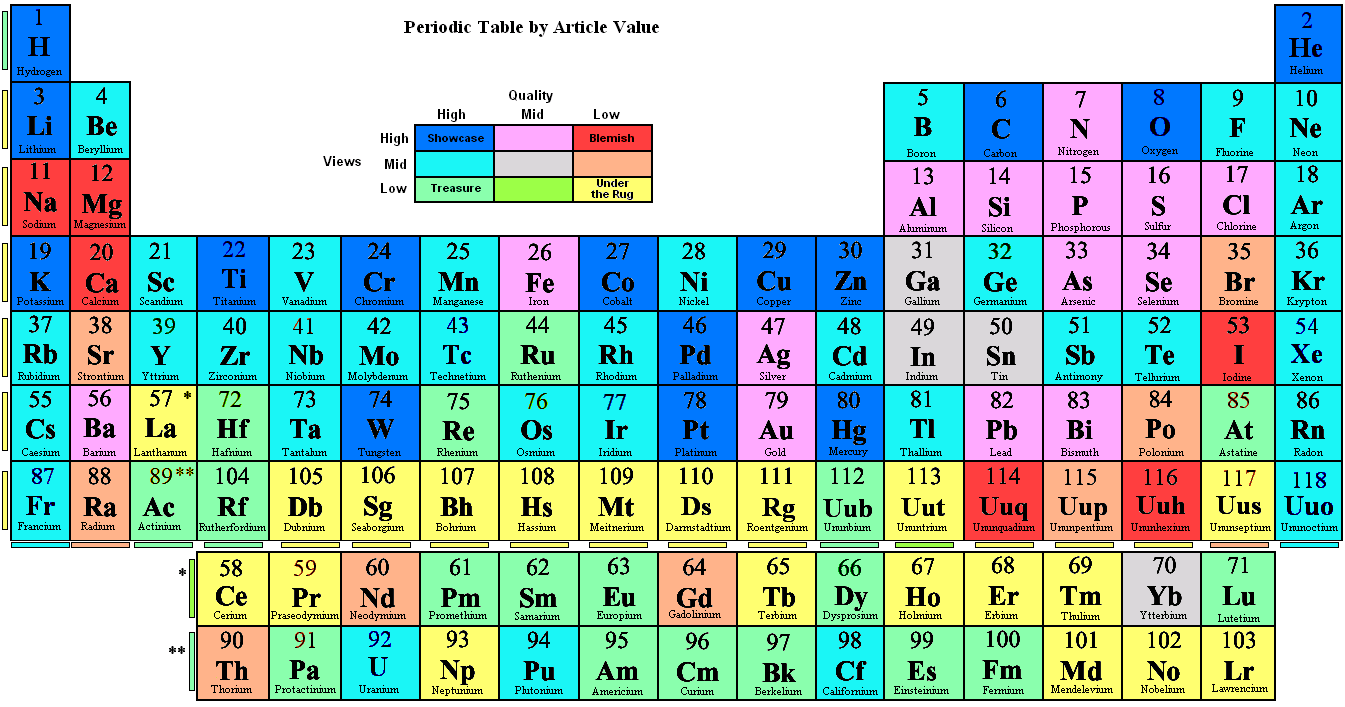
Beryllium is in group number______.
a)
Group 2
b)
Group 3
c)
Group 4
d)
Group 7
31.
The periodic table has __ periods.
a)
18
b)
8
c)
2
d)
7
32.
An element's identity is determined by the number of
a)
electrons.
b)
protons.
c)
neutrons.
d)
valence.
33.
Elements in the same ________ are more chemically similar.
a)
group
b)
period
c)
club
d)
table
34.
Which elements have the most similar chemical properties?
a)
K and Na
b)
K and Ca
c)
K and Cl
d)
K and S
35.
What period and group is Silver (Ag)?
a)
Period 2, Group 1
b)
Period 3, Group 16
c)
Period 5, Group 11
d)
Period 2, 14
36.
The elements in this group have 5 valence electrons and include elements N, P, and As.
a)
Group 5
b)
Group 1
c)
Group 18
d)
Group 15
37.
Which of the following is not a property of metals?
a)
brittle
b)
malleable
c)
lustrous
d)
conductive
38.
The periodic table has __ groups.
a)
8
b)
7
c)
18
d)
2
39.
the central region of an atom where its neutrons and protons are is its
a)
nucleus
b)
electron cloud
c)
core
d)
center
40.
an atom with atomic number 6 would have how many protons
a)
6
b)
12
c)
3
d)
cannot be determined
41.
Particles in an atom that are neutral and have no charge are
a)
negatrons
b)
electrons
c)
neutrons
d)
protons
42.
What is the atomic number for an element with three protons?
a)
2
b)
1
c)
3
d)
6
43.
A particle that moves around the nucleus is a(n)...
a)
Proton
b)
Neutron
c)
Electron
d)
Quark
44.
In the modern periodic table elements are arranged by:
a)
atomic mass
b)
atomic number
c)
valence electrons
d)
number of isotopes
45.

What does the 1.00794 stand for?
a)
Hydrogen
b)
atomic number
c)
atomic mass
d)
atomic explosion
46.
An atoms overall charge is
a)
positive
b)
depends on its mood
c)
neutral
d)
negative
47.
The smallest particle of any particular type of matter is known by which of the following terms?
a)
Compound
b)
Atom
c)
Chemical
d)
Element
48.
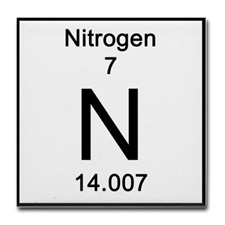
What is the number of protons that the element in this image contain?
a)
14
b)
7
c)
15
d)
18
49.
The first energy level can hold up to how many electrons?
a)
8
b)
4
c)
2
d)
5
50.

What is the atomic mass of "F"
a)
9
b)
18
c)
17
d)
19
51.
An atoms overall charge is
a)
positive
b)
depends on its mood
c)
neutral
d)
negative
52.
Which of the following is a negatively charged subatomic particle?
a)
Electron
b)
Proton
c)
Neutron
d)
Quark
53.
Where are electrons of an atom found?
a)
Nucleus
b)
Electron Cloud
c)
Some are in the nucleus and some in the electron cloud.
d)
They are moving everywhere.
54.
A particle that moves around the nucleus is a(n)...
a)
Proton
b)
Neutron
c)
Electron
d)
Quark
55.
Most of the mass in an atom is concentrated in the...
a)
electrons
b)
nucleus
c)
protons
d)
empty space
56.
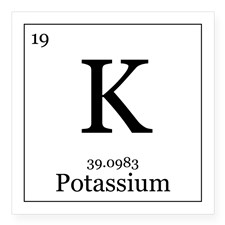
How many neutron are in the atom "K"?
a)
7
b)
2
c)
39
d)
20
57.

What element is represented in this Bohr Model?
a)
Carbon
b)
Hydrogen
c)
Aluminum
d)
Lithium
58.

What's a valence electron?
a)
electrons in the second energy level
b)
electrons in the outermost energy level
c)
the atomic number
d)
electrons in the first level
59.
How many electrons do atoms need to be stable?
a)
1
b)
2
c)
6
d)
8
60.
Which of the following has a full valence shell?
a)
Oxygen
b)
Neon
c)
Barium
d)
Carbon
61.

How many protons are in this element?
a)
79
b)
196
c)
117
d)
Cannot be determined
62.

How many neutrons does the isotope of lithium have?
a)
8
b)
3
c)
4
d)
5
63.
How many electrons should Lithium have around its Lewis dot model?
a)
1
b)
2
c)
3
d)
4
64.
How many electrons should Beryllium have around its Lewis dot model?
a)
1
b)
2
c)
3
d)
4
65.
How many electrons should Nitrogen have around its Lewis dot model?
a)
1
b)
3
c)
4
d)
5
66.
How many electrons should Neon have around its Lewis dot model?
a)
5
b)
6
c)
7
d)
8
67.
What is the maximum number of electrons that can fit in the second energy level ?
a)
4
b)
6
c)
8
d)
12
68.
How many electrons are usually in the first ring of any atom?
a)
1
b)
2
c)
4
d)
8
69.

Which subatomic particle is responsible for chemical reactions?
a)
Protons
b)
Neutrons
c)
Electrons
d)
Quarks
70.

Which is responsible for most of the atom's volume?
a)
The nucleus
b)
Electron cloud
71.

Electrons with higher energy are more likely to be:
a)
Closer to the nucleus
b)
Farther from the nucleus
72.
The electric charge of an atom is found by adding the charges carried by its protons and _____________.
.
a)
electrons
b)
nuetrons
c)
nucleus
73.
The mass number of iodine is 126, and it’s in the 53rd place in the periodic table. It has ________________ protons and ______________ neutrons.
a)
126 protons and 53 neutrons
b)
53 protons and 126 neutrons
c)
53 protons and 73 neutrons
d)
73 protons and 53 neutrons
74.
The atomic number of krypton (Kr) is 36, and its mass number is 84. How many neutrons does it have?
a)
18
b)
36
c)
48
d)
72
100 %

