
 Worksheets
Human Impact and Population Test Review
Total questions: 71
Worksheet time: 54mins
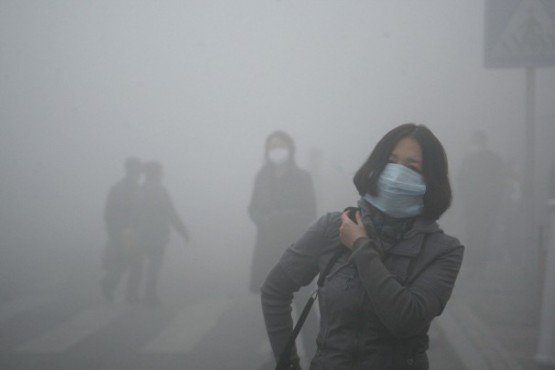
Burning fossil fuels creates air pollution.
True
False

What systems are involved when humans run factories that produce smog?
humans (bio), factories (geo), smog (atmo)
humans (geo), factories (atmo), smog (bio)
humans (hydro), factories (bio), smog (atmo)
humans (bio), factories (atmo), smog (hydro)
A human activity that has the MOST negatively impacted air quality is?
building nuclear power plants.
growing crops
using solar panels
burning coal
Which of the following is a cause to air pollution?
nasal irritation
vehicles
eye irritation
recycle

Burning of wood causes air pollution.
true
false

Smoke released from factories does not cause air pollution.
true
false

Smoke released from vehicles results in air pollution.
true
false
Acid rain can be traced back to
the burning of fossil fuels.
the use of electrostatic precipitators.
thermal inversions.
the release of particulate matter into the atmosphere.
1. What is one of the greatest threats to biodiversity on Earth?
habitat destruction
loss of drinking water
decrease in food supply
pollution
1. Why might an introduced animal species overrun native species in an ecosystem?
. Its population size is smaller than those of native species.
. It is more energy efficient, so it eats less food.
It is a predator of the native species.
It often has no natural enemies
Which of these is one cause of deforestation?
Urbanization
Buying a Christmas tree during the holidays
Overbreeding birds in the wild
Cutting down the tree in your backyard
When human-made chemicals and garbage find their way into nature and harm the air, soil, and water it is called
pollution
habitat destruction
overexploitation
climate change
The largest threat to biodiversity is
bacteria
fungi
humans
plants


Urbanization is
clearing of trees in a forested area
spread of desert like conditions due to actions of humans
large numbers of people moving to small areas
The term ecologists use to describe the number of individuals moving away from a population is
Emigration
Immigration
The term ecologists use to describe the number of individuals moving into a population is
Emigration
Immigration
What is a population ?
Disturbance has removed vegetation but left soil intact.
The natural birth, growth and development of ecosystem.
All organisms of a species that live in the same area.
A community of interacting organisms and their environment.
If the number of births in a population is the same as the number of deaths in a population, what will happen to the growth of the population?
It will increase.
It will decrease.
It will stay the same.
It will fluctuate.
The number of births compared to the total number of people in a population
death rate
birth rate
baby boom
doubling time
If the number of births is greater than the number of deaths in a population, what will happen to the growth of the population?
It will increase.
It will decrease.
It will stay the same.
It will fluctuate.
One of the Factors that affect population size:
INCREASE: Number of ___________
Birth
Death
Emigration
None of them
One of the factors Factors that affect population size:
DECREASE: Number of ___________
Birth
Emigration
Immigration
None of them
Which factor might not contribute to an exponential growth rate in a given population?
lower death rates
higher birth rates
less competition
reduced resources

According to the graphs, which country has the most rapid population growth?
United States
Nigeria
India
France

Does the graph represent an exponential growth or logistic growth?
Exponential Growth
Logistic Grwoth

What type of growth is shown on this graph?
Logistic
Exponential
Carrying Capacity
If a population is growing exponentially, it has met its carrying capacity.
True
False
A population will eventually reach carrying capacity because...
There are infinite resources
Limiting factors come will affect the population
There are limited resources
Both B & C
Resources are limiting factors
True
False
Why has human population growth accelerated in recent centuries?
a. the bubonic plague
b. better hygiene and food
c. the discovery of electricity
d. improved efficiency of fuel use
What is the rapid growth rate of a population after a period of slow growth called?
Exponential growth
Overconsumption
a point source
a. the carrying capacity
What is a criteria that would be seen in a population if it had met its carrying capacity
Food is widely available
Housing is limited
Disease is decreasing
Many babies are being born
We use the term “ecological footprint” because it
Shows how large our shoes are compared to others
Allows others to see how much energy we conserve
Shows the mark we leave on earth as we carry out daily activities
a. Allows people to understand that footprints are all sizes
Aquaculture provides
jobs for the economy
least-resource efficient way to produce protein
a solution for overfishing
over half of the seafood we eat today
Which of the following is not one of the three components of sustainability?
Environmental health
Economic prosperity
Social well-being
Emotional stability
What is sustainable agriculture?
A concept in farming that maximizes profits by planting one crop throughout large areas
A means of food production that requires large amounts of processing and shipping to get to its consumers
farming practice that focuses on protecting environments, public health, human communities, and animal welfare
A farming practice that is designed to work in any climate zone, therefore making it practical worldwide to end hunger
what tells how fast a given population grows?
exponential growth model
population growth rate
logistic growth model
carrying capacity
The term ecologists use to describe the number of individuals moving into a population is
Emigration
Immigration
What is a population ?
Disturbance has removed vegetation but left soil intact.
The natural birth, growth and development of ecosystem.
All organisms of a species that live in the same area.
A community of interacting organisms and their environment.
One of the Factors that affect population size:
INCREASE: Number of ___________
Birth
Death
Emigration
None of them
According to the graphs, which country has the most rapid population growth?
United States
Nigeria
India
France
Does the graph represent an exponential growth or logistic growth?
Exponential Growth
Logistic Grwoth
What type of growth is shown on this graph?
Logistic
Exponential
Carrying Capacity
Resources are limiting factors
True
False
Which of these problems could happen if we don't look after the resources we have?
Loss of animal homes
Climate change
Increase in pollution
All of the above
Sustainability is making sure that the planet and its resources can continue to provide life.
True
False


What is something we do daily that does NOT affect our ecological footprint?
taking a shower
driving to school
blowdrying your hair
change your clothes

