
 Worksheets
Chemistry: The Earth
Total questions: 74
Worksheet time: 49mins
What layer of the Earth is the thinnest layer?
inner core
outer core
mantle
crust
What happens to the amount of pressure as you go deeper into the layers of the Earth?
increases
decreases
Which layer of the Earth is the hottest?
Crust
Mantle
Inner Core
Outer Core

Why do scientists think that earth's inner core is solid?
High temperatures
High amounts of metal
High Pressures
Low temperatures

iron and aluminum
Which is not a type of rock?
Igneous
Sedimentary
Vitreous
Metamorphic
Igneous rocks are formed from
magma and lava cooling off
other rocks being changed by temperature and pressure
pieces of rock and other solids getting cemented together over time
other rocks breaking
Sedimentary rocks are formed from
magma and lava cooling off
other rocks being changed by temperature and pressure
pieces of rock and other solids getting cemented together over time
other rocks breaking
What two intense things help form metamorphic rocks?
Temperature
Density
Pressure
Volume

This rock will often have straight bands of different materials that press together over time.
Igneous
Sedimentary
Metamorphic

Intense heat and pressure cause this rock's appearance to become distorted and wavy. The new rock is classified as
Igneous
Sedimentary
Metamorphic

This type of rock can include shells or fossils!
Igneous
Sedimentary
Metamorphic
Made from igneous and sedimentary rocks
metamorphic
Granite
Rock made from lava
Igneous
sedimentary
Metamorphic
All the above
Name a igneous rock
Granite
Sandstone
siltstone
Name a Metamorphic rock
marble
Granite
siltstone
Order of layers of the earth
Crust , Mantle , Outer core and inner core
Mantle, Crust , outer core , and inner core
Inner core, Mantle , Crust and outer core
outer core ,Mantle, Inner core, Crust
The state of the atmosphere at a particular place and time as regards heat, cloudiness, dryness, sunshine, wind, rain, etc.. For a short period of time
Climate
Weather
The weather conditions prevailing in an area in general or over a long period.
Climate
Weather

Obsidian is a __________ rock.
Sedimentary
Igneous
Metamorphic
Elementary

Where do sediments come from?
Sediments come directly from the crystallization of magma from the Earth’s interior.
Sediments are products of weathering and transported by glaciers, wind, and streams.
Sediments are results of high temperature and pressure within the Earth’s interior.
Sediments are results from varying mineral composition.
What common component or property of sedimentary rocks cannot be found in other rock types?
alignment of minerals
occurrence of fossil remains intergrowth of crystals
occurrence of fossil remains
Which process best describes compaction?
particles are squeezed together under pressure
particles glue together as minerals harden
sediment settles
Which best describes deposition?
sediment pressing together
dissolved minerals crystallize and glue particles together
particles settle as loosely packed sediment
running water or wind carry away fragments of rock
The basic components of soil are :
Water
Fertilizers
Air
Organic Matter
Minerals
Most soils are a combination of the three.
Loam
Silt
Clay
Sand
The uppermost layer or horizon is thin and generally dark in color due to the richness of
Scavengers
Water
Bacteria
Humus
Which of the following describes how microorganisms influence the chemical characteristics of soil?
They loosen and mix the soil by digging burrows underground.
They add inorganic material to the soil by weathering rocks on Earth’s surface.
They add moisture to the soil by creating pores through which water can move.
They add organic material to the soil by breaking down the remains of plants and animals.

Sandy soil has slow water drainage ( True or false )
True
False

Sandy soils are largely observed in ___ and semi-arid regions of ____ plains.
arid, southern
semi arid,northern
arid,north-western
arid,north-eastern

Which of these has the smallest size of particles?
Sand
Silt
Clay
Gravel

Which of these soil have great drainage of water?
Sandy Soil
Clayey Soil
Loamy soil
The water holding capacity is the highest in
Sandy soil
Clayey soil
Loamy Soil
Mixture of sand and loam
Sandy soils are often known as light soils due to their high proportion of _____ and little clay .
clay
plants
silt
sand

The best top soil for growing plants is
Sandy Soil
Loamy soil
Clayey Soil
all of these
Why are there more animal fossils than plant fossils?
Animals are smaller than plants.
Plants have harder bodies than animals.
Plans have softer bodies than animals.
Animals eat plants.
The hardened remains of a living thing that died long ago.
fossil
extinct
endangered
minerals
Which type of rock are most fossils found?
sedimentary rock
metamorphic rock
igneous rock
fossils
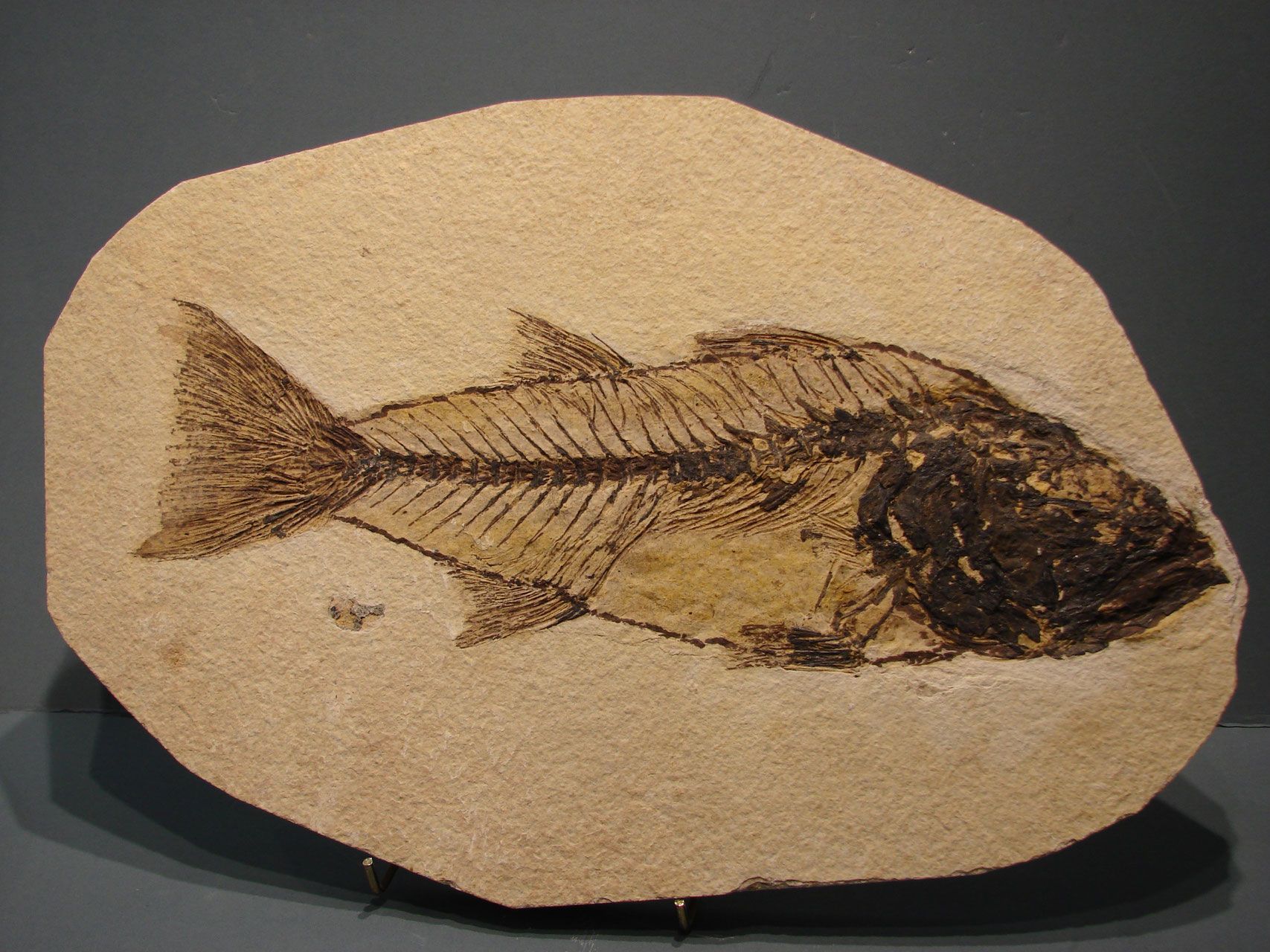
If a scientist found a fish fossil in the desert, what can they infer?
An animal ate the fish.
The water covered the area long ago.
Today's fish looks the same
The fish is endangered.
If you know the age of a fossil, you know the relative age of the ________________ it was found inside.
sticky tar
rock
amber
ice
Which of the following would be an example of absolute age?
Fossil A is older than Fossil B
Fossil A and Fossil B are the same age
Fossil A is 10 million years old

Which type of fossil found in rock layers of one geologic time helps paleontologists know the age of rock layers?
mold fossil
cast fossil
trace fossil
index fossil
What is a fossil?
any dead organism
a perfect copy of a rock
the remains, imprints, or traces of once-living organisms
complex organisms that existed many centuries ago
How do most fossils form?
The hard parts of the organism dry out in the air until they harden.
The soft parts of the organism change to stone.
Living things die and their remains are buried by sediments.
Freezing preserves the remains of an organism.
The relative age of a rock is
its age compared to the ages of other rocks
less than the age of the fossils the rock contains.
the number of years since the rock formed.
its age based on how much carbon-14 the rock contains.
Radioactive decay occurs when atoms of an unstable element
become part of a fossil.
join with atoms of another element.
break down to form atoms of another element.
are exposed to chemical weathering.
The fossils of organisms that were widely distributed but only lived during a short
period of time are called
trace fossils
petrified fossils
index fossils
carbon film fossils
Why are index fossils useful to geologists?
They tell the absolute age of the rock in which they occur.
They tell the ages of many different rock layers.
They tell the age of the rock at one location only.
They tell the relative age of the rock in which they occur.
One way to match rock layers that are apart is to see if the same type of __________
are found in both places.
water
elements
fossils
minerals
Radioactive dating enables geologists to determine
the age of the atoms in a rock.
the half-life of a fossil organism.
the relative age of a fossil organism.
the absolute ages of rocks.
The time it takes for half of the radioactive atoms in a sample of a radioactive element to decay is the element’s ________________.
relative age
half-life
carbon-nitrogen date
absolute age

Which letter represents the youngest rock layer?
L
A
Q
D

Which letter represents the oldest layer?
L
A
Q
D
Rock layers are called __________.
data
cake
strata
fossils
Oldest rock layers are found on the ___________.
bottom
top
Youngest rock layers are found on the _________ .
bottom
top

Identify the group of fossils seen and a true statement about them
Index Fossils: Lived in a few places for a short period of time
Identifying Fossils: Lived in many places for a short period of time
Identifying Fossils: Lived in few places for a long period of time
Index Fossils: lived in many places for a short period of time
Rock strata is usually formed _________ layers.
horizontal
vertical
The geologic time scale is used to organize Earth’s history based on strata and the fossil record.
True
False


