wayground logo

Free Printable Worksheets

NEW

Font size

S
M
L
XL
Worksheets

Bundle 2 Review

Total questions: 72

Worksheet time: 37mins

Name
Class
Date
1.

What is the function of the system shown?

a)

Exchange O2 and CO2

b)

Transport blood, oxygen, nutrients and waste

c)

Break down food

d)

Help the body move

2.

What is the function of the system shown?

a)

Exchange O2 and CO2

b)

Transport blood, oxygen, nutrients and waste

c)

Break down food

d)

Help the body move

3.

What is the function of the system shown?

a)

Exchange O2 and CO2

b)

Transport blood, oxygen, nutrients and waste

c)

Break down food

d)

Help the body move

4.

What is the function of the system shown?

a)

Control all body activities with electrical signals

b)

Transport blood, oxygen, nutrients and waste

c)

Break down food

d)

support and protect internal organs

5.
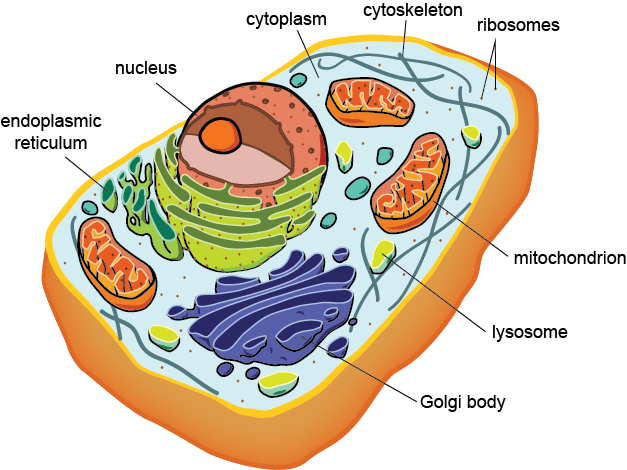
Which organelle controls what comes in and out of a cell?
a)
cell membrane
b)
nucleolus
c)
cell wall
d)
ribosomes
6.

Which organelle is the center of the cell and contains DNA?

a)

cytoplasm

b)

lysosome

c)

golgi body

d)

nucleus

7.

Which organelle is the rigid outer layer of a plant cell?

a)

cell wall

b)

cell membrane

c)

cytoplasm

d)

chloroplast

8.

Which organelle produces the energy a cell needs to carry out its functions? (The mighty power house)

a)

lysosome

b)

mitochondria

c)

vacuoles

d)

ribosomes

9.
Which organelle stores food, waste, and other materials?
a)
cytoplasm
b)
ribosomes
c)
vacuoles
d)
golgi body
10.

Which organelle captures sunlight and uses it to make food in plant cells?

a)

nucleus

b)

vacuoles

c)

ribosomes

d)

chloroplast

11.
Which organelle is the gel like fluid where organelles are found?
a)
golgi body
b)
cytoplasm
c)
mitochondria
d)
cell membrane
12.

When we breathe in, oxygen goes into our lungs. The Lungs are part of the:

a)

Muscular System

b)

Respiratory System

c)

Circulatory System

d)

Digestive System

13.

When you walk, muscles in your legs contract and relax. This is a great example of the ____ system in action.

a)

muscular system

b)

circulatory system

c)

execratory system

d)

nervous system

14.

Where in the body is oxygen picked up and carbon dioxide dropped off?

a)

The tongue (located in the mouth)

b)

The lungs (located in the chest)

c)

The small intestine (located in the abdomen)

d)

A muscle (located in the leg)

15.

Which of the following is true about our body's system?

a)

The skeletal system sends messages to the body

b)

The digestive system helps carbon dioxide leave the body through the lungs

c)

Blood cells are part of the nervous system

d)

The digestive system helps break down food into energy

16.

The organ is responsible for pumping blood throughout your body.

a)

The Brain

b)

The Spine

c)

The Heart

d)

The Lungs

17.

A ________ is a group of 2 or more organs working together to keep an organism alive.

a)

cell

b)

tissue

c)

organ

d)

Organ system

18.

The ______ system helps you move, protects your organs, gives support to the body, and makes red blood cells.

a)

skeletal system

b)

muscular system

c)

digestive system

d)

respiratory system

19.

The ________ system works with the skeletal system to help you move and provides shape and warmth.

a)

skeletal

b)

integumentary

c)

muscular

d)

digestive

20.

The _____ system's function is to break down food into molecules that the body (cells) can use for energy.

a)

muscular

b)

digestive

c)

respiratory

d)

endocrine

21.

The _____ system is a transport system, carrying oxygen, carbon dioxide, and wastes to and away from cells using the heart and blood.

a)

endocrine

b)

circulatory

c)

respiratory

d)

excretory

22.

The ______ system's function is gas exchange. It brings oxygen in and exhales carbon dioxide with the lungs, trachea, and diaphragm

a)

endocrine

b)

excretory

c)

circulatory

d)

respiratory

23.

The _______ system includes the skin, hair, and nails. It is the body's first line of defense, absorbs vitamin D, excretes sweat.

a)

respiratory

b)

nervous

c)

Integumentary

d)

skeletal

24.

This system controls the body using the brain, spinal cord, and nerves.

a)

nervous system

b)

endocrine system

c)

excretory system

d)

digestive system

25.

The ________ system is made of glands that secrete hormones into the blood to maintain homeostasis (balance)

a)

excretory

b)

endocrine

c)

digestive

d)

circulatory

26.
The __________ is the main organ of the nervous system.
a)
heart
b)
lungs
c)
brain
d)
skin
27.
___________ are the building blocks of life.
a)
cells
b)
legos
c)
blocks
d)
blood
28.
In multicellular organisms, tissues are comprised of _______.
a)
organs
b)
systems
c)
cells
d)
blood
29.
When tissues come together, they form ___________.
a)
cells
b)
atoms
c)
organs
d)
systems
30.
Which of the following body systems work together for support, protection, and movement?
a)
respiratory and cardiovascular
b)
skeletal and muscular
c)
skeletal and integumentary
d)
digestive and respiratory
31.
Which of the following shows the levels of organization of an organism from LEAST to MOST complex.
a)
cells-tissues-systems-organs
b)
organs-cells-systems-tissues
c)
systems-organs-tissues-cells
d)
cells-tissues-organs-systems
32.
This system includes the spinal cord, brain and nerves
a)
Nervous System
b)
Digestive System
c)
Circulatory System
33.
What body system makes your body move? 
a)
Circulatory
b)
Respiratory
c)
Skeletal
d)
Muscular
34.
What body system removes the waste from your body? 
a)
Circulatory
b)
Excretory
c)
Digestive
d)
Respiratory
35.
My spinal cord helps _________ travel between my brain and the nerves in my body. 
a)
Memories
b)
Blood
c)
Waste
d)
Messages
36.
My body needs ______ from the air to live. 
a)
Oxygen
b)
Cardon Dioxide
c)
Carbon Monoxide
d)
Hydrogen Peroxide
37.
The main purpose of the _______ system is to ensure the continuation of the species.
a)
respiratory
b)
reproductive
c)
circulatory
d)
endocrine
38.
The main purpose of the ________ system is to produce hormones for the body.
a)
excretory
b)
digestive
c)
reproductive
d)
endocrine
39.
Which body system is a collection of glands that secrete different types of hormones that regulate metabolism, growth and development, sleep, and reproduction?
a)
Excretory System
b)
Endocrine System
c)
Skeletal System
d)
Digestive System
40.
Which body system is responsible for protecting the structures underneath from infection and disease? (think the skin)
a)
Integumentary System
b)
Digestive System
c)
Respiratory System
d)
Excretory System
41.
What body system is for support, protection, and creates new blood cells?
a)
skeletal system
b)
muscular system
c)
circulatory system
d)
integumentary system
42.
When you look at a drop of blood under a microscope what are you most likely going to see?
a)
atoms
b)
cells
c)
dust
d)
water
43.
Which body system gives your body shape and protects most major organs?
a)
muscular
b)
cardiovascular
c)
skeletal
d)
muscular
44.
Which body system breaks down food and sends nutrients to all of the body's organs?
a)
nervous
b)
spinal
c)
skeletal
d)
digestive
45.
How does the digestive system work with all other systems?
a)
The digestvie system transports blood to all the other systems
b)
The digestive system puts oxygen into the body
c)
The digestive system gives the body energy and nutrients
d)
The digestive system allows the body to move
46.
Which system of the body uses veins, blood, and arteries?
a)
The nervous system
b)
The circulatory system
c)
The respiratory system
d)
The blood system
47.
What is an example of chemical breakdown?
a)
Chewing
b)
Saliva
c)
Peristalsis
48.
What begins the process of mechanical breakdown?
a)
the mouth
b)
the esophagus
c)
the pancreas
49.
What begins the process of chemical breakdown?
a)
Liver
b)
Salivary glands
c)
Colon
50.
What pushes food from the mouth to the stomach?
a)
Stomach
b)
Gall bladder
c)
Esophagus
51.
What churns food and breaks it down further using strong acids?
a)
Stomach
b)
Salivary glands
c)
Liver
52.
What stores bile?
a)
Colon
b)
Gall Bladder
c)
Small Intestine
53.
What produces the bile used to break down fats?
a)
Liver
b)
Large Intestine
c)
Mouth
54.
What absorbs water and minerals and holds waste?
a)
Large Intestine (Colon)
b)
Small Intestine
c)
Gall Bladder
55.
What is the function of the bladder?
a)
Push out excess waste
b)
Create and absorb excess waste to be regulated
c)
Collect urine from the kidneys before disposal by urination
56.

You can help your digestive system by:

a)

drinking water and eating healthy food

b)

reading about nutrition

c)

eating less

57.

Why is it important to keep your digestive system healthy?

a)

because it helps you breathe

b)

because it helps your body absorb nutrients

c)

because it helps your blood circulate properly throughout the body.

58.
Nutrients from digested food are absorbed in which digestive organ?
a)
Small Intestine
b)
Stomach
c)
Large Intestine
d)
Gallbladder
59.
The chewing and grinding of food into smaller pieces is an example of...
a)
Mechanical Digestion
b)
Chemical Digestion
60.
Number 3 is pointing to the...
a)
Small intestine
b)
Rectum
c)
Large intestine
d)
Stomach
61.
Number 2 is pointing to the...
a)
Esophagus
b)
Stomach
c)
Small intestine
d)
Anus
62.
Which organ pushes food down to the stomach?
a)
Mouth
b)
Esophagus
c)
Rectum
d)
Large intestine
63.
As waste moves through the digestive system, the ______ absorbs water before storing waste in the rectum.
a)
Small intestine
b)
Stomach
c)
Esophagus
d)
Large intestine
64.
Enzymes (chemicals) in your saliva help break down food while chewing.  This is...
a)
Mechanical digestion
b)
Chemical digestion
65.
WHAT IS AFTER THE SMALL INTESTINE?
a)
Large intestine
b)
nothing
c)
liver
d)
pancreas
66.
Type of digestion in the stomach:
a)
Mechanical
b)
Chemical
c)
Both
67.
Which of the following statements is not part of the cell theory?
a)
Cells are the basic unit of structure and function in all living things.
b)
All cells are produced from other cells.
c)
Only animal cells are composed of cells.
d)
All living things are composed of cells.
68.
The invention of the microscope made it possible for people to discover and learn about
a)
Plants
b)
Skin 
c)
Animals 
d)
Cells
69.
What is one way in which all living things on Earth are alike?
a)
All living things have hair.
b)
All living things are made of cells and come from other cells.
c)
The cells of all living things have chloroplast.
d)
All living things can move. 
70.
Which statement reflects one of the major components of the cell theory?
a)
All living things are multi-cellular.
b)
Organs are the basic unit of structure and function for all living things.
c)
All cells come from previously existing cells.
d)
Every organism has a reproductive system to ensure survival of the species.
71.
What structures distinguish a plant cell from an animal cell?
a)
Plant cells have cell walls and ribosomes.
b)
Plant cells have cell walls and chloroplasts.
c)
Plant cells have chloroplasts and ribosomes.
d)
Plant cells have chloroplasts and mitochondria.
72.
Which organism is made up of cells that have both a cell membrane and a cell wall?
a)
desert mouse
b)
human 
c)
maple tree
d)
zebra