wayground logo

Free Printable Worksheets

Font size

S
M
L
XL
Worksheets

Bundle 3 Exam Review

Total questions: 45

Worksheet time: 32mins

Name
Class
Date
1.
What is the definition of CONDUCTION?
a)
When heat is transferred from objects like rays of light or electromagnetically.
b)
a  hot liquid or air that  expands, becomes less dense, and rises or becomes more dense, and sinks.
c)
When heat transfers from objects that are touching.
d)
When heat transfers through the heater or AC in your house.
2.
What is the definition of CONVECTION
a)
When heat transfers through waves.
b)
When heat transfers from objects that are touching.
c)
a  hot liquid or air that  expands, becomes less dense, and rises or becomes more dense, and sinks.
d)
Heat traveling from the sun
3.
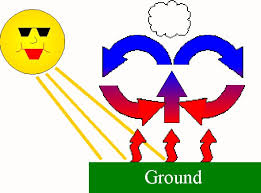
What kind of heat transfer happens when the sun is heating your body?
a)
Conduction
b)
Radiation
c)
Convection
d)
Density
4.
Which of the following is an example of convection?
a)
A hair dryer is drying up your hair.
b)
When the AC or heater changes the temperature.
c)
When a car engine turns hot after being turned on.
d)
When you are making soup and the water is rising and lowering.
5.
The way the heat is moving from the hot coffee is called...
a)
convection
b)
radiation
c)
insulation
d)
conduction
6.
Warm air rises and the cool air sinks demonstrates this type of heat transfer. 
a)
conduction
b)
convection
c)
radiation
d)
Insolation 
7.
The baby chickens are kept warm from the heat lamps demonstrates this type of heat transfer. 
a)
conduction
b)
convection
c)
radiation
8.
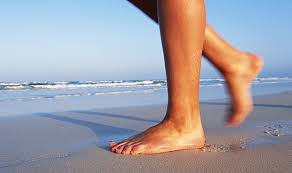
Walking on the warm sand sand with your bare feet demonstrates this type of heat transfer. 
a)
conduction
b)
convection
c)
radiation
9.
The Gulf Stream is a current that brings warm ocean water from the south to the north. What type of heat transfer is this?
a)
conduction
b)
convection
c)
radiation
d)
Insolation 
10.
Johnny accidentally grabbed the handle of the hot pot.
a)
conduction
b)
convection
c)
radiation
11.
A group of friends gather around a fire to stay warm.
a)
conduction
b)
convection
c)
radiation
12.
Transfer of thermal energy through "space"
a)
conduction
b)
convection
c)
radiation
13.

Transfer of thermal energy through "flow" of liquids and gases

a)

conduction

b)

convection

c)

radiation

14.
Transfer of thermal energy through "touch"
a)
conduction
b)
convection
c)
radiation
15.
Near the ceiling of a room the air is warmer.  The warm air rises because of
a)
conduction
b)
convection
c)
radiation
16.
A huge rock at the state park gets so hot during the day because of
a)
conduction
b)
convection
c)
radiation
17.
You get sunburned due to __________ from the sun.
a)
conduction
b)
convection
c)
radiation
18.
A chair is placed several feet from a fireplace.  The fireplace has a glass screen.  The side of the chair facing the fireplace gets warm because of 
a)
conduction
b)
convection
c)
radiation
19.

Base your answer to the question on the diagram above, which shows insulated styrofoam cups of water connected by an aluminum bar. The thermometers show the temperatures of the cups A and B at the beginning of a heat flow experiment. Over the next 15 minutes, which changes would most likely occur?

a)

The temperature in cup A will decrease and the temperature in cup B will increase.

b)

The temperature in cup A will decrease and the temperature in cup B will decrease.

c)

The temperature in cup A will increase and the temperature in cup B will increase

d)

The temperature in cup A. will increase and the temperature in cup B will decrease.

20.

Heat always moves

a)

in convection currents

b)

by radiation

c)

from hot to cold

d)

from cold to hot

21.
The Theory of the Conservation of Energy states -
a)
Energy can be created, just not destroyed. It changes its form from one type to another.
b)
Energy can never be created nor destroyed. It can only change its form from one type to another.
c)
The total energy in our Universe changes, as different forms of energies can be transformed from each other under certain circumstances.
d)
Energy transformations do not passively occur in our lives, rather we actively make use of energies and transform energies.
22.
Which type of energy transformation occurs when a flashlight shines?
a)
chemical → thermal → electrical
b)
chemical → electrical → light
c)
thermal → chemical → light
d)
chemical → electrical → chemical
23.
A lamp that plugs into a wall socket draws energy which flows through a thin wire in the bulb causing it to glow. What energy transformations are taking place?
a)
chemical → light → electrical
b)
mechanical → sound → light
c)
thermal → solar → electrical
d)
electrical → thermal → light
24.
Some students observing a classroom device being used, noticed the below energy transformations. 
Electrical → Mechanical → Sound
Which device were the students most likely observing?
a)
A triple beam balance measuring an object’s mass.
b)
A pencil sharpener plugged into a wall outlet.
c)
A projector displaying a diagram on the screen.
d)
A working flashlight used to light up a dark corner.
25.
Which kind of energy change occurs when a candle is burning?
a)
Chemical to light.
b)
Light to electrical.
c)
Solar to heat.
d)
Chemical to electrical.
26.
When water falls through a dam and turns a turbine connected to a generator, electricity is produced. This electricity is often used to light our homes and offices. Which of the following shows the energy transformations that occurs?
a)
electrical → light → mechanical
b)
chemical → mechanical → electrical
c)
mechanical → chemical → light
d)
mechanical → electrical → light
27.
Which of the following shows the correct order of the energy transformations that occur when green plants produce their food from the Sun’s energy?
a)
chemical → thermal
b)
light → chemical
c)
thermal → light
d)
chemical → electrical
28.
What is the energy transformation?
a)
Electrical to Electromagnetic
b)
Mechanical to Electrical
c)
Electrical to Thermal
d)
Kinetic to Sound
29.
Chemical Energy is transferred to _____ Energy.
a)
Thermal
b)
Solar
c)
Mechanical
d)
Chemical
30.
The Electrical Energy of the stove is transferred to _____ Energy.
a)
Solar
b)
Thermal
c)
Potential
d)
Electrical
31.
Energy transformations occur when...
a)
energy is created through conduction
b)
energy changes from one form to another
c)
two forces slide together that are touching
d)
a chemical reaction takes place
32.
A television works by transforming electrical energy into what other kinds of energy?
a)
Light, thermal, and sound
b)
Thermal, chemical, and solar
c)
Sound, mechanical, and electrical
d)
Light, chemical, and mechanical
33.

Which widely used energy sources are nonrenewable and also a source of greenhouse gas emissions?

a)

wind turbines

b)

hydroelectric dams

c)

fossil fuels

d)

solar cells

34.

Wind is becoming more common as a source of energy. Wind farms require large open spaces for the wind turbines. A negative consequence of this technology is wind turbines

a)

are an inexpensive source of energy.

b)

cause little pollution to the environment.

c)

may hurt the flying animals in the area.

d)

are a renewable source of energy.

35.

Which renewable resource the sun to produce electricity?

a)

hydrothermal energy

b)

solar energy

c)

geothermal energy

d)

nuclear energy

36.

In swamps, layers of dead plants can build up and form peat. Peat can get buried and over millions of years change into coal that can be burned to make energy. Coal is considered to be which type of resource?

a)

nonrenewable

b)

renewable

c)

reusable

d)

biomass

37.

Some regions produce large amounts of geothermal energy. This energy production indicates that the crust in these regions

a)

has large oil reserves.

b)

reaches deep into the earth.

c)

is rich in precious metals.

d)

is heated by nearby magma.

38.

Which of these BEST describes wind energy?

a)

limited

b)

renewable

c)

damaging

d)

inexpensive

39.

Which is an example of a renewable energy resource?

a)

biomass

b)

coal

c)

oil

d)

gas

40.

The US has significant deposits of oil shale, and the technology exists to mine and refine the oil. However, this technology has yet to be used on a large scale in this country. Which statement BEST explains this delay?

a)

There are large oil shale deposits in other countries as well.

b)

The cost of obtaining and using oil from oil shale currently exceeds the benefit.

c)

Consumers in the US have little demand for any oil resources.

d)

Oil from oil shales requires more time underground before it can be used.

41.

The construction of Hoover Dam on the Colorado River resulted in abundant fresh water and electrical power for the region. Which of these is a disadvantage of the construction of the Hoover Dam?

a)

an increase in flooding downstream

b)

an increase in regional humidity

c)

a decrease in the amount of river ecosystems

d)

a decrease in the amount of water for irrigation

42.

Coal is used for generating about 53% of electrical energy in the US. Which of these environmental issues is directly contributed to by the burning of coal?

a)

beach erosion

b)

ozone depletion

c)

overfishing

d)

air pollution

43.

Scientists at a local university have been studying the impact that people have on Earth. One of the areas being studying is how the burning of fossil fuels affects the environment. Which effect of fossil fuel burning have the scientists MOST likely evaluated?

a)

the production of nitrogen-fixing bacteria

b)

the mechanical weathering of roads

c)

the formation of acid rain

d)

the increase in runoff

44.

Which resource when used causes the MOST pollution?

a)

solar

b)

coal

c)

wind

d)

water

45.

Before strip mining for coal, the topsoil in the area is removed and stored. After mining operations are completed, the land is leveled and topsoil is replaced. The purpose of replacing topsoil is

a)

to prevent wind from weathering and eroding surface coal.

b)

to prevent radioactive elements from polluting water sources.

c)

to provide an environment for now coal formation.

d)

to restore the area to a natural condition.