
 Worksheets
Polarity/IMF Practice 1
Total questions: 20
Worksheet time: 14mins

Is this molecule polar or non-polar?
Polar
Non-polar

Is this molecule polar or non-polar?
Polar
Non-polar

Is this molecule polar or non-polar?
Non-polar
Polar

Is this molecule polar or non-polar?
Non-polar
Polar

Is this molecule polar or non-polar?
Polar
Non-polar


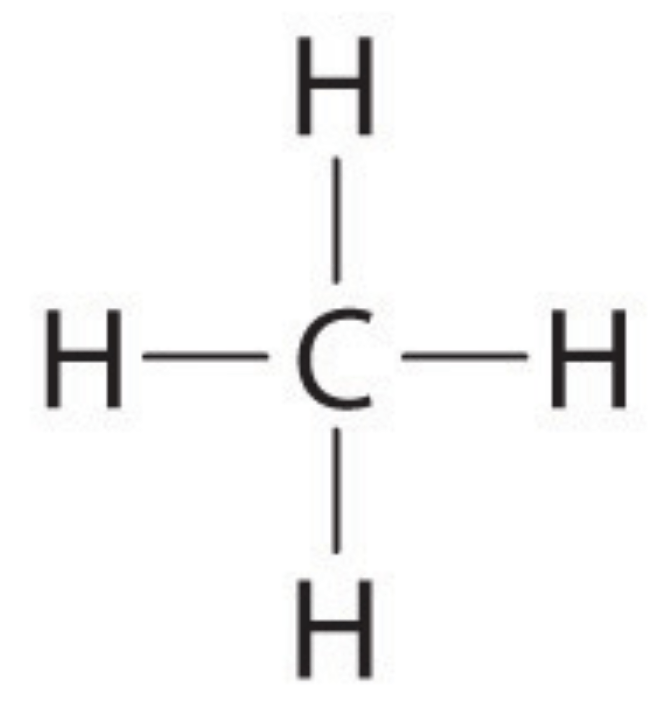
Classify the following molecule.
polar
nonpolar
Classify the following molecule as polar or nonpolar: HCl
Polar
Nonpolar
Classify the following molecule as polar or nonpolar: F2
Polar
Nonpolar

Is the following molecule polar or nonpolar?
polar because there are different types of elements bonded to the central atom
nonpolar because the central atom has no lone pairs of electrons
polar because the central atom has a lone pair of electrons
nonpolar because there are no lone pairs on the central atom and the atoms bonded to the central atom are all the same
Which substance would have the weakest intermolecular forces of attraction?
CH4
NaCl
H2O
MgF2

Intermolecular forces for: NH3
Dispersion Force
Dipole dipole
Hydrogen bonding
Which substance has the weakest intermolecular forces?
Substance A, boiling point of 75 °C
Substance B, boiling point of 105 °C
Substance C, boiling point of 25 °C
Substance d, boiling point of 45 °C

