wayground logo

Free Printable Worksheets

Font size

S
M
L
XL
Worksheets

Weathering Erosion Deposition Review

Total questions: 77

Worksheet time: 1hrs 15mins

Name
Class
Date
1.
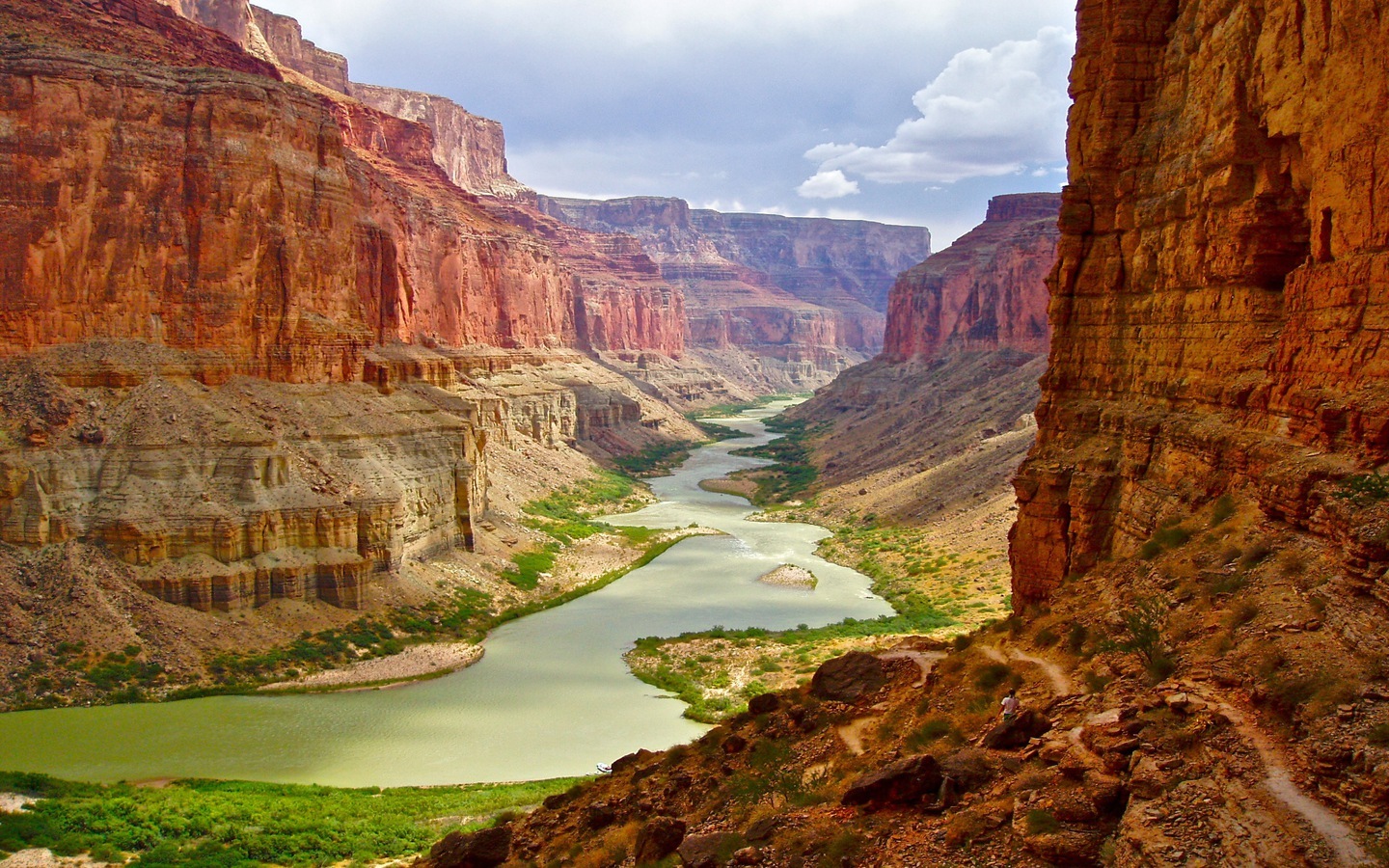
Flood water pounding against a canyon wall and wearing it down
a)
Weathering
b)
Erosion
c)
Deposition
2.
Rain washing away soil from a hillside
a)
Weathering
b)
Erosion
c)
Deposition
3.
Waves dropping sand on the beach
a)
Weathering 
b)
Erosion
c)
Deposition
4.
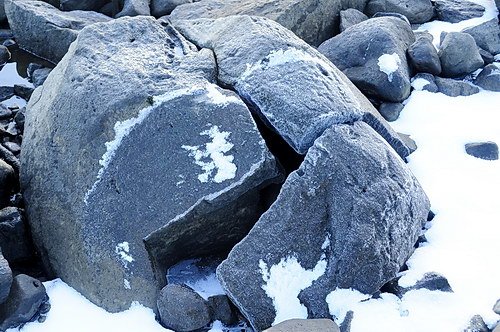
Water getting into cracks, freezing, and breaking the rocks or pavement apart
a)
Weathering
b)
Erosion
c)
Deposition
5.
Wind blowing sand from one location to another
a)
Weathering
b)
Erosion
c)
Deposition
6.
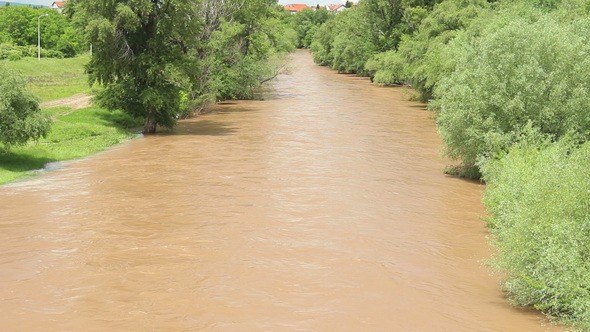
Muddy water being carried away by a fast-moving river
a)
Weathering
b)
Erosion
c)
Deposition 
7.
Flood waters moving soil from one location to another
a)
Weathering
b)
Erosion
c)
Deposition
8.
What is the major cause of weathering and erosion?
a)
wind
b)
ice
c)
glaciers
d)
moving water
9.
The process of breaking up rocks on Earth's surface is called...
a)
sediment
b)
erosion
c)
weathering
d)
deposition 
10.
The process by which small pieces of rocks and soil are carried away to new locations is called...
a)
deposition
b)
erosion
c)
weathering
d)
faults
11.
Mounds of wind-deposited sand in deserts and on shorelines are
a)
sea arches
b)
sea stacks
c)
dunes
d)
cliffs
12.
Which causes chemical weathering?
a)
acids and oxygen
b)
water, wind and gravity
c)
abrasion
d)
root and ice wedging
13.
Plants usually break open small cracks in rocks with their
a)
seeds
b)
roots
c)
branches
d)
pollen
14.
Lichen secretes an acid that breaks down rock.
a)
Mechanical Weathering
b)
Chemical Weathering
15.

_____________________ happens when rocks on Earth's surface break apart or change without moving anywhere.

a)

Erosion

b)

Weathering

c)

Deposition

16.

_____________________ is the movement of soil and rock by wind, water, ice, and gravity.

a)

Weathering

b)

Erosion

c)

Deposition

17.

Eroded materials are called _______________________.

a)

constructive

b)

chemical weathering

c)

sediments

18.

_______________ moves material from one place to another.

a)

Weathering

b)

Erosion

c)

Deposition

19.

__________________ is a process that weathers rock without a chemical reaction or change.

a)

Physical weathering

b)

Chemical weathering

c)

Deposition

20.

This is an example of _____________________________.

a)

physical weathering

b)

chemical weathering

21.

Waves crashing against a cliff is an example of __________________________ weathering. This is also known as the breaking of rock into smaller pieces by gravity, ice, plant roots, or other factors.

a)

physical

b)

chemical

22.

What is weathering?

a)

occurs when the eroded materials are dropped or laid down

b)

fragments of weathering rocks

c)

the process by which rock materials are broken down by the action of physical and chemical process

d)

the process by which wind, water, ice or gravity transport weathered materials from one location to another

23.

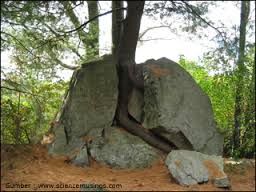
Which picture shows an animal causing physical weathering?

a)
b)
c)
d)
24.

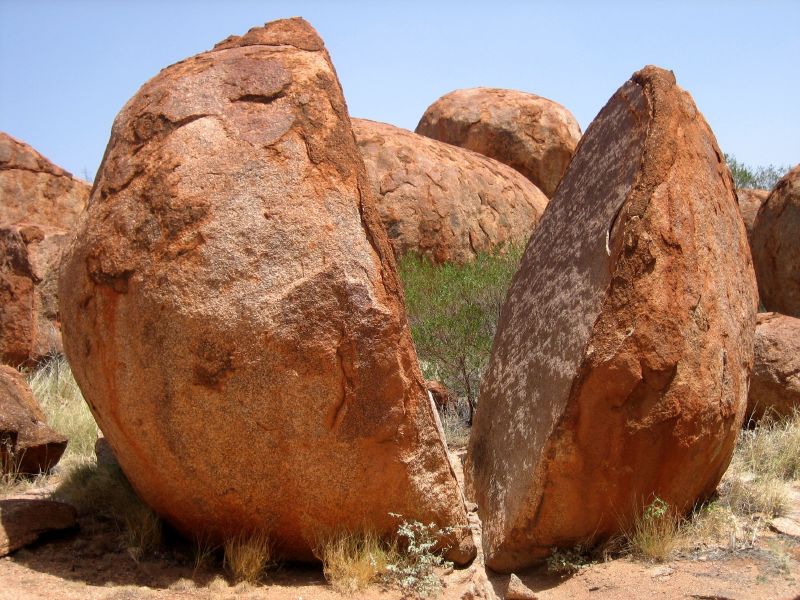
In the pictures below, choose a picture that shows chemical weathering of rock.

a)
b)
c)
d)
25.

In the pictures below, choose a picture that shows physical weathering of rock that has abrasion caused by wind.

a)
b)
c)
d)
26.

What are glaciers?

a)

They are winding rivers that carry sediment to a delta

b)

They are waves that constantly crash against the shoreline.

c)

are huge masses of ice that move slowly over land.

d)

They are sand dunes that form from wind depositing sediments.

27.
An avalanche is an example of which process?
a)
Weathering
b)
Erosion
c)
Deposition
d)
Volcanic Eruption
28.
How does freezing water cause the weathering of rocks?  The freezing water—
a)
keeps the rocks in place.
b)
makes the rocks last longer.
c)
expands cracks and breaks rocks.
d)
causes rocks to fall in landslides.
29.
The process that breaks down rocks and other materials on Earth's surface is called
a)
Weathering
b)
Erosion
c)
Deposition
d)
Decomposition
30.
Over long periods of time, deposition may change the Earth’s surface by _____.
a)
forming new land features.
b)
breaking down large rocks into smaller ones.
c)
washing away beaches.
d)
moving topsoil.
31.
A cliff formed near the ocean.  Which statement best describes how this cliff formed?
a)
Warm air melted the rock.
b)
Sun rays evaporated the rock.
c)
Ocean waves washed away rock.
d)
Plant roots pushed away the rock.
32.
What is the process that picks up and moves weathered rocks?
a)
Deposition
b)
Landslide
c)
Weathering
d)
Erosion
33.
Deposition changes the Earth’s surface because bits of broken rock and soil _____.
a)
stop rivers from flowing.
b)
make rich farmlands.
c)
are dropped in new places.
d)
move very slowly.
34.
What causes the greatest erosion effect on our beaches?
a)
Waves
b)
Gravity
c)
Glaciers
d)
Wind
35.
The process by which water, ice, wind, or gravity moves weathered rock and soil from one place to another.
a)
Weathering
b)
Erosion
c)
Deposition
d)
Crop Rotation
36.
Which of these is an example of erosion?
a)
Light shining onto a mountain.
b)
Rain breaking down rocks on a mountain into smaller pieces. 
c)
Wind blowing away sediment to a new place on the mountain.
d)
All of the above.
37.
Layers of sediment forming at the bottom of the ocean floor is an example of
a)
Weathering
b)
Erosion
c)
Deposition
d)
Awesome Science
38.
Muddy water being carried away by a fast-moving river is an example of
a)
Weathering
b)
Erosion
c)
Deposition 
d)
A nice place to swim
39.
What is an enormous mass of ice moving over land, causing weathering of rock and soil?
a)
A glacier
b)
An iceberg
c)
An ice wedge
d)
A sand dune
40.
How do plants weather rocks?
a)
During photosynthesis
b)
When roots grow into cracks of rocks and expand the rock breaks.
c)
When the plant moves water from the roots to the leaves, the rock breaks.
d)
Plants don't weather rocks.
41.
What is the wearing away or breaking down of rocks called?
a)
Deposition
b)
Erosion
c)
Glaciers
d)
Weathering
42.
Flood water pounding against a canyon wall and wearing it down is an example of
a)
Weathering
b)
Erosion
c)
Deposition
d)
An avalanche
43.

_____ is the breaking down, or disintegration, of substances such as rocks and minerals by physical, chemical, or biological processes. (This is breaking material into smaller pieces).

a)

Deposition

b)

Erosion

c)

Weathering

44.

_____ is water getting into cracks, freezing, and breaking the rocks or pavement apart.

a)

Weathering

b)

Erosion

c)

Deposition

45.

_____ Is when particles carried by water, ice, or wind are deposited in another location (Make something new).

a)

Deposition

b)

Erosion

c)

Weathering

46.

_____ is the breaking down, or disintegration, of substances such as rocks and minerals by physical, chemical, or biological processes. (This is breaking material into smaller pieces).

a)

Deposition

b)

Erosion

c)

Weathering

47.

_____ is water getting into cracks, freezing, and breaking the rocks or pavement apart.

a)

Weathering

b)

Erosion

c)

Deposition

48.

_____ Is when particles carried by water, ice, or wind are deposited in another location (Make something new).

a)

Deposition

b)

Erosion

c)

Weathering

49.

_____ is waves dropping sand on the beach.

a)

Weathering

b)

Erosion

c)

deposition

50.

____ is the movement of sediment or soil from one location to another by means of water, ice, or wind. (Take material away)

a)

weathering

b)

erosion

c)

deposition

51.

____ is flood water pounding against a canyon wall and wearing it down.

a)

Weathering

b)

Erosion

c)

Deposition

52.

____ is rain washing away soil from a hillside.

a)

Weathering

b)

Erosion

c)

Deposition

53.

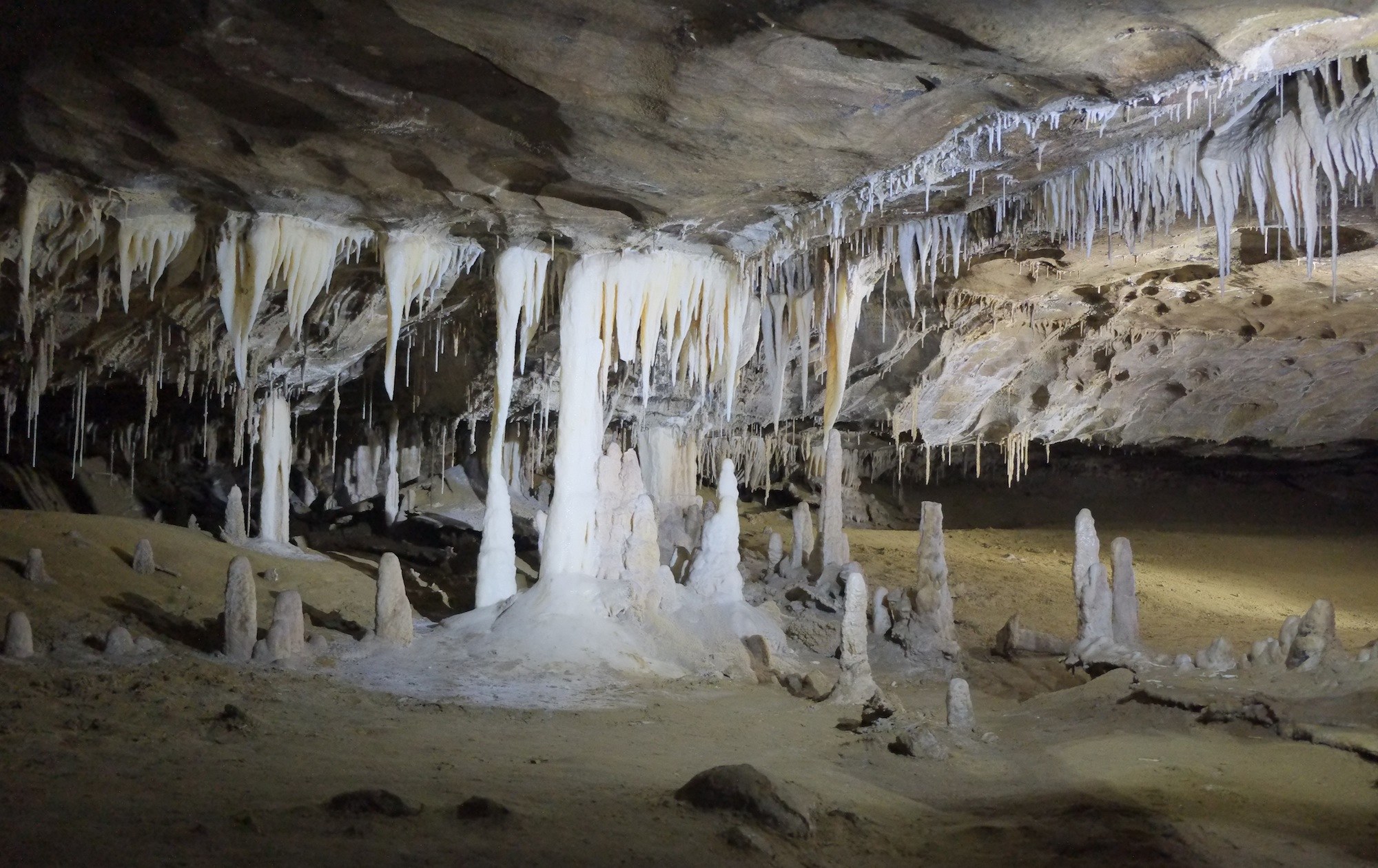
_____ is caves being formed by acid rain dissolving underground limestone.

a)

Weathering

b)

Erosion

c)

Deposition

54.

_____ is glaciers dropping rocks and sand to form terminal moraines.

a)

Weathering

b)

Erosion

c)

Deposition

55.
The process by which natural forces move weathered rock and soil from one place to  another is —
a)
weathering
b)
erosion
c)
runoff
d)
sediment
56.
The process by which sediment is laid down into new locations.
a)
watershed
b)
drop off
c)
sediment
d)
deposition
57.
The process by which natural forces move weathered rock and soil from one place to  another is —
a)
weathering
b)
erosion
c)
runoff
d)
sediment
58.
The process by which sediment is laid down into new locations.
a)
watershed
b)
drop off
c)
sediment
d)
deposition
59.
The process that breaks down rock through chemical means - 
a)
chemical weathering
b)
physical weathering
c)
physical property
d)
chemical property
60.
What type of weathering has occurred in the image?
a)
erosion
b)
physical
c)
acid rain
d)
chemical
61.
What type of weathering causes the above change?
a)
chemical weathering
b)
angled weathering
c)
rustification weathering
d)
physical weathering
62.
What type of chemical weathering caused this tombstone to change over time?
a)
hydrolysis
b)
carbonation
c)
acid rain
d)
oxidation
63.
What type of weathering occurs when a rock is broken down into smaller pieces? 
a)
physical weathering
b)
precipitation
c)
chemical weathering
d)
acid rain weathering
64.
Which of the following factors will cause the rate of weathering to increase?
a)
a smooth surface
b)
a warm climate
c)
a dry climate
d)
a cool climate
65.
Flood waters moving soil from one location to another is an example of what?
a)
deposition
b)
erosion
c)
biotic factor
d)
weathering
66.
Deltas are built up by - 
a)
deposition
b)
abrasion
c)
erosion
d)
weathering
67.
Which of the following causes of weathering is classified as chemical?
a)
abrasion
b)
acid rain
c)
frost wedging
d)
release of pressure
68.
Which of the following causes of weathering is classified as chemical?
a)
abrasion
b)
acid rain
c)
frost wedging
d)
release of pressure
69.
What is the best prediction of what will occur if the water in the cracks of the rock  freezes? 
a)
The rock will not change when the water freezes
b)
the frozen water will increase the size of the crack
c)
the crack will force the frozen water to evaporate
d)
the rock will absorb the frozen water to reduce the crack size
70.

Rain washing away soil from a hillside is an example of what?

a)

Weathering

b)

Erosion

c)

Deposition

d)

Compaction

71.

Waves dropping sand on the beach is an example of what?

a)

Weathering

b)

Erosion

c)

Deposition

d)

Compaction

72.

Caves being formed by acid rain dissolving underground limestone are examples of what?

a)

Chemical Weathering

b)

Erosion

c)

Deposition

d)

Mechanical Weathering

73.
What is the major cause of weathering and erosion?
a)
wind
b)
ice
c)
glaciers
d)
moving water
74.
What is mechanical weathering?
a)
Process through which rocks are physically broken into smaller pieces.
b)
Rocks are broken down through chemical changes.
c)
Rocks are worn away from acid in plant roots.
d)
Rocks broken down by machinery.
75.
In which type of climate would weathering happen the fastest to a rock?
a)
wet and warm
b)
dry and cold
c)
wet and cold
d)
dry and warm
76.
If the same type of rock were placed in a rainforest, desert, a forest in Tennessee, and the North Pole, in which area would the rock weather the fastest?
a)
rainforest
b)
desert
c)
North Pole
d)
forest in Tennessee
77.
Deposition changes the Earth’s surface because bits of broken rock and soil _____.
a)
stop rivers from flowing.
b)
make rich farmlands.
c)
are dropped in new places.
d)
move very slowly.