
 Worksheets
Water Cycle
Total questions: 40
Worksheet time: 52mins
What controls whether water is a gas, liquid, or solid ice?
how long it has been in a place
if it is being used for anything
what temperature it is
what cup it is in
In the water cycle, rain, snow, or sleet falling to the ground is a form of ____?
collection
evaporation
precipitation
condensation
In the condensation stage of the water cycle, tiny drops of water combine together to form ______.
clouds
precipitation
evaporation
rain
The _______ is the movement of water into the air as water vapor and back to Earth's surface as precipitation.
water vapor
heat
water cycle

There are three stages of the water cycle in the picture. What's happening in letter A?
condensation
collection
precipitation
evaporation

There are three stages of the water cycle in the picture. What's happening in letter B?
precipitation
condensation
evaporation
collection

There are three stages of the water cycle in the picture. What's happening in letter C?
collection
evaporation
condensation
precipitation
What do we call the gas form of water as it changes from liquid to gas during evaporation?
water cycle
ice
water vapor
infilitration
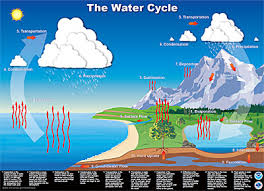
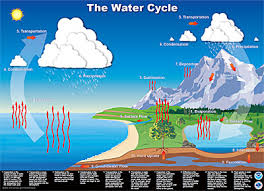
This provides the power to keep the water cycle running.
The Sun
The Earth
The wind
living things
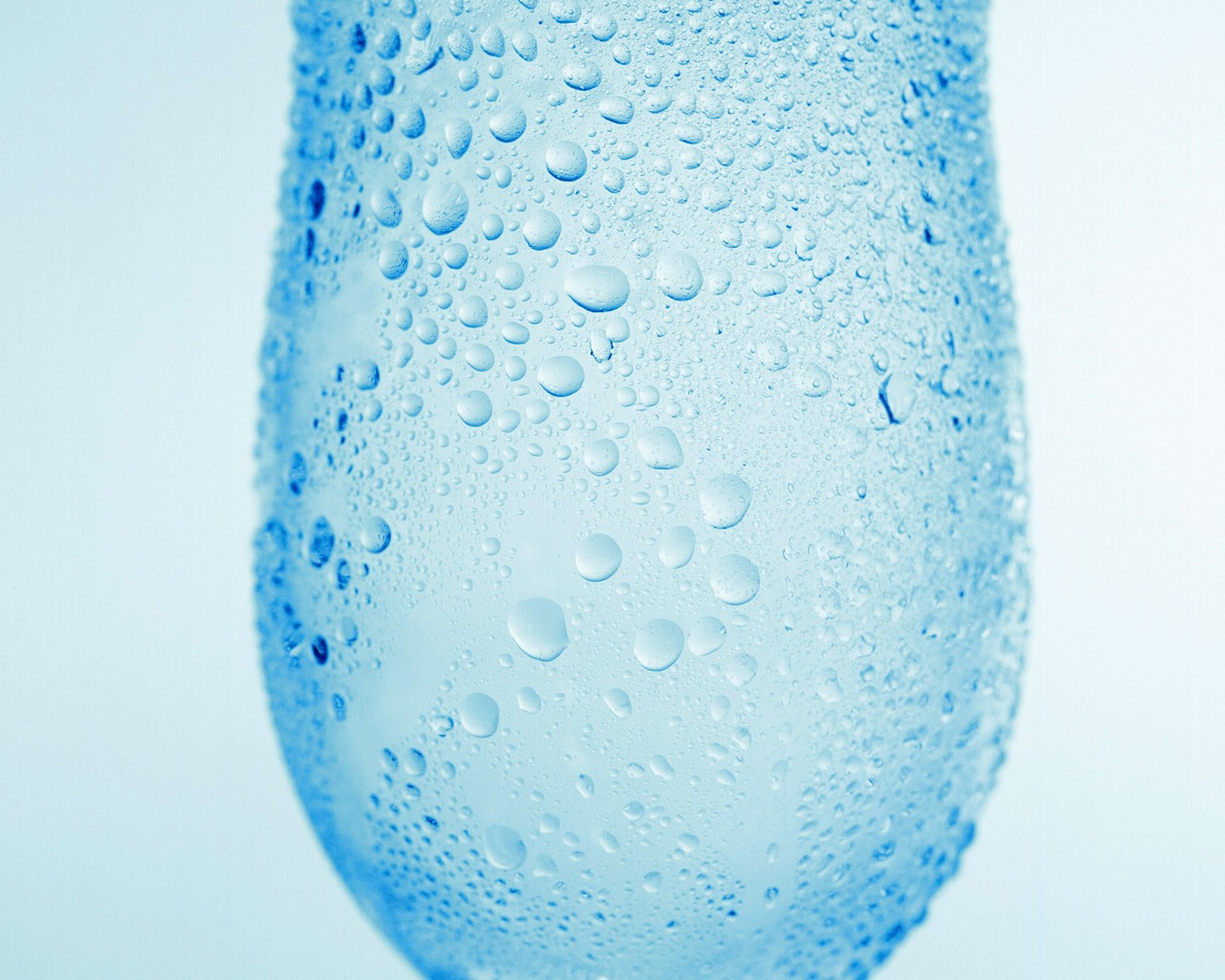
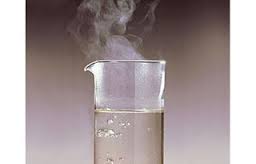
Most evaporation comes from
the ocean
rivers
plants
swimming pools
More precipitation falls into the ocean than anywhere else on Earth.
True
False
Snow forms when the temperature is below freezing.
True
False
Air _____ influences the weather by determining what type of precipitation will fall to the ground.
pressure
speed
humidity
temperature
What type of cloud is associated with thunderstorms, lightning, heavy rain, hail and tornadoes?
Cumulonimbus
Cumulus
Cirrus
Stratus
Which fluffy, white clouds with flat bottoms are usually present during fair weather?
Cumulonimbus
Cumulus
Cirrus
Stratus

# 2 is which type of cloud.
altocumulus
cirrus
cumulocirrus
nimbostratus
# 3 is which type of cloud.
altocumulus
cirrus
cumulonimbus
nimbostratus
# 7 is which type of cloud.
altocumulus
stratocumulus
cumulonimbus
stratus
# 9 is which type of cloud.
altocumulus
stratocumulus
cumulus
nimbostratus
The layer of gas surrounding a planet that is held in place by gravity is the
hydrosphere
biosphere
atmosphere
geosphere
I fall as rain and get blown back up into the clouds by wind, collecting more water and freezing. Once I get too heavy for wind to blow, I fall to Earth as-
sleet
rain
snow
hail
True or False - snow remains frozen from the time it leaves the cloud to the moment it hits the ground.
True
False

My temperature never gets below freezing as I fall to the ground and I remain a liquid all the way to Earth.
sleet
rain
hail
snow
freezing rain
Hail typically occurs during which TWO types of weather?


I am confused with freezing rain, but that freezes once it hits the ground. I start frozen, melt through warm air, then refreeze.
sleet
rain
snow
hail
Which claim BEST explains why some balls of hail have layers?
Water that freezes high in the atmosphere always forms layers.
Raindrops freeze from the inside out, forming one layer of ice at a time.
Cracks form layers in the ball of hail when the hail hits the ground.
Each time a ball of hail goes up and down within a thundercloud, a layer of ice is added.
Which of these best shows the correct sequence that forms sleet?
rain falls --> freezes --> melts
snow falls --> melts --> stays melted
snow falls --> melts --> freezes again
rain falls --> freezes --> gets blow backup --> melts --> falls again --> refreezes --> repeats multiple times

