
NEW
Font size
 Worksheets
Valence Electrons & Trends in the Periodic Table REVISION
Total questions: 34
Worksheet time: 22mins
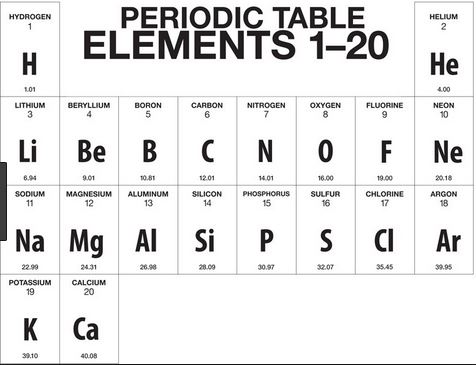
How many valence electrons does Hydrogen Have?
1 Valence electron
2 Valence electron
3 Valence electron
4 Valence electron
5 Valence electron
How many valence electrons does Helium Have?
1 Valence electron
2 Valence electron
3 Valence electron
4 Valence electron
5 Valence electron
How many electrons go in the first shell (ring) ?
6
8
4
2
How many valence electrons does Magnesium Have?
1 Valence electron
2 Valence electron
3 Valence electron
4 Valence electron
5 Valence electron
How many valence electrons does Aluminum Have?
1 Valence electron
2 Valence electron
3 Valence electron
4 Valence electron
5 Valence electron
How many valence electrons does Potassium Have?
1 Valence electron
2 Valence electron
3 Valence electron
4 Valence electron
5 Valence electron
How many valence electrons does Phosphorus Have?
1 Valence electron
2 Valence electron
3 Valence electron
4 Valence electron
5 Valence electron
How many valence electrons does Silicon Have?
1 Valence electron
2 Valence electron
3 Valence electron
4 Valence electron
5 Valence electron
How many valence electrons does Lithium Have?
1 Valence electron
2 Valence electron
3 Valence electron
4 Valence electron
5 Valence electron
How many valence electrons does Neon Have?
4 Valence electron
5 Valence electron
6 Valence electron
7 Valence electron
8 Valence electron
How many valence electrons does Fluorine Have?
4 Valence electron
5 Valence electron
6 Valence electron
7 Valence electron
8 Valence electron
How many valence electrons does Argon Have?
4 Valence electron
5 Valence electron
6 Valence electron
7 Valence electron
8 Valence electron
The group an element is in indicates
how many electron shells it has
how many valance electrons it has
nothing interesting
that Mendeleev was smart cookie
The period an element is in indicates
how many electron shells it has
how many valance electrons it has
nothing interesting
that Mendeleev was smart cookie
Atomic radius refers to..
the distance from the nucleus to its outermost shell
the distance from one side of the atom to the other
the distance between two bonded atoms
the distance between electrons in the same shell
The atomic radius increases as you
go down the periods in a group
go up the periods in group
The atomic radius decreases as you go from the
left side of the periodic table to the right
right side of the periodic table to the left
The elements with the largest atomic radius would be in the
top left corner of the periodic table
top right corner of the periodic table
bottom left corner of the periodic table
bottom right corner of the periodic table
The atomic radius changes in elements of the same period because
they have increasing numbers of protons
they all have different numbers of electron shells
they have increased number of electrons
the proton become more positive
Metals typically want to
gain electrons
lose electrons
Non-metals typically want to
gain electrons
lose electrons
In metals, reactivity decreases as you go from the
left side of the periodic table to the right side
right side of the periodic table to the left side
N or C?
H or F?
Cl or Al?

