wayground logo

Free Printable Worksheets

NEW

Font size

S
M
L
XL
Worksheets

WEATHERING TYPES/ROCK CYCLE SPRIRAL

Total questions: 47

Worksheet time: 41mins
Name
Class
Date
1.
Weathering is...
a)
the breaking apart, wearing away, or dissolving of rock. 
b)
the scraping away of materials
c)
material that comes from the weathering of rock
d)
the moving of sediment and rock from one place to another. 
2.
Sediment is...
a)
the breaking apart, wearing away, or dissolving of rock. 
b)
the scraping away of materials
c)
material that comes from the weathering of rock
d)
the moving of sediment and rock from one place to another. 
3.
Abrasion is...
a)
the breaking apart, wearing away, or dissolving of rock. 
b)
the scraping away of materials
c)
material that comes from the weathering of rock
d)
the moving of sediment and rock from one place to another. 
4.
Erosion is...
a)
the breaking apart, wearing away, or dissolving of rock. 
b)
the scraping away of materials
c)
material that comes from the weathering of rock
d)
the moving of sediment and rock from one place to another. 
5.
Which is an example of Erosion?
a)
Sand being pulled away from a beach by waves.
b)
Roots of a tree breaking apart a rock
c)
water in a river smoothing down rocks.
6.
What is the breakdown of the Earth’s crust into sediment called?
a)
weathering 
b)
raining
c)
Erosion
d)
Whooshing
7.
What is it called when weathered rock is carried away?
a)
Weathering 
b)
Raining
c)
Erosion
d)
Breaking
8.
Which of these is an example of erosion?
a)
light shining onto a mountain
b)
wind blowing away sediment
c)
rain breaking down rock
d)
All of the above
9.
What is the process called when a glacier deposits rocks in oceans and lakes?
a)
Weathering
b)
Erosion
c)
Minerals
d)
Deposition 
10.
These rocks were made smooth by wind blowing smaller rock particles across their surface.  This is an example of:
a)
ice wedging
b)
chemical weathering
c)
acid rain
d)
abrasion
11.
This type of weathering occurs when rock is physically broken down into smaller pieces of rock.
a)
mechanical weathering
b)
chemical weathering
c)
erosion weathering
d)
deposition
12.

What can you infer about ice?

a)

It usually causes chemical weathering.

b)

It expands as it freezes.

c)

It barely causes weathering at all.

d)

It does not exert pressure on rocks.

13.

How is mechanical weathering different from chemical weathering?

a)

Chemical weathering happens over a much shorter time frame than mechanical weathering.

b)

Chemical weathering occurs in the tropics; mechanical weathering occurs in temperate climates.

c)

Chemical weathering occurs in mountains; mechanical weathering occurs on flat surfaces.

d)

Chemical weathering changes the chemical composition of materials; mechanical weathering does not.

14.

How does freezing water cause the weathering of rocks? The freezing water—

a)

keeps the rocks in place

b)

makes the rocks last longer

c)

expands, cracks, and breaks rocks

d)

causes rocks to fall in landslides

15.
How do plants weather rocks?
a)
during photosynthesis
b)
when roots grow into cracks of rocks and expand the rock
c)
when the plant moves water from the roots to the leaves
16.

Grinding away of rock by rock particles carried by wind, water, ice and gravity is

a)

abrasion

b)

gravity

c)

carbon dioxide

d)

thermal expansion (temperature)

17.
the process by which layers or sheets of rock gradually break off
a)
exfoliation
b)
abrasion
c)
erosion
d)
deposition
18.
fossil fuels react with water producing acid rain that wears minerals away in the rock
a)
chemical weathering
b)
mechanical weathering
c)
erosion
d)
deposition
19.
animals break up the ground by burrowing
a)
mechanical weathering
b)
chemical weathering
c)
erosion
d)
deposition
20.
Carbon dioxide in rainwater dissolves limestone
a)
Chemical weathering
b)
Mechanical weathering
21.
Major causes of weathering include
a)
Animals
b)
Plants
c)
Weather and Water
d)
All of the above
22.
Exposure to rain and oxygen causes the metal minerals in rocks to rust and fall apart.  This is an example of:
a)
mechanical weathering
b)
chemical weathering
23.
____________________ is the most significant form of erosion.
a)
Wind
b)
Water
c)
Waves
d)
Glaciers
24.
_________________ can be compared to sandblasting.
a)
deflation
b)
abrasion
c)
deposition
25.
__________________occurs when materials containing iron are exposed to oxygen and water.
a)
Erosion
b)
Root pry
c)
Ice wedging
d)
Oxidation
26.
Water and carbon dioxide combine to form_____________________________. 
a)
acid rain
b)
carbonic acid
c)
oxidation
27.
________________ is oxidized iron.
a)
Carbonic acid
b)
Rust
c)
Calcite
28.
One cup of water is left outside for two days when it was checked there was only half a cup left. What happened?
a)
evaporation; chemical change
b)
condensation; physical change 
c)
evaporation; physical change
d)
condensation; chemical change
29.
When you break a cracker into pieces it is a 
a)
Chemical change
b)
Physical change
c)
Chemical Weathering
d)
Physical Weathering
30.
Is moldy cheese a chemical or physical change?
a)
chemical
b)
physical
31.
Is spoiled meat a chemical or physical change?
a)
chemical
b)
physical
32.
Is mowing the lawn a phyiscal or chemical change?
a)
physical
b)
chemical
33.
Baking a cake by mixing flour, sugar, chocolate powder, eggs, and milk, and then heating them in the oven.
a)
Chemical Change
b)
Physical Change
34.

When water and oxygen cause a chemical reaction in iron to form rust (iron oxide).

a)

HYDROLYSIS

b)

OXIDATION

c)

THERMAL EXPANSION

d)

ABRASION

35.

As rocks tumble along with moving water, the edges end up getting smoothed and rounded. This is an example of _____________.

a)

WATER ABRASION

b)

WIND ABRASION

c)

HYDROLYSIS

d)

THERMAL EXPANSION

36.

_____________________ is the movement of soil and rock by wind, water, ice, and gravity.

a)

Weathering

b)

Erosion

c)

Deposition

37.

A ______________ is a hill of sand created by the wind.

a)

dune

b)

delta

c)

sediment

38.
The earth's surface is always
a)
the same
b)
changing
c)
smooth
d)
wet
39.

A piece of wood is sawed in two.

a)

Physical Change

b)

Chemical Change

40.
Which type of rock results from melting and cooling of magma?
a)
Igneous
b)
Metamorphic
c)
Sedimentary
d)
Extrusive
41.
Which type of rock forms from extreme heat and pressure?
a)
Igneous
b)
Sedimentary
c)
Organic
d)
Metamorphic
42.
A metamorphic rock changes into an igneous rock by what two processes?
a)
Melting and cooling
b)
Extreme heat and pressure
c)
Compaction and cementation
d)
Weathering and erosion
43.
When sediments are pressed together tightly, this is called ____________.
a)
Compaction
b)
Cementation
c)
Weathering
d)
Erosion
44.
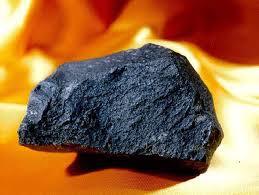
This rock was found near the mouth of a volcano. What type of rock is this?
a)
Sedimentary
b)
Igneous
c)
Metamorphic
45.
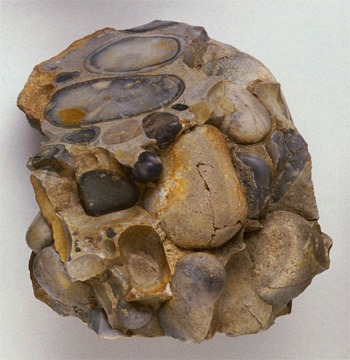
This rock was formed by smaller pieces of rock that settled at the bottom of a lake millions of years ago. What type of rock is this?
a)
Sedimentary
b)
Igneous
c)
Metamorphic
46.
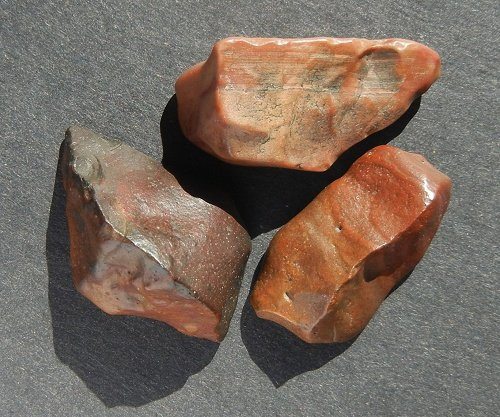
This rock is made from tiny pieces of other rocks that settled to the bottom of a valley millions of years ago. What type of rock is this?
a)
Sedimentary
b)
Igneous
c)
Metamorphic
47.
Fossils are often found in ____________ because it is formed from the remains of once living things.
a)
metamorphic
b)
magma
c)
igneous
d)
sedimentary