wayground logo

Free Printable Worksheets

Font size

S
M
L
XL
Worksheets

DCP# 3 Full Review

Total questions: 236

Worksheet time: 6hrs 26mins

Name
Class
Date
1.
What is the Law of Conservation of mass?
a)
Mass is created in a chemical reaction
b)
Mass is created in a physical change
c)
New chemicals formed from a chemical reaction have a larger overall mass than the original reactants
d)
Mass is never created or destroyed
2.
In a reaction A + B ----> C,  reactant A has 5g and product  C has 9g. How many grams does reactant B should have? 
a)
4g
b)
5g
c)
9g
d)
14g
3.
Matter can not be created nor destroyed: it can only be
a)
Destroyed a little bit
b)
Invisible
c)
Transformed, changed
d)
None of the above
4.
Which is Chemical Equation is Balanced?
a)
CH₄+O₂------CO₂+2H₂O
b)
H₂+O₂-----2H₂O₄
c)
4Al+3O₂-----2Al₂O₃
5.
How many nitrogen atoms does NH3 have?
a)
1
b)
2
c)
3
d)
4
6.
How many oxygen atoms are in this chemical formula?
a)
6 oxygen atoms
b)
2 oxygen atoms
c)
3 oxygen atoms
d)
4 oxygen atoms
7.
Which Chemical Equation is Balanced?
a)
CH₄+O₂------CO₂+2H₂O
b)
H₂+O₂-----2H₂O₄
c)
4Al+3O₂-----2Al₂O₃
8.
Bob puts 200 grams of ice into a pitcher with 900 grams of water. He gets distracted and comes back later to find that the ice has melted in the water. How many grams of water does Bob now have in the pitcher?
a)
200 g
b)
700 g
c)
1,100 g
9.
24 g of magnesium reacts with 38 g of fluorine to produce _____ g magnesium fluoride
a)
62 
b)
38
c)
24
d)
14
10.
What is the law of conservation of mass?
a)
The amount of matter changes when reacted or changed.
b)
The mass of all reactants are changed during a physical or chemical change
c)
The mass of the reactants equals the mass of the products
d)
The mass of the products is different than the mass of the reactants.
11.
Students react baking soda & vinegar.
Which of the following would provide the evidence that the number of atoms present before a chemical reaction is equal to the number of atoms present after the chemical reaction?
a)
The mass of the plastic bag, baking soda, and vinegar before the reaction was equal to the mass after the reaction.
b)
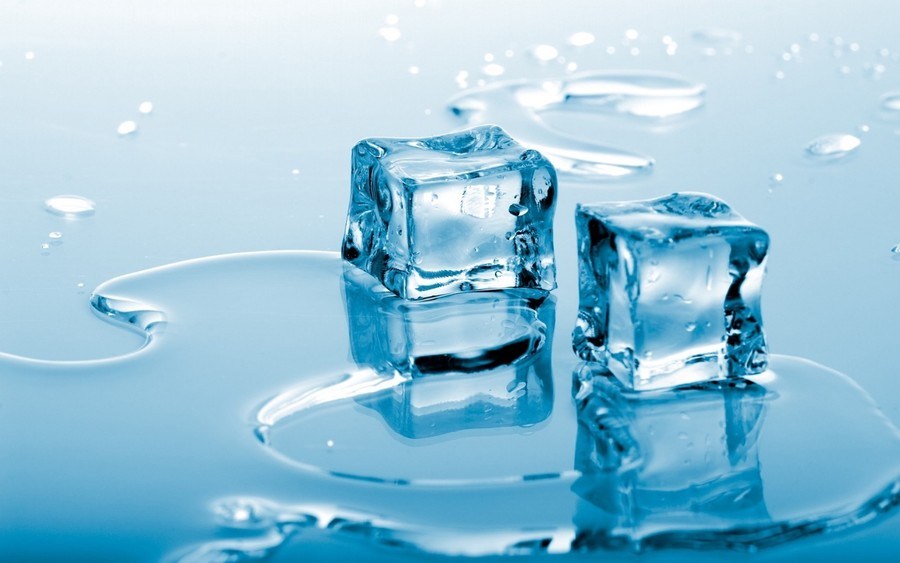
Bubbles were produced during the reaction, which meant that a gas was being produced.
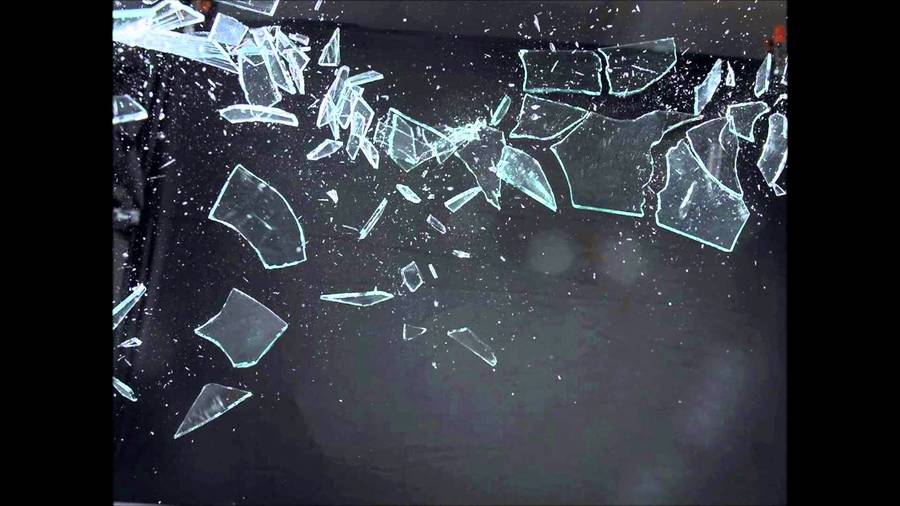
c)
The plastic bag did not change in any way, indicating that it was not involved in the reaction.
d)
The mass of the baking soda was exactly equal to the mass of the vinegar used to create the chemical reaction.
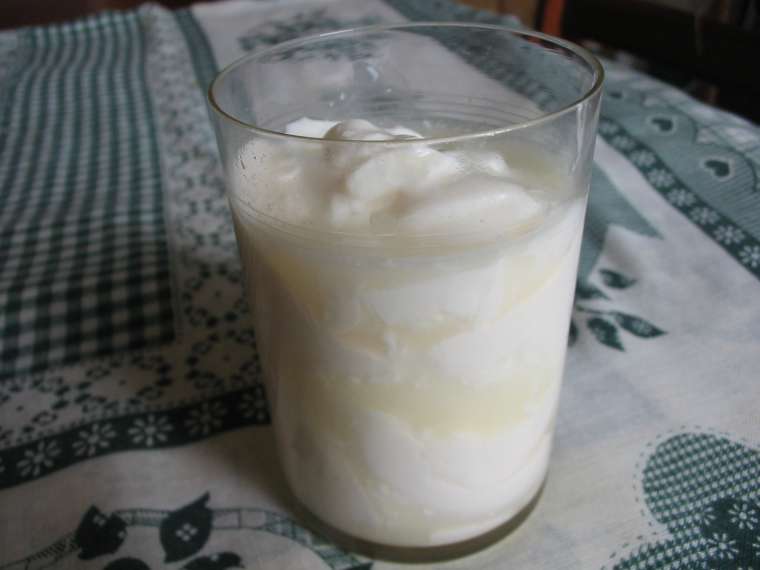
12.
When CaCO3 is heated, it forms CaO and CO2. Which of these statements best describes the mass of the products if 100 g of CaCO3 is heated?
a)
The difference in the products’ masses is equal to the mass of the CaCO3
b)
The sum of the products’ masses is less than the mass of the CaCO3
c)
The mass of each product is equal to the mass of the CaCO3
d)
The sum of the products’ masses equals the mass of the CaCO3
13.
If four hydrogen atoms react with two hydrogen atoms, how many atoms will be in the product?
a)
6
b)
4
c)
8
d)
2
14.
Which of the following examples shows that a chemical reaction has occurred? 
a)
A rock breaks into smaller pieces when it is struck with a hammer.
b)
Rust forms on a hammer that has been left outside to long. 
c)
A cup of water turns pink when a few drops of red food coloring are added. 
d)
A solid is formed when heat is removed from a sample of water. 
15.
A student places a piece of a potato into a container of hydrogen peroxide. One observation the student makes is that bubbles form around the potato. The presence of bubbles might indicate the formation of a new substance because bubbles - 
a)
could show that a gas is forming
b)
always rise to the top of a liquid. 
c)
are almost always perfectly spherical.
d)
usually burst after a few minutes.
16.
Four students performed four different investigations by combining different substances. Their results are shown in the table provided. In which experiment are new substances being formed?
a)
Experiment 1
b)
Experiment 2
c)
Experiment 3
d)
Experiment 4
17.
Hydrogen peroxide breaks down to form water and oxygen gas. Which observation is evidence that a chemical reaction has occurred?
a)
The mass of the solution remains the same.
b)
 Phase changes are observed.
c)
 The color of the solution remains clear.
d)
The temperature of the solution increases. 
18.
A clear liquid from a flask is poured into another clear liquid in a beaker. Which of the following results of this procedure would indicate a new substance was formed?
a)
The level of the substance in the beaker is higher after the other liquid is added.
b)
A yellow solid forms and then settles to the bottom of the beaker.
c)
Small white crystals are left behind in the flask that held the first liquid.
19.
Which of the following is an example that includes evidence of a chemical reaction?
a)
A sample of zinc is placed in water and it settles to the bottom
b)
A solid block of ice is heated and it completely melts into a liquid. 
c)
Sugar that is burned gives off an odor and turns brown and then black.
d)
A tomato is placed into a blender and chopped up into smaller pieces.
20.
In a container, a solid consisting of clear crystals is combined with a blue liquid and the following observations are obtained.
 How many of the listed observations indicate a new substance was formed?
a)
1
b)
2
c)
3
d)
4
21.
Evidence of a chemical reactions is anything that shows - 
a)
a new substance has formed
b)
a solid dissolved in a liquid
c)
interaction between 2 gases
d)
a change in the state of matter
22.
Which of the following is NOT evidence that that a chemical reaction has occurred?
a)
produces light/heat
b)
production of a gas
c)
formation of a precipitate
d)
melting
23.
For an investigation a student poured a blue solution of CuSO4 into a beaker. The student placed a shiny, silver-colored strip of zinc metal in the solution and observed the changes.
The student inferred that a chemical reaction occurred. What evidence supports this inference?
a)
A dark solid formed on the zinc metal.
b)

The zinc metal remained silver-colored and shiny
c)
The CuSO4 solution turned blue when the zinc metal was added.
d)
None of these
24.
The reactants are on the left side of the chemical equation.
a)
True
b)
False
25.
Two clear colorless solutions were combined.
The student observed that the temperature changed from 25 •C to 23 •C when the solutions were combined and that a white substance rapidly formed and settled to the bottom of the container. What most likely happened to produce these results?
a)
One of the original compounds came out of solution
b)
The solutions reacted chemically
c)
Some of the water froze into ice crystals
d)
Rapid evaporation of water occurred, leaving a solid
26.
Coal contains carbon and other elements. Carbon dioxide forms when coal burns in the presence of oxygen. Which of these is the best evidence that a chemical reaction occurs when coal burns?
a)
The shape of the coal changes
b)
Oxygen is present
c)
A new substance is produced
d)
Coal is made up of more than one element
27.
A scientist performed four investigations using eight different liquids. In each investigation, the scientist combined two of the liquids under a fume hood and recorded observations in the table below.In which investigation is it least likely that the liquids reacted chemically?
a)
1
b)
2
c)
3
d)
4
28.

1. Aluminum, sulfur, and chlorine are elements found on the periodic table. Tests involving these three elements would show that at normal room temperature--

a)

Sulfur is malleable and aluminum conducts electricity

b)

Chlorine is malleable and conducts electricity

c)

Aluminum is malleable and conducts electricity

d)

DAll three elements are malleable and conduct electricity

29.

2. Which statement does NOT correctly compare silicon with another element?

a)

Silicon is a better conductor of electricity than sulfur.

b)

Silicon conducts electricity as well as copper does.

c)

Silicon is a solid at room temperature, but argon is a gas.

d)

Silicon is less malleable than silver.

30.

A student is trying to classify an unidentified, solid gray material as a metal or a nonmetal, which question will best help will best help the student classify the material?

a)

Is the material malleable or ductile?

b)

Does the material fell hard to the touch?

c)

Will the material float in water?

d)

Does the material feel rough or smooth?

31.

4. Some students conducted a laboratory investigation to learn more about the physical properties of different elements. They observed four samples and recorded their observations in the table below. Based on these observations, which sample is most likely a nonmetal?

a)

Sample 1

b)

Sample 2

c)

Sample 3

d)

Sample 4

32.

A student is trying to classify an unidentified, solid gray material as a metal or a nonmetal. Which question will best help the student classify the material?

a)

Is the material malleable or ductile?

b)

Does the material feel hard to touch?

c)

Will the material float in water?

d)

Does the material feel rough or smooth?

33.

Which two elements on the periodic table are in the same periods?

a)

Sn and Rb

b)

F and Cl

c)

K and Ba

d)

Se and tE

34.

A student is studying the ways different elements are similar to one another. Diagrams of atoms from four different elements are shown below.


Which two atoms are of elements in the same group in the periodic table?

a)

Atom 1 and Atom 2

b)

Atom 1 and Atom 4

c)

Atom 2 and Atom 4

d)

Atom 3 and Atom 4

35.

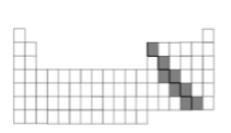
An element has a metallic-gray appearance. It also has the properties of both a metal and a nonmetal. n which section of the periodic table indicated above would the element most likely be found?

a)

1

b)

2

c)

3

d)

4

36.

The periodic table is organized into groups and periods of elements. The characteristics of a certain group of group of elements are listed below.


Which of these elements is in this group?

a)

Lithium

b)

Strontium

c)

Aluminum

d)

Silicon

37.

Element R and Element Q have the same number of valence electrons. These elements both have similar chemical behavior, but Element R has fewer energy levels than Element Q.


Which statement best describes the positions of the two elements in the periodic table?

a)

The two elements are in the same period, with Element R the first element in the period and Element Q the last element.

b)

The two elements are side by side in the same period, with Element Q to the left of Element R.

c)

The two elements are in the same group, with Element R just above Element Q.

d)

The two elements are in the same group, with Element Q at the top of the group and Element R at the bottom.

38.

The model of the periodic table shows the locations of four elements.


A student is asked to identify an element that is a pale-yellow brittle solid and does not conduct electricity. At which location in this periodic table would the element most likely be found?

a)

1

b)

2

c)

3

d)

4

39.

A model of beryllium atom is shown below.


What types of particles are found in the cloud surrounding the atom's nucleus?

a)

Positively charged particles and negatively charged particles

b)

Negatively charged particles only

c)

Neutral particles and positively charged particles

d)

Positively charged particles only

40.

What is the mass number of a potassium (K) atom that has 20 neutrons?

a)

18

b)

19

c)

20

d)

39

41.

Which of the following best describes an electron?

a)

It has no charge and about the same mass as a proton.

b)

It has a negative charge and much less mass than a proton.

c)

It has a positive charge and much more mass than a neutron.

d)

It has a negative charge and about the same mass as a neutron.

42.

An atom has 25 protons, 30 neutrons, and 25 electrons. What is the charge of the atoms' nucleus?

a)

+25

b)

+30

c)

-25

d)

-30

43.

The table below lists three characteristics of an atom of an element.


An atom of which element is described by the data in the table?

a)

Radon (Rn)

b)

Cadmium (Cd)

c)

Rubidium (Rb)

d)

Astatine (At)

44.

What is the mass number of potassium (K)atom that has 20 neutrons?

a)

18

b)

19

c)

20

d)

39

45.

Coal contains carbon and other elements. Carbon dioxide forms when coal burns in the presence of oxygen. Which of these is the best evidence that a chemical reaction occurs when coal burns?

a)

The shape of the coal changes.

b)

Oxygen is present.

c)

A new substance is produces.

d)

Coal is made up of more than one element.

46.

For an investigation a student poured a blue solution of CuSO4 into a beaker. The student placed a shinny, silver-colored strip of zinc metal in the solution and observed the changes.


The student inferred that a chemical reaction occurred. What evidence supports this inference?

a)

A dark solid formed on the zinc metal.

b)

The zinc metal remained silver-colored and shinny.

c)

The CuSO4 solution turned blue when the zinc metal was added.

d)

None of these.

47.
Which element is a metalloid?
a)
Titanium
b)
Selenium
c)
Potassium
d)
Polonium
48.

Elements in the shaded area can best be described as -

a)

Malleable

b)

Brittle

c)

Dull

d)

Insulators

49.

Elements in the shaded area can best be described as -

a)

Shiny and brittle

b)

Insulators

c)

Good conductors

50.
Look at the periodic table that is provided. Where would nonmetals be located? 
a)
to the left of the table 
b)
to the right of the table 
c)
in the zigzag line 
51.
Look at the periodic table that is provided. Where would metals be located? 
a)
to the left of the table 
b)
to the right of the table 
c)
in the zigzag line 
52.

Sulfur is considered:

a)

malleable

b)

brittle

c)

ductile

d)

a good conductor

53.

Which of these was NOT a conductor?

a)

sulfur

b)

magnesium

c)

zinc

d)

aluminum

54.
How many elements are represented in the compound?
Na2CO3
a)
1
b)
2
c)
3
d)
4
55.
A student tested the conductivity of four elements using an incomplete electrical circuit. When the element is placed in the circuit, the bulb lights up brightly, lights up dimly, or does not light up at all based on the element’s ability to conduct electricity. The table below shows the results of her investigation. Based on the results of the conductivity test, which element is classified as a metal? 
a)
Hydrogen
b)
Arsenic
c)
Krypton
d)
Copper
56.
Some students conducted a laboratory investigation to learn more about the physical properties of different elements. They observed four samples and recorded their observations in the table . Based on these observations, which sample is most likely a nonmetal?
a)
Sample 1
b)
Sample 2
c)
Sample 3
d)
Sample 4
57.

Metals are ________?

a)

Sonorous

b)

Generated by wind

58.

elements that have the characteristics of both metals and nonmetals

a)

alloy

b)

metalloid

c)

silicon

d)

corrosion

59.
A student is given a sample of an unknown substance. He is asked to determine if it is classified as a metal, a metalloid, or a nonmetal. He discovered that the unknown element conducted some heat and electricity, had a shiny luster, and broke easily. This element is most likely a 
a)
metal
b)
nonmetal
c)
metalloid
d)
cannot be determined
60.
All of the following would classify an element as a metal except?
a)
Dull
b)
Luster
c)
Malleable
d)
Hard
61.

a substance that shows the property of electrical conductivity between that of a conductor and and insulator

a)

matter

b)

conductor

c)

semiconductor

62.

Mass is

a)

a measure of space

b)

a measure of amount of matter

c)

a metric unit of volume

d)

a comparison of density between materials

63.
A lamp that plugs into a wall socket draws energy which flows through a thin wire in the bulb causing it to glow. What energy transformations are taking place?
a)
chemical → light → electrical
b)
mechanical → sound → light
c)
thermal → solar → electrical
d)
electrical → thermal → light
64.
When water falls through a dam and turns a turbine connected to a generator, electricity is produced. This electricity is often used to light our homes and offices. Which of the following shows the energy transformations that occurs?
a)
electrical → light → mechanical
b)
chemical → mechanical → electrical
c)
mechanical → chemical → light
d)
mechanical → electrical → light
65.
What is the energy transformation?
a)
Mechanical to Kinetic to Sound
b)
Mechanical to Electrical to Light
c)
Electrical to Thermal to Mechanical
d)
Kinetic to Sound to Potential
66.
The Electrical Energy of the stove is transferred to _____ Energy.
a)
Solar
b)
Thermal
c)
Potential
d)
Electrical
67.
Energy transformations occur when...
a)
energy is created through conduction
b)
energy changes from one form to another
c)
two forces slide together that are touching
d)
a chemical reaction takes place
68.

Photosynthesis goes through two energy transformations. What are the transformations?

a)

radiant

chemical

b)

chemical

radiant

c)

electrical

nuclear

d)

radiant

sound

69.
Some students observing a classroom device being used, noticed the below energy transformations. 
Electrical → Mechanical → Sound
Which device were the students most likely observing?
a)
A triple beam balance measuring an object’s mass.
b)
A pencil sharpener plugged into a wall outlet.
c)
A projector displaying a diagram on the screen.
d)
A working flashlight used to light up a dark corner.
70.

A swing has potential energy if

a)

it is sitting still

b)

moving at a constant speed

c)

accelerating at a fast pace

d)

using multiple units of kinetic energy

71.

The roller coaster cart has the most gravitational potential energy at position

a)

Z

b)

Y

c)

W

d)

X

72.

On a rollercoaster, where is maximum kinetic energy?

a)

At the top of the big hill

b)

At the bottom of a big hill

c)

On the way up a big hill

d)

At the top of the hill ,where the car stops for a brief moment

73.

The roller coaster cart has the most kinetic energy at position

a)

X

b)

W

c)

Y

d)

Z

74.

Energy stored in the nucleus of an atom. Also known as atomic energy is

a)

electrical energy

b)

thermal energy

c)

element energy

d)

nuclear energy

75.

Which example shows electrical energy being transformed into heat energy?

a)

burning a wax candle

b)

rubbing two sticks together

c)

a small toaster oven toasts a bagel

d)

sunlight heating a metal door

76.
a.  Energy stored in the nucleus of an atom.
a)
A. Sound Energy
b)
B. Potential Energy
c)
C. Nuclear Energy
d)
D. Thermal energy
77.

Food, fuels and batteries have energy in this energy store

a)

Chemical

b)

Thermal

c)

Gravitational Potential

d)

Elastic

78.

A ____ converts chemical energy into kinetic energy?

a)
b)
c)
d)
79.

The ability to do work by applying force is called

a)

work

b)

energy

c)

force

d)

net force

80.

Stored energy or energy due to its position is called

a)

mechanical energy

b)

potential energy

c)

kinetic energy

d)

thermal energy

81.
a)
Producer
b)
Primary Consumer
c)
Autotroph
d)
Decomposer
82.
a)
Producer
b)
Primary Consumer
c)
Secondary Consumer
d)
Decomposer
83.
a)
Producer
b)
Primary Consumer
c)
Secondary Consumer
d)
Decomposer
84.
Which of the following is NOT a heterotroph?
a)
grass
b)
fungus
c)
shark
d)
sea urchin
85.
What percentage of energy is passed on to each trophic level?
a)
10%
b)
50%
c)
90%
d)
100%
86.
The arrows in a food chain or web represent ...
a)
They point to the organism that is being eaten.
b)
It shows how sunlight flows within an ecosystem.
c)
They show the direction the energy is flowing between organisms. 
d)
They represent how water is transferred within a habitat.
87.
The owl and weasel compete for which organism?
a)
Hawk
b)
Spider
c)
Grasshopper
d)
Shrew
88.
An animal that is hunted and eaten for food is the  __________.
a)
predator
b)
prey
c)
population
89.
An organism that gets energy from eating other organisms is a ______________.
a)
producer
b)
consumer
c)
decomposer
d)
prey
90.
Which of the following would be the most likely effect, if there were a sudden increase in the cricket population?
a)
There would be a decrease in the small bird population.
b)
There would be a decrease in the grass/flowers population.
c)
There would be a decrease in the mice population.
d)
There would be an increase in the grass/flowers population.
91.
Which of the following best describes the small bird in the food web above?
a)
primary and secondary consumer
b)

secondary, tertiary and quaternary consumer

c)

tertiary consumer only

d)
secondary consumer only
92.

Why is some energy not passed on to the next trophic level?

a)

The organisms at each level use about 90% of the available energy to live.

b)

The statement is NOT true. All energy IS passed from one trophic level to the next.

c)

The organisms at each level use about 10% of the available energy to live.

d)

Most energy is absorbed by the soil instead.

93.
Does this food web have arrows pointing the right way?
a)
Yes
b)
No
94.
The diagram represents a pyramid of energy in an ecosystem.  Which level would most likely contain organisms that can photosynthesize?
a)
A
b)
B
c)
C
d)
D
95.
If there are 100 kcal of energy available in the producers, how much energy would be available to the herbivores?
a)
10 Kcal
b)
1 Kcal
c)
100 Kcal
d)
1000 Kcal
96.
Which organism(s) in the food web above can be described as quaternary consumers?
a)

owl, mosquito and small bird

b)
mouse only
c)

mouse and owl

d)
owl only 
97.
Which organisms have the most energy? 
a)
ladybugs
b)
plants
c)
owl
d)
mosquitoes
98.
If these organisms were arranged in an ecological biomass pyramid, which organism would have the least amount of biomass?
a)
coyote
b)
insect
c)
lizard
d)
shrub
99.
If the small bird on trophic level 3 in the pyramid has 50 kcal of energy available, how many kcal of energy were present in the trees?
a)
5
b)
500
c)
5000
d)
0.5
100.
Which organisms would likely have the largest biomass?
a)
mountain lions and eagles
b)
snakes and frogs
c)
squirrels and deer
d)
flowers, trees and fruit
101.

Which is the smallest unit of matter?

a)

Proton

b)

Electron

c)

Molecule

d)

Atom

102.

The maximum number of electrons in the first shell can be 8

a)

True

b)

False

103.

Atomic number of Silicon

a)

18

b)

15

c)

14

d)

20

104.

Atomic number of Argon

a)

18

b)

15

c)

14

d)

20

105.

Which all are correct?

a)

Matter consists of very small and indivisible particles called atoms

b)

Atoms can be created and destroyed

c)

Atoms of an element combine in small numbers to form molecules of that element

d)

Molecules are the smallest unit of matter

106.

Atomic number of Calcium

a)

18

b)

15

c)

14

d)

20

107.

An atom # has atomic number 12 and mass number 23 then which of these are true

a)

Neutron = 13

b)

Proton = 24

c)

Neutron = 11

d)

Proton = 12

108.

Subatomic particles with a negative charge

a)

Electrons

b)

Neutrons

c)

Protons

d)

Quarks

109.
Subatomic particles with a positive charge
a)
neutrons
b)
atomic mass
c)
protons
d)
isotopes
110.
Subatomic particles that are neutral in charge
a)
Neutrons
b)
Protons
c)
Nucleus 
d)
Electrons
111.
The smallest particle of an element that shows all the properties of that element.
a)
Subatomic Particles
b)
Atom
c)
Quarks
d)
Gluons
112.
Where electrons are likely to be found as they travel around the nucleus
a)
Nucleus
b)
Electron Cloud
c)
Within a Proton
d)
Within a Neutron
113.
A tiny but very dense, positively charged portion of the atom that holds most of the atomic mass
a)
Electron Shells
b)
Orbitals
c)
Electron Cloud
d)
Nucleus
114.
Water freezing into ice is an example of a...
a)
Physical Change
b)
Chemical Change
115.
Chemical or Physical?  Glass breaking into tiny shards
a)
Chemical Change
b)
Physical Change
116.
Physical or Chemical Change?  Cutting an orange into wedges.
a)
Physical Change
b)
Chemical Change
117.
Physical or Chemical Change?  Logs burning in a campfire.
a)
Physical Change
b)
Chemical Change
118.
Physical or Chemical Change?  Making a paper airplane.
a)
Physical Change
b)
Chemical Change
119.
Is milk going sour a physical or chemical change?
a)
Physical 
b)
Chemical
120.
Is Gatorade powder dissolving in water physical or chemical change?
a)
Physical 
b)
Chemical
121.
Is mold growing on cheese a physical or chemical change?
a)
Physical 
b)
Chemical
122.
Is sharpening a pencil a physical or chemical change?
a)
Physical 
b)
Chemical
123.
Is copper tarnishing a physical or chemical change?
a)
Physical 
b)
Chemical
124.
Is the formation of the grand canyon a physical or chemical change?
a)
Physical 
b)
Chemical
125.
Fireworks
a)
Physical Change
b)
Chemical Change
126.
Sugar dissolving in tea
a)
Physical Change
b)
Chemical Change
127.
Baking cupcakes
a)
Physical Change
b)
Chemical Change
128.
Cutting Paper
a)
Physical Change
b)
Chemical Change
129.
Frying an egg
a)
Physical Change
b)
Chemical Change
130.
melting ice cream
a)
physical change
b)
chemical change
131.
mowing the lawn
a)
physical change
b)
chemical change
132.
freezing chocolate covered bananas
a)
physical change
b)
chemical change
133.
What is the identity of an element with 16 protons?
a)
Helium
b)
Oxygen
c)
Silicon
d)
Sulfur
134.
Which of the following elements is the least reactive?
a)
Helium
b)
Oxygen
c)
Silicon
d)
Sulfur
135.
Which of the following elements is the most reactive?
a)
Helium
b)
Oxygen
c)
Bromine
d)
Sulfur
136.
What do all of these elements have in common?
a)
They all have 3 valence electrons
b)
They all have 3 protons
c)
They all have 3 energy levels
d)
They all have 3 neutrons
137.
What do all of these elements have in common?
a)
They all have similar chemical properties.
b)
They all have 3 protons
c)
They all have 3 energy levels
d)
They all have 3 neutrons
138.
What is the identity of an atom with 7 protons?
a)
Nitrogen (N)
b)
Phosphorus (P)
c)
Arsenic (As)
d)
Antimony (Sb)
139.
Which of the following statements most directly relates to Chlorine's reactivity?
a)
Chlorine atoms have 17 protons in their nucleus
b)
The average mass of a chlorine atom is 35
c)
Chlorine atoms have 3 energy levels
d)
Chlorine atoms have 7 valence electrons
140.
What is the identity of an atom with the atomic number 20?
a)
Be
b)
Mg
c)
Ca
141.
What is the identity of an atom with the atomic number 4?
a)
Be
b)
Mg
c)
Ca
142.
Which of the following could be used to identify an atom of Zinc (Zn)?
a)
Zinc atoms have 30 protons
b)
Zinc atoms have an average mass of 65
c)
Zinc is a metal
d)
Zinc atoms have fewer energy levels than Cadmium (Cd)
143.
Which student correctly answered the question?
a)
Student 1
b)
Student 2
c)
Student 3
d)
Student 4
144.
Which student correctly answered the question?
a)
Student 1
b)
Student 2
c)
Student 3
d)
Student 4
145.
Which student correctly answered the question?
a)
Student 1
b)
Student 2
c)
Student 3
d)
Student 4
146.
Which answer would be correct if a question asked an element's identity?
a)
F
b)
G
c)
H
d)
J
147.
Which answer would be correct if a question asked about chemical properties?
a)
F
b)
G
c)
H
d)
J
148.
Which answer would be correct if a question asked how to identify an unknown element?
a)
A
b)
B
c)
C
d)
D
149.
Which property of the unknown element determines the other elements it reacts with?
a)
A
b)
B
c)
C
d)
D
150.
Which characteristic of the element described by the table would allow you to determine its identity?
a)
37 protons
b)
48 neutrons
c)
1 valence electron
151.
Which characteristic of the element described by the table would allow you to determine its reactivity?
a)
37 protons
b)
48 neutrons
c)
1 valence electron
152.
a)

most reactive metal

b)

most reactive nonmetal

c)

stable (least reactive)

d)

none of the above

153.
a)

most reactive metal

b)

most reactive nonmetal

c)

stable (least reactive)

d)

none of the above

154.
a)

most reactive metal

b)

most reactive nonmetal

c)

stable (least reactive)

d)

none of the above

155.
a)

most reactive metal

b)

most reactive nonmetal

c)

stable (least reactive)

d)

none of the above

156.
a)

most reactive metal

b)

most reactive nonmetal

c)

stable (least reactive)

d)

none of the above

157.
a)

most reactive metal

b)

most reactive nonmetal

c)

stable (least reactive)

d)

none of the above

158.
a)

most reactive metal

b)

most reactive nonmetal

c)

stable (least reactive)

d)

none of the above

159.
a)

most reactive metal

b)

most reactive nonmetal

c)

stable (least reactive)

d)

none of the above

160.
a)

most reactive metal

b)

most reactive nonmetal

c)

stable (least reactive)

d)

none of the above

161.
a)

most reactive metal

b)

most reactive nonmetal

c)

stable (least reactive)

d)

none of the above

162.
a)

most reactive metal

b)

most reactive nonmetal

c)

stable (least reactive)

d)

none of the above

163.

An atom of which element has 37 protons, 48 neutrons and 1 valence electron?

a)

Neon (Ne)

b)

Carbon (C)

c)

Rubidium (Rb)

d)

Sodium (Na)

164.

Which element is this?

a)

Nickel

b)

Neon

c)

Sodium

d)

Nitrogen

165.

Name this element.

a)

Argon

b)

Chlorine

c)

Aluminum

d)

Boron

166.

Name this element.

a)

Neon

b)

Magnesium

c)

Sodium

d)

Manganese

167.

This describes something that occurs or repeats at regular intervals.

a)

group

b)

periodic

c)

properties

168.

The periodic law states that the repeating chemical and physical properties of elements change periodically with the atomic number.

a)

True

b)

False

169.

Which of the following elements would conduct electric the best?

a)

Aluminum

b)

Silicon

c)

Phosphorus

170.

A period on the periodic table runs

a)

up an down.

b)

left to right.

171.

A group or family runs

a)

up and down (vertical).

b)

left to right (horizontal).

172.

Mendeleev positioned the elements on the periodic table by

a)

increasing atomic numbers.

b)

alphabetically.

c)

increasing atomic mass.

173.

Sulfur is found in group 16, Chlorine is found in group 17 and Oxygen is found in group 16. Which element will Sulfur have properties more like?

a)

Chlorine

b)

Oxygen

174.

How many periods are found on the periodic table?

a)

7

b)

18

c)

9

175.

How many groups are found on the periodic table?

a)

7

b)

18

c)

9

176.

Nobel gases have a full set of outer electrons. How many would that be?

a)

7

b)

4

c)

8

177.

The most reactive metals are found in group 1. They are called

a)

alkaline-earth metals.

b)

alkali metals.

c)

halogens.

178.

Groups 3-12 are the group B elements. They are called the

a)

transition metals.

b)

alkaline-earth metals.

c)

halogens.

179.

Halogens are dull, don't conduct electricity and are

a)

highly reactive.

b)

not reactive.

180.

The properties of hydrogen do not match the properties of any single group, so hydrogen is set apart from the other elements on the table.

a)

True

b)

False

181.

How many electrons can energy level 1 hold?

a)

2

b)

4

c)

8

182.

As you go from left to right across a period on the periodic table the atomic number will

a)

decrease by 1.

b)

increase by 1.

183.

What is the chemical symbol for Oxygen?

a)

Ox

b)

Oy

c)

O

184.

What is the Chemical symbol for Carbon?

a)

C

b)

Ca

c)

Cr

185.

What is the chemical symbol for Hydrogen?

a)

h

b)

H

c)

Hy

186.
How many atoms of carbon (C) are in C6H12O6?
a)
3
b)
6
c)
12
d)
24
187.
Element or compound?
H2O
a)
element
b)
compound
188.
Which of the following is a compound?
a)
Co
b)
O2
c)
C
d)
CO2
189.
Which is the correct formula for:
 three hydrogen (H)
one sulfur (S)
four oxygen (O)
a)
H3SO4
b)
HSO4
c)
H4S3O
d)
H2O
190.
The blue numbers in the image below represent ________
a)
I don't know, and don't want to try
b)
coefficients
c)
subscripts
d)
none of the answers are correct
191.
How many atoms are there TOTAL in:
H2SO4
a)
6
b)
5
c)
7
d)
3
192.
How many elements are in C6H12O6?
a)
1
b)
2
c)
3
d)
4
193.
How many carbon atoms (C) are in a COmolecule?
a)
1
b)
2
c)
3
d)
0
194.
How many Oxygen atoms (O) are in a  molecule  of CO2
a)
1
b)
2
c)
3
d)
0
195.
How many Hydrogen atoms (H) are in a molecule of H2O?
a)
1
b)
2
c)
3
d)
0
196.
How many oxygens atoms ( O )atoms in a molecule of H2O?
a)
1
b)
2
c)
3
d)
0
197.
 More than two atoms stuck together is called a ...................
a)
element 
b)
molecule 
c)
Chemical property 
d)
Physical property 
198.
How many elements are in C6H12O6?
a)
1
b)
2
c)
3
d)
4
199.
How many atoms of carbon (C) are in C6H12O6?
a)
3
b)
6
c)
12
d)
24
200.
Element or compound?
H2O
a)
element
b)
compound
201.
Which of the following is a compound?
a)
Co
b)
O2
c)
C
d)
CO2
202.
How many Sodium (Na) are in 6NaCl?
a)
1
b)
12
c)
6
203.
How many atoms are there TOTAL in:
H2SO4
a)
6
b)
5
c)
7
d)
3
204.
How many atoms are there TOTAL in:
H2SO4
a)
6
b)
5
c)
7
d)
3
205.

The large number written in front of a chemical formula. It shows the number of molecules. Example: the 3 in 3C6H12O6

a)

Molecule

b)

Compound

c)

Coeffiecient

d)

Subscript

206.
Which of the following is NOT an element?
a)
H2O
b)
H2
c)
O2
d)
Au
207.
Which of the following is a compound?
a)
Co
b)
O2
c)
C
d)
CO2
208.
Element or compound?
H2O
a)
element
b)
compound
209.
The small number to the right of an elemental symbol  ( H2) is called?
a)
 a subscript 
b)
a coefficient 
c)
a variable 
d)
a divisor 
210.
 More than two atoms stuck together is called a ...................
a)
element 
b)
molecule 
c)
Chemical property 
d)
Physical property 
211.

How many atoms of hydrogen are in a sugar molecule with the formula C6H12O6

a)

12

b)

6

c)

24

d)

18

212.
Number of N in (NH₄)₂CrO₄
a)
1
b)
2
c)
8
d)
16
213.
Which of the following statements is true about the molecule below?
2NaC2H3O2
a)
There are 3 Nitrogen atoms
b)
There are 2 Carbon atoms
c)
There are 6 Hydrogen atoms
d)
There are 2 Oxygen atoms
214.
Number of H in 3(NH₄)₂CrO₄
a)
4
b)
2
c)
8
d)
24
215.
How many Sodium (Na) are in 6NaCl?
a)
1
b)
12
c)
6
216.
How many different elements are in this chemical formula: C2H2ClK3
a)
6
b)
8
c)
2
d)
4
217.

The block of wood has a mass of 2.00 kg and a volume of 5.00 cm3. What is the density of the wood?

a)

4 kg/cm3

b)

.4 kg/cm3

c)

40 kg.cm3

d)

4.5 kg/cm3

218.

A solid ball has a mass of 50 grams and a volume of 20 cm3. What is the density?

a)

2 g/cm3

b)

25 g/cm3

c)

2.5 g/cm3

d)

3 g/cm3

219.

If the density of a diamond is 3.5 g/cm3 , what would be the mass of a diamond whose volume is .5 cm3 ?

a)

18 g

b)

3 g

c)

2 g

d)

1.8 g

220.

If a 96.5 g piece of aluminum has a density of 2.7 g/cm3 , what is its volume?

a)

27.5 cm3

b)

35.7 cm3

c)

47.2 cm3

d)

36.7 cm3

221.

If 96.5 grams of gold has a volume of 5 cm3 , what is the density of gold?

a)

31.12 g /cm3

b)

20.1 g /cm3

c)

19.6 g /cm3

d)

19.3 g /cm3

222.

The volume of a metal block is 5 cm3. If the density of the block is 250 g/cm3, what is the mass of the block ?

a)

1250 g

b)

1300 g

c)

1350 g

d)

50 g

223.

The volume of an unknown object is 8 cm3 and mass of the object is 84 grams. What is the density of the object?

a)

672 gram/cm3

b)

.09 gram/cm3

c)

10.5 gram/cm3

d)

11.5 gram/cm3

224.

Which TWO objects have the same DENSITY based from the table below?

a)

A and B

b)

A and C

c)

B and C

d)

B and D

225.

Calculate the density of a 500 g rectangular block with the following dimensions: length=8 cm, width=6 cm, height=5 cm. (Round off to the nearest tenth)

a)

2.5 g/cm3

b)

4.1 g/cm3

c)

3.1 g/cm3

d)

2.1 g/cm3

226.

What is the density of a board whose dimensions are 5.54 cm x 10.6 cm X 199 cm (length, width, height) and whose mass is 28,600 g? (Round off to the nearest tenth)

a)

2.6 g/cm3

b)

2.4 g/cm3

c)

2.7 g/cm3

d)

2.9 g/cm3

227.

Calculate the density of the cube.

a)

2 g/cm3

b)

4 g/cm3

c)

6 g/cm3

d)

8 g/cm3

228.
What is the density of a liquid that has a mass of 27g and a volume of 30ml?
a)
0.9 g/ml
b)
3 g/ml
c)
57 g/ml
d)
810 g/ml
229.

what is the volume of the cube?

a)

123

b)

144

c)

244

d)

150

230.
A bar of copper has a mass of 216g and a volume of 24cm3. What is the density of copper?  
a)
9g/cm3
b)
.11g/cm3
c)
5184g/cm3
d)
322mL
231.
Find the density of a 2 cm x 2 cm x 2 cm cube with a mass of 64 g.
a)
6 cm3
b)
12 g/cm3
c)
128 g/cm3
d)
8  g/cm3
232.
What is the volume of Object X?
a)
10.0 cm3
b)
15.0 cm3
c)
20.0 cm3
d)
25.0 cm3
233.
Water displacement is used to find what?
a)
Density
b)
Mass
c)
Volume
d)
Weight
234.
The amount of space something takes up
a)
density
b)
volume
c)
mass
d)
matter
235.
You can measure ______ with grams.
a)
mass
b)
volume
c)
conductivity
d)
melting point
236.
What is this tool to get volume?
a)
triple beam balance
b)
ruler
c)
thermometer
d)
graduate cylinder