Wayground logo

Free Printable Worksheets

Font size

S
M
L
XL
Worksheets

Potential and Kinetic Energy

Total questions: 46

Worksheet time: 38mins

Name
Class
Date
1.

At which point is potential energy greatest?

a)

W

b)

X

c)

Y

d)

Z

2.
What kind of energy is in a moving skateboard?
a)
Potential
b)
Kinetic
c)
Both potential and kinetic energy
d)
none of the above
3.
What kind of energy is in a rock at the edge of a cliff?
a)
Potential
b)
Kinetic
c)
Both potential and kinetic energy
d)
none of the above
4.
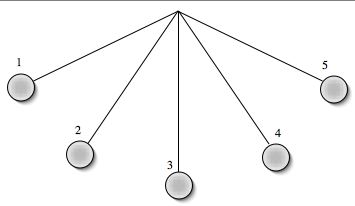
When a pendulum swings, at which point is kinetic energy highest?
a)
1
b)
2
c)
3
d)
4
5.

An object falling from 50m will have ___________ potential than an object falling from

30m.

a)

greater

b)

less

c)

equal

6.

A diver just before she dives off the 30m platform.

a)

potential energy

b)

kinetic energy

7.

A bobsled is moving at its fastest speed around the final

turn.

a)

potential energy

b)

kinetic energy

8.

A swimmer in the middle of a 50 m race.

a)

potential energy

b)

kinetic energy

9.
How does potential energy become kinetic energy?
a)
When something hot touches something cool, the potential energy in the hot object is turned into kinetic energy in the cool object
b)
When an outside force acts upon an object with potential energy, that force turns the potential energy into kinetic energy
c)
Potential energy becomes kinetic when an object remains in place and continues to build up more and more energy
d)
Potential energy has no relation to kinetic energy
10.
What is chemical energy?
a)
the potential energy in chemical compounds that is waiting to be released
b)
energy that is formed or caused by movement
c)
the movement of electrons throughout the world
d)
energy from the Sun or any other light source
11.

A girl sliding down a slide

a)

Kinetic Energy

b)

Potential Energy

12.

Dominos stand up on the floor

a)

Potential Energy

b)

Kinetic Energy

13.
What type of energy is in this picture?
a)
Kinetic
b)
Potential
c)
Chemical
d)
Sound
14.

Which letter shows where kinetic energy is at is highest point?

a)

X

b)

Y

c)

W

d)

Z

15.

What numbers show potential energy on this pendulum?

a)

1 and 5

b)

1 and 4

c)

2 and 3

d)

3 and 4

16.
What kind of energy is in a stretched rubber band?
a)
Potential
b)
Kinetic
17.
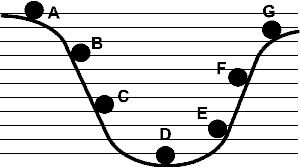
Which point has the most potential energy?
a)
G
b)
f
c)
b
d)
a
18.
Explain what happens to the potential energy of a rock as it falls off the side of a cliff.
a)
The kinetic energy decreases as the potential energy increases.
b)
The kinetic energy decreases as the potential energy decreases.
c)
The potential energy decreases as the kinetic energy increases.
d)
The potential energy decreases as the kinetic energy decreases. 
19.

A bicyclist pedaling is a type of...

a)

kinetic energy

b)

potential energy

20.

A baseball thrown to second base is a type of...

a)

kinetic energy

b)

potential energy

21.

The wind blowing through your hair is a type of...

a)

kinetic energy

b)

potential energy

22.

A bowling ball rolling down the alley is a type of...

a)

kinetic energy

b)

potential energy

23.
__________ is stored energy. 
a)
Potential
b)
Kinetic
c)
None of the above 
d)
All of the above 
24.
The faster an object moves, the ________ kinetic energy it has. 
a)
more
b)
less
c)
none of the above
d)
same
25.
What kind of energy is in a person climbing a ladder?
a)
Potential
b)
Kinetic
c)
Both
26.
These passengers are just starting their descent. What is happening?
a)
potential energy is changing to kinetic energy
b)
  kinetic energy is changing to potential energy
27.
Which object on the shelf has the greatest potential energy?
a)
the red vase on the second shelf
b)
the blue vase on the top shelf
c)
the white box on the bottom shelf
28.
a)
Potential Energy
b)
Kinetic Energy
29.
a)
Potential Energy
b)
Kinetic Energy
30.

Where does a waterfall have more potential energy?

a)

At the very top of a waterfall, right before the water falls down

b)

As the water is falling down the waterfall

31.

Conservation of energy means that

a)

energy can be created but not destroyed

b)

energy can be destroyed but not created

c)

energy can be both created and destroyed

d)

energy can be neither created nor destroyed

32.
a)
Potential Energy
b)
Kinetic Energy
33.
Which would be greater at Position 1?
a)
Potential Energy
b)
Kinetic Energy
34.
Which would be greater at Position 2?
a)
Potential Energy
b)
Kinetic Energy
35.
At which position would potential energy be greatest?
a)
W
b)
X
c)
Y
d)
Z
36.
At which position would kinetic energy be greatest?
a)
W
b)
X
c)
Y
d)
Z
37.
Which diagram best illustrates kinetic energy?
a)
A
b)
B
38.
A what point does the water have the most gravitational potential?
a)
A
b)
B
c)
C
d)
There is no gravitational potential
39.
Where does the ball have the maximum kinetic energy and least potential energy?
a)
1
b)
7
c)
12
d)
31
40.

Energy that is stored in a system or object is called...

a)

Kinetic Energy

b)

Thermal Energy

c)

Electrical Energy

d)

Potential Energy

41.

Energy of motion is called...

a)

Kinetic Energy

b)

Electrical Energy

c)

Potential Energy

d)

Thermal Energy

42.
Energy CAN BE __________.
a)
changed in form
b)
destroyed
c)
eliminated
d)
created
43.
If a man is pulling a wagon up a hill, describe what is occurring in terms of energy. 
a)
Decreasing Potential energy, Increasing Kinetic energy
b)
Increasing Potential energy, Decreasing Kinetic energy
c)
Both potential and kinetic are increasing
d)
Both potential and kinetic are decreasing
44.
What kind of energy is represented in the picture?
a)
Thermal
b)
Chemical
c)
Sound
d)
Nuclear
45.
The difference between kinetic and potential energy is that __________.
a)
objects with potential energy are moving
b)
objects with kinetic energy are moving
c)
objects with potential energy have a lot of heat
d)
there is no difference between the two type of energy.
46.
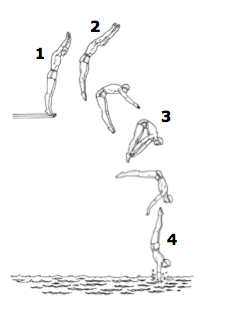
2. The diagram to the right represents a diver’s motion from the top of a high diving board into a pool of water. At what point does the diver have the greatest kinetic energy and the least potential energy?
a)
1
b)
2
c)
3
d)
4