
NEW
Font size
 Worksheets
Reproduction Quiz 1 Review
Total questions: 36
Worksheet time: 43mins
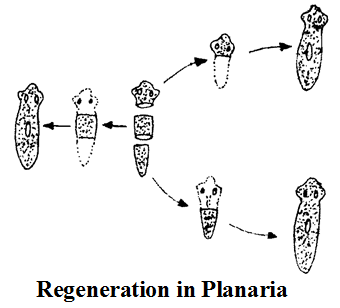
Where does an offspring get its traits in asexual reproduction?
From both parents
From only one parent
From neither parent
There are no traits handed down
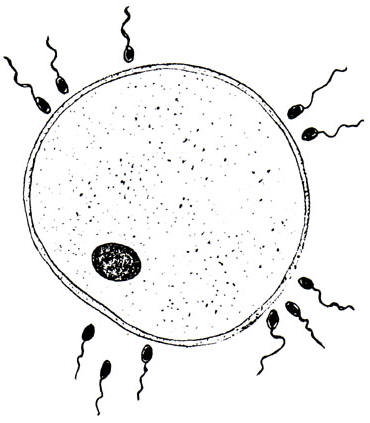
In Leslie's family, two of the children have attached earlobes and one child has unattached earlobes. Which of these processes is responsible for the variety of traits in this family?
Binary Fisson
Sexual Reproduction
Asexual Reproduction
Regeneration
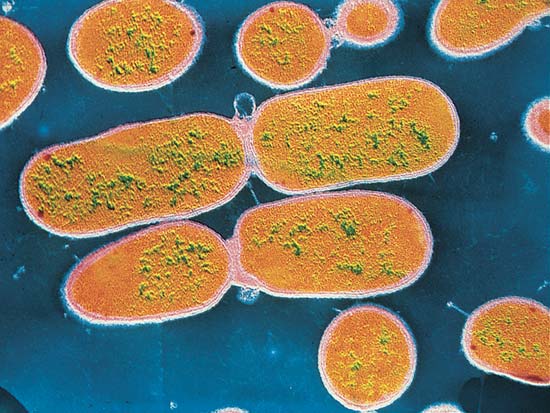
Which of the following would produce the most variety offspring when compared to the parent organism?
Cutting a portion of a potato that contains an eye or bud and planting it in a vegetable garden.
Yeast producing a bud that falls off and forms an offspring yeast.
A bee that cross-pollinates flowers in several fields.
A starfish regenerating a new limb.
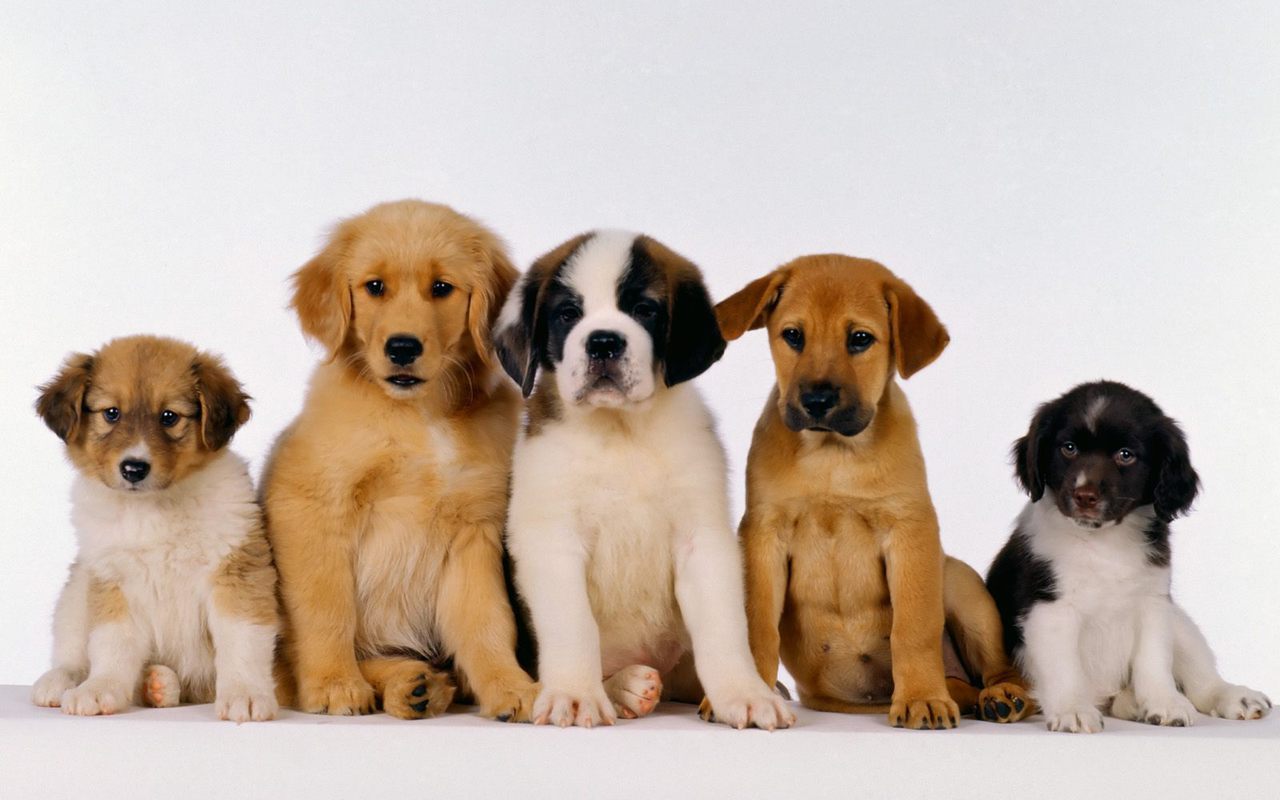
These dogs are reproduced by ______________________ reproduction and are __________________.
sexually; diverse
asexually; diverse
sexually; uniform
asexually; uniform
A rabbit receives half of its genetic code from the father and half from the mother, this means the rabbit is similar to both parents.
True
False
What is the correct name for a sex cell?
The noise
Gamete
Ovary
Sperm
Where are sperm cells produced?
Ovary
Testes
Bladder
Balls
How many nitrogenous bases are there in DNA?
1
2
3
4
Which of the following is not a nitrogenous base found in DNA?
Adenine
Guanine
Uracil
Thymine
Cytosine
DNA is made up of Nitrogenous base pairs. The bases bond in which of the following patterns?
Adenine – Thymine; Cytosine – Guanine
Adenine – Cytosine; Guanine – Thymine
Adenine – Guanine; Cytosine – Thymine
Adenine – Guanine; Cytosine – Taurine
DNA looks like a “twisted ladder”. If the “rungs” of the ladder are made up of nitrogenous bases, what are the hand rails or backbone of the ladder made up of?
Sugars and Salts
Phosphates
Sugars
Sugars and Phosphates
What is a gene?
A cell organelle
A nitrogenous base in DNA
A section of DNA that codes for a specific protein.
A double helix
What is a chromosome?
A condensed form of DNA. It is made of an entire strand of DNA wrapped around histone proteins.
A British rock band.
A part of DNA that has the specific instructions to make a protein.
The part of the cell where DNA is found
Why is DNA important?
it is very small and very complicated
it's in everything
it serves as the blueprint for traits of all living things
because we eat it every day for energy

A _________ is DNA tightly coiled around proteins.
gene
chromosome
trait
mutation
A _______ is a segment of DNA that codes for a specific protein or RNA molecule.
gene
gamete
chromosome
chromatid
How many chromosomes does a human body cell have, total?
48
46
23
47


Which shows the correct order from SMALLEST to BIGGEST?
Chromosome, Gene, Nitrogenous Base
Gene, Chromosome, Nitrogenous Base
Nitrogenous Base, Gene, Chromosome
They are all the same size

