
 Worksheets
Electromagnets, Motors and Generators
Total questions: 20
Worksheet time: 12mins
Increasing the amount of current flowing through the wire.
Inserting a wooden core inside the coil
Changing the direction of the current
Decreasing the number of coils of wire

What must the student do in the picture, in order to induce electricity and move the the galvonometer
nothing
move the magnet
add more loops of wire
unplug the galvnonmeter
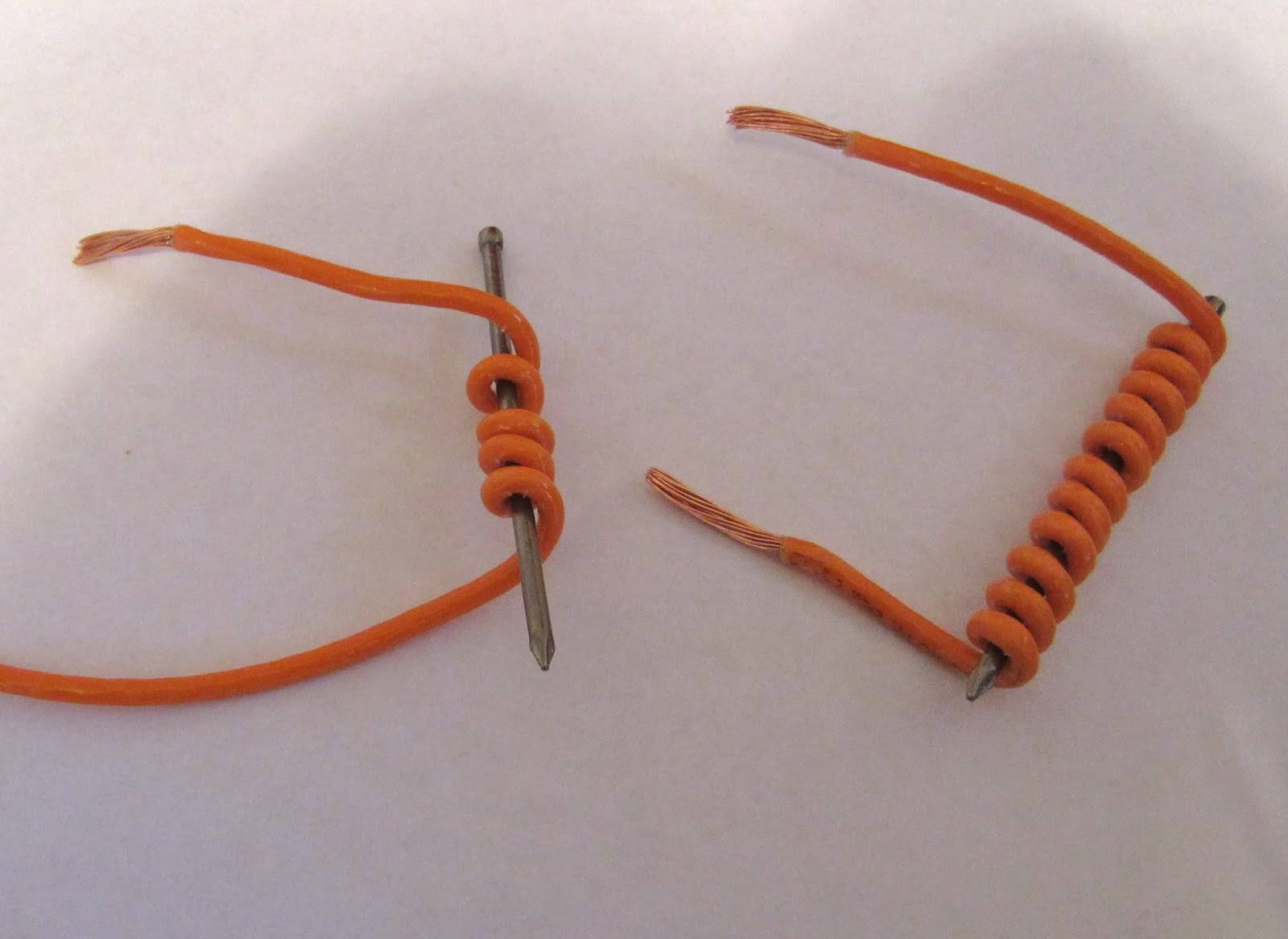
What can you do to make electromagnets stronger?
Increase number of coils of wire.
Increase number of batteries used.
Both A and B.
Neither A nor B.
In an electrical generator, the energy transformation begins as ___________ and becomes ____________.
mechanical; electrical
electrical; mechanical
electrical; chemical
mechanical; chemical
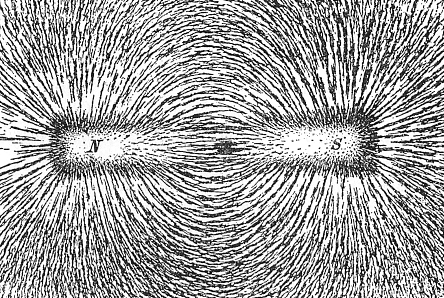
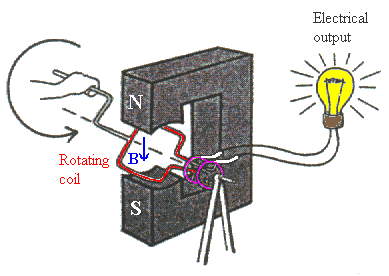
What would happen if you broke a bar magnet into 8 pieces?
You would have 8 half magnets
You would have 4 complete magnets
You would have 8 complete magnets
They wouldn't be magnets anymore
A transformer actually transforms
voltage
magnetic field lines
generators into motors
A device that transforms electric energy to mechanical or kinetic energy is a
generator
motor
transformer
magnet
A device that transforms electrical energy to mechanical energy is a
generator
motor
transformer
magnet

How are electromagnets different from permanent magnets?
magnets can be turned on/off
you can turn an electromagnet on/off
magnets are more powerful
magnets have a North and South pole

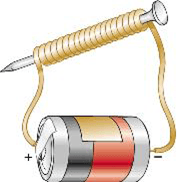

What device is shown in the picture?
Generator
Motor
Transformer
Circuit

Why did this simple electric motor work?
The current from the battery induces a magnetic field in the copper loop, turning it into an electromagnet that repels from/attracts to the permanent magnet
The electromagnet on top of the battery pulls on the magnetic copper wire
The magnet induces a current in the copper loop which makes it rotate.
The magnetic field from the battery induces an electric current in the copper loop, turning it into an electromagnet that repels from/attracts to the permanent magnet

What conclusion can you draw from this graph?
As current increases, magnetic strength decreases.
As current increases, magnetic strength increases.
As current decreases, magnetic strength increases.
There is no relationship between current and magnetic strength.

