
 Worksheets
M1 study guide
Total questions: 47
Worksheet time: 26mins
What makes up around 55% of the blood?
Plasma
Red Blood Cells
White Blood Cells
Platelets
What carries oxygen around the body?
Plasma
Red Blood Cells
Platelets
White Blood Cells
What causes the blood to be the distinct red colour?
Haemoglobin
Glucose
Hormones
Oxygen
Which of the following is NOT a type of blood vessel?
Artery
Capillary
Vein
Ventricle
What is the function (job) of the platelets?
To form clots (i.e. scabs) when you have cuts and grazes.
To transport oxygen to the muscles
To carry dissolved sugars.
To produce antibodies
What is the function (job) of the white blood cells?
To transport oxygen around the body.
To carry dissolved sugars.
To clot and cover wounds like cuts and grazes.
To release antibodies to help destroy infections.
What is the function (job) of the plasma?
To release antibodies to fight infections.
To transport oxygen around the body.
To carry dissolved nutrients and sugars.
To transport oxygen around the body.
What is the function (job) of the red blood cells?
To transport oxygen around the body and to the muscles.
To release antibodies to fight infections.
To carry dissolved nutrients and sugars.
To clot and form scabs if there is a wound on the body.
Which blood vessels take blood TO the heart?
Veins
Arteries
Capillaries
Which blood vessels take blood AWAY from the heart?
Veins
Arteries
Capillaries
Which is the smallest of the 3 blood vessels?
Veins
Arteries
Capillaries
What type of blood do the arteries usually carry?
Oxygenated Blood
Deoxygenated Blood

What is blood made of?
oxygen and plasma
red blood cells and white blood cells
plasma, red blood cells, white blood cells, and platelets.
plasma and platelets

What is plasma?
only white blood cells
only red blood cells
fluid part of blood
hemoglobin
What is the function of arteries?
Transport deoxygenated blood
Transport oxygenated blood
Site for exchange of materials
What is the function of platelets?
blood clotting
transport dissolved materials
produce antibodies
engulf and ingest agglutinated foreign particles
How many parts is the blood made up from?
3
1
5
4
What carries oxygen around the body?
Plasma
Red Blood Cells
Platelets
White Blood Cells
How many different types of blood vessels are in our bodies?
1
5
3
2
How many chambers does the heart have?
4
10
3
1
What keeps blood flowing in the right direction?
Atria
Chambers
Valves
Veins
Where does your heart get oxygen?
Lungs
Mouth
Toes
Fingernails
Which of the following organs combine oxygen with the blood and eliminate carbon dioxide?
Brain
Heart
Lungs
Liver
Which of the following protects our organs in our body?
Diaphragm
Ribcage
Trachea
Bronchi
The gas that provides energy to the body is oxygen, while the one that produces waste products or "exhaust" of the body is _________________________.
carbon dioxide
Water
Blood
Fluid
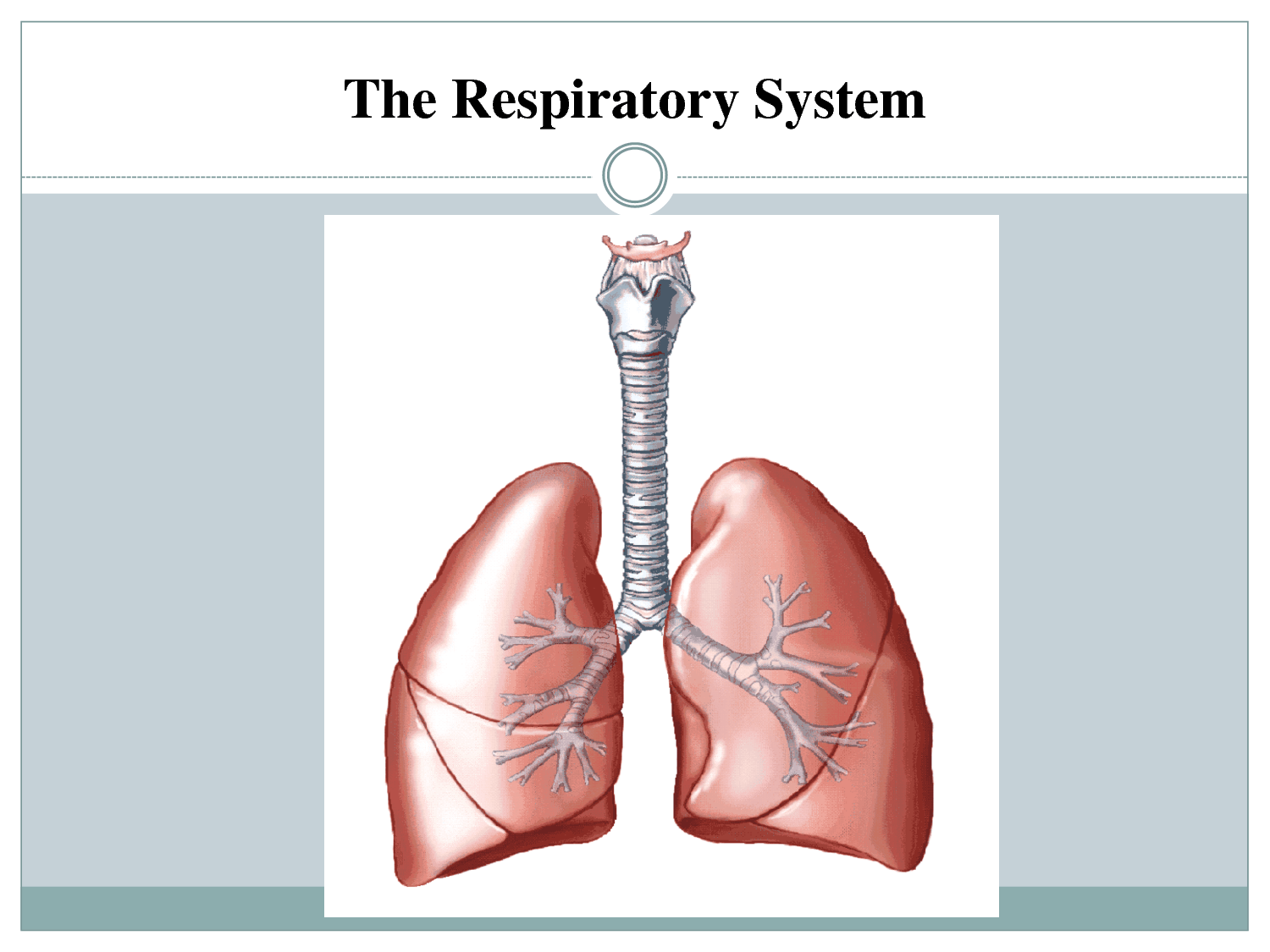
Which of the following is a tube-like structure that allows the air you breathe in through your mouth and nose to travel to your lungs?
Bronchus
Trachea
Bronchioles
Diaphragm
Which of the following are the large air tubes leading from the trachea to the lung and carries air to the lungs?
Bronchus
Trachea
Bronchioles
Diaphragm


My lungs are __________________ air.

Tiny sacs of lung tissue specialized for the movement of gases between air and blood are called __________.
lungs
bronchi
alveoli
diaphragm
Where does the transfer of oxygen into the bloodstream take place?
In the heart
In the trachea
In the alveoli
In the nasal passages

What organ of the respiratory system is in purple.
pharynx
trachea
larynx
epiglottis
Respiration is the release of ___________ from _________.
(a)
Which 2 substances (สาร 2 อย่าง) are exchanged in the Respiratory System?
oxygen and nitrogen
carbon dioxide and oxygen
oxygen and glucose
glucose and carbon dioxide

Number 6 is pointing to which organ of the Respiratory System
Nose
Lung
Diaphragm
Bronchi Tube

Number 11 is pointing to which organ of the Respiratory System?
Alveoli
Lungs
Bronchi Tubes
Bronchioles

Letter B is pointing to which organ of the Respiratory System?
Nose
Trachea
Lungs
Diaphragm
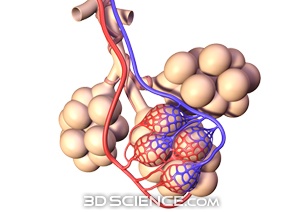
The air sacs that are covered with capillaries where gas exchange takes place
bronchi
lungs
oxygen
alveoli
Which diagram best illustrates the function of an alveoli?


Another main function of the respiratory system is to remove ______ _______ gas from the body. This can be toxic to the cells if it is not removed.
nitrogen
oxygen
carbon dioxide
helium
The pipe connecting your mouth to your lungs. It is covered in cartilage to keep its shape and help protect it.
(a)
What is the difference between RESPIRATION and BREATHING.

