
 Worksheets
animals 3º
Total questions: 35
Worksheet time: 19mins

Fish are aquatic animals that breathe....
air
using gills
co2
with lungs
Their bodies are covered in...
hair
fur
scales
skin
Most fish are oviparous. This means they..........................
lay eggs
ley eggs
lai eggs
lei eggs
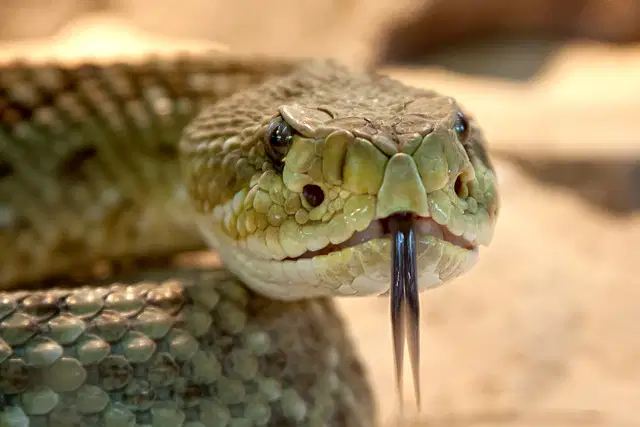
Is this a reptile or an amphibian?
reptile
amphibian
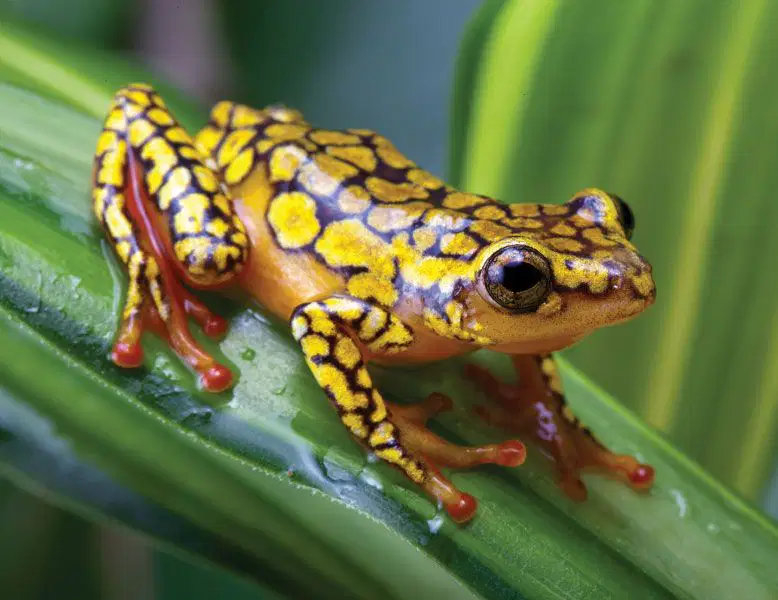
Is this a reptile or an amphibian?
reptile
amphibian
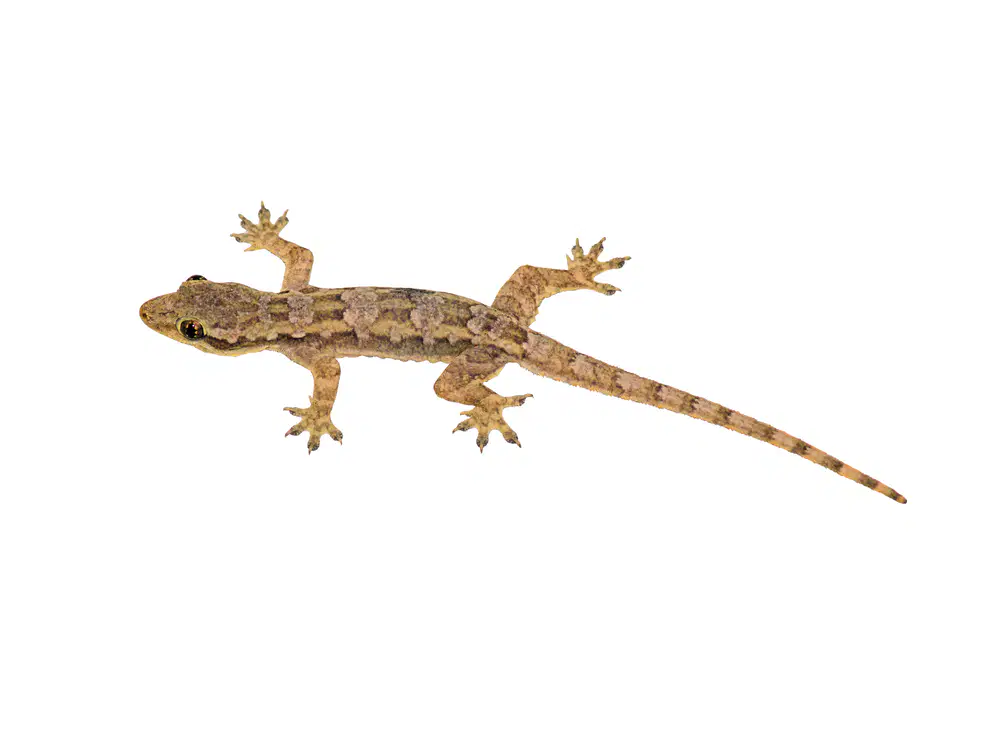
Is this a reptile or an amphibian?
reptile
amphibian
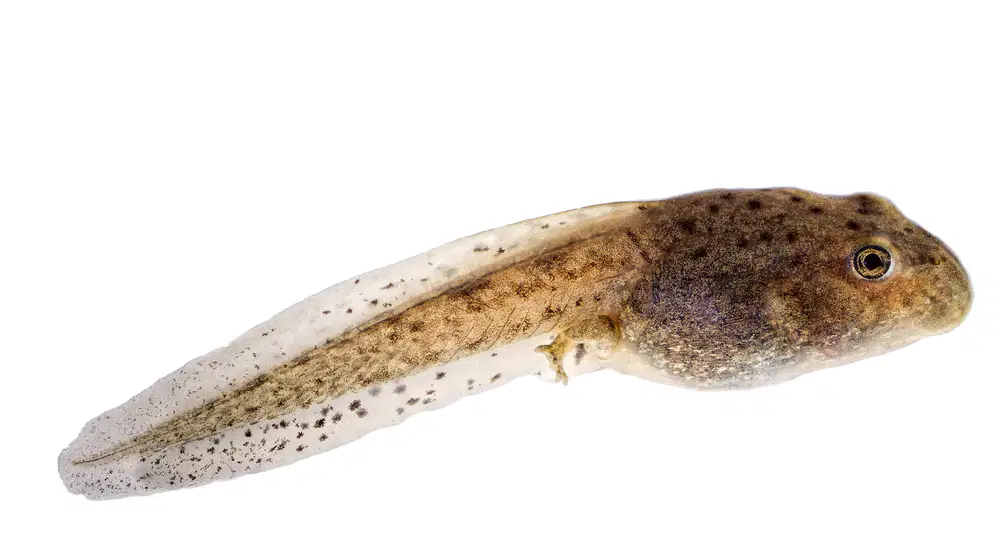
Is this a reptile or an amphibian?
reptile
amphibian
I lay my eggs in water.
birds
fish
reptiles
amphibians
mammals
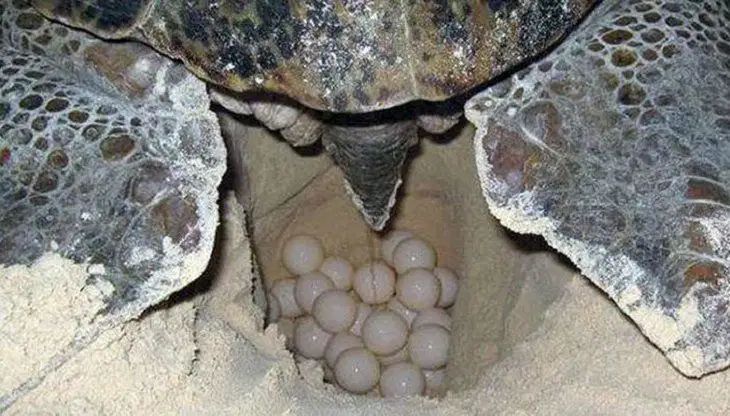
Which vital function is described in each sentence?
Sea turtles return to the same beach to lay their eggs.
Reproduction function
Nutrition function
Interaction function
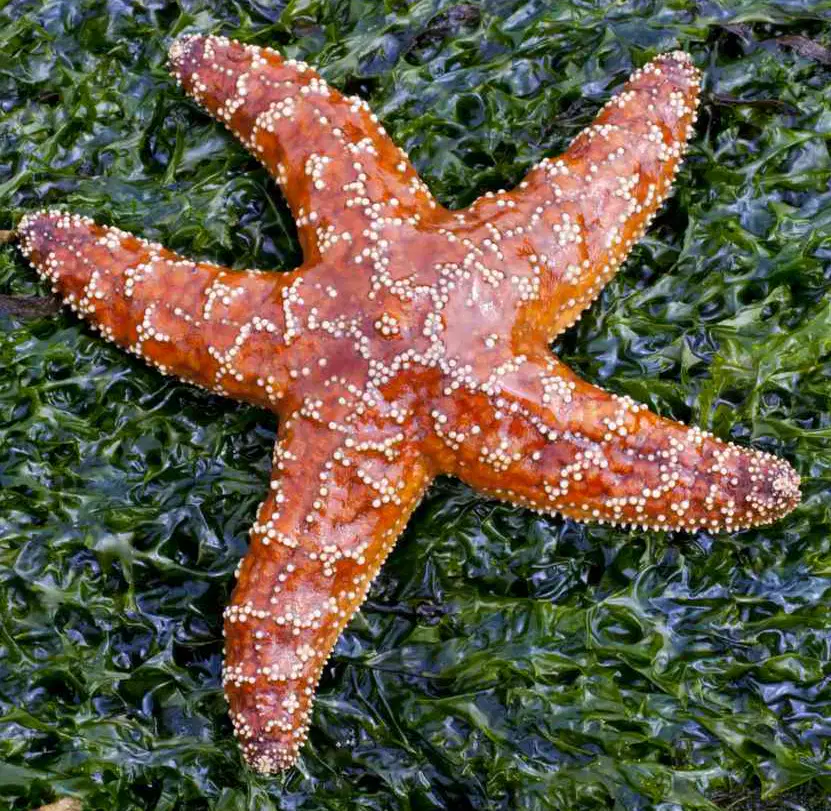
Which vital function is described in each sentence?
Starfish use their spines to protect from predators.
Reproduction function
Nutrition function
Interaction function
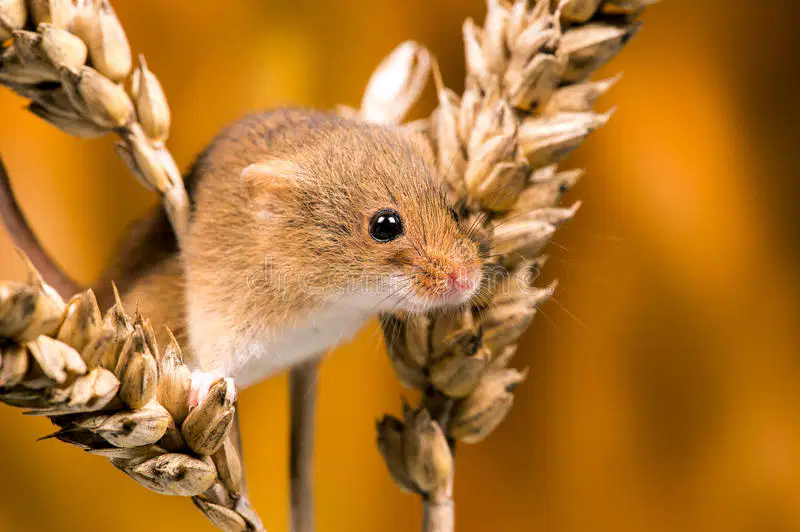
Which vital function is described in each sentence?
Field mice eat mainlyseeds, fruits andvegetables.
Reproduction function
Nutrition function
Interaction function
I have very thin skin that has to stay wet.
birds
fish
reptiles
amphibians
mammals
I can fly.
birds
fish
reptiles
amphibians
mammals
I am usually covered in fur.
birds
fish
reptiles
amphibians
mammals
I get oxygen from the water.
birds
fish
reptiles
amphibians
mammals
I lay my eggs in land.
birds
fish
reptiles
amphibians
mammals
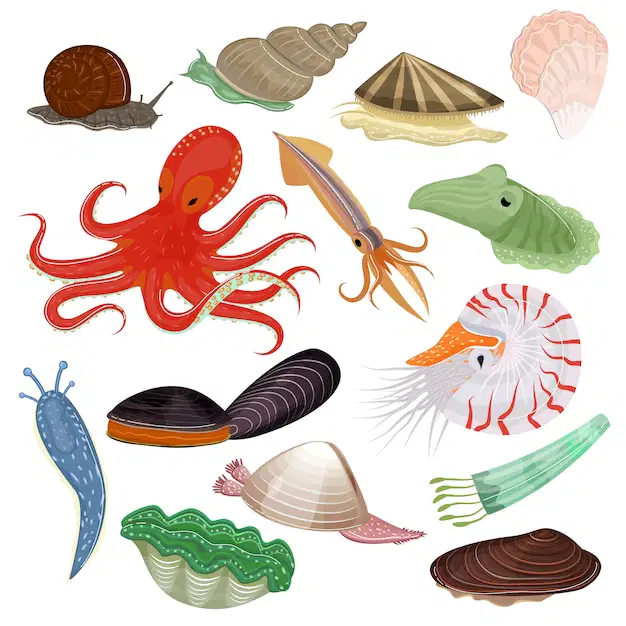
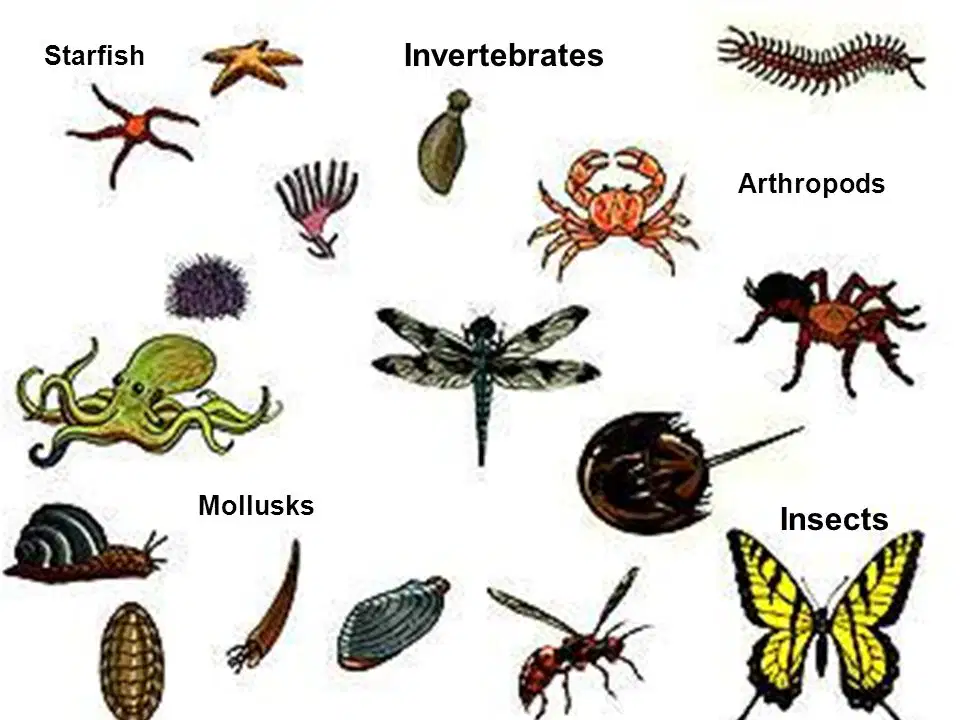
Molluscs always have a shell.
True
False
All invertebrates are oviparous.
True
False
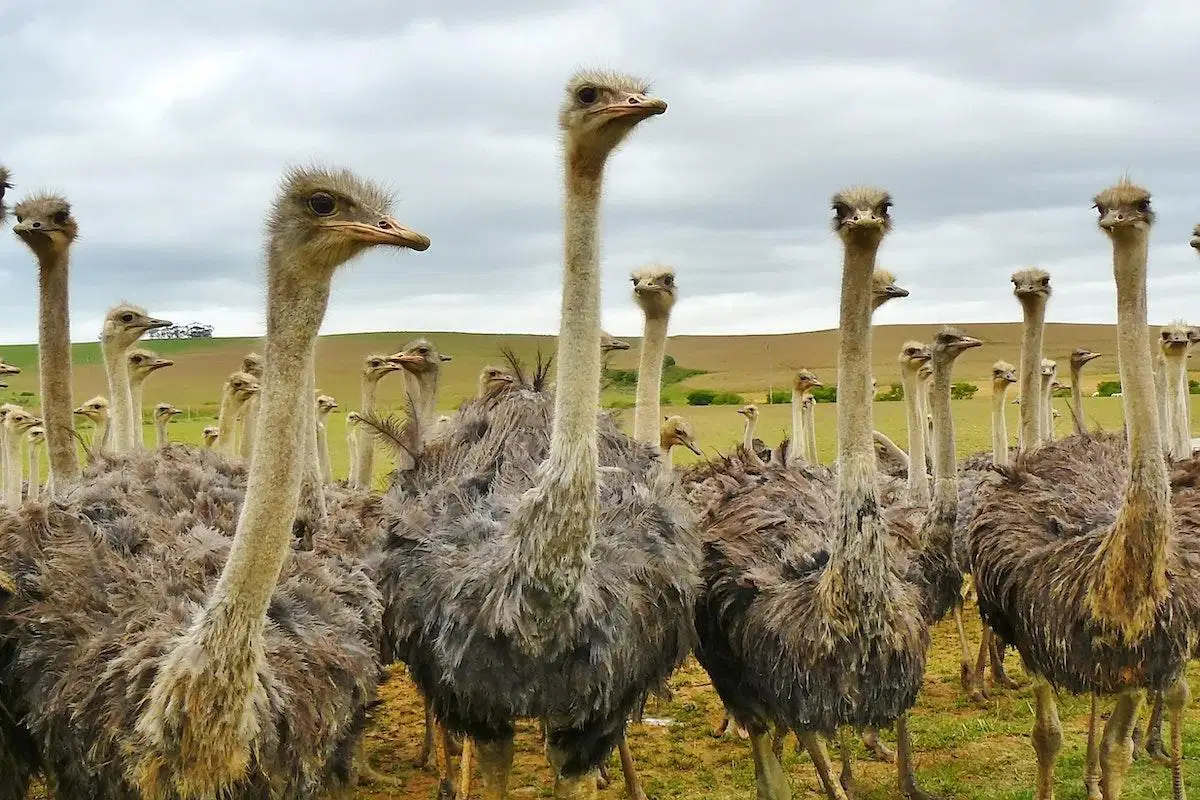
All birds can fly.
True
False

What is this?
Mollusc
Arthropod.
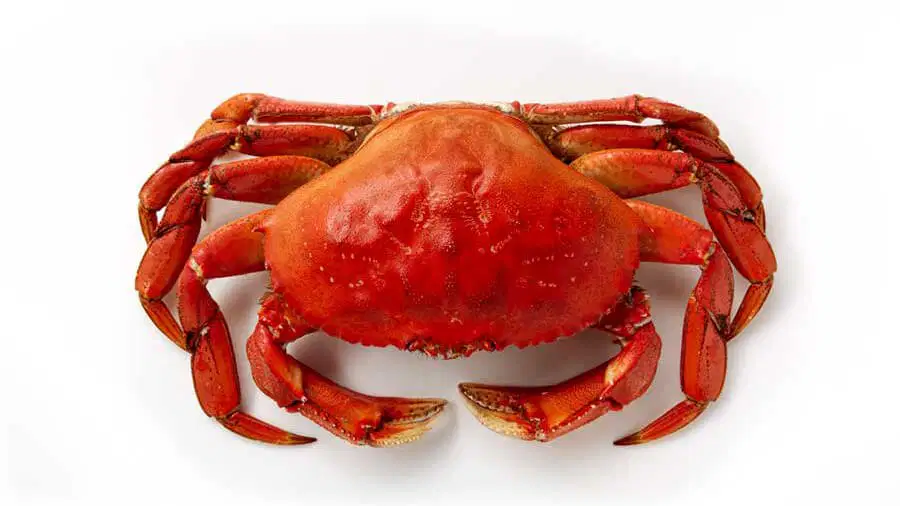
What is this?
Mollusc
Arthropod.

What is this?
Mollusc
Arthropod.
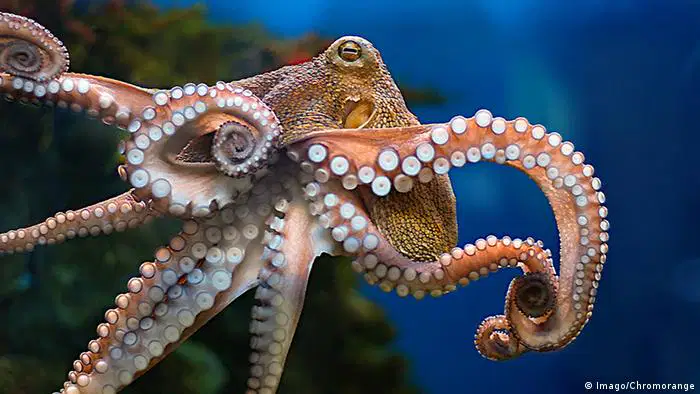
What is this?
Mollusc
Arthropod.
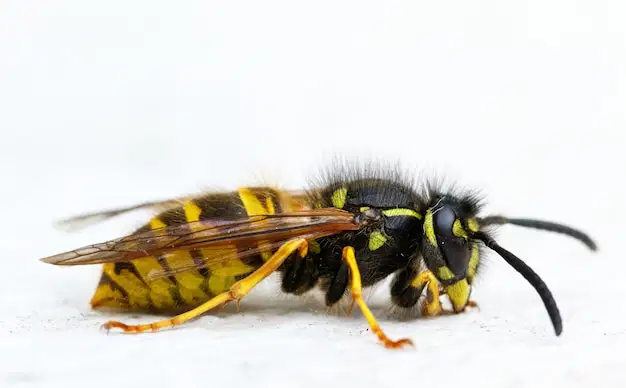
What is this?
Mollusc
Arthropod.
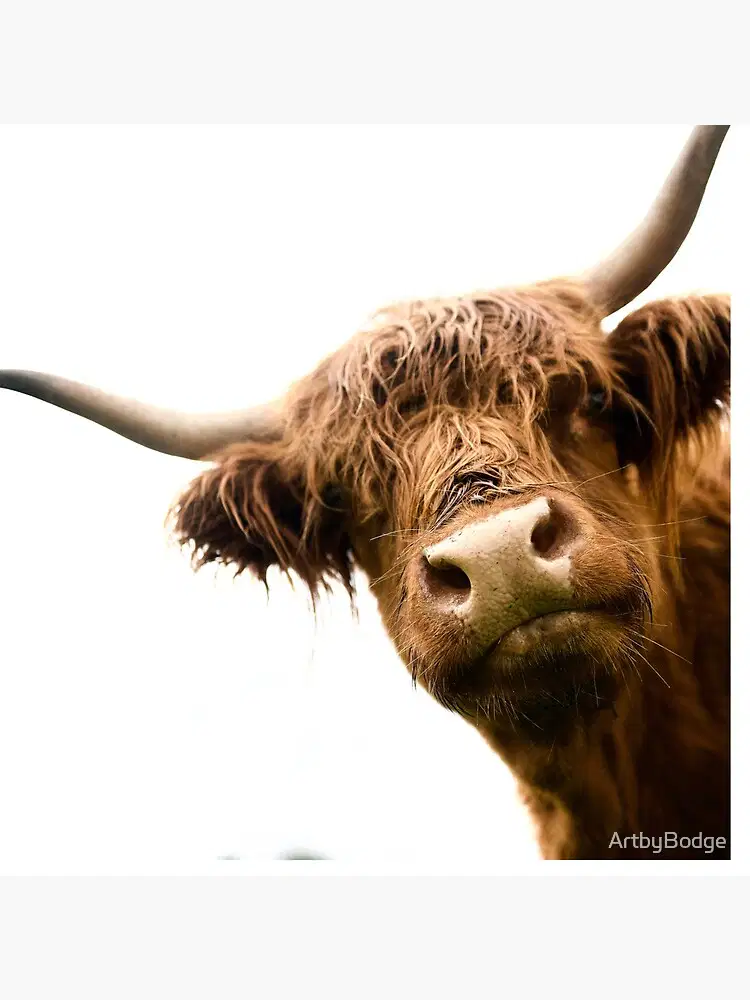
Animals are classified into three groups according to what they eat:
Herbivores, that eat.....
Other animals
Plants
Plants and animals
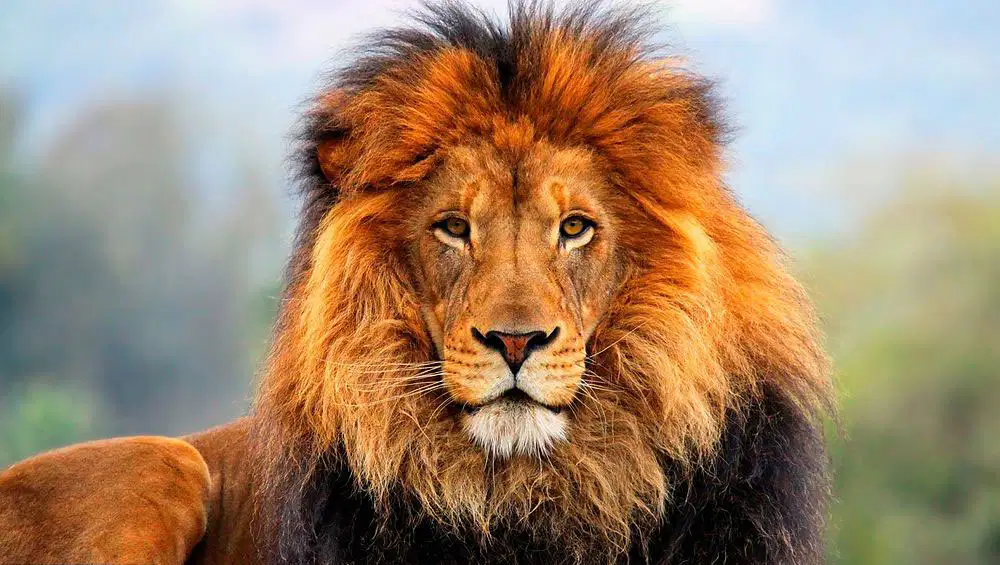
Animals are classified into three groups according to what they eat:
.............that eat other animals to get their nutrition.
Herbivores
Carnivores
Omnivores

Animals are classified into three groups according to what they eat:
.............that eat plants and other animals to get their nutrition.
Herbivores
Carnivores
Omnivores

...................................................... breathe using ....................................................... They have beaks, wings and................................................. and lay eggs.
birds
lungs
gills
feathers
scales
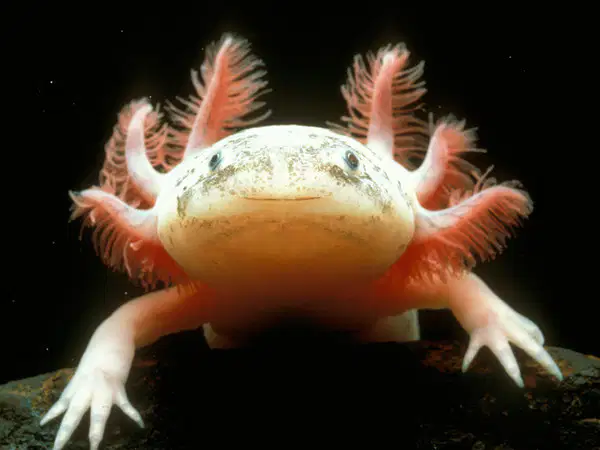
Amphibians are land animals with very thin and wet ....................................................... . They are carnivores and lay their ...................................................... in water.
skin
lungs
gills
feathers
eggs
...................... are land or ....................... animals that cannot breath under water, have dry or wet...................................................... and most of them lay eggs.
reptiles
aquatic
scales
feathers
eggs
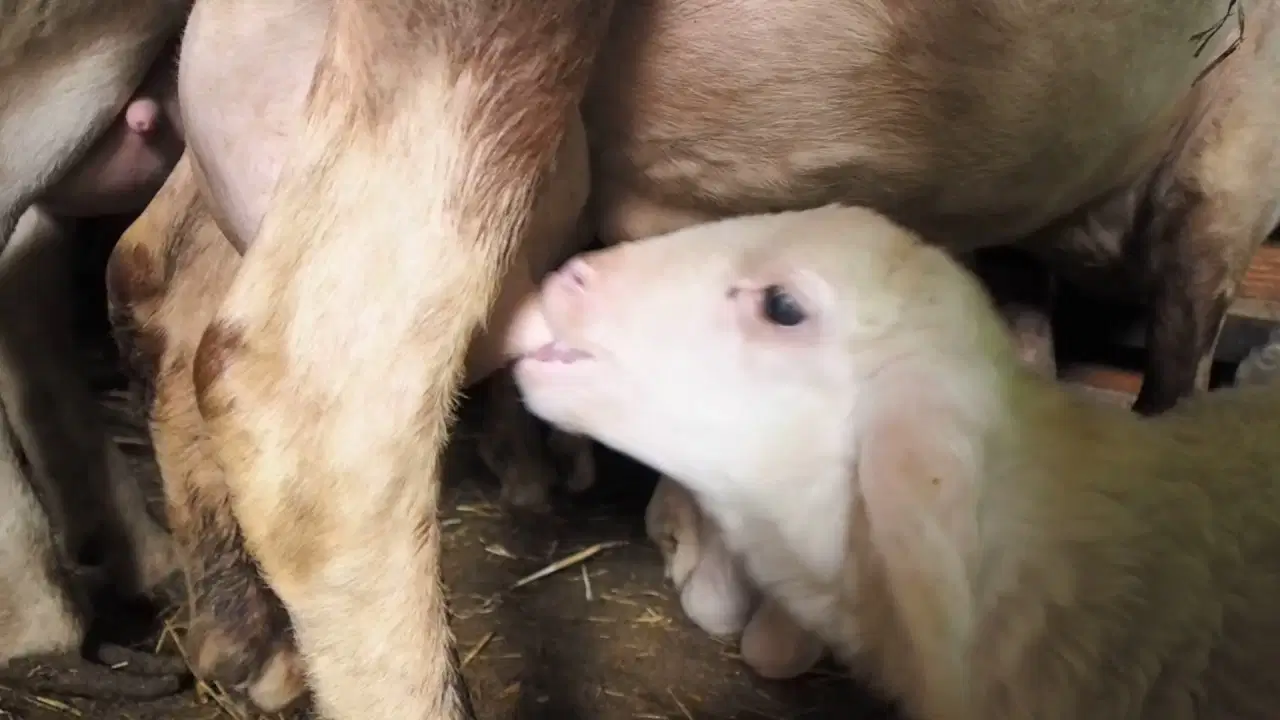
Mammals are land or ...................................................... animals, they breathe air, are usually covered in.................... and mothers feed milk to their babies.
reptiles
aquatic
scales
feathers
fur
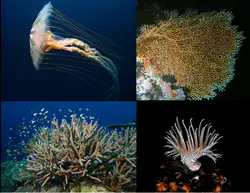
Jellyfish swim and float but corals and anemones live fixed in one place.
Cnidarians
Echinoderms
Arthropods
Annelids
Gastropods
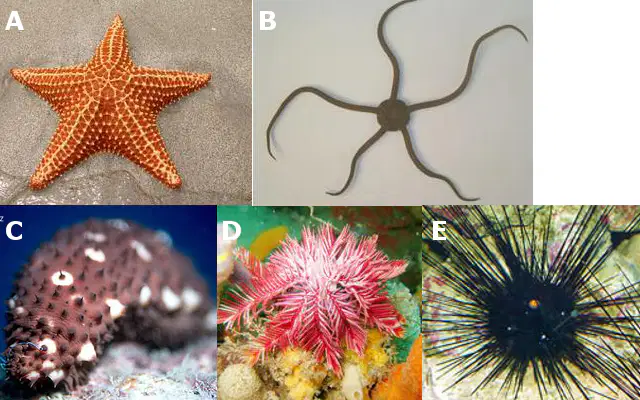
Usually shaped like a star or a ball. Some have spines.
Cnidarians
Echinoderms
Arthropods
Annelids
Gastropods
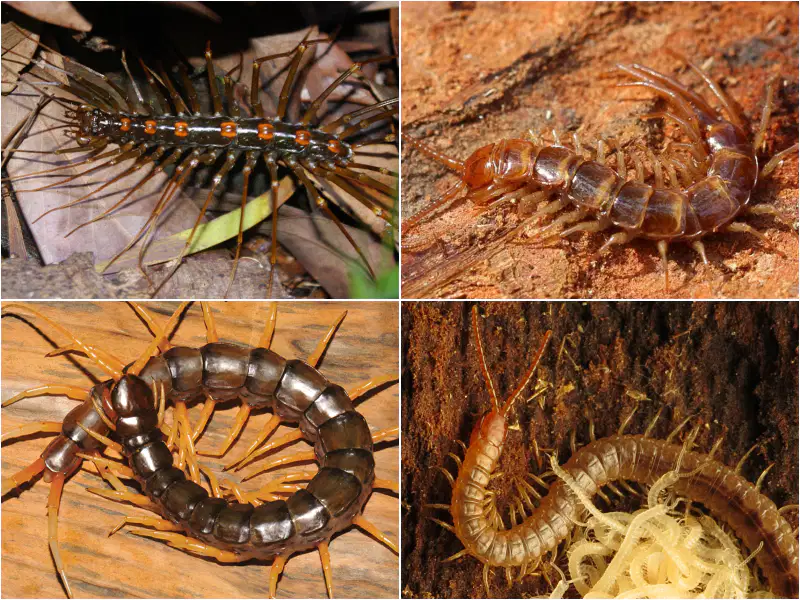
Body covered in armour plates and with various numbers of legs.
Cnidarians
Echinoderms
Arthropods
Annelids
Gastropods

They have very long bodies divided into segments or rings.
Cnidarians
Echinoderms
Arthropods
Annelids
Gastropods

