
 Worksheets
6th Unit 5 Review
Total questions: 90
Worksheet time: 1hrs 26mins
All matter on Earth can be categorized into subsystems called
Biomes
Spheres
Circles
Ecosystems
The biosphere includes which of the following?
Trees/Flowers
Bacteria/Protists
Water/Clouds
Rocks/Minerals
Insects/Arachnids
A hurricane sweeps across the ocean and onto land, damaging the houses of the people who live along the coast. What spheres are affected by this natural disaster?
Biosphere
Hydrosphere
Geosphere
Atmosphere
A volcano erupts, sending ash and gases into the air and sending lava into a surrounding forest. What spheres are affected by this natural disaster?
Geosphere
Atmosphere
Biosphere
Hydrosphere
Which meaning goes with the Latin prefix Atmo-
Living things
Air
Land
Water
Which meaning goes with the Latin prefix Bio-
Living Things
Air
Land
Water
Which meaning goes with the Latin prefix Hydro-
Living Things
Air
Land
Water
Which meaning goes with the Latin prefix Geo-
Living Things
Air
Land
Water
True or False: All Earth's spheres interact in the Ecosphere but there is no energy transferred between the spheres.
True
False
True or False: Parts of the hydrosphere are located in the atmosphere, such as water vapor.
Ture
False

Which sphere is "A"
Atmosphere
Geosphere
Biosphere
Hydrosphere

Which sphere is "B"
Atmosphere
Geosphere
Biosphere
Hydrosphere

Which sphere is "C"
Atmosphere
Geosphere
Biosphere
Hydrosphere

Which sphere is "D"
Atmosphere
Geosphere
Biosphere
Hydrosphere
Factories polluting the air by burning fossil fuels is an example of which interaction?
hydrosphere- biosphere
biosphere-geosphere
biosphere-atmosphere
geosphere-biosphere
Florida's unique sandy soil and subtropical climate are ideal for growing orange trees. Which of these parts of the Earth system are interacting when Florida’s orange trees grow?
biosphere, hydrosphere, and atmosphere
geosphere, cryosphere, and atmosphere
biosphere, hydrosphere, and cryosphere
cryosphere, atmosphere, and hydrosphere
Which of the following is found in the earths Geosphere
Soil
Rocks
Minerals
All of the Above
Oceans, rivers, lakes, and clouds are all part of which of Earth's spheres?
Hydrosphere
Biosphere
Atmosphere
Geosphere


Which locations have the same elevation?
A and C
B and E
C and I
F and G

Points A, B, X, and Y are locations on a map. Elevations are shown in feet.
Which diagram best represents the topographic profile along a straight line from point A to point B?


Hight above sea level
elevation
relief
slope
aerial
If no elevation values are given on a map, which general rule could be used to establish that a river flows into a nearby body of water?
rivers always flow toward large bodies of water
a large body of water is generally the source of water for a river
rivers shown on maps generally flow southward
contour lines bend upstream when crossing a river

What is the contour interval on this map?
10
50
100
500

If sea level always equals (0), and the contour interval is 10 feet how tall is this mountain?
30 ft
40 ft
50 ft
60 ft

Which side of the hill is steepest?
ASSUME: North is top, South is bottom, West is left, & East is right
North side
South side
West side
East side

Match the topographic map to its topographic profile picture.


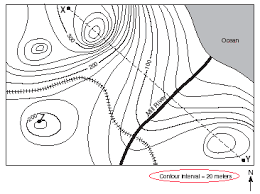
How many individual peaks are seen on the map? (hill tops)
4
3
2
1

What are the darker lines on the topographic map called?
roads
index contours
contour intervals
isotherms

If we were in a plane above this map, we can see that Path B --> C is about the same distance as path E --> N. But, which path is the easier walk?
B --> C is the easier walk
E --> N is the easier walk
B --> C and E --> N are the same walking distance
the are of equal difficulty
Wich are landforms?
Cave
Canyon
Eel
Valley
Cow

A fan-shaped area where a river meets the ocean is called a ____________. This is formed when sediment and rock is deposited at the end of the river.
dune
delta
weathering
sediment
Sediment is deposited in a river delta because the
speed of the river decreases
force of gravity decreases
volume of the river increases
angle of the river increases


Florida is a state with water on 3 sides. Florida is a....
island
ocean
hill
peninsula
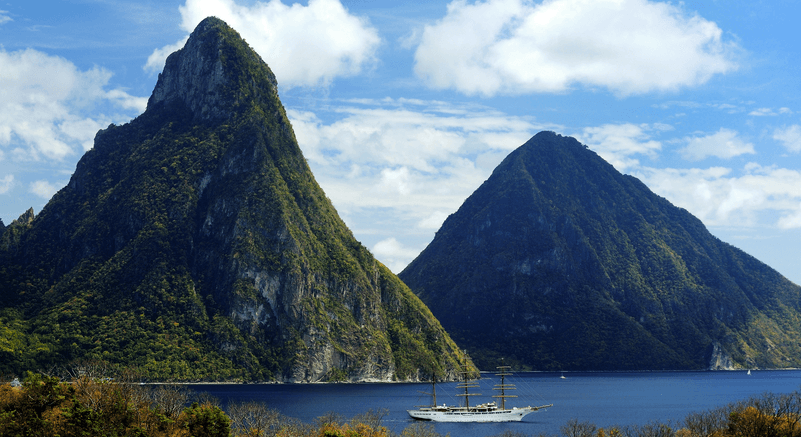
What are these?
volcanoes
mountains
valleys
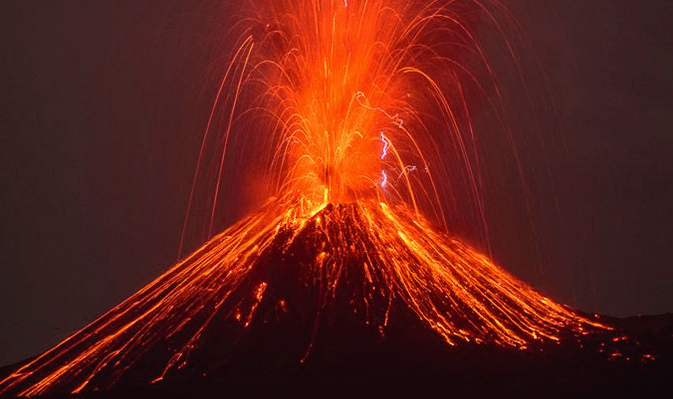
What is this?
A lake
A mountain
A volcano
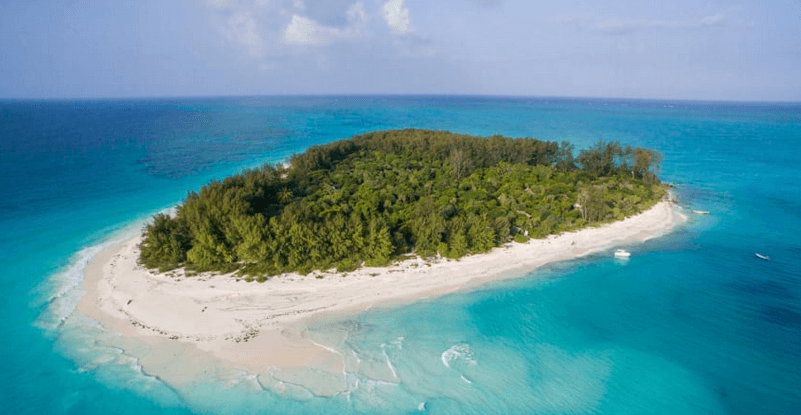
What is this?
An island
A lake
The ocean
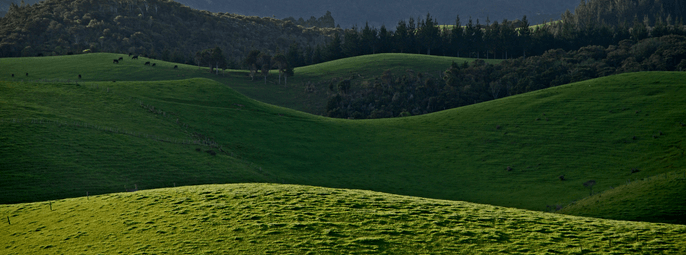
What are these?
hills
mountains
canyons
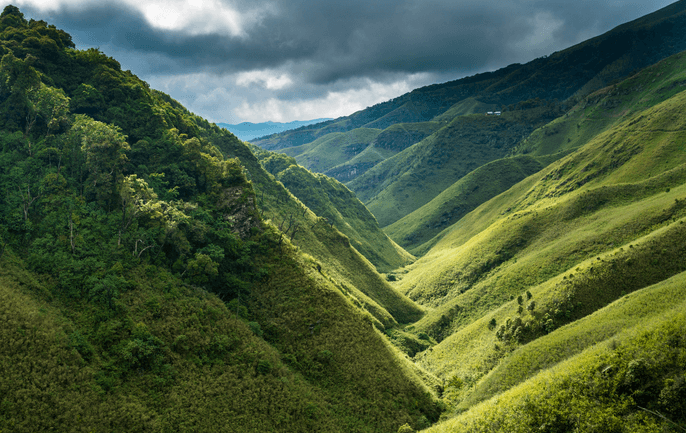
What is the place between two mountains called?
canyon
valley
river
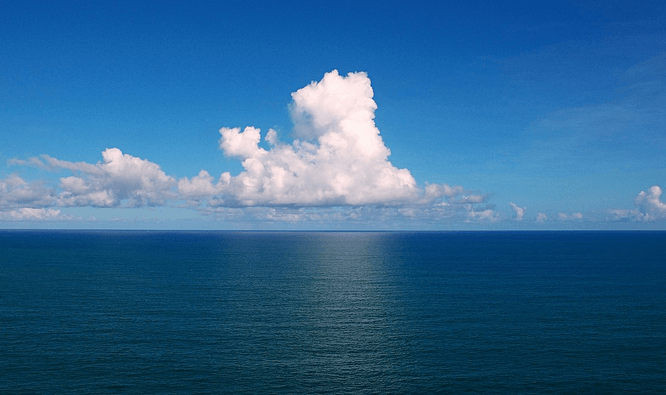
What is the largest body of water called?
ocean
lake
river
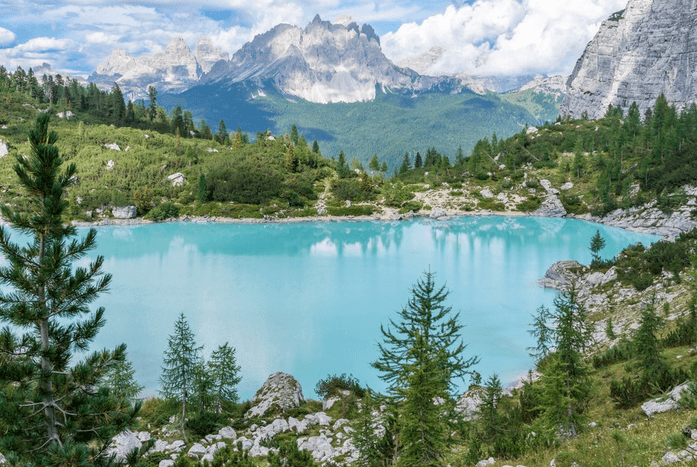
What is this?
An ocean
A lake
A river
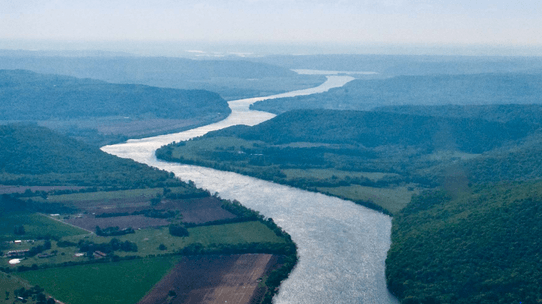
What is this?
An ocean
A lake
A river
Which example is a form of precipitation?
Dew
Fog
Frost
Hail
As a part of the water cycle, water from Earth's surface enters the clouds and finally falls back to the ground in the form of rain. What is the correct sequence of processes water undergoes?
Evaporation, Condensation, Precipitation
Precipitation, Condensation, Evaporation
Condensation, Evaporation, Precipitation
Evaporation, Precipitation, Condensation
What would happen if the Sun is removed from the water cycle?
The water cycle would not include precipitation but would continue with groundwater flow.
The water cycle would no longer occur because the Sun provides the energy for evaporation and transpiration.
The water cycle would no longer occur because the Sun provides energy for the formation of clouds.
The water cycle would not include evaporation and transpiration but would continue with condensation.

A student draws a model to represent the precesses involved in the water cycle, as shown. To which process is the formation of clouds related?
Condensation
Evaporation
Freezing
Melting

The image shows various stages in the water cycle. During which stage does water flow back towards the sea as runoff?
W
X
Y
Z
On Earth, what process generates most of the water vapor?
Condensation
Evaporation
Precipitation
Transpiration
What is precipitation?
Sweat from our bodies on hot days
Warm rain but not cold snow or sleet
Gas that we use in furnaces or ovens
Any form of water that falls from the sky

What is the energy source that drives the water cycle?
The moon T
The heat from our home in the winter all around the world
The sun
he heat generated solely from the core of the earth

Water in its gas form is called ____________________,
water vapor
precipitation
ice
air


Precipitation means...
water vapor cooling to form clouds
water running downhill
water falling from the sky
water heating up and rising as gas
Runoff means...
water vapor cooling to form clouds
water running downhill
water falling from the sky
water heating up and rising as gas
During condensation water changes from ....
solid ice to liquid water
liquid water to water vapor (gas)
water vapor (gas) to liquid water drops
Where is most of Earth's water?
in oceans and glaciers
underground
in clouds
What covers most of Earth's surface?
water
rocks
mountains
plants

Approximately _____ percent of Earth's water is freshwater.
97
1
3
10
Approximately what percent of Earth's water is salt water?
3
70
79
97
What is groundwater?
water that fills space between rocks of Earth
water found within a lake or pond
water that is evaporated from the surface of Earth
water that is found in the ocean
Water can exist on Earth as...
solid ice
liquid water
the gas water vapor
All of above
Humans can only consume (drink)
Freshwater
Saltwater
Where is most of the world’s water found? Use the justifications to make your choice.
Rivers and lakes: The exact depth of the rivers and lakes changes so it is difficult to determine volume.
Aquifers: underground water, ground deposits: All of the sources of underground water have not been found.
Oceans: The oceans contain more water by volume than any other source
Polar ice: The amount of ice below the surface is difficult to determine.
Water underground is stored in ____________.
aquifers
reservoirs
wells
depositories

The diagram shows the distribution of water on the Earth. Which source is the most abundant supply of liquid surface water that is not salty?
groundwater
oceans
lakes
rivers

The graphic shows that only 3% of the Earth's water is fresh water. The graphic also shows that of this 3%, almost all of it is contained in two reservoirs. What are the two reservoirs that contain almost all of Earth's fresh water?
glaciers and groundwater
streams and estuaries
marshes and swamps
lakes and rivers

The diagram shows the distribution of water on the Earth. Based on the diagram, which is true?
Most of Earth's water is fresh water.
Most of Earth's fresh water is contained in glaciers and ground water.
Most of Earth's water is contained in glaciers.
Most of Earth's fresh water is contained in the oceans.

