
 Worksheets
ART 1 2nd Quiz Semester 2
Total questions: 31
Worksheet time: 16mins

The medium/media used to create this sculpture of the "Thinker" is _______
clay
plaster
wax
bronze

Slip works as a __________in ceramics?
glue
place holder
builder
smoother
What is slip made of?
water
clay
water and clay
glue
The process used to create this sculpture is called _____
clay modeling
plaster wrap
lost wax
bronze
Can you connect clay without scoring and slip?
yes
no
This style of sculpture is called ______.
relief sculpture
sculpture in the round
lost wax
bronze
What is the sculptural processes used to make this sculpture?
carving
casting
modeling
assembly

What is the sculptural processes used to make this sculpture?
carving
casting
modeling
assemblage
This sculpture is displayed outside so the metal has weathered and turned green. This is called a_______
green
weathered
rusting
patina

The method used to create this sculpture of David was _____
casting
assemblage
carving
modeling
What tools did Bernini use to create this sculpture of David?
paint brushes
chisels
knife
dynamite
Which mediums are best for carving?
clay
wood
stone
metal

This sculpture by Elizabeth Catlett, "Mother and Child" was made by what method?
carvering
casting
modeling
assemblage
The medium used to create this sculpture is ____
bronze
wax
wood
steel
What has Elizabeth Catlett done to help your eyes move around the sculpture?
she makes it look like a parallelogram
She uses curved angles
She uses implied lines
all of the above

The best thing about using wood to carve a sculpture is _____
it has a grain
It has knots
It has a natural beauty
It contracts with humidity
The modeling technique is used when working with both_________
clay
and plaster
plaster and stone
stone and wood
paper-mache
Sculptures that are made of Clay, papier-mache, or plaster are built by the method of _________
assemblage
carving
casting
modeling
How many times do you need to fire your clay?
one time
two times
three times
four times
Low fire Terracotta reliefs and sculptures were produced by _______ through out the world.
fire
ancient cultures
modern cultures
hand building
Clay is called Ceramic after this process___
shaped
dried
kiln fired
all the above
The second firing of clay is used when _______ is added.
Fire
glaze
more clay
paint

The oven used to fire clay is called a _____.
oven
firing
kiln
glaze

______ is used to fire glaze.
Kiln
oven
fire
stove

The temperatures required to create sculpture in the Kiln is ____
100 and hotter
500 degrees fahrenheit
1000 degrees fahrenheit
2000 degrees fahrenheit
Glaze is made of tiny particles that_______ when fired in a kiln.
fuse
melt together
fall off
turn dark
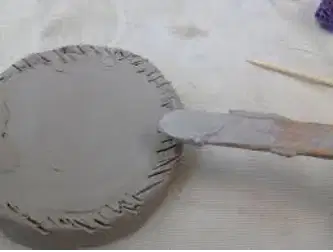
This is called ____
building
score and slip
making a circle
modeling
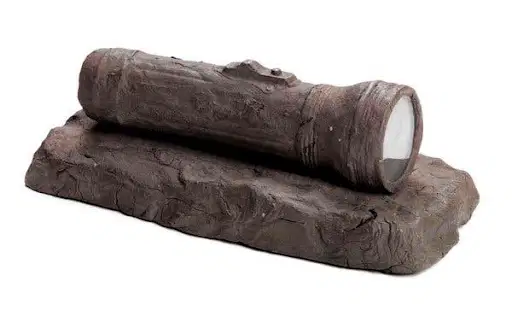
John Jaspers made his flashlight 2 out of ______
bronze
glass
clay
paper
The wall of modeled clay can be no thicker than ________
5 inches
3 inches
1 inch
2 inches
Before you can make a bronze cast, you must first create a _______.
sculpture
Plaster
mold
drawing
What happens if your clay is thicker than 1 inch?
It will become ceramics
It will become glazed
It will cause the clay to be thick.
It will explode in the kiln

