
 Worksheets
World War 1: FINAL 23
Total questions: 87
Worksheet time: 57mins
Militarism
Austria-Hungary, Germany, Ottoman Empire
an increase in the importance of the military of a country
to prepare for war
A form of warfare in which opposing armies fight each other from trenches dug in the battlefield.

Central Powers
Britain, France, Russia, Italy and the United States
Mexico
Australia
Austria-Hungary, Germany, Ottoman Empire

Allied Powers (WWI)
Britain, France, Russia, Italy and the United States
Mexico
Australia
Austria-Hungary, Germany, Ottoman Empire

Zimmerman Note
A form of warfare in which opposing armies fight each other from trenches dug in the battlefield.
A situation in which no progress can be made or no advancement is possible
1917 - Germany sent this to Mexico instructing an ambassador to convince Mexico to go to war with the U.S.
British passenger liner sunk in 1915 that helped sway American opinion of the war.

Luisitania
British passenger liner sunk in 1915 that helped sway American opinion of the war.
American citizens were lending money to the government to pay for the war.
Agreement to stop fighting
Treaty that ended WW I. It blamed Germany for WW I and handed down harsh punishment.

Reparations
As part of the Treaty of Versailles, Germany was ordered to pay fines to the Allies to repay the costs of the war.
American citizens were lending money to the government to pay for the war.
Law passed by Congress in 1917 that required all men from ages 21 to 30 to register for the military draft
British passenger liner sunk in 1915 that helped sway American opinion of the war.

Treaty of Versailles
Treaty that ended WW I. It blamed Germany for WW I and handed down harsh punishment.
Law passed by Congress in 1917 that required all men from ages 21 to 30 to register for the military draft
American citizens were lending money to the government to pay for the war.
British passenger liner sunk in 1915 that helped sway American opinion of the war.
Woodrow Wilson's ____________________ Points was used to help create the Treaty of Versailles.
Thirteen
Seventeen
Fifteen
Fourteen
The Treaty of Versailles included the creation of an international peacekeeping organization called the _______________________________________.
League of Nations
Avengers
Justice League
International League of Allies
World War 1 took place in:


Germany started the war after Franz Ferdinand was:


Soldiers mainly fought from:


America got involved in the war when Germany sank the:


What does M stand for in MAIN
Mighty
Militarism
Mountain
Moussolini
Which is correct for MAIN
Militarism
Alliances
Imparlism
Nationalism
Militarism
Assination
Imperalism
Nationalism
Alliances
Imperlaism
Mountain
Nationalism
Alliances
Nationalism
Mighty
Which countries were part of the Big Four
Britan
Germany
France
Russia
United States
Britian
France
Italy
Ukranie
Sweden
US
Germany
Japan
US
Germany
Russia
Who wrote the 14 points plan?
Obama
Hitler
President Wilson
Henry VXII
Which is NOT a reason why the league of Nations failed?
No Power to Enforce Rules
United States & other major powers did not join
Required everyone to agree for decisions
They had no where to meet / home country
Stalemate
A form of warfare in which opposing armies fight each other from trenches dug in the battlefield.
A situation in which no progress can be made or no advancement is possible
German submarines
British passenger liner sunk in 1915 that helped sway American opinion of the war.
mobilize
A form of warfare in which opposing armies fight each other from trenches dug in the battlefield.
A situation in which no progress can be made or no advancement is possible
to prepare for war
an increase in the importance of the military of a country

Trench Warfare
to prepare for war
A form of warfare where soldiers fight from trees.
Britain, France, Russia, Italy and the United States
A form of warfare in which opposing armies fight each other from trenches dug in the battlefield.
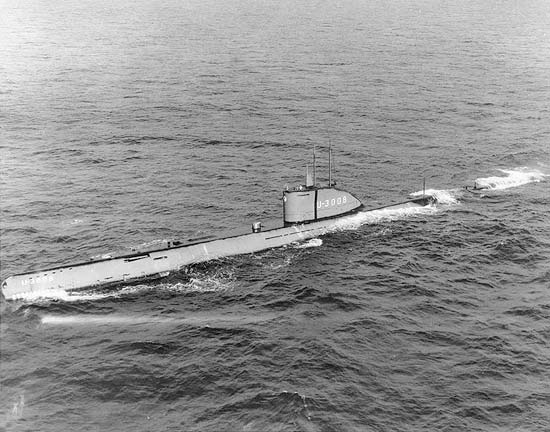
U-boats
German submarines
to prepare for war
Agreement to stop fighting
an increase in the importance of the military of a country
Luisitania
British passenger liner sunk in 1915 that helped sway American opinion of the war.
American citizens were lending money to the government to pay for the war.
Agreement to stop fighting
Treaty that ended WW I. It blamed Germany for WW I and handed down harsh punishment.
Zimmerman Note
A form of warfare in which opposing armies fight each other from trenches dug in the battlefield.
A situation in which no progress can be made or no advancement is possible
1917 - Germany sent this to Mexico instructing an ambassador to convince Mexico to go to war with the U.S.
British passenger liner sunk in 1915 that helped sway American opinion of the war.

League of Nations
A world organization established in 1920 to promote international cooperation and peace. It was first proposed in 1918 by President Woodrow Wilson, although the United States never joined the League of Nations.
As part of the Treaty of Versailles, Germany was ordered to pay fines to the Allies to repay the costs of the war.
1917 - Germany sent this to Mexico instructing an ambassador to convince Mexico to go to war with the U.S.
British passenger liner sunk in 1915 that helped sway American opinion of the war.
9) WWI began when Austria-Hungary declared war on Serbia one month after:
Serbia tried to take more of Austria-Hungary's land.
Serbia burned their flag.
Archduke Ferdinand and his wife were killed.
The Lusitania was sunk.
Which treaty ended World War I?
The Treaty of Paris
The Treaty of Versailles
The Armistice of Versailles
The Treaty of World Powers
The United States wanted to remain neutral during the war.
true
false
Which of the following factors led to America joining the war?
wartime propaganda
traditional sympathies
unrestricted submarine warfare
Germany invading Mexico
The American soldiers helped repel the Germans on the _____________________ front
eastern
southern
western
northern
In the 1930s, Congress passed a set of laws called the ______________________________________ that limited America's involvement in world affairs because they did not want us being part of the second world war.
Peacekeeping Acts
Treaty of Versailles
Neutrality Acts
Zimmerman Acts
What was the name of Austria Hungary, Bulgaria, Germany, and the Ottoman Empire?
allies
central powers
Great Britain, France, Russia, and other nations who fought on their side are....
Central powers
Allies
Whose death sparked World War I?
Kaiser Wilhelm
Archbishop Ussher
Archduke Franz Ferdinand
Propaganda means?
agreement to stop fighting
fighting took place Germany’s plan for winning the war on two fronts
one-sided information designed to persuade

What is the acronym for the causes that started World War I in Europe?
TAME
MAIN
AIM
PLAN

This telegram was a secret diplomatic communication issued from Germany in January 1917 that proposed a military alliance between Germany and Mexico.
Lusitania
Zimmerman Telegram
Treaty of Versailles
League of Nations

Nicholas II of Russia used a diplomatic telegram in an attempt to avoid war after this politician had been killed.
Archduke Franz Ferdinand
President McKinley
Gandhi
Patrice Lumumba
Why did Germany start shooting at neutral ships, including United States vessels?
The U.S. did not support Germany.
The U.S. supported Great Britain.
The U.S. supported Great Britain.
They wanted the U.S. to join the war.
The Western Front was established as a fighting line between which two countries?
Great Britain and France
France and Germany
Russia and Germany
Austria-Hungry and Russia
Which statement accurately describes the Russian military throughout WWI?
Their armies were short of war material due to insufficient industrialization.
Their soldiers were heavily outnumbered in many of their battles against Germany.
Their generals failed to defeat the Austrian army in any of their battles.
Their navy controlled the sea passages allowing supplies to be sent to their allies.
An equality of power among different countries that discourages any group from acting aggressively
Alliance System
Balance of Power
Stalemate
Revolution
To call attention to/to show importance
Propoaganda
Revolution
Stress
Stalemate
A war to overthrow a government
Propoaganda
Revolution
Stress
Stalemate
A government in which one person with unlimited power rules
Autocracy
Convoy
Kaiser
Socialism
A group of ships that escort and protect other ships
Convoy
U-Boats
Dissent
Stalemate
The German Emperor
Kaiser
Stalemate
U-Boats
Reparation
A person who believes industries should be publicly owned
Socialist
Pacifist
Stalemate
Kaiser
To limit use
Ration
Consume
Dissent
Convoy
A person who is opposed to the use of violence
Socialist
Pacifist
Stalemate
Kaiser
The Bolshevik Revolution took place in what European country?
Austria-Hungary
Russia
Germany
Mexico
No Mans Land was the area?
between the trenches
behind the trenches
beside the trenches
below the trenches
The use of Mustard Gas marked the first time ______________ warfare was used in battle?
Guerilla
Chemical
Aerial
Underwater
Vladimir __________ became the Leader of the USSR following the Bolshevik Revolution.
Putin
Kruschev
Lenin
Stalin
Kaiser Wilhelm II was the leader of what country?
US
France
Germany
Spain
Vladimir Lenin was the leader of?
Portugal
Belguim
Norway
USSR
an agreement between Germany, Austria-Hungary, and Italy.
Triple alliance (Central Powers)
Triple Entente
Allies
Axis
Which alliance was Great Britain a part of?
Triple Alliance
Triple Entente
Which battle did Australians suffer huge casualties in July 1916
The Battle of the Somme
Battle of Verdun
Battle of Messines
Battle of Amiens
What happened at 11am on 11 November 1918
World War One was officially over
Australian soldiers returned home
Britain surrendered to Germany
The USA entered World War One

An effect of the telegram above could be considered a turning point because
US foreign policy shifted from neutrality to direct involvement in war
Congress passed neutrality legislation to ensure the United States would stay out of the war
Woodrow Wilson was re-elected as president of the United States for a third term
New Mexico and Arizona were granted statehood in the United States
Which of the following factors led to America joining the war?
wartime propaganda
traditional sympathies
unrestricted submarine warfare
Germany invading Mexico

how many soldiers died in ww1
37 million
7 million
10 million
all about
What country was forced to take all the blame for World War 1
United States
Russia
Germany
Italy

