
Font size
 Worksheets
WEATHERING, EROSION, DEPOSITION
Total questions: 40
Worksheet time: 26mins
______________________ takes it.
Deposition
Weathering
Erosion.
When everything stops ________ drops.
Deposition
Weathering
Erosion.
_____________________ happens when rocks on Earth's surface break apart or change without moving anywhere.
Erosion
Weathering
Deposition
_______________ moves material from one place to another.
Weathering
Erosion
Deposition
_____________________ is the movement of soil and rock by wind, water, ice, and gravity.
Weathering
Erosion
Deposition


Eroded materials are called _______________________.
constructive
chemical weathering
sediments

This is an example of _____________________________.
physical weathering
chemical weathering
Waves crashing against a cliff is an example of __________________________ weathering. This is also known as the breaking of rock into smaller pieces by gravity, ice, plant roots, or other factors.
physical
chemical
In the pictures below, choose a picture that shows physical weathering of rock that has abrasion caused by wind.


What are glaciers?
They are winding rivers that carry sediment to a delta
They are waves that constantly crash against the shoreline.
are huge masses of ice that move slowly over land.
They are sand dunes that form from wind depositing sediments.

This plant's roots have grown into gaps in the rock - forcing the rock to break apart. What type of weathering has occurred?
chemical weathering
physical weathering


Which process broke this hole in the arch?
Deposition
Weathering
Erosion.

Which process caused this delta to be left at the end of the river?
Deposition
Weathering
Erosion.

Which process caused the sand dune to form here and not somewhere else?
Deposition
Weathering
Erosion.
Extreme temperature changes in the desert cause the rock to expand and contract and eventually split.
weathering
erosion
deposition
Small islands made of sediment called deltas form at the end of rivers
weathering
erosion
deposition
Sand dunes are large piles of sand that can be found in the desert. What causes these sand dunes to form?
water
wind
ice
volcanoes
Besides moving water, what other forces cause erosion?
wind salt gravity
wind ice gravity
wind animals storms
A cliff formed near the ocean. Which statement best describes how this cliff formed?
warm air melted the rock
sun rays evaporated the rock
ocean waves washed away rock
plant roots pushed away the rock
When sediments are taken away by erosion and dropped somewhere else, it is ____________
Erosion
Deposition
Weathering
Lily's family went to the beach over the summer. While there, Lily noticed that the rocks closer to the water’s edge were smooth, and the rocks farther away from the water were rough and jagged. What MOST likely caused the rocks closer to the water to be smooth?
birds pecking at the rocks
fish swimming over the rocks
waves crashing down on the rocks
people walking over the rocks to get to the water
Water mixed with carbon forming carbonic acid that eats away at marble and limestone.
mechanical weathering
chemical weathering
Canyons are formed by
earthquakes breaking rock layers apart.
wind smoothing out rock formations.
lava flowing from nearby volcanoes.
rivers carrying sediments that weather and erode land.
How does freezing water cause the weathering of rocks? The freezing water
keeps the rocks in place
expands cracks and breaks rocks
makes the rocks last longer
causes rocks to fall in landslides
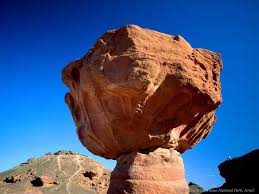
The process that breaks down rocks and other materials on Earth's surface is called
Weathering
Erosion
Deposition
Decomposition

Over long periods of time, deposition may change the Earth’s surface by _____.
forming new land features.
breaking down large rocks into smaller ones.
washing away beaches.
moving topsoil.


What causes the greatest erosion effect on our beaches?
Waves
Gravity
Glaciers
Wind

What is an enormous mass of ice moving over land, causing weathering of rock and soil?
A glacier
An iceberg
An ice wedge
A sand dune
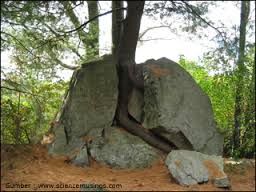
How do plants weather rocks?
During photosynthesis
When roots grow into cracks of rocks and expand the rock breaks.
When the plant moves water from the roots to the leaves, the rock breaks.
Plants don't weather rocks.
Which of the following is NOT a slow change to Earth's surface?
Weathering
Erosion
Deposition
Landslides
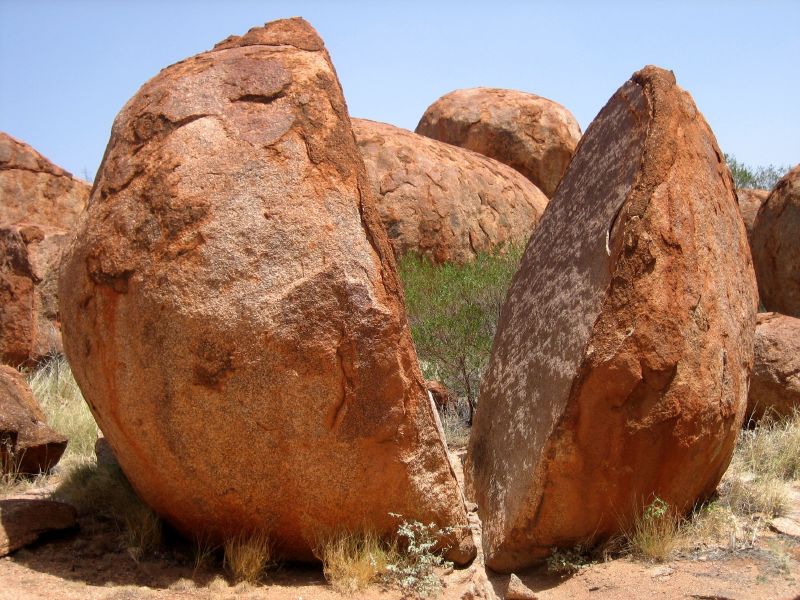
What is the wearing away or breaking down of rocks called?
Deposition
Erosion
Glaciers
Weathering


Rocks being picked up and carried downstream is an example of ____________.
weathering
erosion
deposition
What does W.E.D. stand for?
winter, eastern, demolition
weathering, erosion, deposition
weathering, exposition, demolition
western, eastern, deposition

This landform is formed by
water erosion
weathering
deposition of sediments
glaciers

