
 Worksheets
Animal Organization & Circulation
Total questions: 60
Worksheet time: 33mins
Type of circulation that refers to blood flow from the heart to the lungs and back to the heart again?
Systemic circulation
Renal circulation
Portal circulation
Pulmonary circulation
Type of circulation that refers to the blood flowing through the entire body?
Systemic circulation
Renal circulation
Portal circulation
Pulmonary circulation
The type of blood vessel that normally carries de-oxygenated blood back to the heart from body cells?
arteries
capillaries
veins
The type of blood vessel that normally carries oxygenated blood from the heart to the body cells?
arteries
capillaries
veins
The type of blood vessel where exchange of gases, nutrients, and wastes occurs?
arteries
capillaries
veins

The main vein(s) that brings blood to the right atrium?
Aorta
Pulmonary veins
Superior and Inferior vena cava
Jugular vein
is the maintenance of a relatively stable internal environment
is the maintenance of a relatively stable external environment
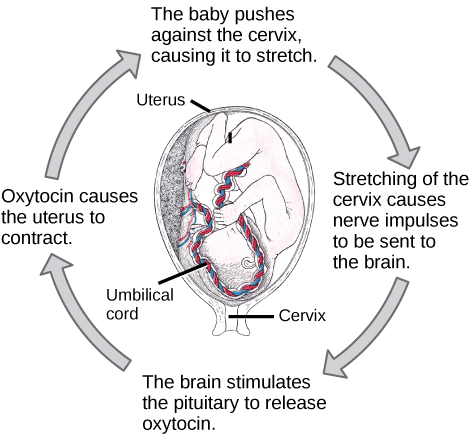
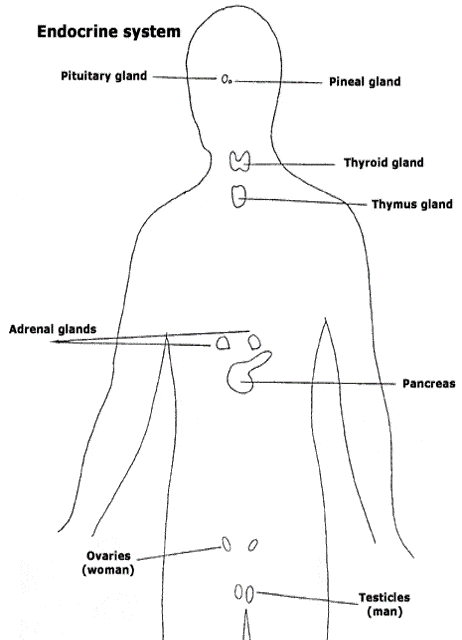
During child birth a woman's body over produces a hormone called oxytocin until the baby is born. What kind of feedback loop would this be?
Negative Feedback Loop
Positive Feedback Loop
Neutral Feedback Loop
Linear Feedback Loop
When you are hot, your body sweats to cool you down. This means your temperature went above normal and your body sweats to counteract that change to bring you back to normal. What kind of feedback loop would this be?
Negative Feedback Loop
Positive Feedback Loop
Neutral Feedback Loop
Linear Feedback Loop
These detect changes in the environment
Control Center
Sensors
Communication System
Target
This takes the messages from the sensors and is known as the control center
Brain
Kidney
Liver
Heart
What is the biggest function of the muscular system?
to help digest food
to help us move
to help us breathe
to help us remove waste
What is the biggest function of the respiratory system?
to pump blood
to help us digest food
to take in oxygen and release carbon dioxide
to help us fight disease and infection
Which of the following statements describes the function of the heart?
The heart produces white and red blood cells.
The heart controls the nervous system.
The heart makes oxygen and carbon dioxide.
The heart pumps blood throughout the body.
What is the most important function of the digestive system?
Gas exchange
Break down food
Voluntary movement
Fight bacteria and disease
What is the most important function of the excretory system?
Break down food
Pump blood
Remove waste
Voluntary movement


How many chambers does a fish heart have?
1
2
3
4

Describe the circulatory system of a fish.
2 chambered, double loop
2 chambered, single loop
3 chambered, single loop
4 chambered, double loop
Which type of blood vessel is wide with thick walls to contain high amounts of pressure?
veins
arteries
capillaries
thrombocytes
What is meant by a CLOSED CIRCULATORY SYSTEM?
Blood flows into hemocoel
Blood flows in a vessel
Blood stucks at the end of the vessel
Blood is always inside the body


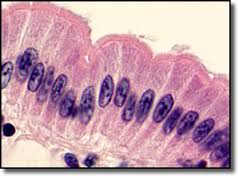
What tissue is this?
Epithelial
Nervous
Connective
Muscular
This tissue type covers and protects surfaces, both outside and inside the body.
NERVOUS
CONNECTIVE
EPITHELIAL
MUSCULAR
Epithelial Tissues may be classified according to?
Location and Direction
Color and Shape
Number of cell layers and cell shape
It depends
Which epithelial tissue has more than one layer of flattened cells?
simple squamous
stratified squamous
transitional
simple columnar

Which tissue is also known as fat tissue?
adipose
reticular
dense
areolar
provides shape and support, movement, protects your internal organs, produces blood cells,
muscular system
nervous system
skeletal system
digestive system
circulates blood, oxygen, and nutrients to cells; collects waste
skeletal system
nervous system
digestive system
circulatory/cardiovascular system
main parts include: brain, spinal cord, nerves
muscular system
circulatory system
circulatory/cardiovascular system
nervous system
main parts include: mouth, esophagus, stomach, small intestines, large intestines
circulatory/cardiovascular system
digestive system
nervous system
respiratory system
main parts include: nose, lungs, trachea
circulatory/cardiovascular system
respiratory system
muscular system
digestive system


How many chamber does the heart of amphibian has?
2
3
4
There are mixing of oxygenated blood and deoxygenated blood in the ventricle of the frog.
TRUE
FALSE
What is meant by an OPEN CIRCULATORY SYSTEM?
Does not have blood vessel
Have blood vessels
Contain haemolymph
Contain blood

