
 Worksheets
Misc. Review
Total questions: 100
Worksheet time: 59mins

The area of the US where tornadoes most frequently hit is called Tornado ...
Valley
Run
Alley
Highway

What is an Herbivore?
Meat eater
Sandwich
Plant & Meat eater
Plant eater

type of exercise
heart rate
amount of time exercise occurs
gender of person that exercises

blending
camouflage
migration
hibernation


A relationship between two organisms where one benefits while the other is harmed but not immediately killed is known as what?
Decomposition
Consummerism
Mutualism
Parasitism
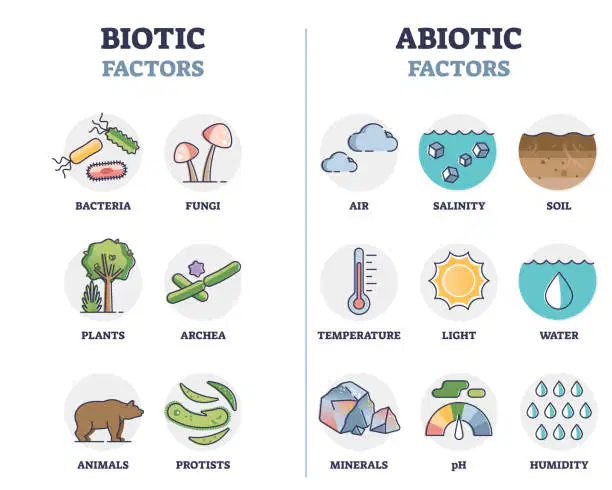
Biotic factor
Sunlight
Abiotic Factor
Niche


Biotic Factors
Heterotrophs
Abiotic factors
Decomposers


Population
Carrying capacity
Ecosystem
Niche
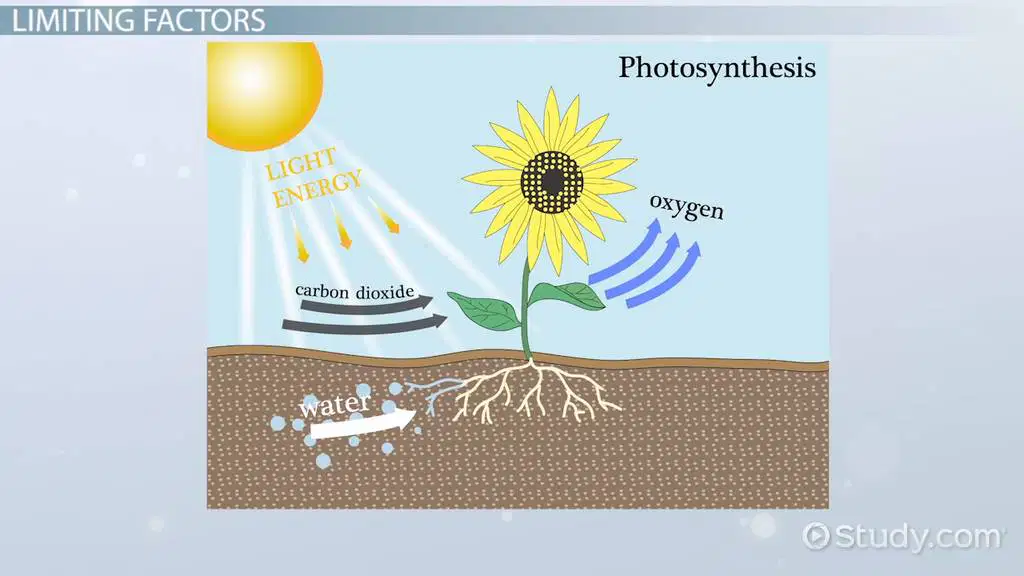
Density dependent limiting factors
limiting factor that depends on population size (competition, predation, parasitism, and disease)
limiting factor that affects all populations in similar ways, regardless of population size (drought, climate extremes, human disturbances, and natural disasters)
Growth pattern in which a population's growth rate slows or stops following a period of exponential growth
Under ideal conditions with unlimited resources, a population will grow exponentially

The graph shows a model of growth of a bacterial population. Which of the following correctly describes the growth curve?
demographic
logistic
limiting
exponential
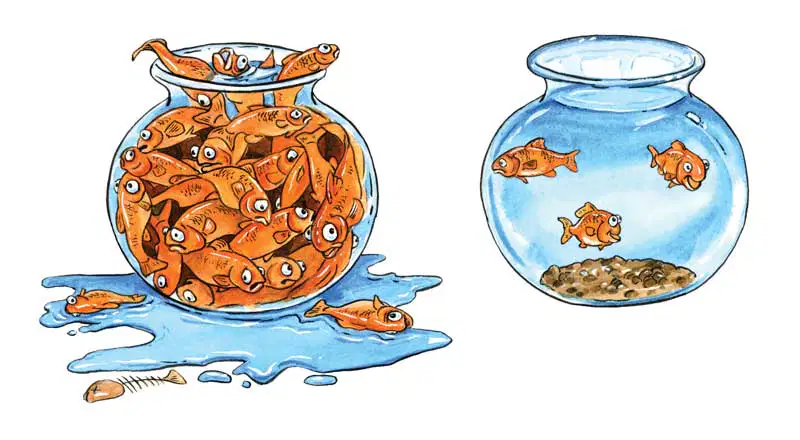
The maximum number of individuals of a particular species that a particular environment can support is its
logistic growth
carrying capacity
age structure
population
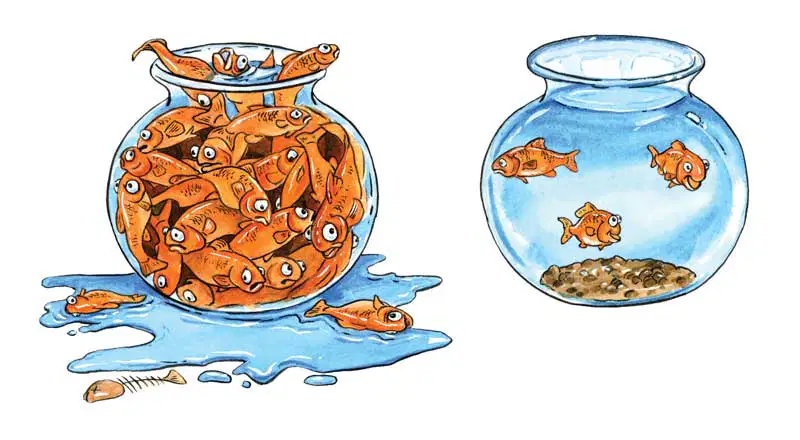
If a population grows larger than the carrying capacity of its environment, the
death rate may increase
birthrate may rise
death rate must fall
birthrate must fall

Which of the following is a density-independent limiting factor?
a struggle for food, water, space or sunlight
predator/prey relationships
flood damage from a hurricane
parasitism and disease
What can cause a population to grow?
The birthrate become higher than the death rate
The birthrate stays the same, and the death rate increases
The birthrate becomes lower than the death rate
The birthrate and death rate remain the same
Why are people concerned with the introduction of non-native species?
They are preferable to native species
they cannot survive as well as natives
they can adapt quicker than natives
they compete with native species

What type of growth chart is this?
logistic
exponential
Population Density
Under ideal conditions with unlimited resources, a population will grow exponentially
Number of individuals per unit area
limiting factor that depends on population size (competition, predation, parasitism, and disease)
limiting factor that affects all populations in similar ways, regardless of population size (drought, climate extremes, human disturbances, and natural disasters)
Limiting factor
An environmental factor that prevents a population from increasing
largest number of individuals of a population that a given environment can hold
Under ideal conditions with unlimited resources, a population will grow exponentially
mechanism of population control in which a population is regulated by predation
Density independent limiting factor
limiting factor that affects all populations in similar ways, regardless of population size (drought, climate extremes, human disturbances, and natural disasters)
limiting factor that depends on population size (competition, predation, parasitism, and disease)
Under ideal conditions with unlimited resources, a population will grow exponentially
Immigration, Emigration, Birth rate, and Death rate that change a population's size
Define competition
symbiotic relationship where both organisms benefit from interaction
when two or more individuals or populations try to use the same limited resources
variation of genes within an ecosystem in a given area
variety of life among Earth's land, freshwater, and marine ecosystems

Density-independent limiting factors to population growth includes
stress from overcrowding
parasitism
competition
natural disasters


Using Figure 5–6, describe the type of growth Mexico is experiencing.
Mexico is experiencing a rapid growth rate because there are more children than adults.
Mexico is experiencing no growth because people are living longer.
Mexico is experiencing slowed growth because there are fewer adults.
Mexico is experiencing a rapid decline because there are more children than adults.

What are survivorship curves?
curves that describe the number of survivors over time
curves that tell us what the limiting factors are
curve that tells us about the carrying capacity
a curve
Which of the following is a density-dependent limiting factor of population growth?
human activity
weather
predation
natural disasters

How would you describe the population of this country?
They are experiencing stable population growth
They are experiencing negative population growth
They are experiencing rapid population growth
People leaving a country is called
Immigration
Emigration
Mass migration
Urbanization
The movement of people from rural areas into cities is called..
Industrialization
Urbanization
Globalization
City moving

According to this graph, Which stage of the demographic transition has the highest level of population growth?
pre-industrial
transitional
industrial
post-industrial
What is the direct cause of rising sea levels?
Melting Sea Ice
Melting Land Ice
Climate Change

Which of the following have been changed or altered due to climate change ?
droughts
flooding
melting of polar ice caps
all of the above
The main human activity that releases greenhouse gases is
using public transportation and there by reduce the affects of greenhouse gases.
burning fossil fuels
texting on cellphones
eating meat
An increase in the average temperature of the earth's atmosphere.
Global Warming
Deforestation
Smog
Overpopulation
Which of the following is NOT an example of a greenhouse gas.
water vapor
oxygen gas
carbon dioxide
methane gas

Which is a true statement?
Humans depend on oxygen, plants depend on carbon dioxide
Plants produce carbon dioxide
Humans depend on carbon dioxide, plants depend on oxygen
Humans don't depend on plants for the air they need
A thin layer of gases surrounding Earth
atmosphere
Albedo
Great Ocean Conveyor Belt
Troposphere
the area of the atmosphere that contains the air we breathe and every aspect of what we call weather
Troposphere
Anthropogenic greenhouse gases
El Niño
Thermal expansion
Most abundant gas in the atmosphere?
nitrogen
water
oxygen
carbon dioxide
Which greenhouse gas has the greatest affect on global temperature?
oxygen
nitrogen
water
carbon dioxide


Which of the following are evidence of climate change?
extreme weather events
increase in the average global temperature
melting of polar ice caps
all of the above
Which of the following is contributing to an increase in carbon dioxide (CO2) in the atmosphere?
deforestation
burning fossil fuels
burning down trees
all of the above
Which of the following is produced by cows?
Carbon Dioxide
Water Vapor
Argon
Methane
an area's climate changes and it gets LESS rainfall. what can happen?
more hurricanes
more forest fires
floods
more diseases
Warming seas will...
Increase the number of storms
Decrease the number of storms
The number if storms will stay the same
Earths climate has...
Decreased by 10 degrees
Increased by 2 degrees
Decreased by 2 degrees
increased by 10 degrees
An example of a climate change mitigation strategy is
mandating more fuel efficient vehicles
building structures to protect from rising sea levels
species migration
using drought resistant crops

What is a major cause of coral bleaching?
Too much carbon dioxide is dissolved in ocean water
Not enough carbon dioxide is dissolved in ocean water
Whales chewing on coral reefs
Too much sunlight
One possible positive consequence of an increase in CO2 in the atmosphere?
Plants may grow faster and produce more sugars
Pests like pine beetles will die
Forest fires will be extinguished by the lack of oxygen
Corals will grow faster

Both El Nino and La Nina have this in common
Influence birds that migrate over the ocean
Influence rainy / dry weather world wide
The weather at the polar regions
The directions that ships travel in the oceans

The picture represents a(n) ___ event.
El Nino
La Nina
Non-El Nino (normal conditions)

What process is shown in this picture?
(a)

What effect does this process have on the fishing industry?
No effect
Positive effect- more fish available for harvest
Negative effect- few fish available for harvest

Catherine was conducting a simulation for an experiment. She added carbon dioxide to the simulation atmosphere, increasing the rate of IR absorption from terrestrial radiation. What effect is Catherine likely to create in her simulation?
the haze effect
the ozone effect
the greenhouse effect
the solar effect

The globe on the right shows cooler water in the Pacific Ocean off the coast of South America. This represents a(n)
El Niño
La Niña
Hurricane
None of the above

The globe on the left shows warmer water in the Pacific Ocean off the coast of South America. This represents a(n)
El Niño
La Niña
Hurricane
None of the above

Biodiversity is important to keep an area (biome) healthy. In this example "Food Web A" is sustainable. Why is sustainability important for an ecosystem in "Food Web A".
If one organism is removed the food web can still operate (work) with little or no negative effect.
If an organism is removed the food web will collapse and will affect the environment.
Biodiversity is best described as...
the amount of different species of organisms (plants and animals) living in the same area.
when only a few species inhabit an area.
when only one organism (plants and animals) is found living in one area.
This is the diversity of ecosystems, natural communities and habitats. It is the variety of ways that species interact with each other and their environment.
biodiversity
ecological biodiversity
keystone species
ecosystem resilience
These are organisms that are brought into a new environment, sometimes accidentally, sometimes on purpose; and have no natural enemies or controls.
keystone species
endemic species
invasive species
endangered species
Any living organism which is "in danger of extinction throughout all or a significant portion of its range."
keystone species
indicator species
invasive species
endangered species
Which of the following is a natural threat to biodiversity?
climate change
overharvesting/poaching
introduction of invasive species
natural disasters like tornados, hurricanes, etc.
What is one way that biodiversity CANNOT be protected?
conservation of natural resources
laws and regulations to protect natural habitats and threatened/endangered species
stop recycling and increase pollution of water, land, and air
inspect and prohibit living organisms (plants/animals) that are brought into an area for invasive species

It is important to try to maintain or increase biodiversity in an ecosystem to ensure its long-term health?
True
False

