
 Worksheets
All Year ELA Vocab - 96 words
Total questions: 97
Worksheet time: 49mins

two words that are joined together to create a new meaning.
Compound Word
Compound Sentence
Root Word
Affix
a diagram or pictorial device that shows relationships
Illustrate
Venn Diagram
Graphic Organizer
Describe
the topic and a specific feeling or ideas associated with it.
Focus
Thesis
Theme
Generalization
a word that prefixes and suffixes can be added to, to form different words.
Prefix
Suffix
Affix
Root Word
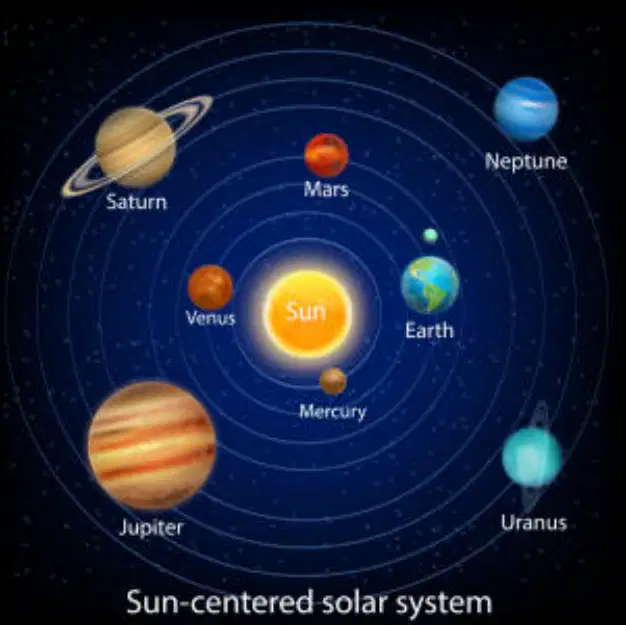
the center of interest or attention.
Literary Devices
focus
generalization
theme
a group of letters that can be placed after a word to change its meaning.
Root word
Suffix
Affix
Prefix
a group of letters that can be placed before a word to change its meaning.
Prefix
Suffix
Affix
Root word
one or more letters that are attached to the beginning or end of a word.
Prefix
Suffix
Affix
Root word

a diagram made up of two or more overlapping circles that is used to show similarities and differences in characters, stories, poems, events, or major ideas between two texts.
Describe
Illustrate
Graphic Organizer
Venn Diagram
the ending of the story, the summarization of ideas, or closing argument in nonfictional texts.
conclusion
generalization
Personification
Hyperbole
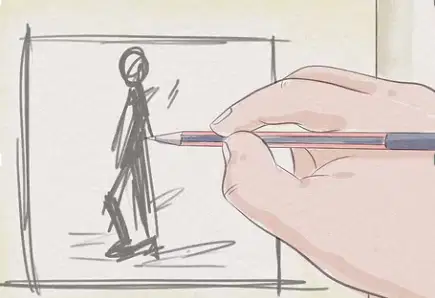
to make an answer clear using pictures, charts, or diagrams within an essay.
Illustrate
Describe
Analyze
paint
tools used by the author to enliven and provide voice to writing.
Literary Devices
Literary Elements
Literary Tools
personification

a word or group of words in a literary work which appeal to one or more of the senses.
Description
Illustration
Personification
Imagery

the conversation between two people in a literary work.
Talking
Dialogue
Conversation
inconsequential Chit-chat
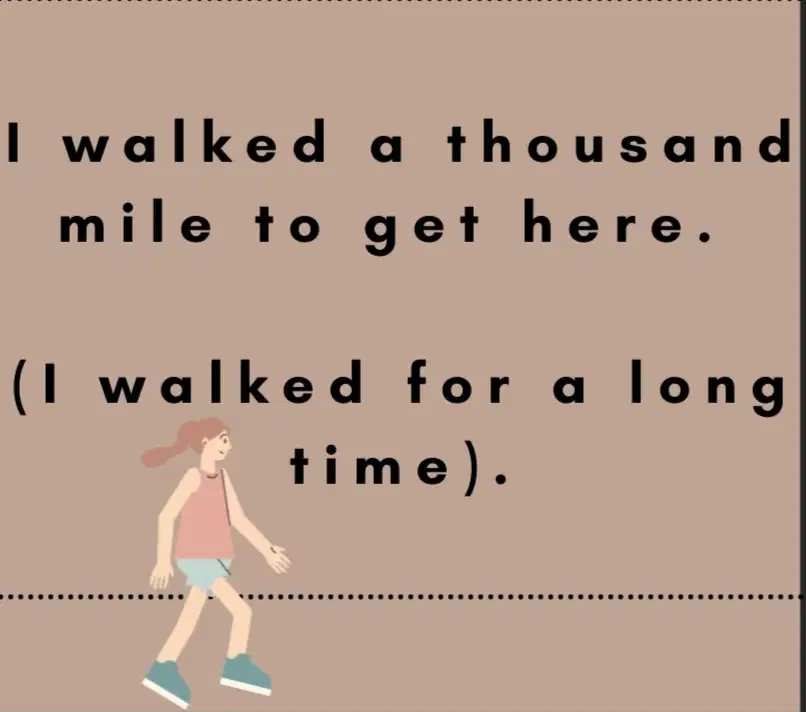
an exaggeration or overstatement.
Personification
Figurative language
hyperbole
Onomatopoeia
a sentence that has two independent clauses joined with a coordinating conjunction (FANBOYS) or semicolon.
simple sentence
Complex-compound sentence
Compound Sentence
dependent clause
a conclusion based on facts or circumstances; understandings gained by "reading between the lines".
Closing
Generalization
Inference
Conclusion
comparing how characters, situations or ideas are similar and different in literary selections.
similarities
compare/contrast
anaylze
Venn diagram
the part of a story where the plot becomes increasingly complicated, and leads to the climax.
Rising Action
Exposition
Falling Action
Resolution
a conclusion, drawn from specific information, that is used to make a broad statement about a topic or person.
Personification
Generalization
Conclusion
Inference
the attitude of the author toward the audience and characters
Voice
Tone
Style
Mood
to briefly state the main idea and the major details in an essay.
State
Summarize
Generalize
Conclude

What is the best American football team?
Not on here
Steelers
the essential parts that make up literature
Literary elements
Literary device
Literary tools
characterization
the pattern or beat of a poem.
voice
Rhythm
tune
Style
the story of a person's life written by someone else.
informative/expository writing.
Biography
Biology
Narrative writing
a category used to classify literary works.
Book
literary category
type
Genre
the author's method of organizing a text.
Text sections
Text organization
Text structure
Literary types
poetry that lacks regular metrical and rhyme patterns but that tries to capture the cadences of everyday speech.
Free verse
haiku
Limerick
Sonnet
to tell about something using words; creating a picture with words in an essay.
differentiate
Describe
Illustrate
paint
recounting in a reader's own words a story or article that has just been read.
remember
Retell
recount
reread
language that cannot be taken literally since it was written to create a special effect or feeling.
Alliteration
hyperbole
personification
Figurative language
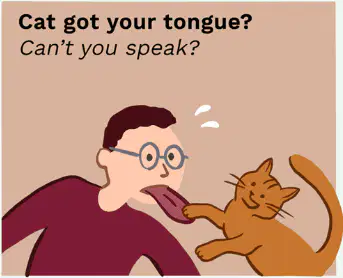
an expression that cannot be understood if taken literally.
Personification
Idiom
Hyperbole
Alliteration
the vantage point from which a story is told.
none of these
perception
perspective
point of view
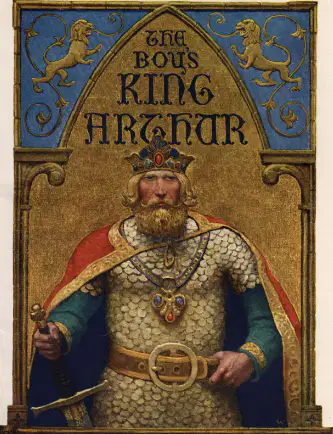
a story about a mythical or supernatural being or events often not true.
Informative/expository writing
Legends
Mythologies
Narrative writing
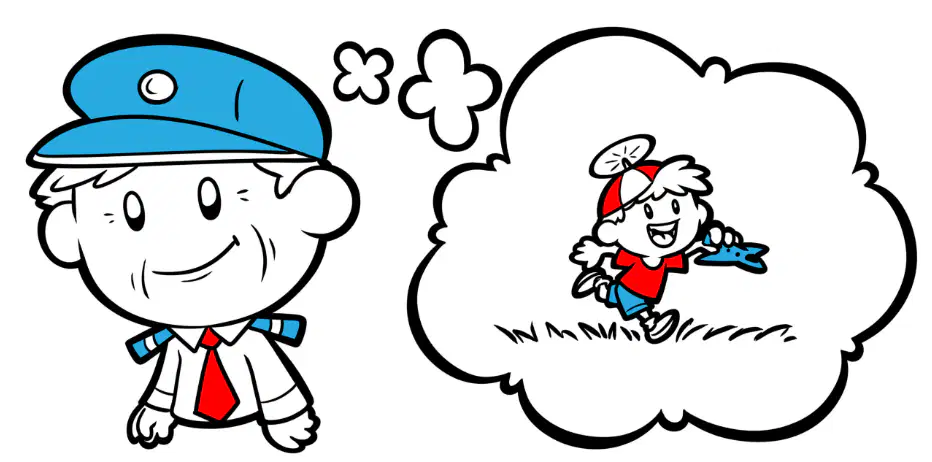
a device used in literature to present action that occurred before the beginning of the story.
Past
Flashback
Foreshadowing
Present
the bad/evil character that is against the protagonist in a story.
Antagonist
Protagonist
Main character
Characterization
also called apposition; a grammatical construction in which two usually adjacent nouns having the same referent stand next to one another; often separated by commas.
Subject
Appositive
Noun
Verb
the author's central thought; the chief topic of a text expressed or implied in a word or phrase; the topic sentence of a paragraph.
none of the following
Focus
Main Idea
Big idea 🤯
the fluency, rhythm and liveliness in writing that make it unique to the writer.
Tone
Voice
Rhythm
Mood
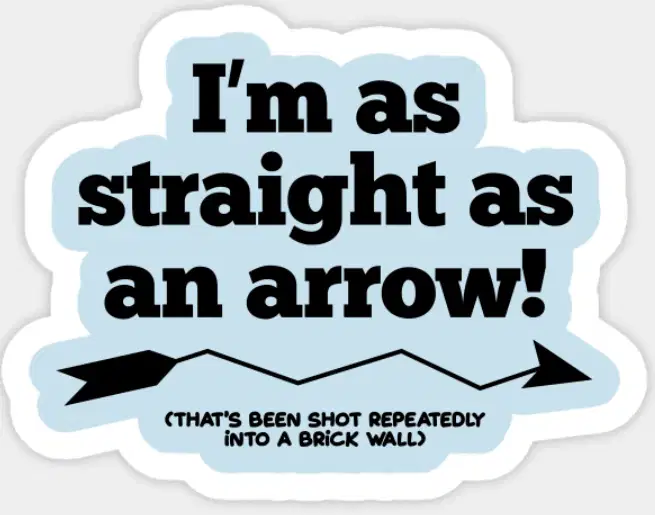
a figure of speech that compares two unlike things using like or as.
Metaphor
Simile
Personification
Figurative Language

to tell about and recognize the differences between two or more items.
Compare/contrast
Differentiate

a struggle or clash between opposing characters, forces, or emotions in a story.
conflict/problem
issue within plot
a made up story rather than documented fact.
Fable
Personification
Fiction
Expository writing

one of two or more words in a language that have highly similar meanings.
Antonyms
Synonym
Multiple meaning words
Homophones
information from the reading that identifies a word or group of words.
differentiate
analyzing
Context clues
inference
two independent clauses and one or more dependent (subordinate) clauses.
Compound sentence
Compound-Complex sentence
Simple sentence
Dependent clause
a reference in literature to a familiar person, place or event.
allusion
Illusion
Literary point
a sentence that has a subject, verb, and expresses a complete thought. It is one independent (subordinate) clause.
subordinate clause
Compound-complex sentence
Simple sentence
Compound sentence
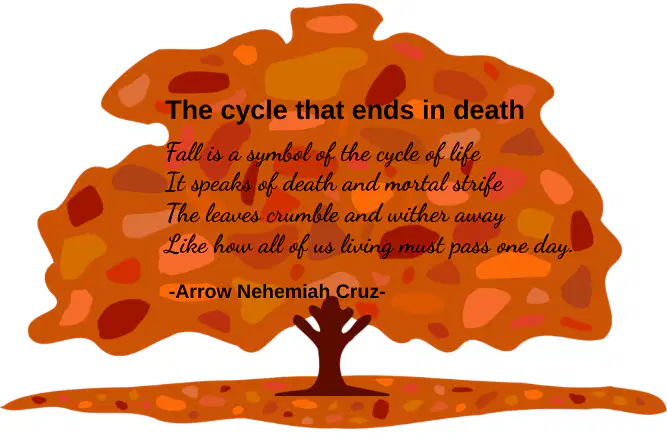
a type of writing that gives ideas and causes the reader to experience emotion through the use of figurative language.
Fable
Poetry
Haiku
Literary elements
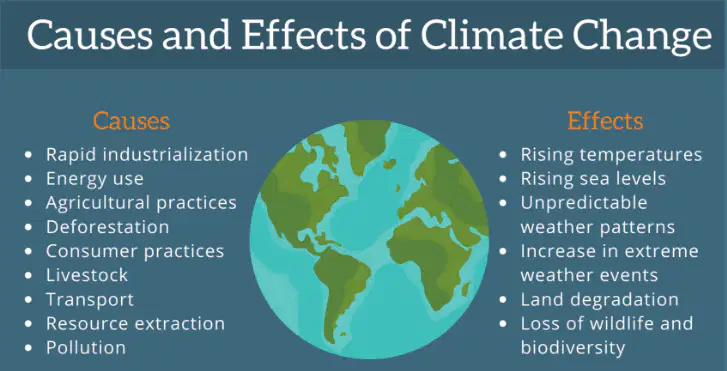
cause statements stem from actions and events, and effects are what happened as a result of the action or event.
Outcome
consequence
source
Cause/effect
how an author writes; an author's use of language.
Rhythm
Mood
Style
Tone
the good/positive character in a story.
Side character
Main Character
Protagonist
Antagonist
identical or very similar recurring final sounds in words usually at the end of lines of a poem.
Rhythm
Rhyme
Reason
the beginning part of plot, where the reader learns about the characters and setting of a story.
Resolution
Exposition
Falling action
Rising Action
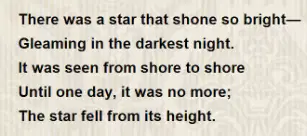
a light of humorous verse form of five lines.
Short Poem
Haiku
Limerick
Poem
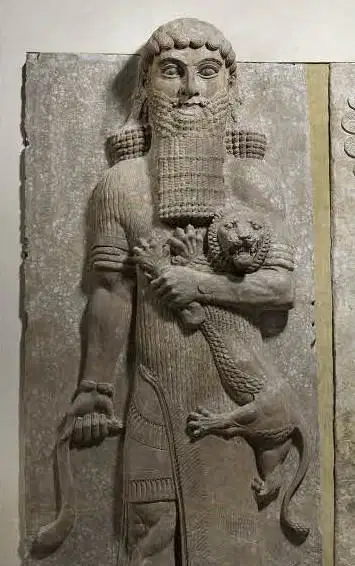
a long narrative poem about the adventures of a hero of great historic or legendary importance.
Fictional story
Fable
Epic
Narrative writing
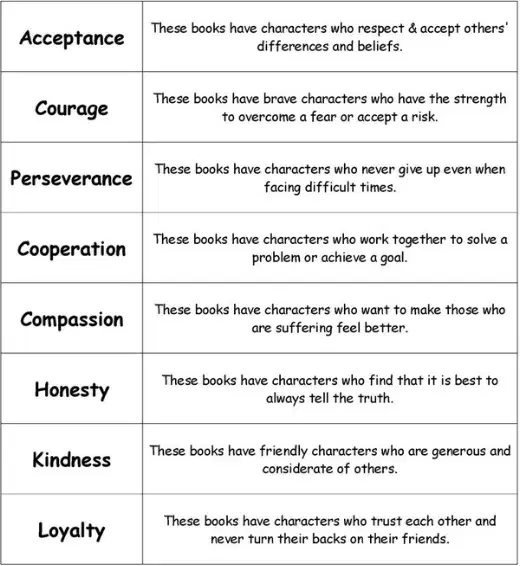
a topic of discussion or writing; a major idea broad enough to cover the entire scope of a literary work.
Theme
thesis
theory
focus

a word that is the opposite of another word.
homophone
Antonym
synonym
multiple meaning words
to give your ideas about something in an essay.
Interpret
Point of view
thesis
ideas
The statement below is true that it is false.
meanings which though unexpressed in the literal text may be understood by the reader; implied is the ELA vocabulary word implicit.
True
False
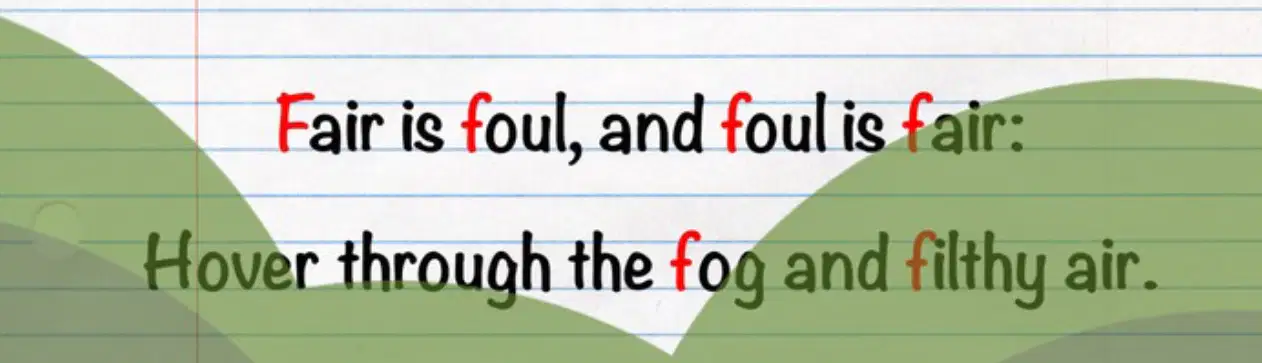
the repetition of initial consonant sounds in words.
onomatopoeia
alliteration
Personification
Allusion
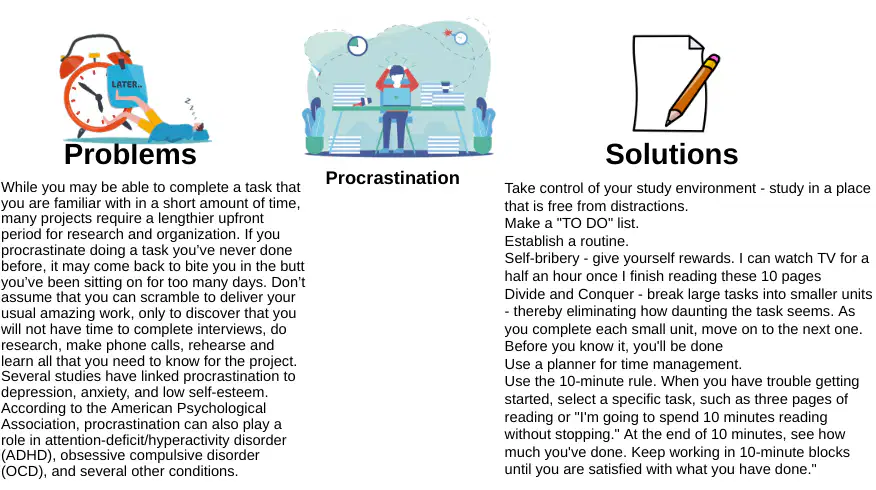
a type of organizational structure in nonfictional texts, where the author typically presents a problem and possible solutions to it.
Problem/solution
Cause/effect
Expository/informative writing
Narrative Writing
the clear, easy, written or spoken expression of words typically in oral reading
simple
accuracy
Fluency
correct

words that have several meanings depending upon how they are used in a sentence.
Antonyms
Synonyms
Homophones
Multiple-meaning words
the author's intent either to inform or teach someone about something to entertain people or to persuade or convince their audience to do nor not do something is the author's purpose
True
False
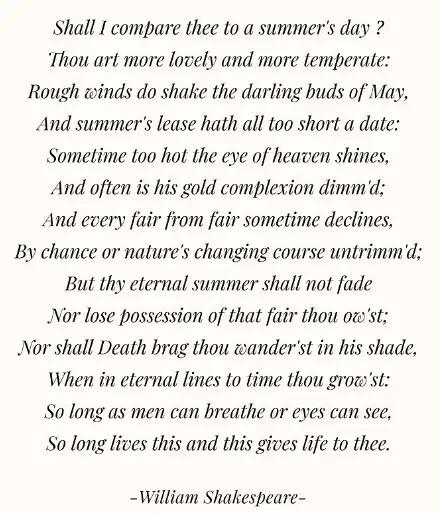
a lyric poem of fourteen lines whose rhyme scheme is fixed.
Haiku
Sonnet
Simple poem
Free verse

the structure and sequence of events in a story.
Central idea
Purpose
Plot
Text structure
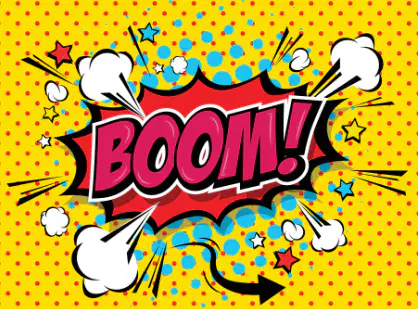
the use of words whose sounds express or suggest their meaning.
Alliteration
onomatopoeia
Hyperbole
Idiom
a type of text organization that tells the events, facts, or information in time order or order of importance.
Compare/contrast
chronological/sequential order
Cause/effect
Problem/solution
a sentence that has one independent clause and one or more dependent (subordinate) clauses.
Simple sentence
Complex sentence
Compound-complex sentence
compound sentence
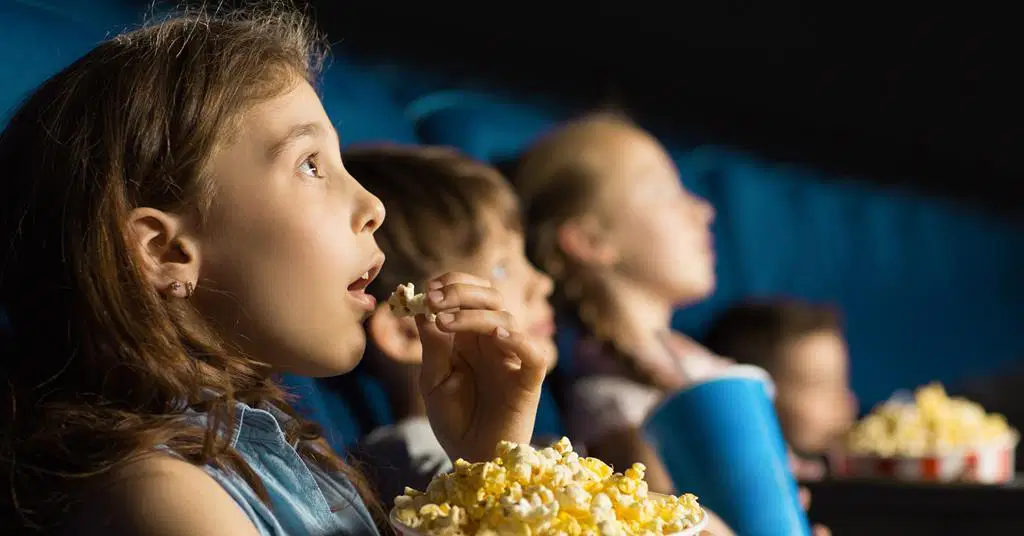
the turning point in a story, when the conflict is at its most intense.
Falling Action
Rising Action
Climax
Exposition
stories or texts that are true about people, places, or events.
Fiction
Nonfiction
historical fiction
Fable
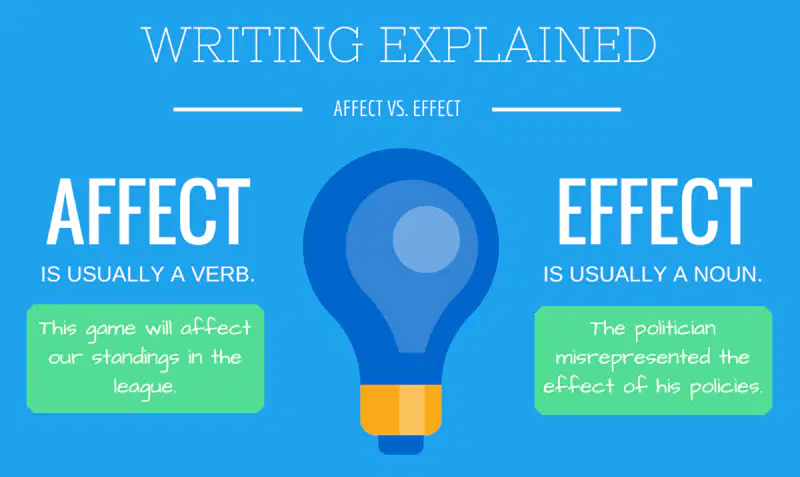
two or more words pronounced alike, but have different spellings and meanings.
Homophone
Synonym
Antonym
Multiple meaning words

a device used in literature to give you a clue of something that will happen later in a story.
Flashback
Foreshadowing
Literary elements
literary devices
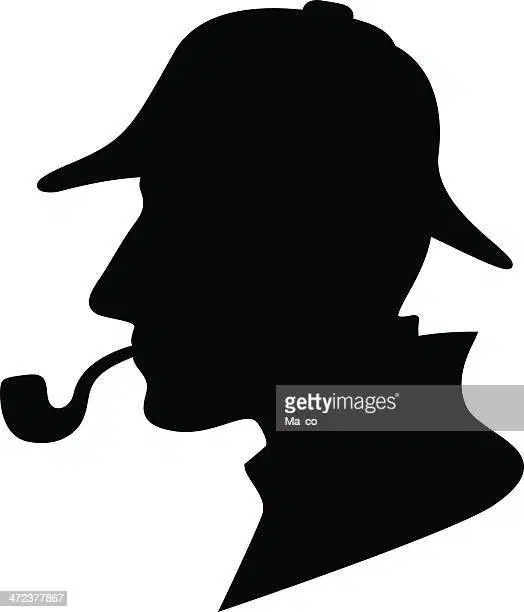
to examine in detail and then explain those details.
Sherlock Holmes
analyze/analysis 🕵
explanation
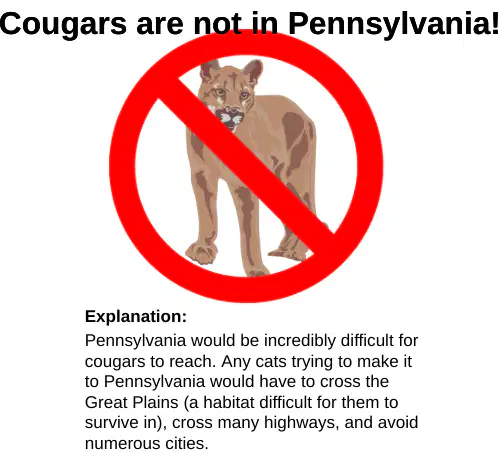
to make clear by telling "how" or "why" within an essay.
Compare/contrast
Differentiate
Anaylze
Explain
referring to specific text that is included in the reading passage or in the directions.
Differentiate
Explicit
Implicit
Inference

the general atmosphere created by the author's words.
style
Tone
mood
Rhythm

text written to explain and convey information about a specific topic.
Narrative writing
informative/expository writing
Argumentative writing
counterclaim
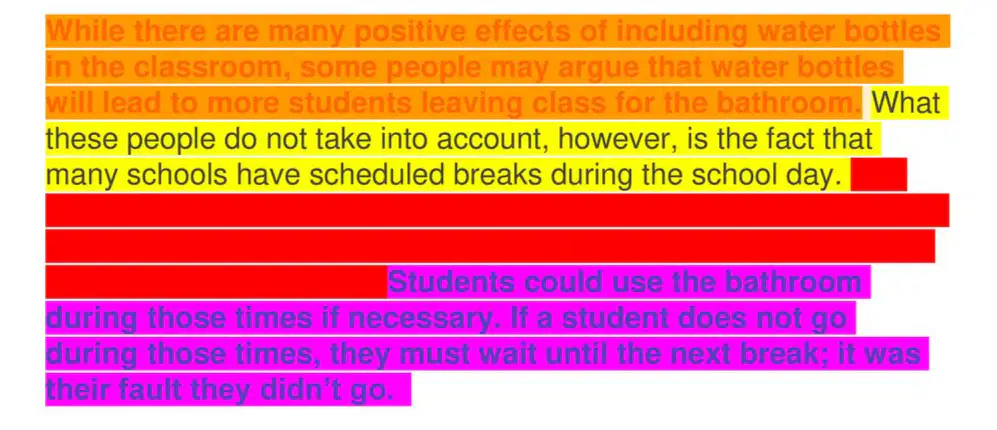
an argument that is in opposition to the claim/position provided in a piece of argumentative writing.
Argumentative writing
counterclaim
compare/contrast
differentiate.
the end part of a story where the conflict is resolved.
Rising Action
Resolution
Exposition
Falling Action

the method an author uses to reveal characters and their various personalities is called characterization
True
False

the time and place in which a story unfolds
Setting
argumentative writing
area
place n' time
a story where animals or inanimate objects are given human characteristics to convey a moral.
Fable
Fictional story
Informative/expository writing
Limerick

the repetition of stressed and unstressed syllables in a line of poetry. (American English spelling only)
Metre
Meter
feet
measures
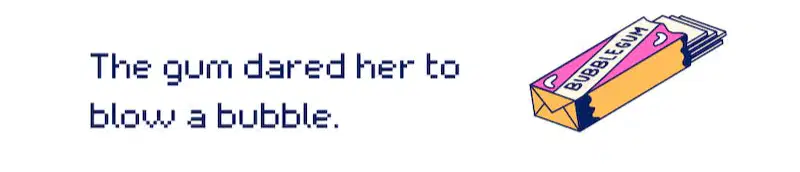
an object or abstract idea given human qualities or human form.
Simile
Metaphor
Figurative Language
Personification

a type of writing that tells a story
Narrative writing
Informative/expository writing
Argumentative writing

a device in literature where an object represents an idea.
Theme
Symbolism
Idiom
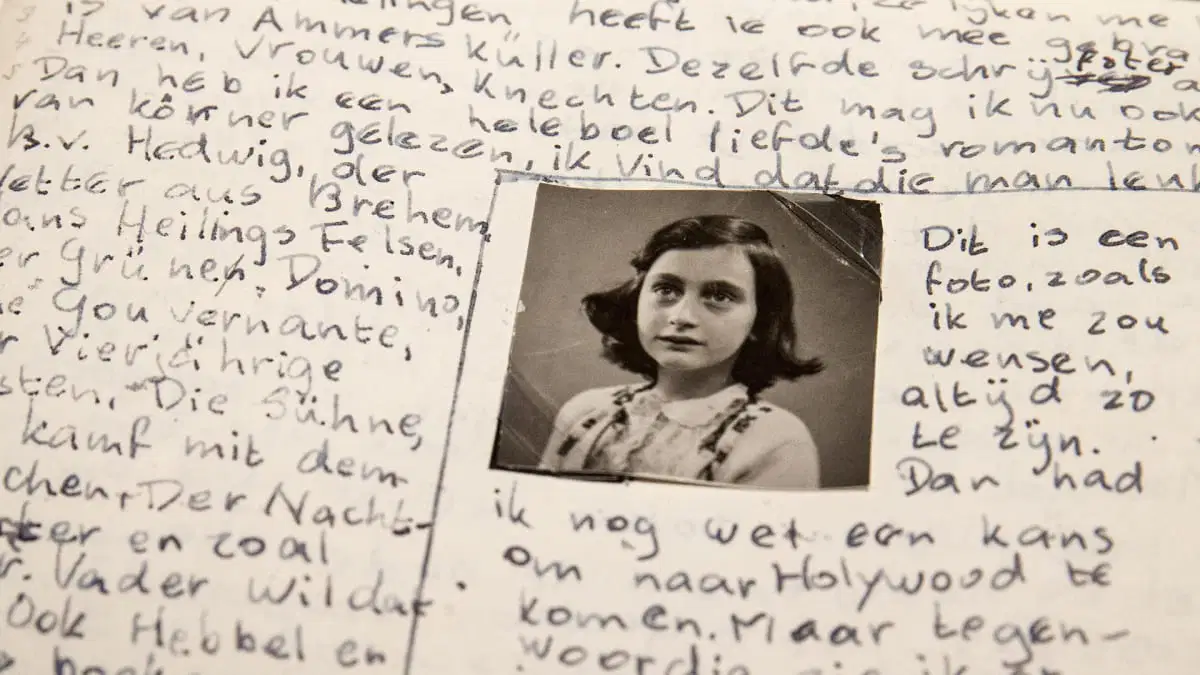
the story of a person's life written by himself or herself.
Biology
Autobiography
Biography
Biochemistry
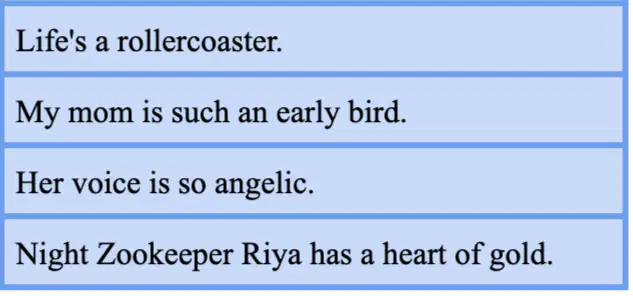
a figure of speech that compares two unlike things not using like or as.
Metaphor
Figurative Language
Idiom
Simile
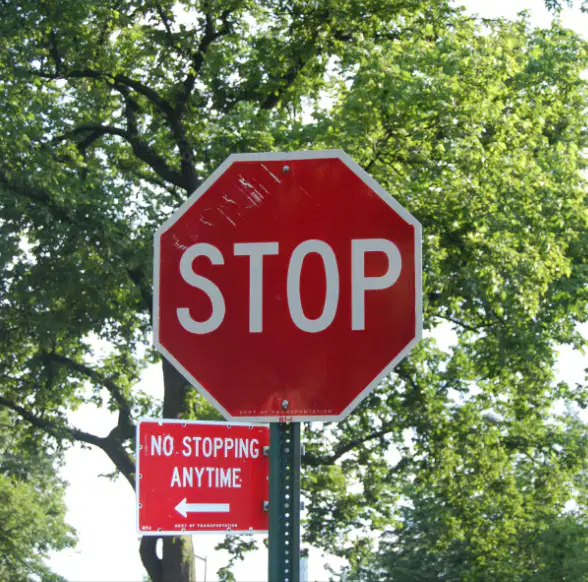
the use of a word or phrase to mean the exact opposite of its literal or usual meaning.
Metaphor
Irony
Idiom
Hyperbole
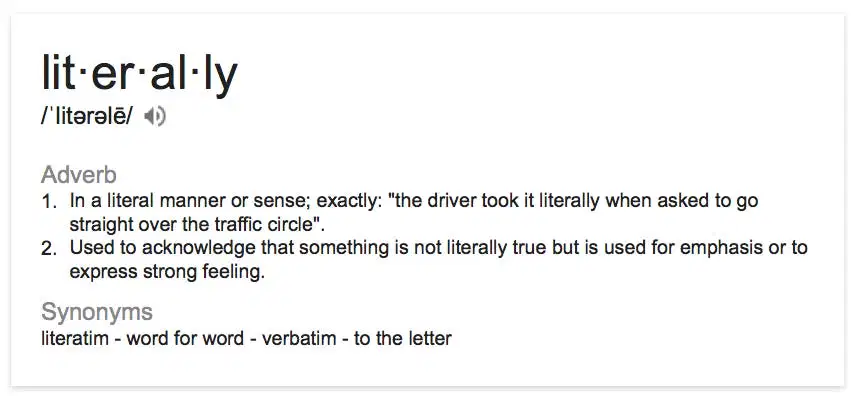
to give the meaning of a word in a sentence or essay form.
alliteration
Define
Differentiate
Hyperbole
a type of writing that supports a position or a claim about a particular topic through the use of logic, reasons, and evidence, often acknowledging and/or developing a counterclaim.
Counterclaim
Narrative writing
Informative/expository writing
argumentative writing

short stories featuring mythical beings such as fairies, elves, and sprites.
Folktales
Fables
fairytales
FIction
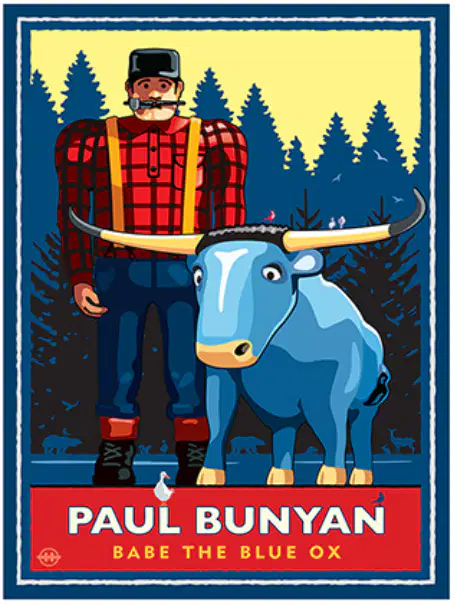
a type of story that is based on historical figures and events and is retold orally.
fairytales
Fables
Legend
Folktales
meanings which though unexpressed in the literal text, may be understood by the reader; implied.
Specific
Explicit
Implicit
Direct

