
 Worksheets
Unit 6 - Test Review 2024
Total questions: 74
Worksheet time: 2hrs 31mins
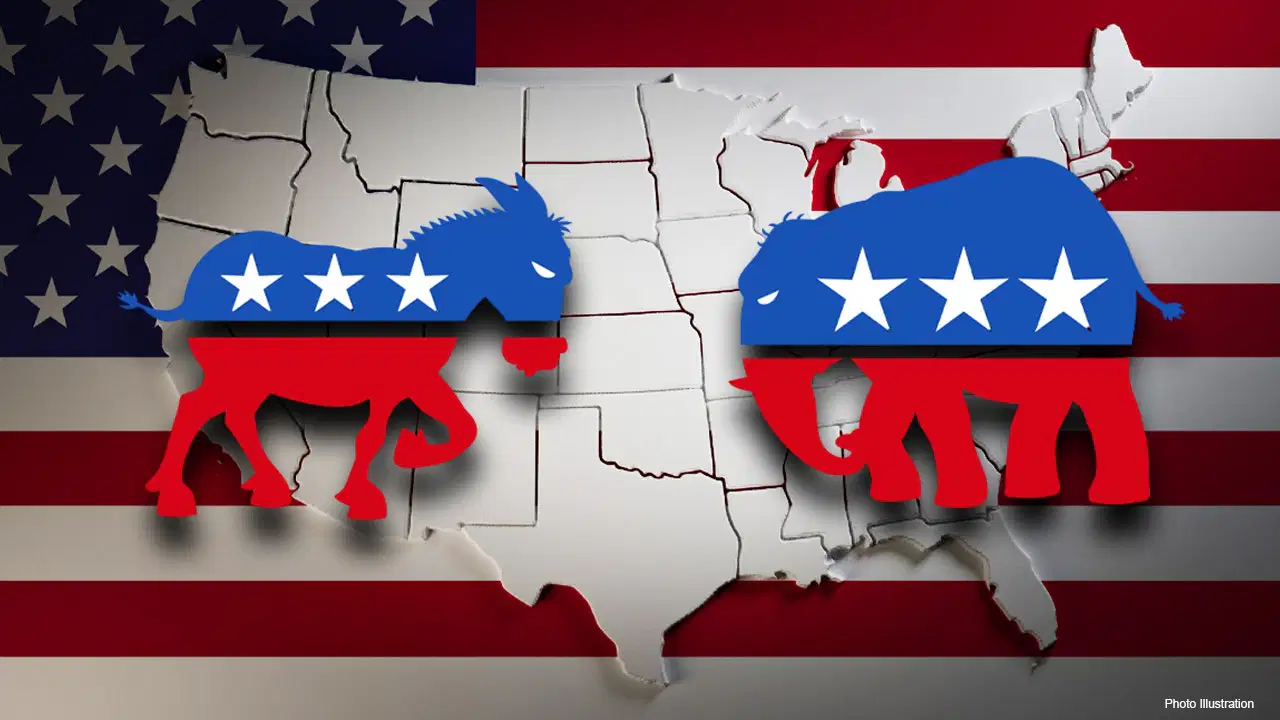
The (a) Party was formed in 1854 to combat the spread of slavery.

What did the Supreme Court say in the Dred Scott decision?
It considered slaves to be property without rights.
It outlawed slavery in all U.S. states
It required that slavery not be allowed in all new states
It gave slaves all the rights of U.S. citizens
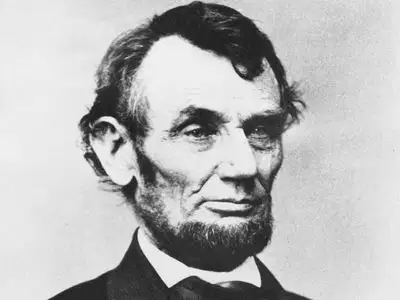
Lincoln benefited from the Stephne Douglas debates for Illinois Senate because he
He showed he favored slavery
He was amusing
became more popular on the national level
attracted Southern voters
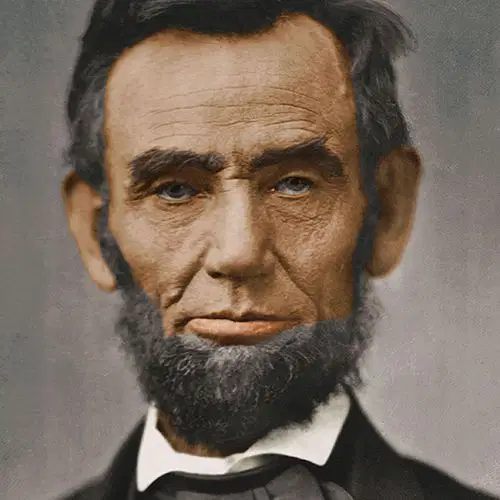
What political party was Lincoln part of?
Democratic
Republican

Who supported (liked) the Supreme Court's decision with the Dred Scott case?
Pro Slavery Forces
Anti Slavery Forces
Neither Group

being sued by someone else
suing for his freedom
being in the military
being a famous doctor


Fugitive Slave Act
Runaway Act
2nd Amendment
Slaveholder Law

Harriet Beecher Stowe wrote the book entitled (a) to show the cruelties of slavery

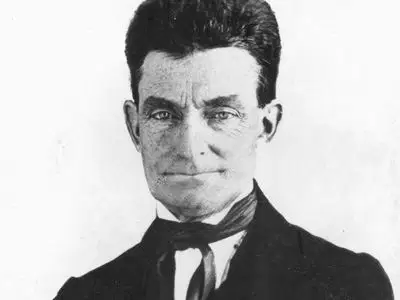
(a) was the leader in who killed five pro slavery setllers in Kansas.

He went on a killing rampage
He help killed slaves
He didn't do anything
He watched everyone go on a killing rampage
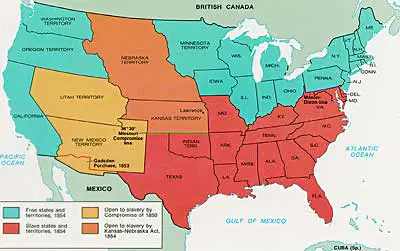
Who set out to open Kansas and Nebraska to slavery in exchange for support of a Western railroad to start in Chicago?
Abraham Lincoln
Preston Brooks
Stephen Douglas
John Brown

The ___ divided the remainder of the Louisiana Purchase into two territories in which slavery issues would be determined by popular sovereignty.
Compromise of 1850
Missouri Compromise
Kansas- Nebraska Act
Freeport Doctrine
The principle that would allow voters in a particular territory to decide whether they wanted to ban or permit slavery:
Popular Soveriegnty
Freeport Doctrine
Kansas-Nebraska Act
Secession

After Kansas erupted into a state of its own civil war, what became the state's nickname:
Fighting Kansas
Bleeding Kansas
Violent Kansas
Divided Kansas
Put them in the correct order. The first event goes on the left. The last event goes on the right.
Stephen Douglas asks to build a Railroad out west
Southerners require Popular Sovereginty in Kansas
Illegal voting occurs in Kansas
Kansas erupts into a Civil War
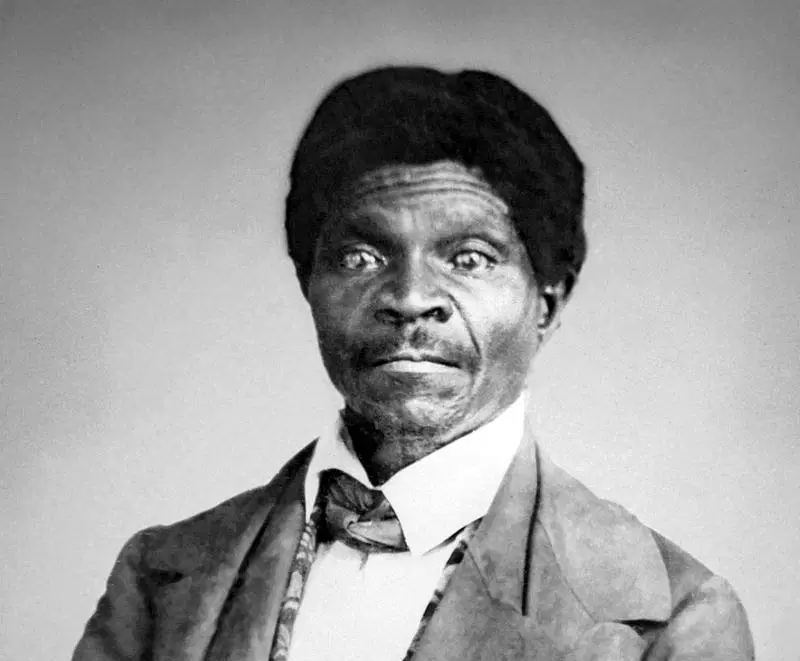
Dred Scott

Abraham Lincoln
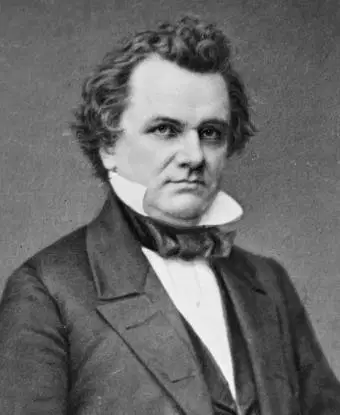
Stephen Douglas
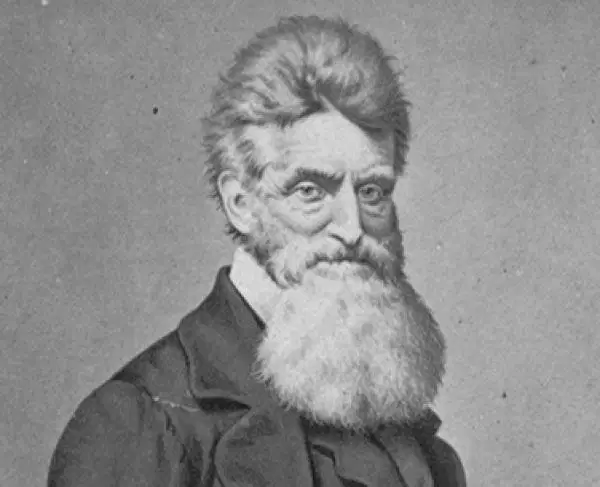
John Brown
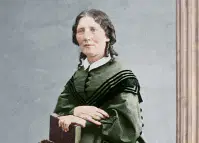
Harriet Beecher Stowe
Label the following items of the Underground Railroad.
Label the parts of a southern plantation.
Reorder the following. The first event goes on the left. The last event goes on the right.
Lincoln wins 1860 Presidential Election
Attack on Fort Sumter
Battle of Antietam
Battle of Gettysburg
Lee surrenders at Appomattox
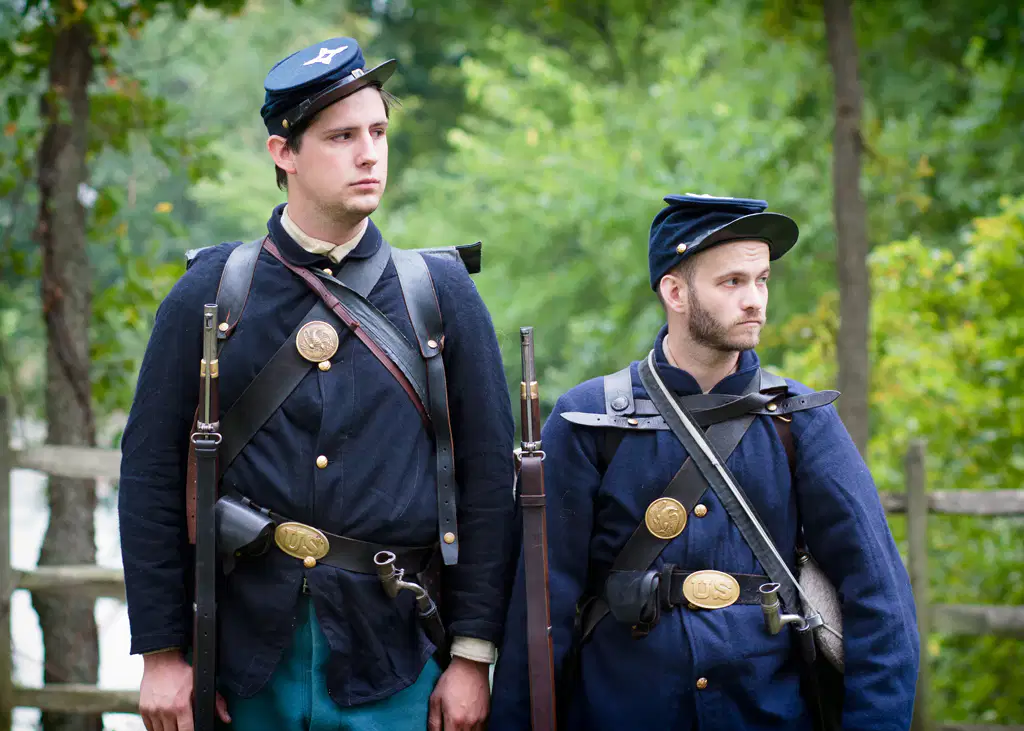
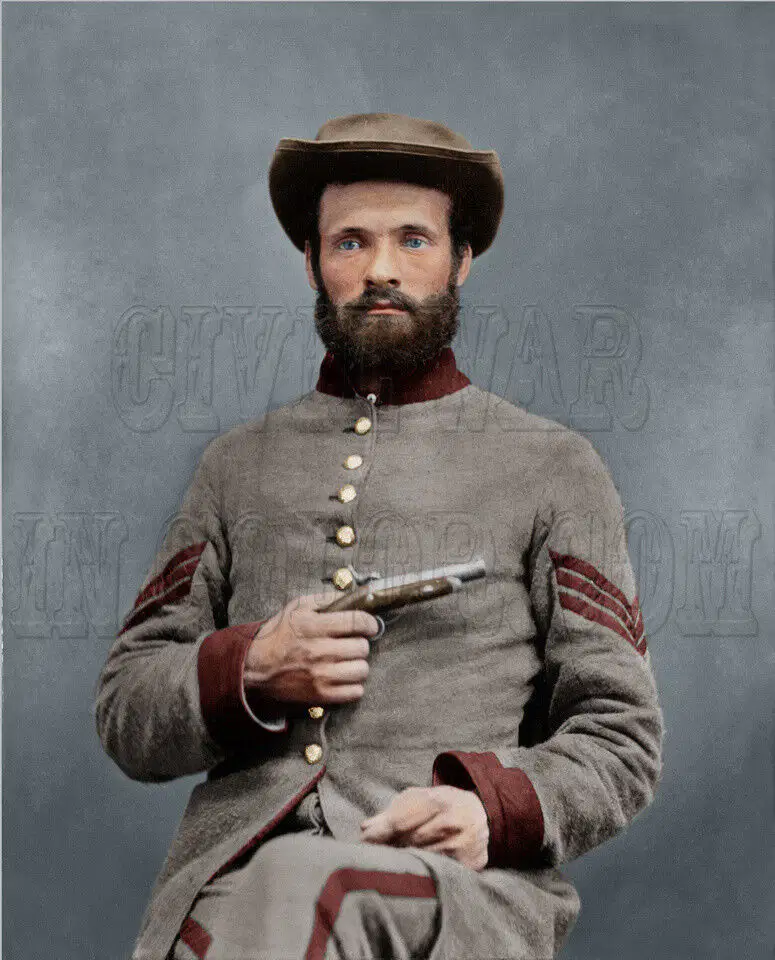

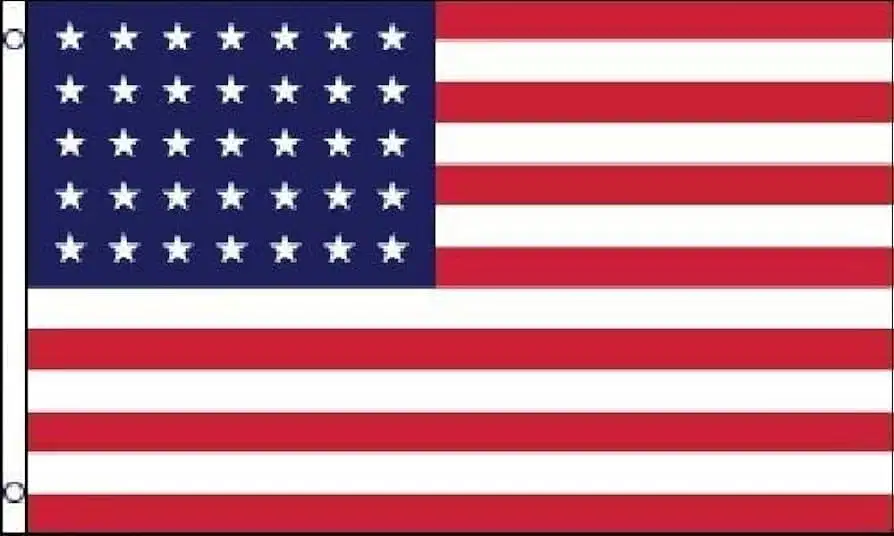
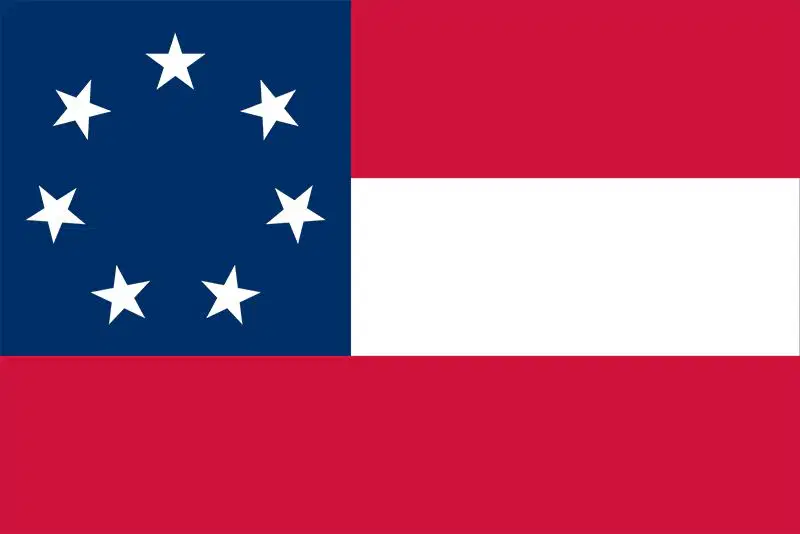
Washington D.C.
larger population

Abraham Lincoln
Battle of Gettysburg
Richmond, Virginia
Jefferson Davis
Robert E. Lee
Johnny Rebs
mostly fought in familiar territory
Label the chart to which side had the advantage in the Civil War. North or South
Determine whether the details listed were an advantage of the North or the South during the Civil War.
Select the correct answer in each row.

Which of the following completes the diagram?
President Lincoln's First Inaugural Address
The Gettysburg Address
The Emancipation Proclamation
The Thirteenth Amendment
Who was Harriet Tubman?
a leader of the Underground Railroad who also fought for African American and women’s rights
a group of people who helped slaves escape to the North
a leader of American
a leader that did not fight for African American and women’s rights
What was Harriet Tubman’s role on the Underground Railroad?
conductor
overseer
stationmaster
safehouse

The ruling in the Dred Scott case protected the rights of...
fugitive slaves.
abolitionists.
slave owners.
anti-slavery groups.
Lesson Review: Idea to decide the issue of slavery through voting by the people of the territory.
Manifest Destiny
Bleeding Kansas
Popular Sovereignty
Constitutional Republic
Who led a raid on a federal arsenal at Harpers Ferry, Virginia?
Abraham Lincoln
Dred Scott
John Brown
Stephen A. Douglas
Though Lincoln was personally against slavery, did he run on the idea of abolishing slavery in the US?
Yes
No
Who won the Election of 1860?
Abraham Lincoln
Stephen Douglass
John F. Kennedy
Dwight D. Eisenhower
Why were Southerners upset that Lincoln won the Presidency?
Southerners believed their way of life was in danger.
Lincoln was against slavery
both
Who won the election of 1860 causing southern states to begin seceding (leaving) from the Union?
Abraham Lincoln
Andrew Jackson
Thomas Jefferson
Andrew Johnson
Which state entered the Union as a free state as a result of the Compromise of 1850?
California
Maine
Missouri
Texas

The Compromise of 1850 admitted _________ as a free state.
Arizona
California
New Mexico
Utah
Which of the following words means that a person places the interests of a small area over the interests of the entire country?
Sectionalism
Nationalism
Popular Sovereignty
Secession

What was Lincoln's main goal at the beginning of the Civil War?
Why didn't Lincoln want to free slaves in the border states?
He didn't want to lose their support in the war
He didn't think he had the legal right to end slavery in those states
Those states were not in the Union

The Emancipation Proclamation freed enslaved people in which location? (use the map to answer)
Union states
Border states
Confederate areas under Union control
Confederate states
Which resource did the Union (North) use to blockade the south's coastlines?
railroads
soldiers on foot
ships/boats
forts
The Union Blockade was a smaller part of the ........
Constrictor plan
War of 1812
Revolutionary War
Anaconda Plan

The Battle of Antietam is known as
the bloodiest single day battle in American history
the shortest battle in American history
the turning point for the Confederate army
the longest battle in the Civil War

The Battle of Antietam spurred Abraham Lincoln to issue the Emancipation Proclamation which
ended the war
changed the focus of the North to fight for the freedom of the slaves rather than just ot preserve the Union
caused the South to plead for peace
caused the South to reconsider their position on state's rights and slavery and ask for peace talks
Check all the boxes that show: What some responsibilities of Women were doing the Civil War
Taking care of the Family at home
Washing the Dog
Disguising themselves as Men to help in the war
Sewing clothing
Making Bandages

What is Lincoln’s main purpose in the Gettysburg Address?
to identify the soldiers who have died in battle so far
to argue why the Union will win the war
to seek money for the families of those who died in battle
to explain the importance of the war and inspire support for the Union

Sherman's March to the Sea used a strategy called (a) . This involves burning (b) like Atlanta, destroying crops, and tearing up (c) . The Union wanted to break the South's will to (d) .
Why was it important to Southern senators to have an equal number of slave and free states? It was mainly an ...
Issue of respect.
Issue of equal balance in voting power.
Issue of tax revenue.
Issue of future elections.

Close reading the map, with the Missouri Compromise, what state was allowed to enter as a free state?
Missouri
Maine
Kentucky
Alabama

Who is on the front of the $50 bill?
Franklin
Hamilton
Wilson
Adams
Grant
The raid on Harpers Ferry...
was unsuccessful and weapons were distributed to slaves
was successful and John Brown was given the Medal of Honor
was successful and caused a slave rebellion
was unsuccessful and John Brown was tried for treason
Type of naval ship that changed the world
Ironclads
Contrabands
Blockade runners
Copperheads
Why did the Union Army's capture of Vicksburg so important?
It gave the Union control of the Mississippi River (Anaconda)
It gave access to the upper Mississippi Delta Region
It cut off all supplies to Robert E. Lee in Virginia
It allowed the Union to attack Richmond
Who started the American Red Cross?
Ruby Bridges
Clara Barton
Bessie Coleman

What was the significance of Robert E. Lee's surrender?
It had no significance. It was just another battle in a long war.
It meant that the South had won the Civil War.
It meant that the Civil War was pretty much over and that the North had won.

True or False: President Abraham Lincoln wanted the Confederate soldiers to be severely punished for fighting for the South.
True
False
What does secession mean?
To join
To acquire
To leave
To change
What state was the first to secede from the union?
Texas
North Carolina
South Carolina
Virginia
What event occurred right before the southern states started to secede?
Lincoln elected president
Slavery was outlawed in the north
Missouri compromise
Compromise of 1850
What speech by Lincoln warned about the dangers of a possible Civil War and scared the South into seeing Lincoln as an enemy
Emancipation Proclamation
Second Inaugural Speech
House Divided
Gettysburg Address

Lincoln suspended the right of _______ meaning people could be jailed without a hearing.
inflation
habeas corpus
Miranda rights
draft dodging
Laws designed to control slaves (literacy, families, etc)
slave codes
fugitive slave act
field holler
abolition
Prior to the Eli Whitney’s invention in the early 1790s, slavery had actually been....
GROWING DRAMATICALLY with the United States importing more slaves than ever
IN DECLINE with some slave owners freeing their own slaves.
STEADY, neither in decline or growing
GROWING SLOWLY, with more slaves coming into the South

Invented by Eli Whitney, this led to an increase of slave labor: (a)
How did the steamboat change river travel and river trade?
The steamboat enabled people and goods to travel both upstream as
well as downriver.
Increased trading.
Expanded travel.
All of the above
None of the above
What helped make river travel easier?
roads
slaves
canals
steamboats

