
 Worksheets
Arthropods/Mollusca/Echinoderms Review by Teacher Claire
Total questions: 57
Worksheet time: 29mins
Name
Class
Date
1.
Economic importance of echinodermata
a)
Farming
b)
Eaten Fresh / KIlawan / as a dish
c)
For filling
d)
As a Face Cream / Body wash
e)
As a supplement
2.
Economic importance of Arthropods
a)
Crab Paste
b)
Honey Spread
c)
Candies
d)
Health Cre and Personal Products from Honeybees
e)
Silk
3.
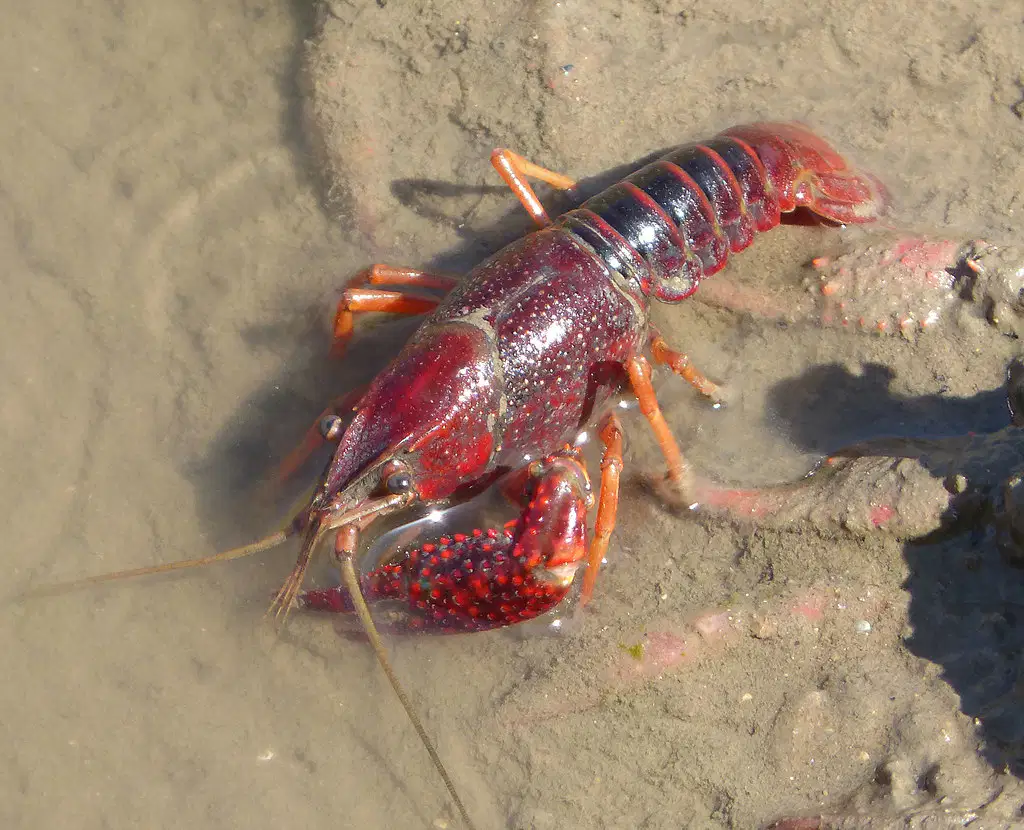
Untitled Question
a)
Crayfish - Class Crustacea
b)
Crab - Class Crustacea
c)
Centipede -Class Chilipoda
d)
Millipede - Class Diplopoda
e)
Butterfly - Class Insecta
4.
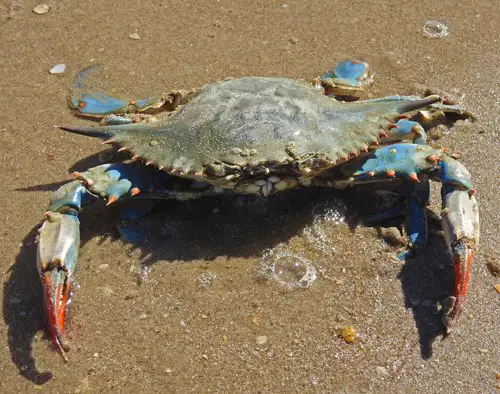
Untitled Question
a)
Crab - Class Crustacea
b)
Crayfish - Class Crustacea
c)
Centipede -Class Chilipoda
d)
Millipede - Class Diplopoda
e)
Butterfly - Class Insecta
5.
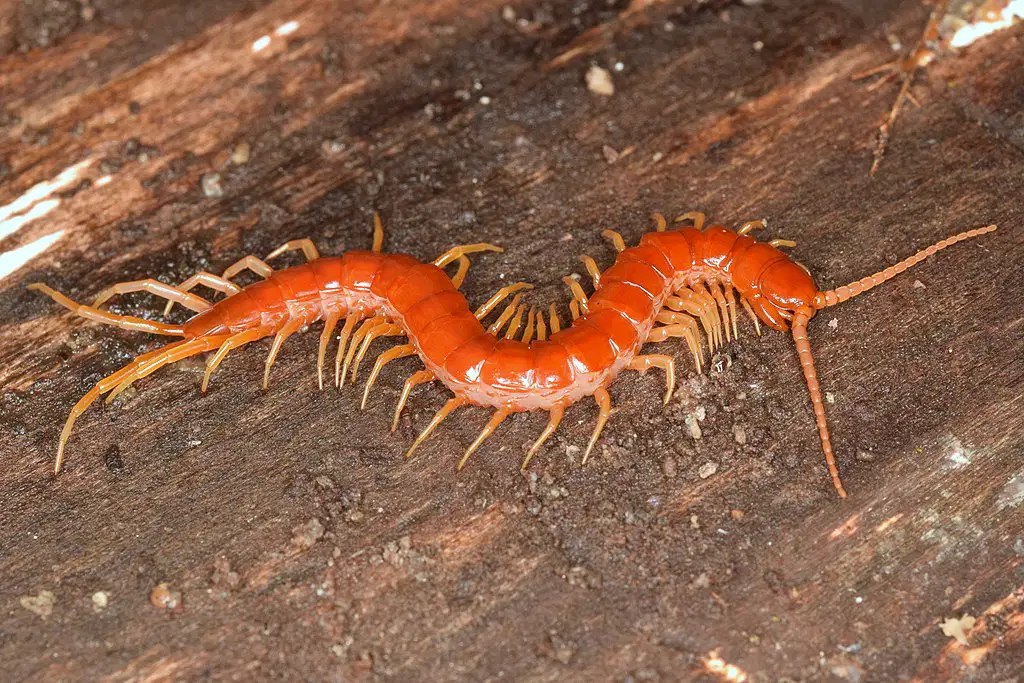
Untitled Question
a)
Centipede -Class Chilipoda
b)
Crayfish - Class Crustacea
c)
Millipede - Class Diplopoda
d)
Butterfly - Class Insecta
e)
Crab - Class Crustacea
6.

Untitled Question
a)
Millipede - Class Diplopoda
b)
Crayfish - Class Crustacea
c)
Butterfly - Class Insecta
d)
Crab - Class Crustacea
e)
Ant - Class Insecta
7.

Untitled Question
a)
beetle - Class Insecta
b)
Crayfish - Class Crustacea
c)
Butterfly - Class Insecta
d)
Crab - Class Crustacea
e)
Ant - Class Insecta
8.
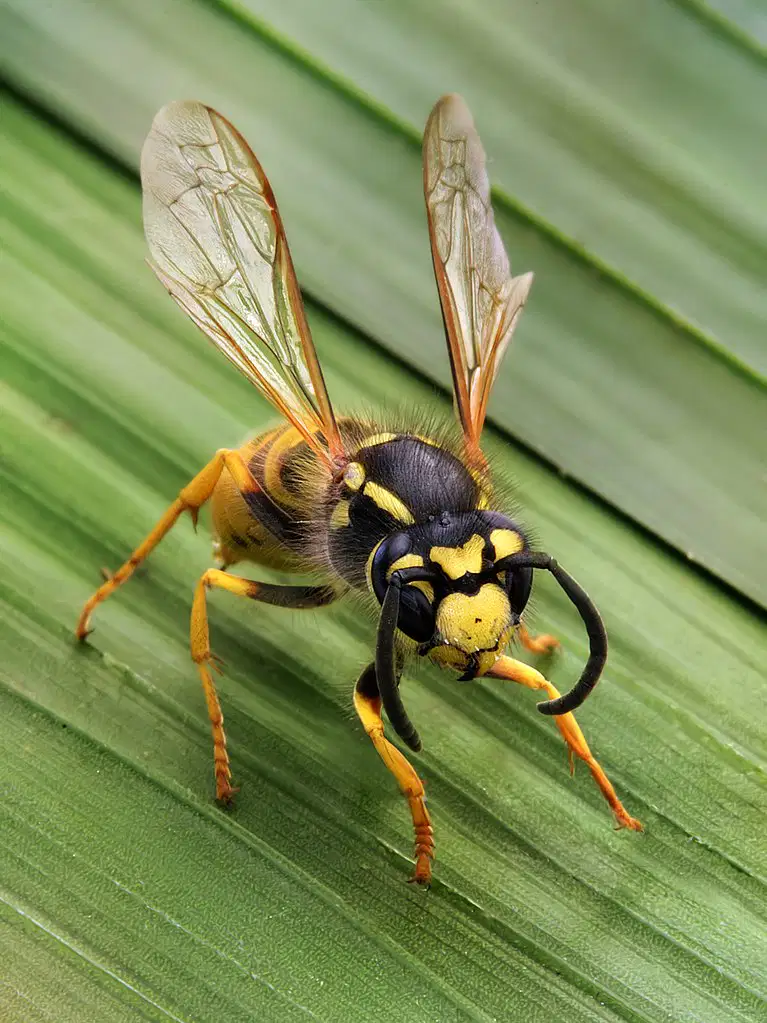
Untitled Question
a)
wasp - Class Insecta
b)
Crayfish - Class Crustacea
c)
Butterfly - Class Insecta
d)
Crab - Class Crustacea
e)
Ant - Class Insecta
9.

Untitled Question
a)
grasshopper - Class Insecta
b)
Crayfish - Class Crustacea
c)
Butterfly - Class Insecta
d)
Crab - Class Crustacea
e)
Ant - Class Insecta
10.

Untitled Question
a)
Ant - Class Insecta
b)
Crayfish - Class Crustacea
c)
Butterfly - Class Insecta
d)
Crab - Class Crustacea
e)
grasshopper - Class Insecta
11.
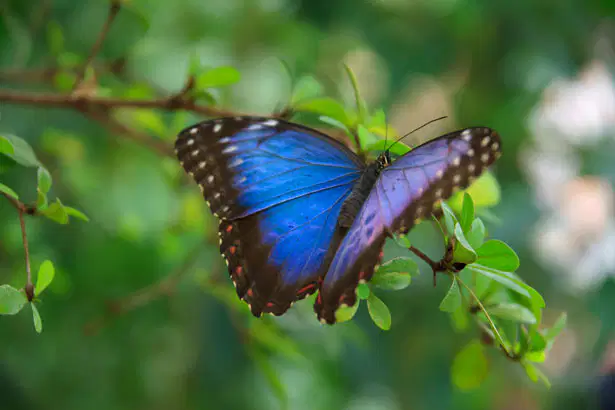
Untitled Question
a)
Butterfly - Class Insecta
b)
Crayfish - Class Crustacea
c)
Crab - Class Crustacea
d)
grasshopper - Class Insecta
e)
Millipede - Class Diplopoda
12.

Untitled Question
a)
bee - Class Insecta
b)
Crayfish - Class Crustacea
c)
Butterfly - Class Insecta
d)
Crab - Class Crustacea
e)
grasshopper - Class Insecta
13.
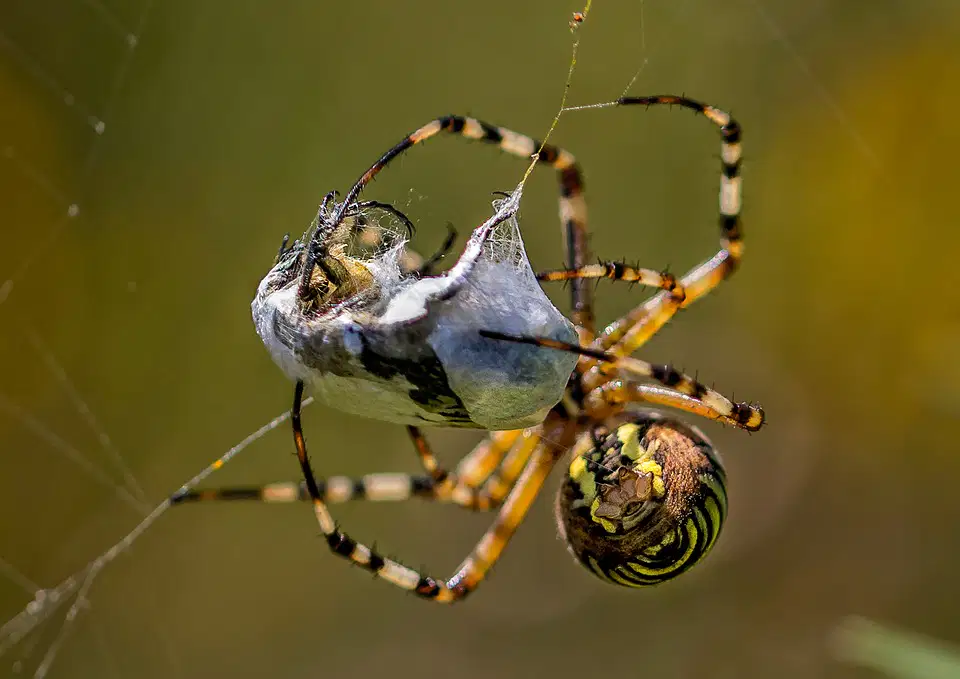
Untitled Question
a)
spider - Class Arachnida
b)
Crayfish - Class Crustacea
c)
Butterfly - Class Insecta
d)
Crab - Class Crustacea
e)
grasshopper - Class Insecta
14.

Untitled Question
a)
scorpion - Class Arachnida
b)
Crayfish - Class Crustacea
c)
Butterfly - Class Insecta
d)
Crab - Class Crustacea
e)
grasshopper - Class Insecta
15.
Arthropods are covered with _______that must be shed or molt as they grow.
a)
endoskeleton
b)
exoskeleton
16.
Arthropods have segmented body and jointed appendages.
a)
true
b)
false
17.
are animals enveloped by a crust, an external skeleton which protects their body.
a)
Class Crustacea
b)
Class Chilipoda
c)
Class Diplopoda
d)
Class Insecta
e)
Class Arachnida
18.
are animals with a flattened body divided into segments and each has 1 pair of legs.
a)
Class Crustacea
b)
Class Chilipoda
c)
Class Diplopoda
d)
Class Insecta
e)
Class Arachnida
19.
are animals with a cylindrical body divided into segments and each has 2 pair of legs.
a)
Class Crustacea
b)
Class Chilipoda
c)
Class Diplopoda
d)
Class Insecta
e)
Class Arachnida
20.
are animals with a body divided into head, thorax, and abdomen and have six legs.
a)
Class Crustacea
b)
Class Chilipoda
c)
Class Diplopoda
d)
Class Insecta
e)
Class Arachnida
21.
are animals with a head fused with the thorax,and have eight legs.
a)
Class Crustacea
b)
Class Chilipoda
c)
Class Diplopoda
d)
Class Insecta
e)
Class Arachnida
22.
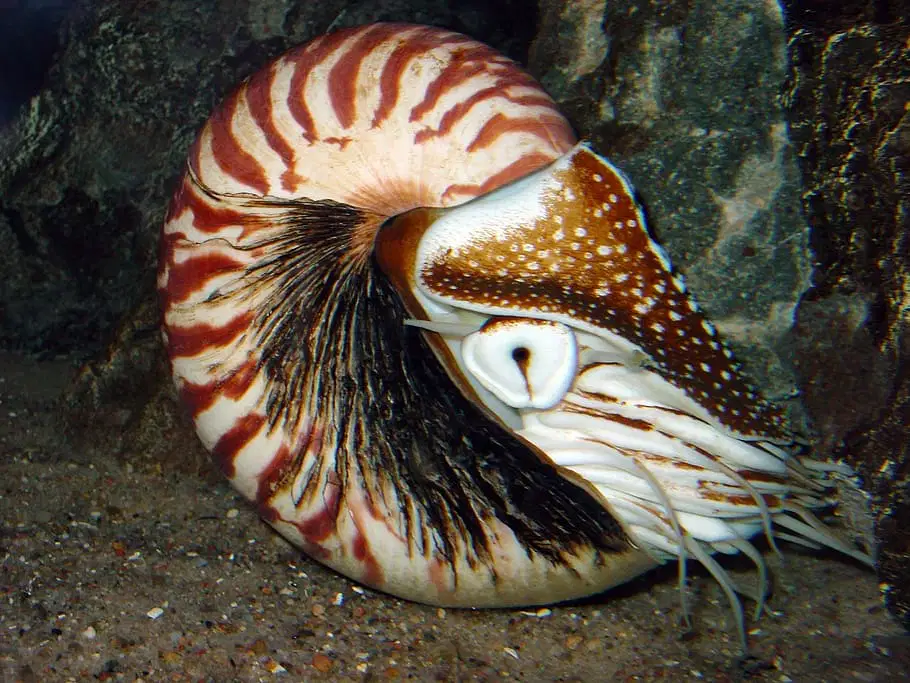
a)
nautilus - Class Cephalopoda
b)
Slug - Class Gastropoda
c)
snail - Class Gastropoda
d)
oyster - Class Pelecypoda
e)
clam - Class Pelecypoda
23.

a)
squid - Class Cephalopoda
b)
Slug - Class Gastropoda
c)
snail - Class Gastropoda
d)
oyster - Class Pelecypoda
e)
clam - Class Pelecypoda
24.

a)
octopus - Class Cephalopoda
b)
Slug - Class Gastropoda
c)
snail - Class Gastropoda
d)
oyster - Class Pelecypoda
e)
clam - Class Pelecypoda
25.
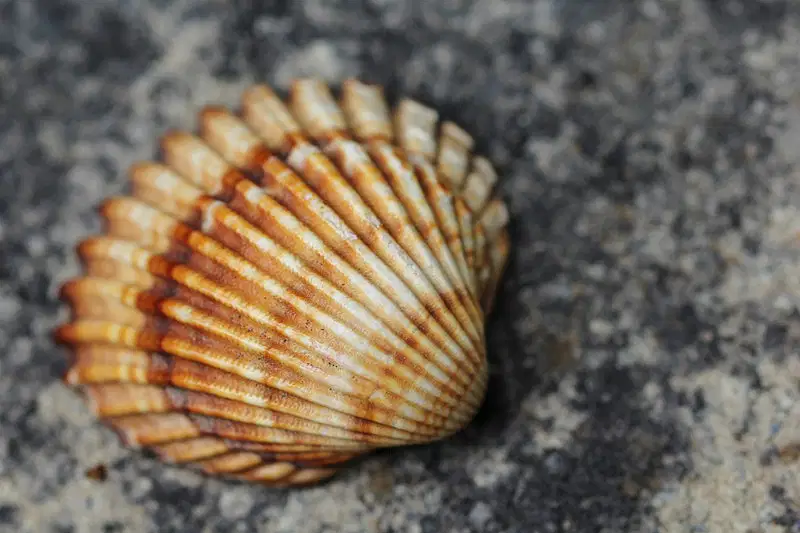
a)
scallop - Class Pelecypoda
b)
Slug - Class Gastropoda
c)
snail - Class Gastropoda
d)
oyster - Class Pelecypoda
e)
clam - Class Pelecypoda
26.

a)
oyster - Class Pelecypoda
b)
Slug - Class Gastropoda
c)
snail - Class Gastropoda
d)
clam - Class Pelecypoda
e)
octopus - Class Cephalopoda
27.
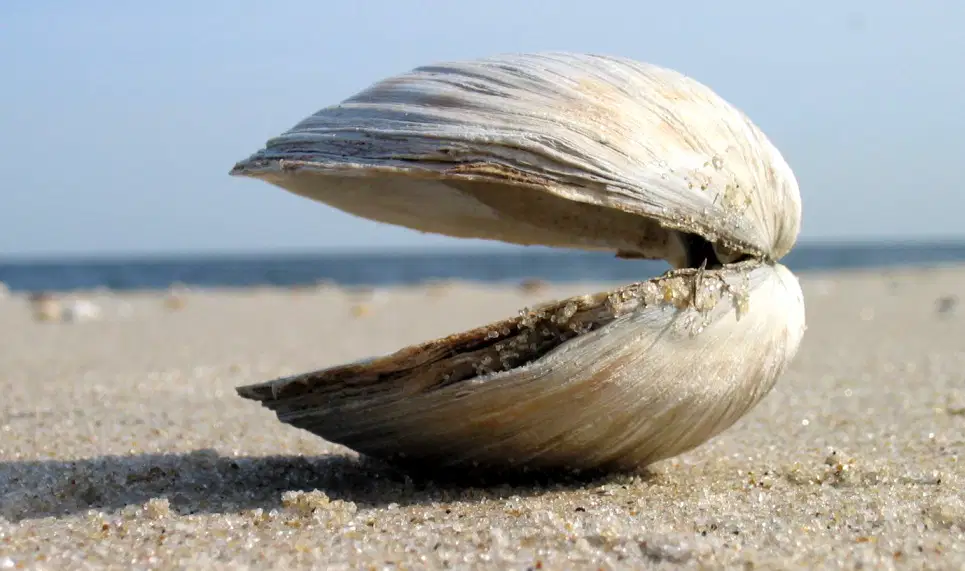
a)
clam - Class Pelecypoda
b)
Slug - Class Gastropoda
c)
snail - Class Gastropoda
d)
oyster - Class Pelecypoda
e)
octopus - Class Cephalopoda
28.

a)
mussel - Class Pelecypoda
b)
Slug - Class Gastropoda
c)
snail - Class Gastropoda
d)
oyster - Class Pelecypoda
e)
octopus - Class Cephalopoda
29.

a)
Slug - Class Gastropoda
b)
oyster - Class Pelecypoda
c)
octopus - Class Cephalopoda
d)
mussel - Class Pelecypoda
e)
snail - Class Gastropoda
30.

a)
snail - Class Gastropoda
b)
oyster - Class Pelecypoda
c)
octopus - Class Cephalopoda
d)
mussel - Class Pelecypoda
e)
Slug - Class Gastropoda
31.
They are belly-footed and move by contraction .
a)
Class Gastropoda
b)
Class Cephalopoda
c)
Class Pelecypoda
32.
Univalves - they have one shell typically coiled or spiraled
a)
Class Gastropoda
b)
Class Cephalopoda
c)
Class Pelecypoda
33.
Bivalves- Shell is made of 2 valves
a)
Class Gastropoda
b)
Class Cephalopoda
c)
Class Pelecypoda
34.
They are filter feeders and have bivalve foot. Some bivalves have a pointed, retractable "foot" that protrudes from the shell and digs into the surrounding sediment, effectively enabling the creature to move or burrow.
a)
Class Gastropoda
b)
Class Cephalopoda
c)
Class Pelecypoda
35.
they have a distinct head and several arms or tentacles around their mouth.
a)
Class Gastropoda
b)
Class Cephalopoda
c)
Class Pelecypoda
36.
their tentacles are full of suckers used to hold their prey.
a)
Class Gastropoda
b)
Class Cephalopoda
c)
Class Pelecypoda
37.
they have hard shells that protects them
a)
Class Gastropoda
b)
Class Cephalopoda
c)
Class Pelecypoda
38.
can go days without food or water
a)
Class Gastropoda
b)
Class Cephalopoda
c)
Class Pelecypoda
39.
they have slimy mucus
a)
Class Gastropoda
b)
Class Cephalopoda
c)
Class Pelecypoda
40.
they have strong tentacles and capable of rapid color change
a)
Class Gastropoda
b)
Class Cephalopoda
c)
Class Pelecypoda
41.
Jet Propulsion. - Move with rapid speed and water is expelled through an organ called SIPHON .
a)
Class Gastropoda
b)
Class Cephalopoda
c)
Class Pelecypoda
42.
heightened intelligence, can mimic and camouflage
a)
Class Gastropoda
b)
Class Cephalopoda
c)
Class Pelecypoda
43.
Gastropoda comes From the Greek word______ meaning belly and ________ which means foot.
a)
gastro, podes
b)
gaster , podes
c)
gaster, podos
44.
Means " belly "
a)
gaster
b)
podos
45.
Means " foot "
a)
gaster
b)
podos
46.
it is the largest known invertebrate species
a)
colossal squid
b)
Malacology
c)
mantle
d)
mollusks
e)
radula
47.
scientific study of Mollusks
a)
Malacology
b)
mantle
c)
mollusks
d)
radula
e)
schistosomiasis
48.
tongue of Mollusks
a)
radula
b)
Malacology
c)
mantle
d)
mollusks
e)
schistosomiasis
49.
disease transmitted to humans via water snail hosts and affects about 200 million people.
a)
schistosomiasis
b)
Malacology
c)
mantle
d)
mollusks
e)
radula
50.
disease transmitted to humans via water snail hosts and affects about 200 million people.
a)
schistosomiasis
b)
Malacology
c)
mantle
d)
mollusks
e)
radula
51.
part of mollusk with a cavity used for breathing and excretion
a)
mantle
b)
Malacology
c)
mollusks
d)
radula
e)
schistosomiasis
52.
squid, cuttlefish, octopus
a)
cephalopods
b)
Malacology
c)
mantle
d)
mollusks
e)
radula
53.
snails and slugs
a)
gastropods
b)
Malacology
c)
mantle
d)
mollusks
e)
radula
54.
largest marine phylum
a)
mollusks
b)
Malacology
c)
mantle
d)
radula
e)
schistosomiasis
55.
considered most neurologically advanced of all invertebrates
a)
octopus
b)
Malacology
c)
mantle
d)
mollusks
e)
radula
56.
a gastropod
a)
sea slug
b)
Malacology
c)
mantle
d)
mollusks
e)
radula
57.
Why are insects the most successful organisms on earth
a)
Insects can FLY
b)
Insects can camouflage
c)
Insects are Fast
d)
Insects can small
e)
covered with exoskeleton
100 %

