
 Worksheets
What do you remember? (Pre-Spring Break "Not" A Test)
Total questions: 253
Worksheet time: 4hrs 33mins

How long does it take for Earth to make 1 revolution?
24 hours
365 1/4 days
1 month
1 day

What causes seasons?
Earth's tilted axis as it rotates on its axis.
Earth's tilted axis as it revolves around the sun.
Earth's distance from the sun in the summer.
Earth's hemispheres receiving equal amounts of sunlight.
What causes seasons?
Earth's tilted axis as it rotates on its axis.
Earth's tilted axis as it revolves around the sun.
Earth's distance from the sun in the summer.
Earth's hemispheres receiving equal amounts of sunlight.
How long does it take for Earth to make 1 revolution?
24 hours
365 1/4 days
1 month
1 day

Which statement is true based on the diagram?
It is summer in the northern hemisphere.
Its is winter in the southern hemisphere.
It is an equinox.
It is summer in the southern hemisphere and the northern hemisphere is receiving less direct sunlight.

Where does the moon get its light?
Sun's reflection
Earth's reflection
The moon produces its own light

Approximately how many tides are there a day?
4 high tides, 4 low tides
2 spring tides, 2 neap tides
2 high tides, 2 low tides
1 high tide, 1 low tide

What moon phase is pictured here?
waning gibbous
waxing crescent
waxing gibbous
waning crescent

What moon phase is this?
First quarter
Third quarter
waxing gibbous
waning gibbous

How does a solar eclipse occur?
Part of the Earth is in the moon's shadow.
All of the Earth is in the moon's shadow.
The Earth moves between the sun and moon casting its shadow on the moon.
The moon moves into the Earth's shadow.

What moon phase occurs during a lunar eclipse?
new moon
first quarter
full moon
last quarter

What type of eclipse is this?
solar eclipse
lunar eclipse

Where is the new moon located?
Between the Earth and sun
In the sequence ordered Sun, Earth, Moon
After the waning gibbous moon phase
Two weeks before the First quarter

Patrick wants to go swimming during the highest high tides and the lowest low tides. He should go
during a neap tide
any day
during a spring tide


any object that revolves around another in space.
Revolution
Orbit
Satellite
Solstice

The Sun and all of the planets and other bodies that travel around it.
Galaxy
Universe
Solar System
Orbit

Do all planets have gravity?
Yes
No

Mass is the measure of how much:
Matter you're made of
A planet can pull on you
The earth pulls on you
A scale pushes back on your feet
What is the process of breaking things down called?
composition
compression
weathering
Which of these is not an examples of an agent of physical weathering?
wind
ice
plants
acid rain


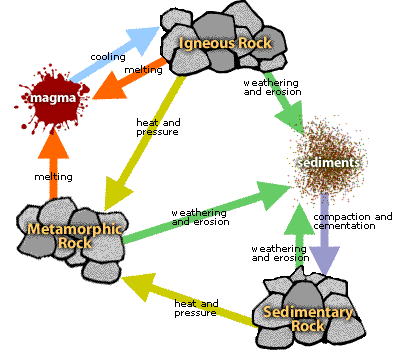
This rock formed when sediment was pressed into a solid. What type of rock is it?
Sedimentary Rock
Metamorphic Rock
Igneous Rock
This rock was formed when molten rock (lava or magma) cooled into a solid. What type of rock is it?
Igneous Rock
Metamorphic Rock
Sedimentary Rock
The name of a person that studies rocks and the earth.
veterinarian
geologist
podiatrist
teacher

When sediments are pressed together tightly, this is called ____________.
Compaction
Erosion
Weathering

The process when rocks are broken down into sediment is called:
erosion
weathering
sediments
The process by which metamorphic rock changes to igneous rock begins with
melting
erosion
deposition
crystallization
During the rock cycle, what forms when the magma cools?
igneous rocks
sedimentary rock
metamorphic rock
What is the process of breaking things down called?
composition
compression
weathering

What is the correct order (starting from the surface) of Earth’s layers?
crust, outer core, inner core, mantle
mantle, outer core, inner core, crust
crust, mantle, outer core, inner core
outer core, inner core, crust, mantle
The geological theory of _______ states that pieces of Earth’s lithosphere are in constant, slow motion.
subduction
plate tectonics
deep-ocean trenches
sea-floor spreading
A place where two plates slip past each other, moving in opposite directions, is known as a _______
transform boundary
divergent boundary.
convergent boundary.
rift valley.

The place where two plates come together is known as a _______
transform boundary.
divergent boundary.
convergent boundary.
rift valley.

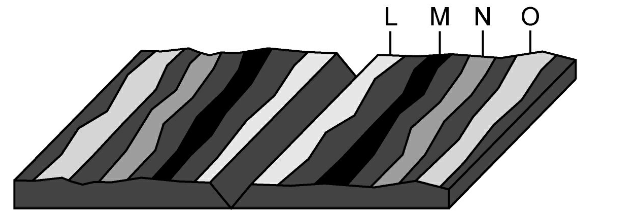
Below is a picture of sea-floor spreading. How are the ocean crusts moving?
Converging
Diverging
Sliding
No movement






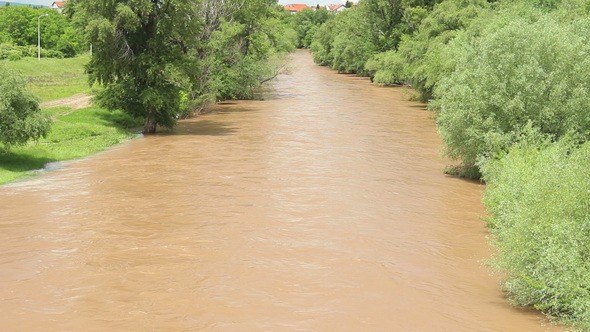

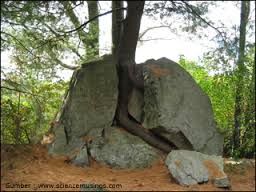
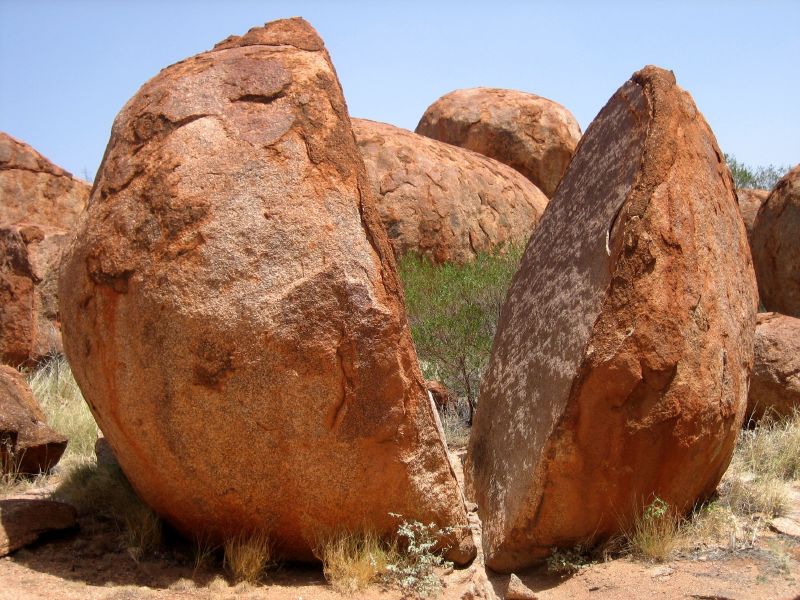


Why is the center of the Earth solid instead of liquid?
Gravity pulls the rock together
It's cooler than the outside

How does lava cool outside of the Earth?
Slowly
Quickly
Magma inside the Earth cools
Quickly
Slowly

What type of igneous rock is formed from lava?
Intrusive
Extrusive

What type of igneous rock is formed from magma cooling?
Extrusive
Intrusive

Intrusive igneous rocks cool
Slow because they cool inside the volcano.
Fast because they cool outside the volcano.
Fast because they cool inside a volcano.

If a rock has big crystals it
cooled quickly and is extrusive
cooled slowly and is extrusive
cooled slowly and is intrusive

(PICK TWO ANSWERS) What physical features would you expect to see in an extrusive igneous rock?
Many small,tiny crystals
Holes or air pockets (air trapped inside)
No crystals at all
Only a few, but very large crystals.
The three types of rocks are igneous, sedimentary, and metamorphic rock. How do scientists classify rocks into each group?
based on the labels written on the rocks
based on how a rock forms in nature
based on what each rock feels like
How is igneous rock formed?
Other rocks break down into smaller pieces, settle and are squeezed together in layers.
Magma or lava cools and hardens.
Other rocks are exposed to extreme heat and pressure causing them to change into a new type of rock.
What is it called when rocks are broken down?
Weathering
Deposition
Compaction
Cementation
How are sedimentary rocks formed?
Other rocks break down into smaller pieces, settle and are squeezed together in layers.
Magma or lava cools and hardens.
Other rocks are exposed to extreme heat and pressure causing them to change into a new type of rock.
Metamorphosis means
Changing shape
Changing your underpants
Changing your diet
Changing your mind
Metamorphic rocks undergo major changes. There are TWO forces that typically cause such big changes. What are they? (You must select both correct answers!)
very high heat
strong winds
intense pressure
water wearing them down

What type of rock do you think this is?
igneous
sedimentary
metamorphic

What type of rock do you think this is?
igneous
sedimentary
metamorphic
Which type of rocks are formed from the cooling of magma or lava?
igneous
metamorphic
sedimentary
Which type of rock requires extreme pressure and extreme heat to change existing rock?
metamorphic
sedimentary
igneous
Which type of rock is a result of the WED process (weathering, erosion, deposition), compaction of sediments in layers, and then cementation?
Sedimentary
Igneous
Metamorphic
Igneous rock is formed when
Magma or lava cools
There's an earth

What type of igneous rock is formed when magma cools and hardens below the Earth's surface, forming large mineral crystals.?
Intrusive igneous
Extrusive igneous

Sediments are small particles of
Sand, mud, or organic matter
Volcanic ash that gets thrown out of a volcano.

Sedimentary layers are _____ and _____ until they form rock.
Squeezed and compressed
Weathered and eroded

Sedimentary rocks are the type of rocks in which you can find
Diamonds
Fossils

Which of the following is NOT an example of a sedimentary rock?
Pumice
Sandstone
Shale
Limestone

Metamorphic rocks has been changed by
Extreme heat and pressure
Layers of sediment pressing down on it

Metamorphic rocks can also be formed when rocks close to the earth's surface are heated up by
Plate tectonics or magma
The sun

Different rocks become metamorphic rocks when they are exposed to ......
weathering and erosion
Heat and pressure

The rock cycle begins with
Magma
Fossils

What begins to break down the rock in a process called erosion?
Magma
Wind. water, or other forces.
Sedimentary rocks must go through ________ and _______ to become metamorphic rocks.
Cementation and compaction
Heat and pressure
Cementation and pressure

When rocks are forced deep beneath the surface they may melt and become _____ and start the process all over again.
Magma
Sediments
Rubber Duckies

No matter how they start, rocks will always continue changing.
True
False

Which is MORE dense?
Sponge
Brick

Does this picture show high or low density?
High density
Low density

Does this picture show high or low density?
High density
Low density

What is the role of the sun in the water cycle?
provide heat energy for evaporation
provide heat energy for condensation
dry out the soil for runoff to occur
provide thermal energy for accumulation


What process is show by letter A in the diagram?
condensation
evaporation
accumulation
precipitation

What is shown by letter D (or letter C/bottom left) in the diagram?
runoff
vapor
melting

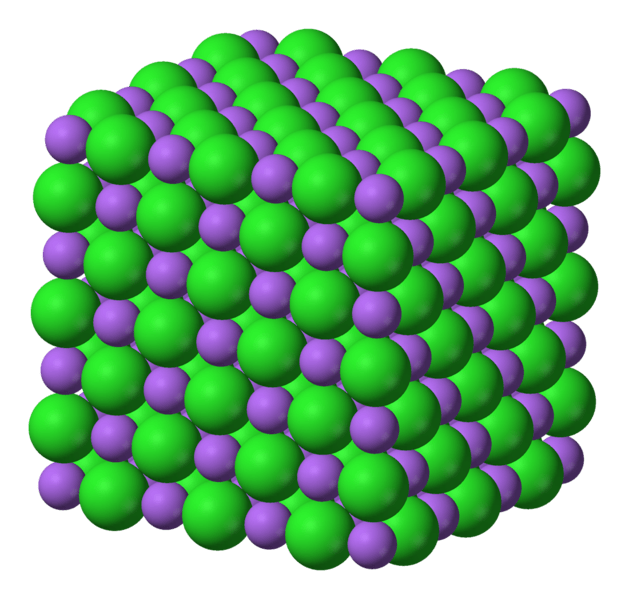
Which state of matter does this picture show?
Solid
Liquid
Gas
Plasma
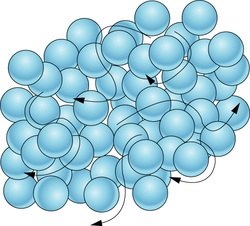
What state of matter does this picture show?
Solid
Liquid
Gas
Plasma
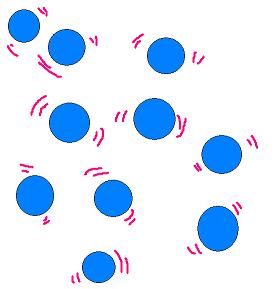
Which state of matter does this picture show?
Solid
Liquid
Gas
Plasma

Which state of matter does this picture show?
Solid
Liquid
Gas
Plasma

As temperature increases, what happens to particles?
They speed up
They slow down

As temperature decreases, what happens to particles?
They speed up
They slow down
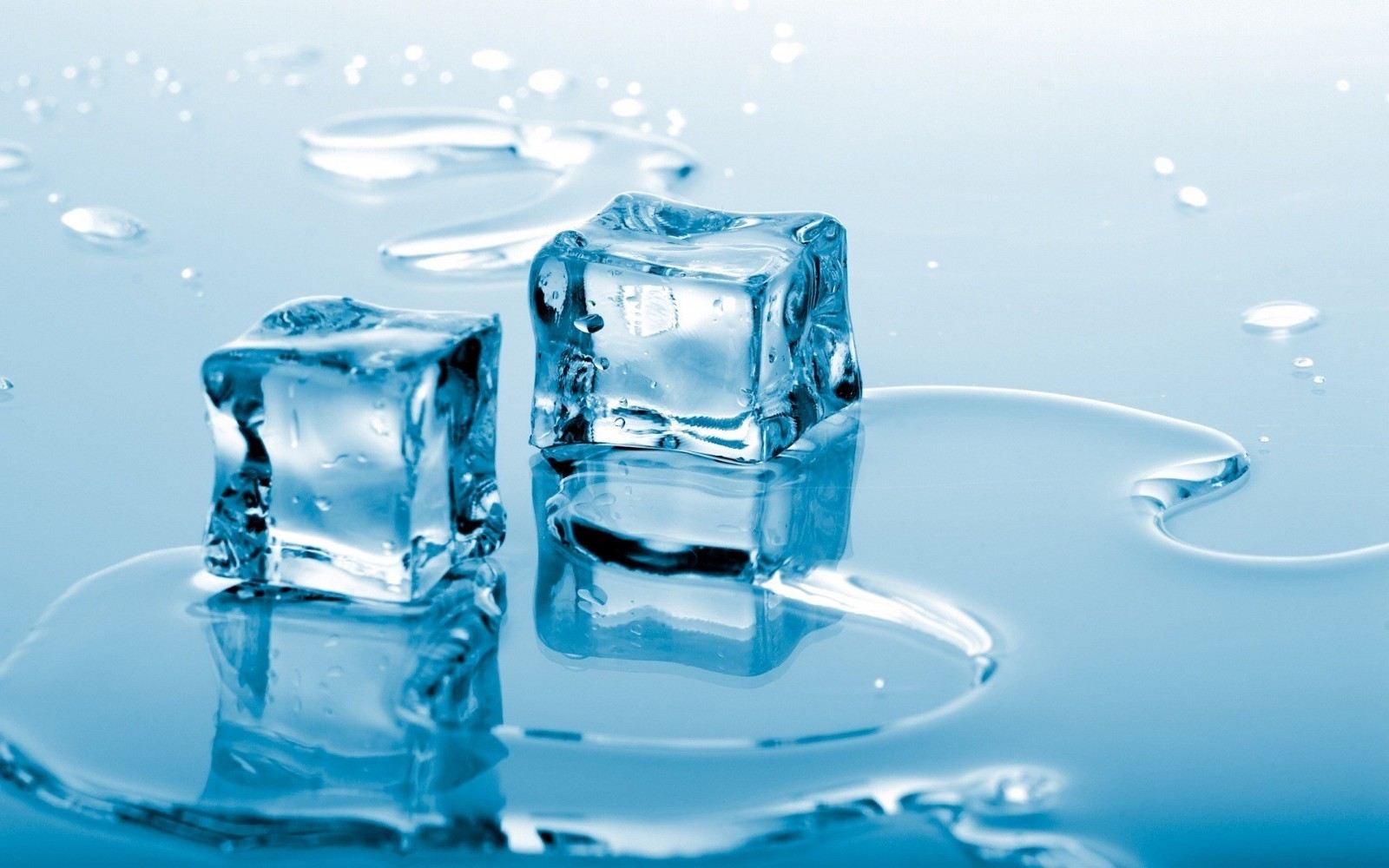
What is happening in this picture of ice melting?
Molecules are speeding up
Molecules are slowing down

What is happening in this picture of water boiling?
Molecules are speeding up
Molecules are slowing down

What is happening in this picture of this lake freezing?
Molecules are speeding up
Molecules are slowing down
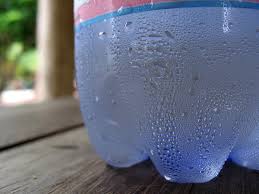
What is happening to the outside of this water bottle?
Molecules are speeding up
Molecules are slowing down

What state of matter is water in?
soild
liquid
gas
thermo

solid to a gas.
liquid to a gas.
solid to a liquid.
liquid to a solid.
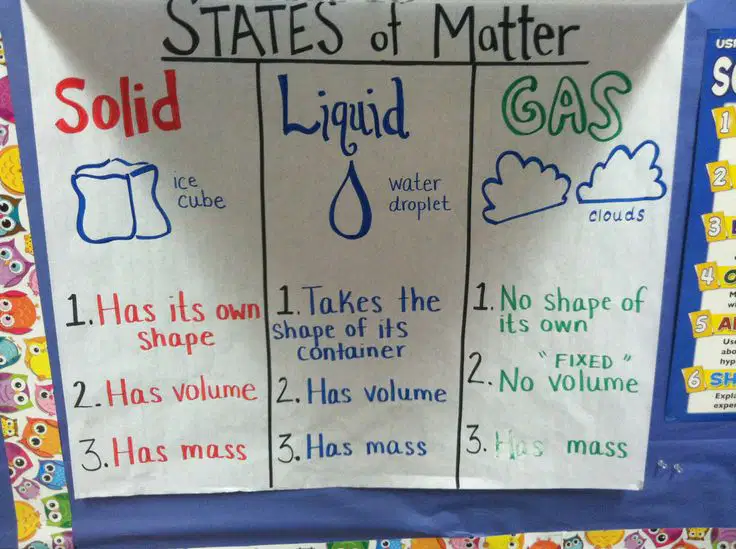
____ keep their size but not their shape.
solids
liquids
gases
plasma

____ have molecules that can spread out far from each other and move quickly.
solids
liquids
gases
plasma
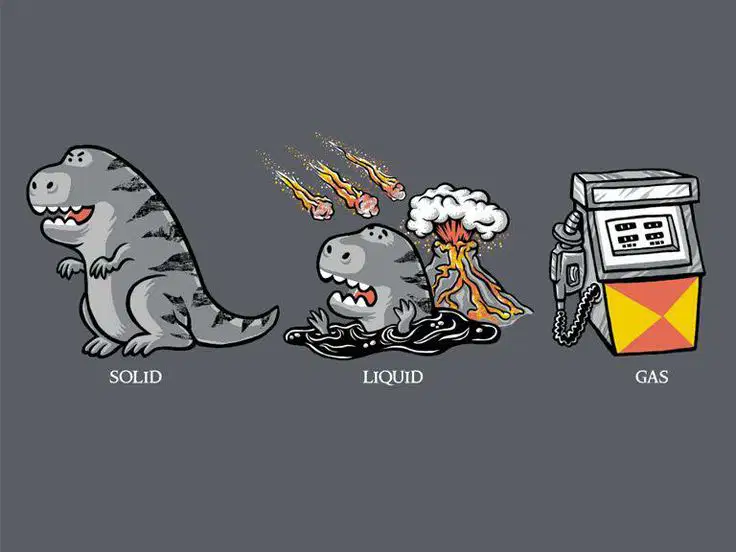
Which phase of matter has a definite volume and definite shape?
solid
liquid
gas

___ is anything that takes up space and has mass.
Density
Weight
Volume
Matter

Plasma can be found in which of the following (more than one answer)
Auroras
Lightening
LED light bulbs
Stars
Moons

A plasma can be made in a laboratory by
cooling a gas to very low temperatures
cooling a gas and reducing the pressure
heating a gas to extremely hot temperatures
heating a liquid to the point it turns into a gas

What is a glacier?
A type of juice drink
Slowly moving mass or river of ice
A fast-moving mass or river of ice
The way southerners say “Glad to See You”.

What force drives water down a hill or to fall from the sky?
Gravity
Bananas
The sun
Acceleration

The movement of water around the Earth is called?
Water Cycle
Carbon Cycle
Currents
Traveling
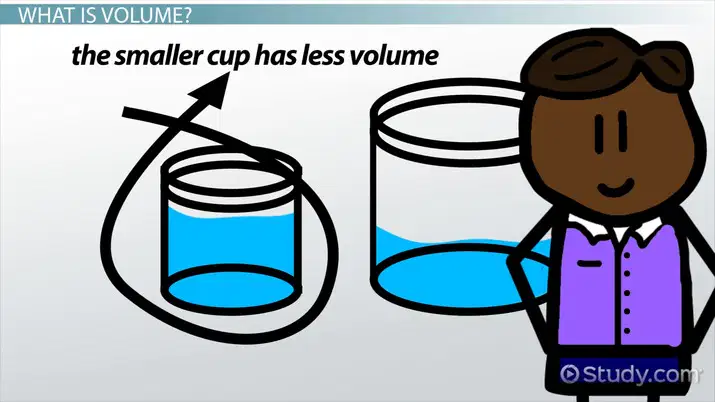
temperature
matter
mass
volume
Which of these is an example of erosion?
Light shining onto a mountain.
Rain breaking down rocks on a mountain into larger pieces.
Wind blowing away bits of dirt to a new place on the mountain.
All of the above.
What is the wearing away or breaking down of rocks called?
Weathering
Erosion

What type of rock forms from the existing rock under large amounts of heat and pressure?
metamorphic
igneous
sedimentary

What type of rock is made from magma/lava cooling?
igneous
metamorphic
sedimentary

Melted rock underground is...
magma
lava

Melted rock above ground is...
magma
lava

If a rock cools slowly it will have large crystals and a rock that cools quickly will have small crystals.
True
False

What is it called when rocks are broken down?
Weathering
Deposition
Compaction
Cementation

How are sedimentary rocks formed?
Other rocks break down into smaller pieces, settle and are squeezed together in layers.
Magma or lava cools and hardens.
Other rocks are exposed to extreme heat and pressure causing them to change into a new type of rock.
No matter how they start, rocks will always continue changing.
True
False
Which term best describes this movement of soil from one place to another?
Deposition
Discharge
Erosion
Weathering


What type of plate boundary is shown in the picture?
convergent
divergent
transform
sergent

What type of boundary can form ridges or rift valleys?
convergent boundary
divergent boundary
transform boundary
sergent boundary

A plate boundary at which two plates move parallel to each other in opposite directions.
divergent plate boundary
convergent plate boundary
transform plate boundary
subduction


Which explains that the continents were once joined together and over time they broke up and then drifted apart?
Plate Tectonic Theory
Continental Drift

Which of these explains that Earth's outer layer is broken into large slowly moving pieces?
Plate Tectonic Theory
Continental Drift

Wegener’s proposal of a supercontinent was supported by:
earthquake data
seafloor magnetism
rock, fossil, and climate data.
convection currents in the mantle.

True or False: Once a rock is sedimentary, it cannot become an igneous rock.
True
False
The plate movement on Earth is generally fast, moving several meters per year.
True
False
When transform boundaries slide or scrape past each other horizontally, what is a common result?
Volcanoes
mountains
trenches
earthquakes

At plate boundaries, plates interact, the results would be
geologic features
earthquakes
a country's border
an Insanely complex, long answer that you will click out of instinct.

Volcanoes and Earthquakes typically occur _______________.
along plate boundaries
only under water
only in hawaii
where it is usually hot

This rock is formed in layers.
Sedimentary
Igneous
Metamorphic

Fossils are often found in this rock.
Sedimentary
Igneous
Metamorphic
This rock is often found near water.
Sedimentary
Igneous
Metamorphic
You would most likely find this rock near a volcano.
Sedimentary
Igneous
Metamorphic

What kind of rock is "Granite"?
Sedimentary
Igneous
Metamorphic

What kind of rock is "Marble"?
Sedimentary
Igneous
Metamorphic

What kind of rock is "Limestone"?
Sedimentary
Igneous
Metamorphic

What kind of rock is "Sandstone"?
Sedimentary
Igneous
Metamorphic

What kind of rock is "Basalt"?
Sedimentary
Igneous
Metamorphic




Geologists are scientists that study _______.
rocks
lakes
rivers
animals

Geologists can find ______ in old rocks.
fossils
toys
sofas
people

A
B
C
None of them

A
B
C
None of them

A
B
C
None of them

Northern hemisphere
Southern hemisphere
Eastern hemisphere
Equator

Tilt and Rotation
Rotation and Revolution
Distance from the Sun and Rotation
Tilt and Revolution

X
Z
None of them
Both of them

X
Y
Z
None of them

Both hemispheres are receiving equal amounts of light at those times.
Neither hemisphere receives the most light.
In June the southern hemisphere is tilted toward the sun and in December the northern hemisphere is tilted toward the sun.
In June the northern hemisphere is tilted toward the sun and in December the southern hemisphere is tilted toward the sun.

December
June
May
July

X
Y
Z
None of them

A
B
C
D

X
Y
Z
None of them

No Starbucks
No Wi-Fi
No day and night
No revolution

Spring
Summer
Winter
Fall

C Summer
A Summer
C Winter
B Spring

Northern hemisphere
Southern hemisphere
Both of them
Neither of them

X
W
Z
None of them

A
B
C
D

A
B
C
D

365.25 hours
365.25 days
365.25 years
365.25 seconds

24 hours
24 days
24 years
24 seconds

Northern Hemisphere
Southern Hemisphere
Neither hemisphere
Both hemispheres

The northern hemisphere is getting more daylight hours and the southern hemisphere is getting less daylight hours.
The southern hemisphere is getting more daylight hours and the northern hemisphere is getting less daylight hours.
Both hemispheres are receiving equal amounts of daylight hours.
Both hemispheres are always in daylight.


deeper and narrower
wider and shallower
deeper and wider
shallower and narrower


Pieces of sediment come to rest on a surface
Movement of sediment
Breaking down of sediment

Dissolves sediment
Breaks down rock to form sediment
Removes sediment from land forms
Drops sediment to form landforms

Desert Areas
At river mouths
On the Banks of Rivers
In Valleys Formed by Glaciers


floodplain
dune
plain
mountain

to move
to settle in a new spot
to break apart
to sit still

to break apart
to settle in new spot
to move
to sit still

wind
water
ice
fire

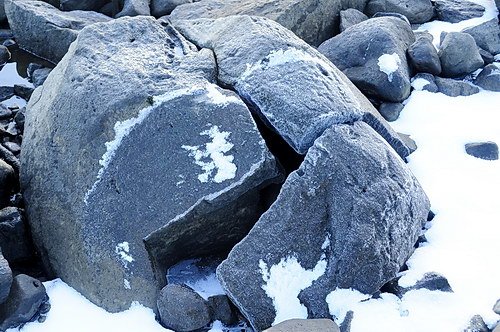
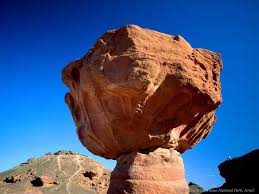
Which type of weathering most likely caused the rock shapes?
Tree roots
Acid rain
Freezing and thawing
Sand blown by wind
What is an enormous mass of ice moving over land, causing weathering of rock and soil?
A glacier
An iceberg
An ice wedge
A sand dune


Glacier
Forest
Desert
Prairie

