
 Worksheets
Practice Test - Energy in Chemical Reactions
Total questions: 50
Worksheet time: 1hrs 5mins
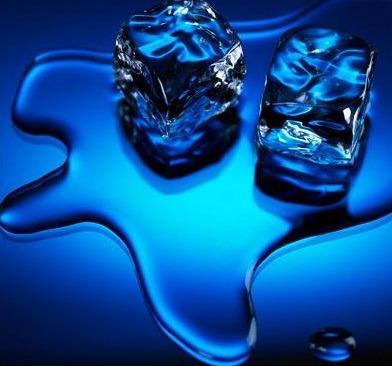
____ reactions usually feel cold.
endothermic
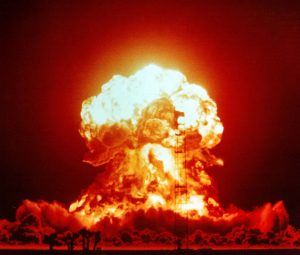
exothermic
Elements in two different compounds switch places.
Synthesis
decomposition
Single Replacement
Double Replacement
Combustion
When two or more substances combine to form one
substance.
Synthesis
Decompostion
Single Replacement
Double Replacement
Combustion
When one substance breaks down into 2 or more
substances.
Synthesis
Decompostion
Single Replacement
Double Replacement
Combustion
When one element replaces another element in a compound.
Single replacement
Double Replacement
Synthesis
Decompostion
Combustion

What is law of conservation of mass ?
Mass of reactants = mass of products
mass of reactants > mass of the products
mass of the reactants < mass of the products
mass of reactants > 2 mass of the reactants
During an exothermic reaction, heat is _________ and chemical bonds __________.
released, formed
absorbed, broken
released, broken
absorbed, formed
During an endothermic reaction, heat is ________ and chemical bonds _______.
released, formed
absorbed, broken
released, broken
absorbed, formed
Endo means in or _______.
absorbed
released
Exo means out or ________.
absorbed
released

What are the products of combustion?
Hydrogen + oxygen
Carbon dioxide + water
Carbon dioxide + hydrogen
Carbon + water
Which substance is a reactant in every combustion reaction?
Carbon dioxide
butane
oxygen
water
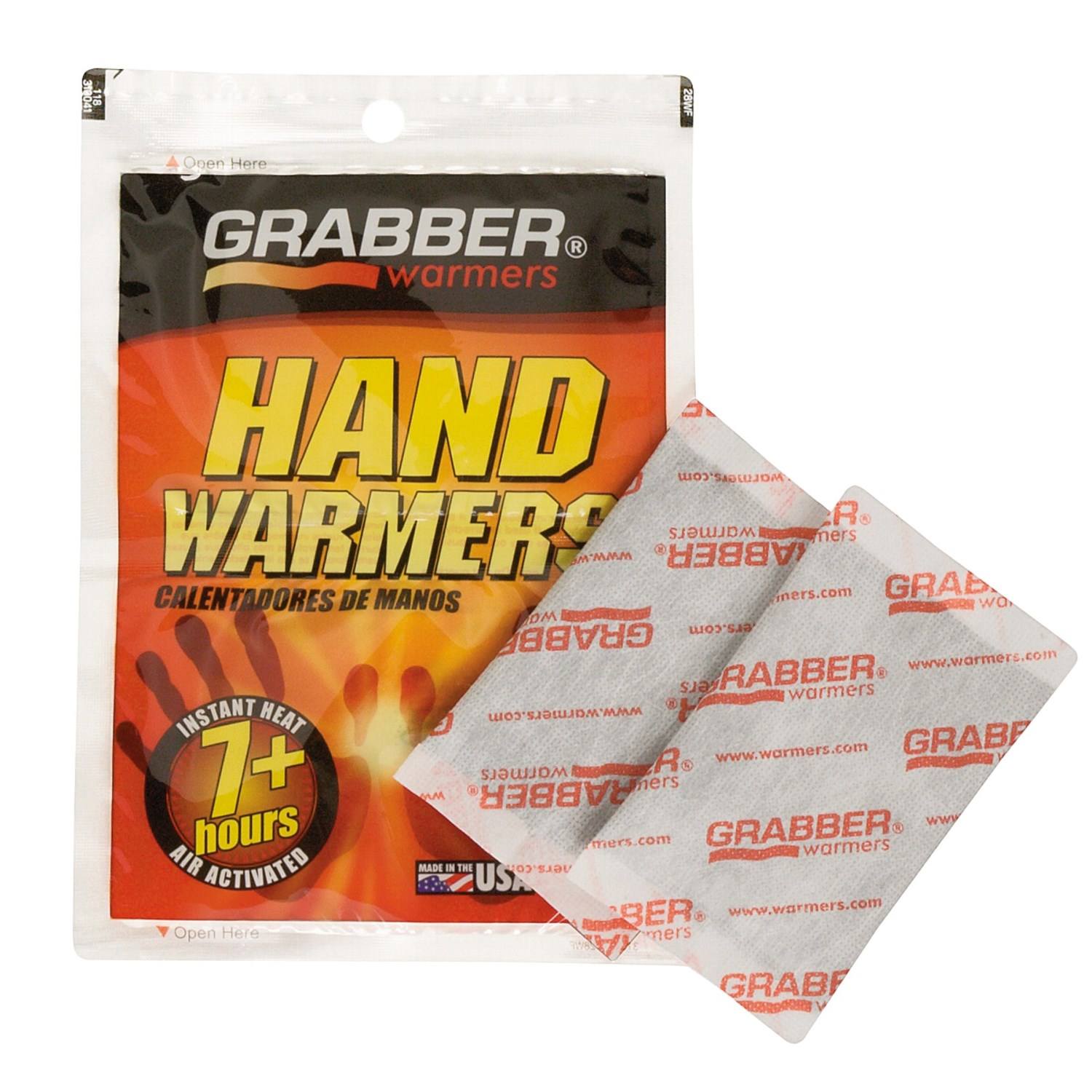

In an endothermic reaction, heat is ...
taken in
given out
H2 + O → H2O

Which type of reaction has the following general pattern?
ABC → A + B + C
synthesis
combustion
decomposition
endothermic
CoCO3 → CoO + CO2
AgF + CaCl2 ---> AgCl + CaF2
double replacement
decomposition
single replacement
synthesis
What is a chemical reaction?
a change in matter when the molecules rearrange to make new molecules
a change in matter when matter changes its form or appearance
a change in matter when the physical appearance changes
a very boring change in matter
When energy like heat and light are given off in a chemical reaction it is called
exothermic
endothermic
eccentric
ectomorphic
When the matter in a chemical reaction gets colder it is called
exothermic
endothermic
eccentric
endomorphic
When the matter in a chemical reaction gets warmer it is called
exothermic
endothermic
eccentric
endomorphic

What type of reaction involves the breaking down of a substance into simpler substances?
Single Replacement Reaction
Double Replacement Reaction
Synthesis Reaction
Decomposition Reaction

What type of reaction involves 2 substances combining to form 1 new compound?
Decomposition Reaction
Single Replacement Reaction
Double Replacement Reaction
Synthesis Reaction
What type of reaction involves the breaking down of a substance into simpler substances?
Single Replacement Reaction
Double Replacement Reaction
Synthesis Reaction
Decomposition Reaction
What type of chemical reaction is this one?
CUO + CO2 --> CuCO3
Decomposition
Combustion
Synthesis
Single Replacement
What type of chemical reaction is this one?
Ca + MgCl2 --> CaCl2 + Mg
Decomposition
Combustion
Synthesis
Single Replacement
3KOH + H3PO4 --> K3PO4 + 3H2O
Combination
Decomposition
Single replacement
Double replacement
Combustion reactions will always involve
Oxygen and a solid
Liquid nitrogen and heat
Oxygen and heat/energy
CO and H2O
Fe + CuSO4 -> Cu + FeSO4
Which chemical reaction always starts with a hydrocarbon that reacts with oxygen and produces carbon dioxide and water?
Decomposition
Synthesis
Combustion
Single Replacement

