wayground logo

Free Printable Worksheets

Font size

S
M
L
XL
Worksheets

Comprehensive Science 1 Review

Total questions: 226

Worksheet time: 17hrs 54mins

Name
Class
Date
1.
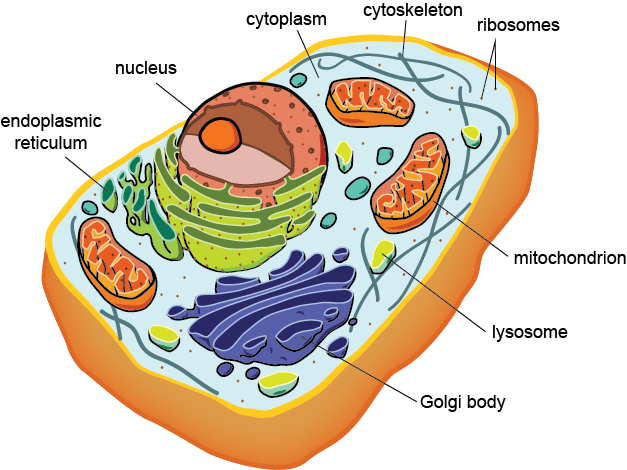
A cell's control center that directs all of the activities that take place in the cell is the
a)
Chromosome
b)
Vacuole
c)
Nucleus
d)
Mitochondria
2.
How are organisms organized?
a)
Organism-Cell-Organ-Tissue-Organ System-
b)
Organism-Organ System-Organ-Tissue-Cell
c)
Tissue-Organ-Organ System- Organism-Cell
d)
Cell-Tissue-Organ-Organ System-Organism
3.
This type of tissue contracts & relaxes to move your skeleton.
a)
Nerve
b)
Muscle
c)
Epithelial
d)
Connective
4.
A storage place for nutrients, wastes, and water. A plant cell has a much larger storage area than an animal cell because it holds more water & sugars. 
a)
Mitochondria
b)
Cell Membrane
c)
Cell Wall
d)
Vacuole
5.
A structure made up of at least two types of tissues that work together to perform a specific job in the body. 
a)
Organ
b)
Tissue
c)
DNA
d)
Chromosome
6.
Which of these are not found in animal cells?
a)
Chloroplasts & organelles
b)
DNA & mitochondria
c)
Cell Wall & Cell Membrane
d)
Cell Wall & Chloroplasts
7.
Found only in plant cells, this organelle enables the plant to make its own food through the process of photosynthesis.
a)
Cytoplasm
b)
Cell Wall
c)
Chloroplast
d)
Mitochondria
8.
A bean shaped organelle that goes through the process which releases energy in order for the cell to complete all of its activities.
a)
Mitochondria
b)
Chloroplast
c)
Ribosome
d)
Endoplasmic Reticulum
9.
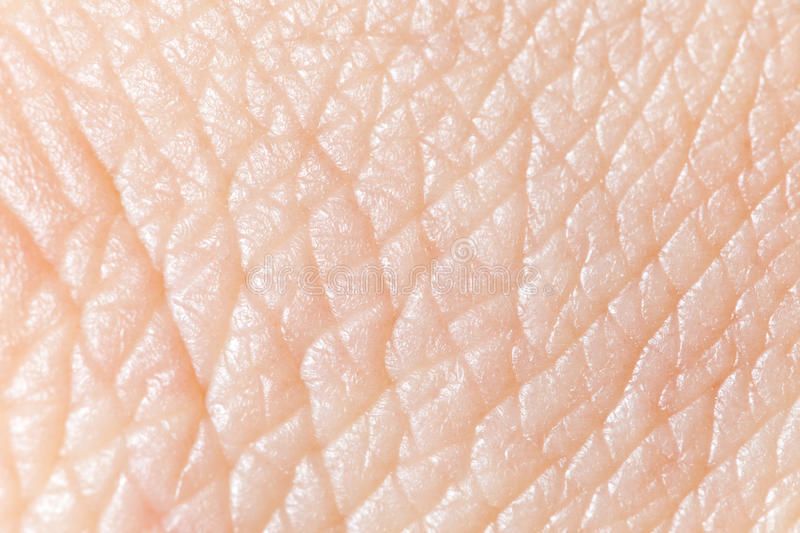
This tissue lines your outer layer of skin and your organs.
a)
Nerve
b)
Epithelial
c)
Muscle
d)
Connective
10.
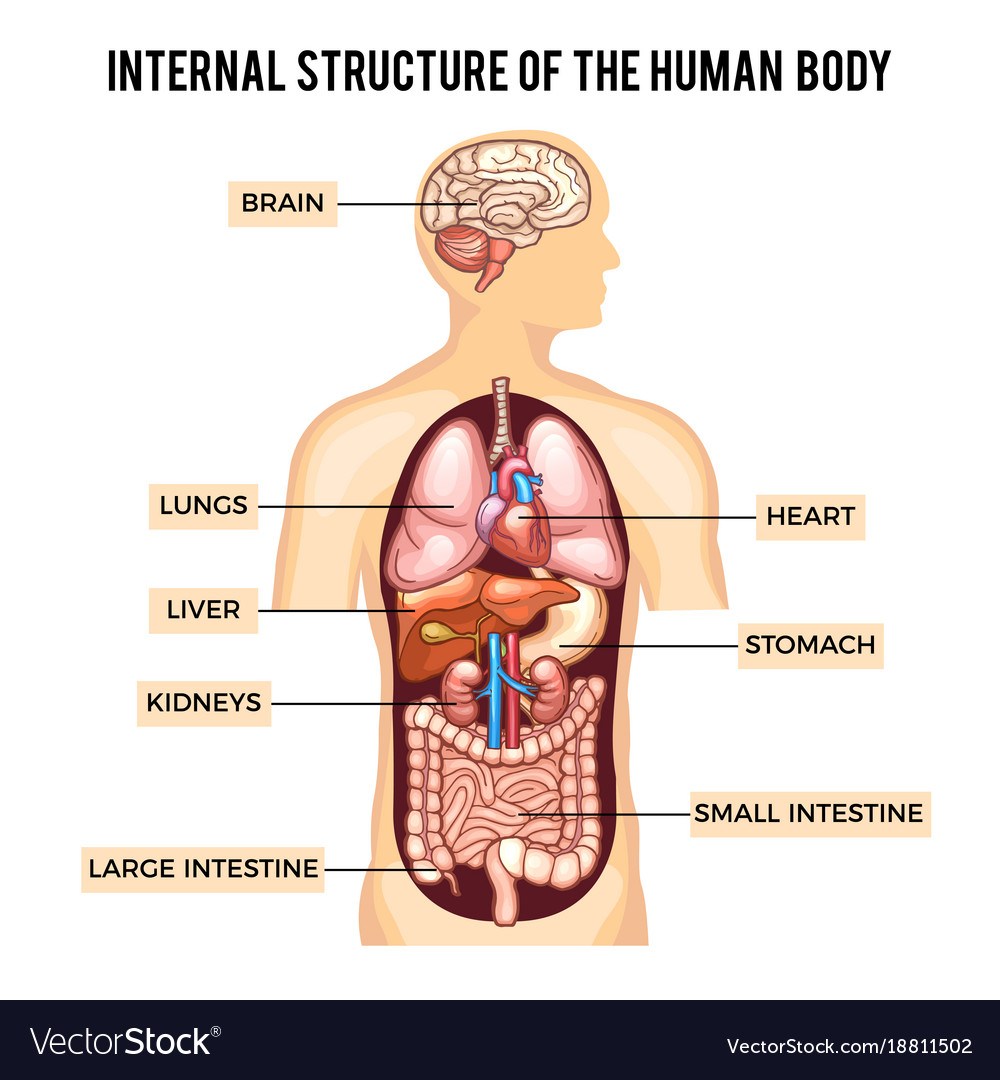
What type of body part is your stomach?
a)
System
b)
Cell
c)
Organ
d)
Tissue
11.
Structures in the nucleus that contain an organism's genetic information and regulate the cell's activities. 
a)
Nuclear Membrane
b)
DNA
c)
Nucleus
d)
Chromosomes
12.
Small round structures located in the cytoplasm that are responsible for breaking down large food particles into smaller substances needed throughout the cell.
a)
Endoplasmic Reticulum
b)
DNA
c)
Lysosome
d)
Ribosome
13.
A group of organs that work together to do a job in the body.
a)
Tissue
b)
Cells
c)
Organ Systems
d)
Organs
14.
Organisms that are made up many kinds of cells that have different functions are:
a)
Single-Celled Organisms
b)
Paramecium
c)
Protozoa
d)
Multicellular Organisms
15.
 A group of cells that have similar functions? Examples are nervous, epithelial, muscle and connective
a)
cells
b)
tissues
c)
organs
d)
atoms
16.
This is a example of........ 
a)
organ system
b)
cells
c)
organ
d)
tissue
17.
Which of the following statements is not part of the cell theory?
a)
Cells are the basic unit of structure and function in all living things.
b)
All cells are produced from other cells.
c)
Only animal cells are composed of cells.
d)
All living things are composed of cells.
18.
The invention of the microscope made it possible for people to discover and learn about
a)
Plants
b)
Skin 
c)
Animals 
d)
Cells
19.
Rocks are not living because
a)
they never move
b)
they aren't needed for humans
c)
they are not made of cells
d)
they don't break down
20.
All living things do which of the following?
a)
Chemosynthesis
b)
Respiration
c)
photosynthesis
d)
all of the answers
21.
Homeostasis
a)
allows for a wildly fluctuating internal environment
b)
is impossible in vertebrates
c)
is the maintenance of a relatively stable internal environment and often incorporates a form of feedback regulation
d)
is the maintenance of a relatively stable external environment and often incorporates a form of feedback regulation
22.
What does a plant cell have that an animal cell doesn't have?
a)
A. chloroplasts
b)
B. cell wall 
c)
C. cytoplasm
d)
D. A & B
23.
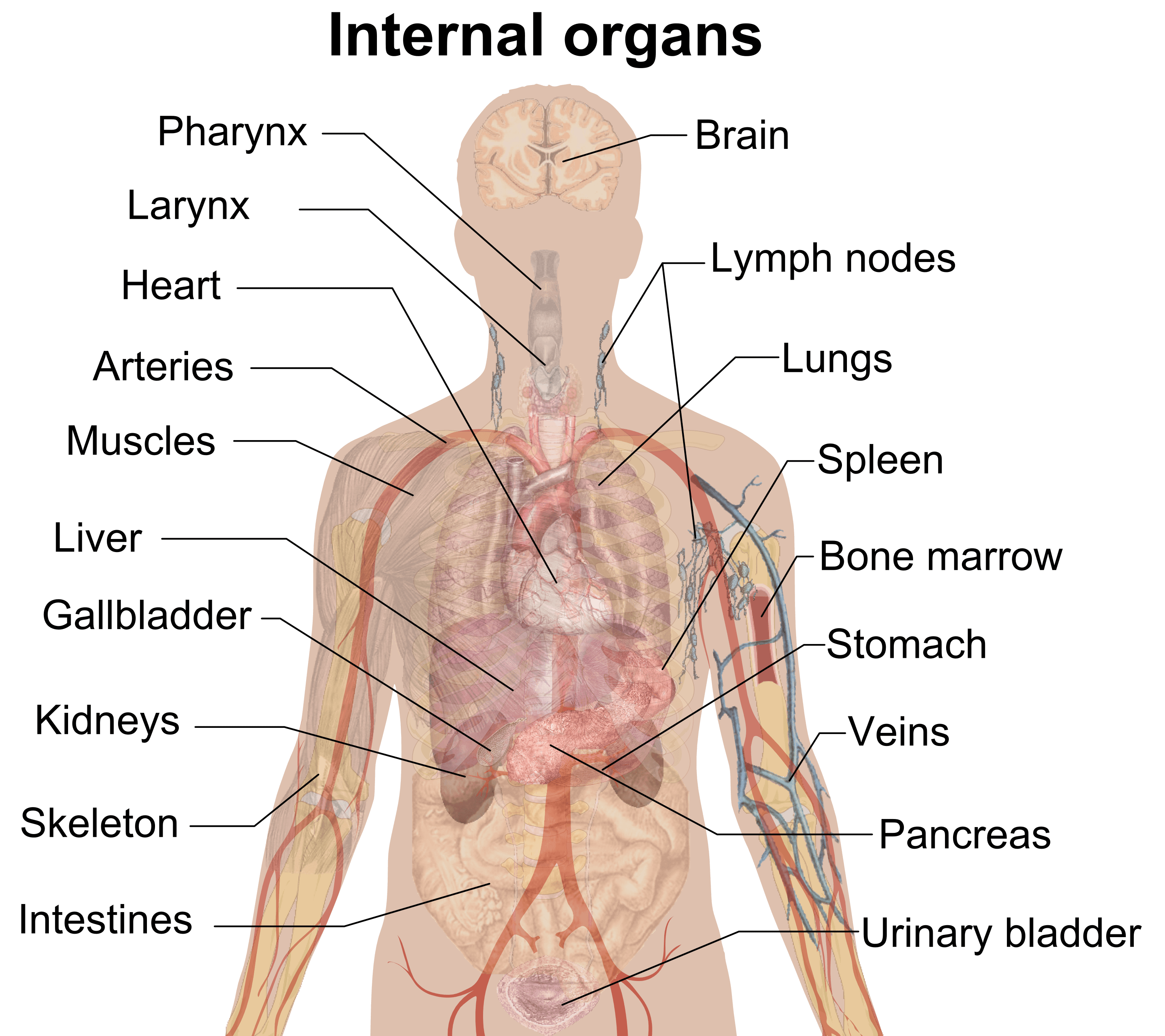
This system breaks down food and allows nutrients to enter the bloodstream.
a)
Lymphatic
b)
Digestive
c)
Endocrine
d)
Skeletal
24.
This system allows the body to move by itself and to move things around it.
a)
Muscular
b)
Integumentary
c)
Urinary
d)
Respiratory
25.
This system circulates blood throughout the body to carry oxygen to cells.
a)
Endocrine
b)
Digestive
c)
Lymphatic
d)
Circulatory
26.
This system provides a way for the body to take in oxygen from the surrounding environment and to exhale carbon dioxide from the body.
a)
Reproductive
b)
Lymphatic
c)
Endocrine
d)
Respiratory
27.
A tiny non-living particle that invades and then multiplies inside of a living cell is called a:
a)
vaccine
b)
virus
c)
bacteriophage
28.
Viruses are...
a)
prokaryotic
b)
eukaryotic
c)
non-living
d)
endospores
29.
Which of the following is something bacteria and viruses have in common?
a)
they are both living
b)
they are both cells
c)
they can both cause disease
d)
they are both non-living
30.
A bacterial infection can be cured with an antibiotic because ____________
a)
a virus can be killed with an antibiotic
b)
bacteria are living organisms
c)
bacteria do not cause bad infections
d)
bacterial infections only occur in infants
31.
Which Newton's Law causes this balloon to rise?
a)
Newton's 1st Law
b)
Newton's 2nd Law
c)
Newton's Law of relativity
d)
Newton's 3rd Law
32.
What is this graph showing?
a)
Constant forward motion
b)
Acceleration (speeding up)
c)
Deceleration (slowing down)
d)
No motion
33.
What does this graph represent?
a)
Constant  motion
b)
Acceleration
c)
No motion
34.
What is the speed of a car that travels 400 meters in 20 minutes?
a)
20 miles/hr
b)
20 m/min
c)
800 m/min
d)
200 miles/hr
35.
Which term refers to an object's tendency to resist a change in motion?
a)
stubbornness
b)
friction
c)
inertia
d)
acceleration
36.
When Wyle E. Coyote is waiting for the Road Runner with a huge boulder at the top of a cliff, which type of energy is being demonstrated?
a)
mechanical
b)
kinetic
c)
potential
d)
cartoon
37.
Which of the following would increase total kinetic energy of a substance?
a)
increase mass of the substance
b)
increase volume of the substance
c)
increase temperature of the substance
d)
all of the other three choices
38.
What is the difference between Potential and Kinetic Energy?
a)
Potential Energy is moving and Kinetic Energy has the potential to move.
b)
Potential is the energy a object has in motion, and Kinetic Energy is moving energy.
c)
Kinetic is energy in motion and Potential energy is waiting to move.
d)
Kinetic Energy is based on gravity and potential is based on motion
39.
A spoon is placed in hot soup and becomes warm.  How is heat transferred?
a)
Convection.  The soup swirls around the spoon.
b)
Radiation.  The heat given off to the spoon makes it hotter.
c)
Conduction.  The spoon transfers the cold to the hot soup?
d)
Conduction.  The heat is transferred to the spoon by contact.
40.
What is Newton's 3rd Law of Motion?
a)
For every action there is an equal but opposite reaction.
b)
The more force applied, the greater the acceleration.
c)
The object in motion remains in motion unless an unbalanced force acts on it.
d)
It is the Law of Inertia
41.
What is Newton's 1st Law
a)
Force is dependent on mass and acceleration.
b)
Objects at rest remain at rest unless an unbalance force acts on it.
c)
For every action, there is an equal but opposite reaction.
d)
An object in motion remains in motion unless an unbalanced force acts on it.
42.
You take temperature readings every minute for 50 minutes.  What type of graph would you use to present your data?
a)
Circle graph
b)
Bar graph
c)
Line graph
d)
Pictograph
43.
What happens to the glow sticks when subjected to temperature change?
a)
Nothing Changes
b)
They get dimmer
c)
They get brighter with cooler temperatures
d)
Get brighter with warmer temperatures
44.
Convection is
a)
heat transfer by waves
b)
heat transfer in fluids and gases
c)
heat transfer by direct contact
d)
heat transfer by insulation 
45.
You would feel radiation when: 
a)
cooking soup
b)
in a hot tub
c)
laying out in the Sun
d)
Drinking hot cocoa
46.
Unbalanced forces: 
a)
do not cause movement
b)
do not cause friction
c)
cause movement
d)
cause momentum
47.
Balanced forces are:
a)
equal in size 
b)
opposite in direction
c)
unequal in size
d)
equal in size and opposite in direction
48.
Heat transfer that is characterized by a cycle of warm fluid (gas or liquid) rising and cool fluid (gas or liquid) sinking is called
a)
convection
b)
conduction
c)
radiation
d)
irrigation
49.
A sealed container holds 100mL of ice. The mass of the container and its contents are is 100g.What will happen to the mass of the container and its contents when the ice melts?
a)
its mass will increase
b)
its mass will decrease
c)
its mass will remain the same
50.
A beaker full of water is set upon a hot plate turned on to its highest setting. The water begins to boil. A pinwheel (turbine) begins to rotate when it is placed above the beaker of boiling water.
What transfer is occurring between the beaker of boiling water and your hand placed near the side of it?
a)
conduction
b)
convection
c)
radiation
51.
What is the net force?
a)
40 N left
b)
0 N Balalnced
c)
400 N right
d)
40 N right
52.
What is the net force?
a)
30 N left
b)
25 N right
c)
5 N left
d)
55 N right
53.
On a roller coaster, where is maximum potential energy?
a)
At the bottom of a big hill
b)
When going around a corner
c)
When going upside down
d)
At the top of a big hill
54.
On a roller coaster, where is maximum kinetic energy?
a)
At the bottom of a big hill
b)
When going around a corner
c)
When going upside down
d)
At the top of a big hill
55.
What is the person doing from 5 seconds to 10 seconds?
a)
Walking 
b)
Running
c)
Standing Still 
d)
Walking Fast
56.
According to Newton's third law of motion, when a person leans against a wall, the wall 
a)
falls over.
b)
holds you up. 
c)
starts to move in the opposite direction. 
d)
exerts an equal force back on the person. 
57.
An object that is balanced will have a net force of:
a)
0 N
b)
10 N
c)
100 N
d)
1000 N
58.
In order to determine the speed of an object, what measurements must be made?
a)
time, distance, and volume
b)
distance and time
c)
distance and direction
d)
distance and mass
59.

During which step of the scientific inquiry do you propose what you think will happen?

a)

Ask a question

b)

Experiment

c)

Hypothesis

d)

Conclusion

60.
This is the manipulated variable, or the variable you control.
a)
Independent
b)
Dependent
61.
This is the responding variable, or the variable you don't control.
a)
Independent
b)
Dependent
62.
This group in an experiment does not receive the variable from the experimenter.
a)
Independent variable
b)
Dependent variable
c)
Control group
d)
Constant
63.
The container is filled to the 350 mL mark with water. 
a)
observation
b)
inference
64.
350 ml of water was in the test tube
a)
Qualitative
b)
Quantitative
65.
What is a series of carefully planned steps used to test a hypothesis?
a)
a constant
b)
an observation
c)
a conclusion
d)
an experiment
66.
Why should an experiment be repeated?
a)
to form a hypothesis
b)
to reduce the chance of error
c)
to change controls
d)
to identify the problem
67.

What is the first step in scientific inquiry?

a)

digging for artifacts

b)

drawing conclusions

c)

controling variables

d)

recognizing a problem

68.
What is the variable that is measured in an experiment?
a)
independent variable
b)
dependent variable
c)
control variable
d)
constant variable
69.
What is the term for the standard used for comparison?
a)
constant
b)
control
c)
inference
d)
observation
70.
Hearing, sight, taste and smell all are used for which aspects of science?
a)
hypothesis
b)
laws
c)
observations
d)
theories
71.
Also known as the "test variable." This is what we choose to do or test.
a)
Independent Variable
b)
Dependent Variable
c)
Control
d)
Constant
72.
This is the outcome of the experiment. We get data and results from this.
a)
Independent Variable
b)
Dependent Variable
c)
Control
d)
Constant
73.
Use the following scenario to answer the question.
The more time you spend studying, the better you will do on the quiz.
The "more time you spend studying" is the...
a)
Independent Variable
b)
Dependent Variable
c)
Contro
d)
Constant
74.
Use the following scenario to answer the question.
The more I practice the trumpet, the better I will become.
"The better I will become" is the...
a)
Independent Variable
b)
Dependent Variable
c)
Control
d)
Constant
75.
Dr. Smith wants to examine whether a new drug increases the maze running performance of older rats. Dr. Smith teaches two groups of older rats to find a piece of tasty rat chow in the maze. One group of rats is given the new drug while they are learning the maze. The second group is not given the drug. One week after having learned the maze he retests the rats and records how long it takes them to find the rat chow.
What is the independent variable? 
a)
The new drug
b)
The tasty rat chow
c)
How long it takes the rats to find the food
d)
The second group not given the drugs
76.
Dr. Smith wants to examine whether a new drug increases the maze running performance of older rats. Dr. Smith teaches two groups of older rats to find a piece of tasty rat chow in the maze. One group of rats is given the new drug while they are learning the maze. The second group is not given the drug. One week after having learned the maze he retests the rats and records how long it takes them to find the rat chow.
What is the dependent variable?
a)
The new drug
b)
The tasty rat chow
c)
How long it takes the rats to find the food
d)
The second group not given the drugs
77.
Dr. Smith wants to examine whether a new drug increases the maze running performance of older rats. Dr. Smith teaches two groups of older rats to find a piece of tasty rat chow in the maze. One group of rats is given the new drug while they are learning the maze. The second group is not given the drug. One week after having learned the maze he retests the rats and records how long it takes them to find the rat chow.
What is the control?
a)
The new drug
b)
The tasty rat chow
c)
How long it takes the rats to find the food
d)
The second group not given the drugs
78.
A judgement based on what has been observed in an experiment is...
a)
an experiment
b)
an observation
c)
an inference
d)
a conclusion
79.
What is an experiment ?
a)
Test that are designed to confirm their hypothesis 
b)
The result of these test may support their hypothesis or they may show that the original guess was wrong
c)
Observations and research to come up with possible awnsers 
to their questions 
d)
all of the above
80.
What is another word for hypothesis?
a)
evidence
b)
graph
c)
investigation
d)
prediction
81.
How many variables should be tested at one time in a scientific investigation?
a)
none
b)
one
c)
two
d)
three
82.
Information from which a conclusion can be drawn or a prediction can be made are called
a)
tools
b)
procedures
c)
details
d)
data
83.
A valid scientific investigation must be able to be
a)
replicated
b)
graphed
c)
predicted
d)
observed
84.
A scientific conclusion is based on 
a)
variables and experiments
b)
observations and questions
c)
facts and observations
d)
tools and evidence
85.
You are testing to see if music helps plants grow better. You divide the plants into four groups. What is group D?
a)
the model group
b)
the control group
c)
the population group
d)
the experimental group
86.
You measure cells using micrometers.  This type of data is called ____. 
a)
quantitative
b)
qualitative
c)
cellular
d)
mythical
87.
Recording data on how yellow or orange leaves turn in October by describing them as "green" "slightly yellow" "very yellow" or "orange" is ____ data
a)
quantitative
b)
qualitative
88.
Which statement is an inference about this picture?
a)
The van is tan.
b)
The  van ran into KFC. 
c)
The driver was hungry. 
d)
An ambulance may be on the way. 
89.
A set of related hypotheses that have been confirmed to be true many times and can explain a great amount of data is a(n)
a)
experiment
b)
hypothesis
c)
theory
d)
law
90.
A testable question intended to answer a specific question is a(n)
a)
observation
b)
hypothesis
c)
theory
d)
law
91.
When you plan a scientific investigation, what is the best way to record the procedure you follow?
a)
Write down a few quick notes
b)
Remember the procedure, but do not write it down so others cannot copy you
c)
Write out a procedure, but keep it to yourself
d)
Write out the procedure, so someone else can follow it.
92.
How much has the anole increased its mass after 12 days?
a)
2.6 grams
b)
0.2 grams
c)
12 grams
d)
2 grams
93.
What does the line in this graph indicate?
a)
increase in mass over a certain number of years
b)
increase in mass over a certain number of days
c)
decrease in mass over a certain number of days
d)
mass of animals eaten by an anole
94.
How much of Chemical X did the control group receive?
a)
0 mL
b)
10 mL
c)
15 mL
d)
20 mL
95.
Which is the dependent variable in Amelia's experiment?
a)
the number of bean plants in each group 
b)
the amount of water given daily to each plant 
c)
the height of each bean plant 
d)
the amount of fertilizer given to each group of bean plants
96.

Replication is described as...

a)

the action of someone else reproducing an experiment to see if they get the same results

b)

the action of copying or reproducing something.

c)

the act of doing an experiment at the park

d)

the act of combining items to become one item

97.
Repetition is described as...
a)
the action of repeating something that has already been said or written.
b)
the action of taking many items and becoming one
c)
the act of copying 
d)
the act of using more than one variable in an experiment
98.

Which one of the following steps is NOT a part of scientific inquiry?

a)

Perform experiments to test the predictions.

b)

Repeat the experiments until the answers match the predictions.

c)

Formulate a general rule based on the predictions and experimental outcome.

d)

Make a guess about the answer to a problem and predict its consequences.

99.
A scientific conclusion is based on 
a)
variables and experiments
b)
observations and questions
c)
facts and observations
d)
tools and evidence
100.
Why should you keep all variables constant besides the independent variable?
a)
You wouldn't be able to determine which variable is having the effect on your results
b)
You would get confused and measure something other than your dependent variable
c)
It isn't important to keep other variables constant
d)
None of the above
101.

Which body system protects the organs of the body?

a)

digestive

b)

respiratory

c)

skeletal

d)

muscular

102.

What is the function of the respiratory system?

a)

To digest your food

b)

To remove waste from the body

c)

To take in oxygen and remove carbon dioxide

d)

To fight disease

103.

What is the function of the digestive system?

a)

It transports blood and oxygen to your cells

b)

It breaks down food so the nutrients can be absorbed by your body

c)

It helps you breathe by taking in oxygen and transporting carbon dioxide out of your body

d)

It helps you move

104.

Which system in the human body includes the heart, blood, arteries, and veins?

a)

cardiovascular

b)

muscular

c)

digestive

d)

respiratory

105.

Which statement best describes the relationship between the nervous system and the muscular system?

a)

The nervous system controls the muscular system.

b)

The muscular system controls the nervous system.

c)

The nervous system provides nutrients for the muscular system.

d)

The muscular system provides nutrients for the nervous system.

106.

In what way are the digestive and circulatory systems alike?

a)

Both protect organs in the body.

b)

Both control movement of the body.

c)

Both absorb gases or nutrients into the body.

d)

Both provide structural support for the body.

107.

Which two body systems work together to support the body and allow the body to move?

a)

circulatory and respiratory

b)

digestive and nervous

c)

skeletal and muscular

d)

circulatory and digestive

108.
This system includes the skin, hair, and nails.
a)
integumentary
b)
nervous
c)
skeletal
d)
muscular
109.
This system filters and removes liquid wastes from the body.
a)
endocrine
b)
digestive
c)
circulatory
d)
excretory
110.
This system receives and proccesses information.
a)
respiratory
b)
immune
c)
nervous
d)
endocrine
111.
This system is the body's defense against attack.
a)
endocrine
b)
excretory
c)
muscular
d)
immune
112.
This system secretes chemical messages (hormones) to different parts of the body.
a)
excretory
b)
endocrine
c)
digestive
d)
immune
113.

Which of the following is a component of the circulatory system?

a)

heart

b)

blood vessels

c)

blood

d)

all answers

114.
The three types of muscles are 
a)
skeletal, smooth, and cardiac. 
b)
skeletal, voluntary, and cardiac. 
c)
smooth, cardiac, and involuntary. 
d)
skeletal, cardiac, and ridged. 
115.
From the smallest functional units to the largest, the body is organized as follows: 
a)
cell, system, organ, tissue, body. 
b)
organ, cell, tissue, system, body. 
c)
system, organ, tissue, cell, body. 
d)
cell, tissue, organ, system, body. 
116.
Which one of the following systems DO NOT absorb nutrients or get rid of wastes?
a)
Respiratory System
b)
Digestive System
c)
Nervous System
d)
Circulatory System
117.

Hold bones together to form joints.

a)

Cardiac muscles

b)

Stomach

c)

Ligaments

d)

Bones

118.

Controls most functions in the body.

a)

Skeleton

b)

Immune System

c)

Brain

d)

Skin

119.

Muscular tube connecting the mouth to the stomach

a)

Esophagus

b)

Small Intestine

c)

Phagocytes

d)

Spinal Cord

120.

Skeletal muscles are

a)

Voluntary

b)

Involuntary

121.

Mechanical and chemical digestion start here

a)

Stomach

b)

Brain

c)

Mouth

d)

Pancreas

122.

What is an organ?

a)

A group of tissues that work together to perform closely related functions.

b)

the network of nerve cells and fibers that transmits nerve impulses between parts of the body.

c)

all of the bones and muscles in your body and responsible for body structure and movements.

d)

responsible for providing your body with nutrients from food.
123.

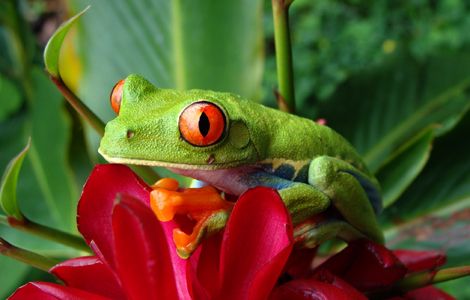
An ___________ is a living thing.

a)

tissue

b)

respiratory system

c)

organism

d)

cell

124.

Define tissue.

a)

A group of similar cells that perform the same function.

b)

A living thing

c)

responsible for filtering your blood, removing wastes, and heating and cooling your body.

d)

A group of tissues that work together to perform closely related functions.
125.

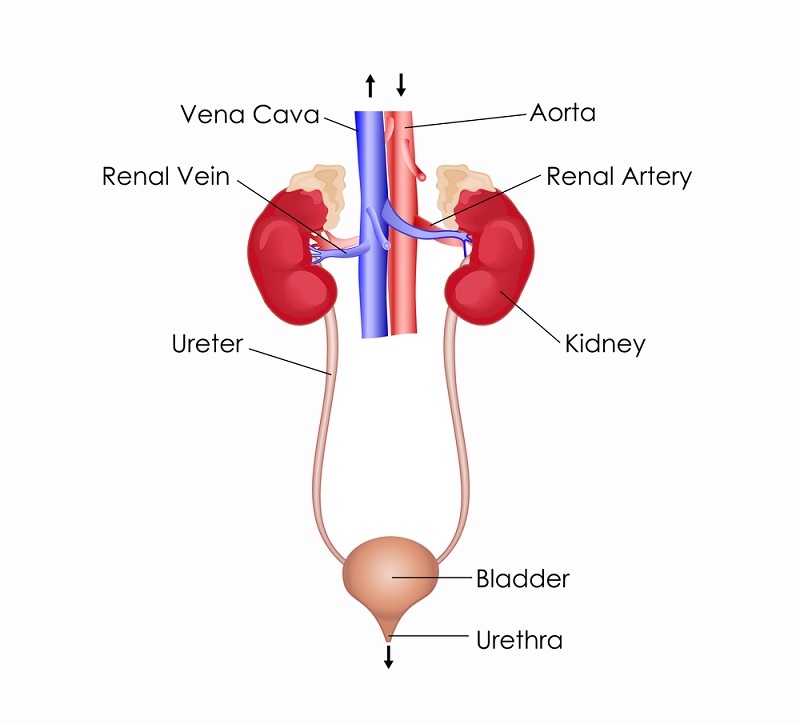
The excretory system is....

a)

responsible for bringing oxygen into your body and removing carbon dioxide.

b)

responsible for filtering your blood, removing wastes, and heating and cooling your body.

c)

a living thing

d)

the smallest unit of life

126.

What is an organ system?

a)

the network of nerve cells and fibers that transmits nerve impulses between parts of the body.

b)

A group of similar cells that perform the same function.

c)

A group of organs that work together in performing vital bodily functions.

d)

all of the bones and muscles in your body and responsible for body structure and movements.
127.

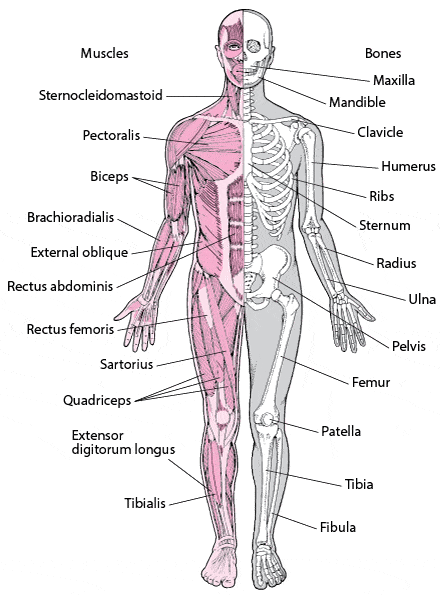
This human body system is made up of all of the bones and muscles in your body. It is responsible for body structure and movements.

a)

musculoskeletal system

b)

digestive system

c)

organism

d)

respiratory system

128.
Balanced or unbalanced?
a)
balanced
b)
unbalanced
129.
Balanced or unbalanced?
a)
balanced
b)
unbalanced
130.
The dog's force is?
a)
Applied
b)
Normal
c)
Gravitational
d)
Magnetic
131.
What type of force?
a)
Magnetic
b)
Gravitational
c)
Applied
d)
Normal
132.

Look at the illustration below of a block moving across a table-top. The magnified view illustrates a force that exists between the two objects.

Which type of force is demonstrated in the magnified view?

a)

magnetic force

b)

electrical force

c)

gravitational force

d)

frictional force

133.
After walking across a carpeted floor in socks, Jim brings his finger near a metal doorknob and receives a shock. 
What does this demonstrate?
 
a)
Frictional forces require direct contact.
b)
Electrical forces require direct contact
c)
Electrical forces can act at a distance.
d)
Frictional forces can act a distance.
134.
What type of force is Spiderman using to hold himself off the ground?
a)
friction
b)
tension
c)
gravity
d)
normal
135.
When mass increases then gravity
a)
Decreases
b)
Increases
c)
Stays the same
136.
Which of the following shows the direction of the friction force?
a)
A
b)
B
c)
C
d)
D
137.
What is the net force?
a)
11 N left
b)
11 N right
c)
3 N left
d)
3 N right
138.
A toy car was used in an investigation about forces. During which of the following scenarios was the car experiencing balanced forces?
a)
The toy car speeds up as it rolls down a ramp.
b)
The toy car travels forward at a constant speed.
c)
The toy car slows down as it rolls up a hill.
d)
The toy car changes direction at a constant speed.
139.
Friction acts in a direction __________ to the direction of the object’s motion.   
a)
Side By Side
b)
Parallel Directions
c)
 Opposite
d)
The Same Direction
140.

Student A is pushing at 63 newtons, and student B is pushing at 56 newtons. What is the net force (calculation).

a)

119 N Right

b)

7

c)

7 N Right

d)

119

141.

What force are you demonstrating when you sit on a chair?

a)

Gravitational Force

b)

Friction

c)

Applied Force

d)

Normal Force

142.
Which type of force occurs when objects move through the air?
a)
Friction
b)
Gravity
c)
Air Resistance
143.
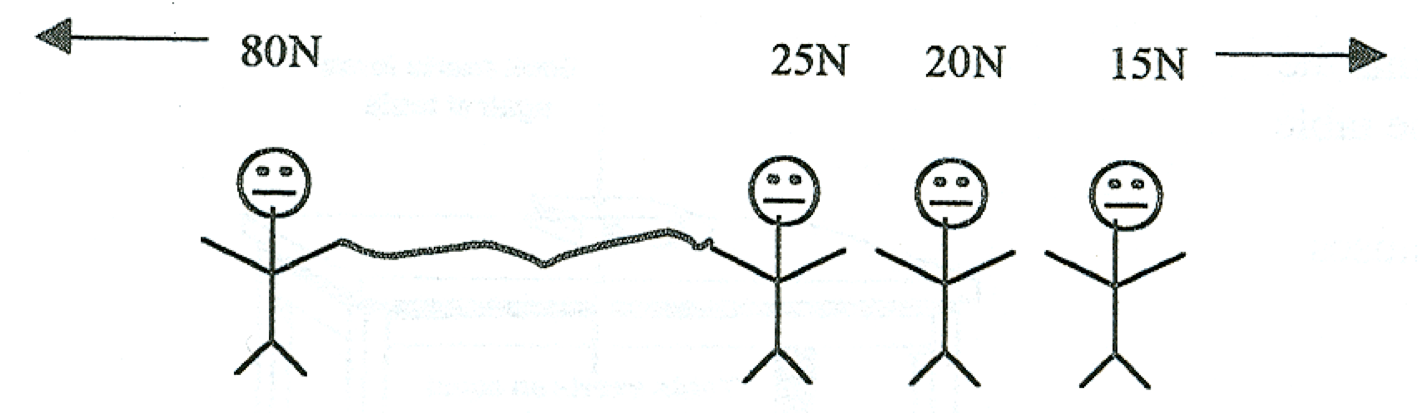
Who wins the tug of war with what net force?
a)
The person on the left with 20 N
b)
The person on the left with 80 N
c)
The people on the right with 20 N
d)
The people on the right with 100 N
144.

What is the unit to MEASURE force?

a)

Kilogram

b)

Meter

c)

Pounds

d)

Newton

145.

What will cause an object to move?

a)

Unbalanced forces

b)

Balanced forces

146.
With unbalanced forces, the object will move in the direction of the _______ force.
a)
larger 
b)
smaller 
c)
equal 
147.

Which of the following could cause an acceleration?

a)

A balance between two forces

b)

A balance between three forces

c)

An imbalance between two forces

d)

Zero forces

148.
What force holds the planets in motion around the sun?
a)
Magnetic
b)
Electrical
c)
Gravitational
d)
Air Resistance
149.
What type of force causes these balloons to move toward or away from each other?
a)
Gravitational
b)
Applied
c)
Magnetic
d)
Electrical
150.
What force brings the pencil down?
a)
Applied
b)
Magnetic
c)
Normal
d)
Gravitational
151.
What force ultimately slows the roller coaster to a stop?
a)
Applied
b)
Normal
c)
Friction
d)
Magnetic
152.

What is defined as a push or pull?

a)

force

b)

motion

c)

vector

d)

speed

153.
This type of force is when one object pushes or pulls on another object by touching it
a)
contact
b)
gravity
c)
friciton
154.
This type of force is an attraction between two objects
a)
contact
b)
gravity
c)
friction
155.
This type of force resist motion between two surfaces that are pressed together
a)
contact
b)
gravity
c)
friction
156.
There is very little friction between ____________ or slippery surfaces.
a)
smooth
b)
rough
c)
hard
d)
soft
157.

The day-to-day state of the atmosphere

a)

weather

b)

altitude

c)

climate

d)

atmosphere

e)

atmospheric circulation

158.

The prevailing weather patterns of a region

a)

weather

b)

altitude

c)

climate

d)

atmosphere

e)

atmospheric circulation

159.

The mixture of gases that surrounds Earth

a)

weather

b)

altitude

c)

climate

d)

atmosphere

e)

atmospheric circulation

160.

Differences in air temperature cause movement in the air, which creates __________.

a)

wind

b)

hotter

c)

dense

d)

cools

161.

The radiant energy from the Sun is transferred to the atmosphere, causing air movement. The air becomes less __________, so it rises.

a)

wind

b)

hotter

c)

dense

d)

cools

162.

As the air __________, it becomes more dense and falls to Earth's surface.

a)

wind

b)

hotter

c)

dense

d)

cools

163.

The higher the latitude, the colder the climate; the lower the latitude, the __________ the climate.

a)

wind

b)

hotter

c)

dense

d)

cools

164.

How do oceans influence weather and climate?

a)

Oceans cause winds to move by the motion of strong currents.

b)

Oceans reflect the sun's energy back through the atmosphere into space.

c)

Oceans absorb the energy of the sun, store it, and release it.

d)

Oceans' waves continually generate heat through wave action.

165.

The geography of a region affects its weather because the shape of landforms influences --

a)

the amount of sunlight entering the atmosphere.

b)

the survival rate of organisms living there.

c)

the volume of sediment reaching the ocean.

d)

the flow of winds and ocean currents.

166.

Ocean currents don't just go in a straight line but instead swirl around. Which of the following describes the features that change the general trend of ocean water movement into the actual pattern we see?

a)

Earth's rotation and arrangement of continents

b)

Global patterns of fishing and sailing

c)

Gravitational pull of the Sun and Moon

d)

Concentration of dissolved salt and minerals

167.

The Canary Currents runs along the edge of Africa. Which direction do you predict the winds are blowing?

a)

Toward the northwest

b)

Toward the southwest

c)

Toward the southeast

d)

Toward the northeast

168.
What process brings the deep cold ocean currents up to the surface?
a)
Conduction
b)
Global Wind Patterns
c)
Convection Currents
d)
Temperature and salinity
169.
The Coriolis Effect is caused by
a)
Earth rotating around the sun
b)
Earth rotating on its axis
c)
The tides
d)
Gravity
170.
What happens to a current when it comes in contact with a continent or landmass?
a)
It continues over the continent
b)
It stops
c)
It changes direction
d)
It is absorbed by the land
171.
What causes surface currents north and south of the equator to move in different directions? 
a)
Gases in the ocean
b)
The rotation of the Earth
c)
Temperature differences
d)
Continental deflection
172.
Two types of water currents are
a)
local and global
b)
sea and land
c)
surface and deep
d)
warm and cold
173.
Movements of ocean water in a continuous flow are called?
a)
ocean currents
b)
global winds
c)
air mass
d)
front
174.

wind

a)

warm, less dense air rises

b)

cool, dense air sinks

c)

large circular patterns of moving air

d)

movement of air cause by differences in air pressure

175.

convection cells

a)

warm, less dense air rises

b)

cool, dense air sinks

c)

large, circular patterns of moving air

d)

movement of air caused by differences in air pressure

176.

jet stream

a)

bands of high and low pressure found about every 30 degrees of latitude

b)

the curving of a path of a moving object from an otherwise straight path due to Earth's rotation

c)

winds that blow from east to west between 60 and 90 degrees latitude in both hemispheres

d)

narrow belts of strong winds that blow in the upper troposphere

177.

pressure belts

a)

winds that blow from east to west between 60 and 90 degrees latitude in both hemispheres

b)

the curving of a path of a moving object from an otherwise straight path due to Earth's rotation

c)

bands of high and low pressure found about every 30 degrees of latitude

d)

narrow belts of strong winds that blow in the upper troposphere

178.

Coriolis Effect

a)

bands of high and low pressure found about every 30 degrees of latitude

b)

the curving of a path of a moving object from an otherwise straight path due to Earths rotation

c)

winds that blow from east to west between 60 and 90 degrees latitude in both hemispheres

d)

narrow belts of strong winds that blow in the upper troposphere

179.

Polar Easterlies

a)

bands of high and low pressure found about every 30 degrees of latitude

b)

the curving of a path of a moving object from an otherwise straight path due to Earth's rotation

c)

winds that blow from east to west between 60 and 90 degrees latitude

d)

narrow belts of strong winds that blow in the upper troposphere

180.

westerlies

a)

winds that blow from west to east between 30 and 60 degrees latitude in both hemishpheres

b)

winds that blow from 30 degrees latitude almost to the equator in both hemispheres

c)

area around the equator where there is very little wind ("dull", "sluggish")

d)

area around 30 degrees latitude in both hemispheres where there is very little wind

181.

trade winds

a)

winds that blow from west to east between 30 and 60 degrees latitude in both hemispheres

b)

winds that blow from 30 degrees latitude almost to the equator in both hemispheres

c)

area around the equator where there is very little wind ("dull", "sluggish")

d)

area around 30 degrees where there is very little wind

182.

doldrums

a)

winds that blow from west to east between 30 and 60 degrees latitude in both hemispheres

b)

winds that blow from 30 degrees latitude almost to the equator in both hemishperes

c)

area around the equator where there is very little wind ("dull", "sluggish")

d)

area around 30 degrees latitude where there is very little wind

183.

sea breeze

a)

cool air moves down a mountain slope towards a valley

b)

warm air rises up a mountain slope from a valley

c)

cool land air flows to the ocean at night, causing warm ocean air to rise

d)

cool ocean air flows to land during the day, causing warm land air to rise

184.

mountain breeze

a)

cool mountain air moves down a mountain slope towards a valley

b)

warm air rises up a mountain slope from a valley

c)

cool land air flows to the ocean at night, causing warm ocean air to rise

d)

cool ocean air flows to land during the day, causing warm land air to rise

185.

land breeze

a)

cool air moves down a mountain slope toward a valley

b)

warm air rises up a mountain slope from a valley

c)

cool land air flows to the ocean at night, causing warm ocean air to rise

d)

cool ocean air flows to land during the day, causing warm land air to rise

186.

Why would a scientist most likely use this model?

a)

to show daily wind speeds in different parts of the world

b)

to show wind patterns that are too vast to show on a small scale

c)

to show how wind patterns control ocean currents around the world

d)

to show how wind patterns change landforms globally through erosion

187.

What information can scientists learn from this satellite picture that is difficult to understand from Earth?

a)

information about global weather patterns and cloud movement

b)

information about the population of each country

c)

information about Earth's internal processes

d)

information about human behavior

188.

Which winds are narrow bands of high-speed winds that blow in the upper atmosphere?

a)

doldrums

b)

easterlies

c)

jet streams

d)

westerlies

189.

Which of the following describes a tornado? Select ALL that apply.

a)

A huge mass of ocean water that floods the shore

b)

A storm with lightning and thunder

c)

A violently rotating column of air stretching to the ground

d)

Weather that can potentially destroy property or cause loss of life

190.

Florida experiences a major hurricane approximately once every 4 years. Why is Florida so susceptible to hurricanes?

a)

Limestone exists at or near the ground surface in most areas of the state of Florida

b)

Much of Florida is located at or near sea level and can be easily covered by rising water

c)

In much of Florida, the ground beneath the top layers of soil is made of organic material that can easily catch fire.

d)

Florida is located near warm oceans and has flat topography that is vulnerable to the full force winds and storm surges

191.

Imagine that you hear the following weather report:

"Florida is sweltering in summer-like heat and humidity ahead of a cold front that promises to bring down polar air from Canada and cool down the state next week."

What is a front?

a)

a region where there are severe thunderstorms

b)

an area where a tropical storm is likely to form

c)

a boundary between two air masses with the same temperature

d)

a boundary between two air masses with different densities and usually different temperatures

192.

If an area is experiencing a high pressure system, what type of weather would most likely be present?

a)

high levels of precipitation

b)

cloudy skies, strong winds

c)

cooler temperatures

d)

clear skies, light wind

193.

If a cold front moves into an area, how might the weather conditions be affected?

a)

stormy conditions

b)

increased temperatures

c)

snow or sleet

d)

no change in the weather

194.

Which of the following is true?

a)

Cold water is less dense than warm water.

b)

Cold water is more dense than warm water.

c)

Cold water contains less salt than warm water.

d)

Cold water contains more salt than warm water.

195.

Based on the picture, what can be said about the weather in San Francisco, California, and Washington, D.C.?

a)

San Francisco temperatures are cooler than Washington, DC, because Washington, DC, is located near warm ocean currents and San Francisco is near cool ocean currents.

b)

San Francisco temperatures are warmer than Washington, DC, because Washington, DC, is located near cool ocean currents and San Francisco is near warm ocean currents.

c)

San Francisco temperatures are cooler than Washington, DC, because Washington, DC, is on the coast and San Francisco is inland.

d)

San Francisco temperatures are warmer than Washington, DC, because Washington, DC, is farther north than San Francisco.

196.

Near Fort Walton Beach, Florida, Hurricane Opal caused a rapid rise in water levels along the coast, and water reached 24 ft. This caused extensive flooding and destruction. What is such an event called?

a)

thunder

b)

lightning

c)

a tornado

d)

a storm surge

197.

What is the weather condition in this picture?

a)

a hurricane

b)

a tornado

c)

a snowstorm

d)

a waterspout

198.

Why is the predicted model most likely different from the actual model?

a)

Only models made by hurricane experts can be right.

b)

Models that represent nature can not predict every change.

c)

Scientists did not share information with each other, so this model was a poor guess by a news team.

d)

Scientists could not agree on a model, so the predicted model showed a mixture of what scientists predicted.

199.

In Florida, the land and air warm up during a long summer day. Then cool sea breezes blow in from both coasts of the peninsula at once. The two sea breezes together push the warm, humid air over the land upward quickly. To what type of natural hazard does this weather pattern lead?

a)

a hurricane

b)

a sinkhole

c)

a thunderstorm

d)

a wildfire

200.
Our _________ is the layer of gases that surrounds our planet.
a)
ocean
b)
weather
c)
atmosphere
d)
ozone
201.
Where is the ozone layer, which absorbs UV radiation, located in our atmosphere?
a)
stratosphere
b)
thermosphere
c)
mesosphere
d)
troposphere
202.

Where would there be more pressure?

a)

on top of a roof of a tall building

b)

sitting in this classroom

c)

on top of a mountian

d)

sitting in the top row of a stadium

203.

In which layer of the atmosphere is the most water vapor found?

a)

thermosphere

b)

mesosphere

c)

troposphere

d)

stratosphere

204.

Which layer of the atmosphere would jets fly in to avoid a thunderstorm?

a)

troposphere

b)

thermosphere

c)

mesosphere

d)

stratosphere

205.

As you ascend (go up) in the troposphere what happens to the temperature?

a)

It increases steadily

b)

It decreases steadily

206.

As altitude increases, air pressure....

a)

Increases

b)

Decreases

c)

Stays the same

d)

Goes up and down

207.

Why is the ozone layer vital to life on Earth?

a)

Planes fly in the ozone layer

b)

It is made up of oxygen (O2)

c)

It shields the Earth from ultraviolet (UV) rays from the sun

d)

It causes clouds to be created

208.

In which layer of the atmosphere do meteors burn up?

a)

Troposphere

b)

Mesosphere

c)

Thermosphere

d)

Exosphere

209.

This layer is the hottest layer of the atmosphere?

a)

Troposphere

b)

Stratosphere

c)

Mesosphere

d)

Thermosphere

210.

What is the order of the layers of the atmosphere, starting with the layer closest to Earth's surface?

a)

Stratosphere, Troposphere, Exosphere, Mesosphere, Thermosphere

b)

Troposphere, Stratosphere, Mesosphere, Thermosphere, Exosphere

c)

Troposphere, Stratosphere, Mesosphere, Exosphere, Thermosphere

d)

Troposphere, Stratosphere, Thermosphere, Exosphere, Mesosphere

211.

What layer of the atmosphere has the highest air pressure?

a)

Troposphere

b)

Stratosphere

c)

Exosphere

d)

Mesosphere

212.

Which is the coldest layer

a)

Troposphere

b)

Mesosphere

c)

Thermosphere

d)

Stratosphere

213.

Satellites orbit in which layer?

a)

Troposphere

b)

Stratosphere

c)

Thermosphere

d)

Mesosphere

214.
What is the first layer of the atmosphere?
a)
Mesosphere
b)
Troposphere
c)
Thermosphere
d)
Exosphere
215.
What is the 2nd layer of the atmosphere?
a)
Mesosphere
b)
Exosphere
c)
Troposphere
d)
Stratosphere
216.
What is the 3rd layer of the atmosphere?
a)
Stratosphere
b)

Troposphere

c)
Mesosphere
d)
Exosphere
217.
What is the 4th layer of the atmosphere?
a)

Exosphere

b)
Thermosphere
c)
Mesosphere
d)
Troposphere
218.
What is the 5th layer of the atmosphere?
a)
Mesosphere
b)
Stratosphere
c)
Exosphere
d)

Thermosphere

219.
Space shuttle orbits here
a)
Mesosphere
b)
Stratosphere
c)
Thermosphere
d)
Troposphere
220.

The atmosphere is divided into five layers. Which layer constitutes most of the total mass of the atmosphere?

a)

the mesosphere

b)

the stratosphere

c)

the thermosphere

d)

the troposphere

221.

This gas makes up a majority of our atmosphere.

a)

Nitrogen

b)

Oxygen

c)

Argon

d)

Hydrogen

222.

Which greenhouse gas is responsible for trapping the greatest amount of heat?

a)

Oxygen

b)

Nitrogen

c)

Carbon Dioxide

d)

Ozone

223.

As altitude goes up, air pressure goes_________.

a)

Stays the same

b)

Goes up

c)

Goes Down

d)

Gets hotter

224.

All cells in your body need _____to create

       energy

a)

Nitrogen

b)

Oxygen

c)

Argron

d)

Hydrogen

225.

Ozone is found in this layer of the atmosphere

a)

Stratosphere

b)

Mesosphere

c)

Troposphere

d)

Thermosphere

226.

This gas absorbs most solar radiation.

a)

Ozone

b)

Greenhouse

c)

Nitrogen

d)

Carbon Dioxide