
 Worksheets
English: Food Prep and Nutrition Comprehensive Assessment
Total questions: 55
Worksheet time: 59mins
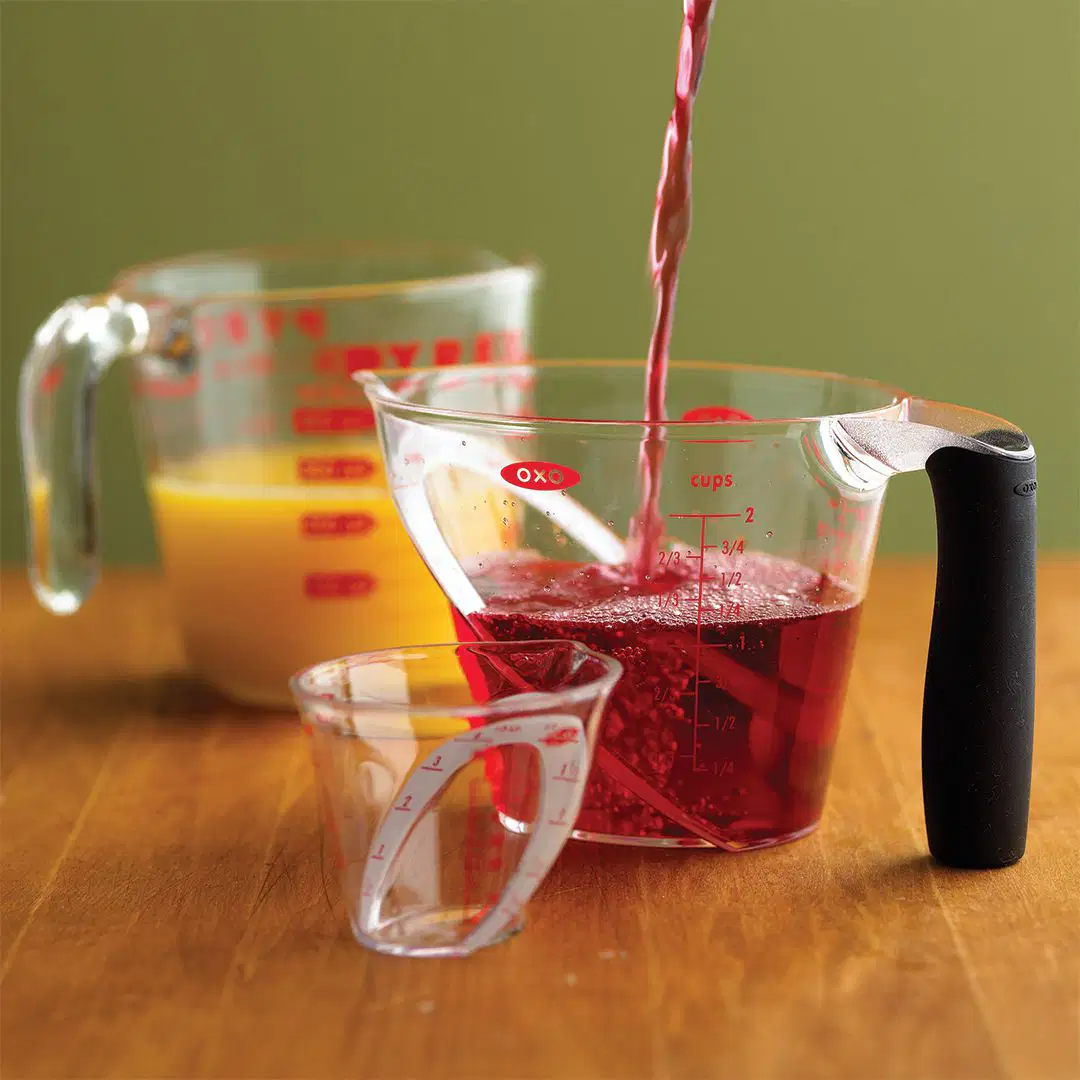
Set liquid measuring cup on a flat surface. Pour liquids in then read the measurement at eye level.
Pour the liquid into the measuring cup until its at the correct line
Pour liquids into the dry measuring up, making sure its on a flat surface
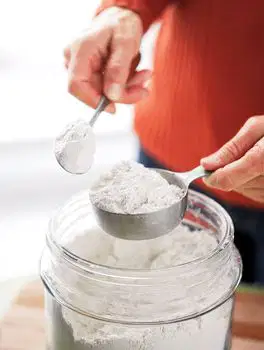
Scoop into a dry measuring cup and then pour into the mixing bowl
First, scoop dry ingredients into the measuring cup, then level it off with a straight edge
Pour into a liquid measuring cup and then read it at eye level


1 cup peanutbutter

What equipment should you use to measure the following: very small amounts of liquid
A
B
C
What equipment should you use to measure the following: 2 Tbsps of salt
A
B
C

Match the following units of measurements to the correct abbreviation
Cups
C
Tablespoons
Tbsp
Pounds
Lbs
Teaspoons
Tsp
Ounces
Oz
Please give the correct measurement conversions
1/3 cup + 1/3 cup = _______ cup
1
2/3
1/2
1/4
1/4 cup + 1/4 cup = ___ cup
1/3
1/2
3/4
1
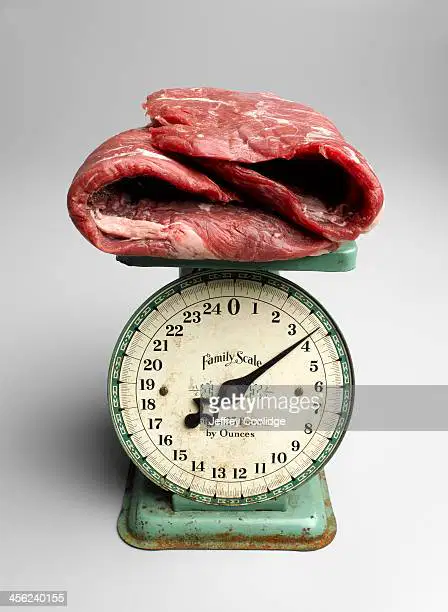
(1 lb) One pound = how many ounces?
8 oz
12 oz
16 oz
Please check all of the culinary units of measurements.
Yield
Cups
Temperature
Tablespoons
Teaspoons

What is one of the the most important sanitation rules to follow to prevent foodborne illness?
Do not prep food with wet hands.
Don't put your fingers in your mouth.
Make sure your cutting board is dry.
Maintain proper personal hygiene standards.
What are the most important aspects of food preparation to keep food safe ?
Sanitation and prevention of cross contamination.
Prepare food while using gloves.
Food Saftey

(a) is an illness carried or transmitted to people by food
What action is the starting point to sanitation?
Wearing clean cloths.
Prepping food on a clean cutting board.
Washing your hands.

What is the proper way to wash hands?
Use soap and water. Rub vigorously for a few seconds before rinsing and drying well
Use soap and warm water. Rub vigorously for 20 seconds before rinsing and drying well
Use warm water. Rub vigorously for 20 seconds before rinsing and drying well

Cutting meat and raw vegetables on the same cutting board may cause cross contamination and foodborne illness.
True
False
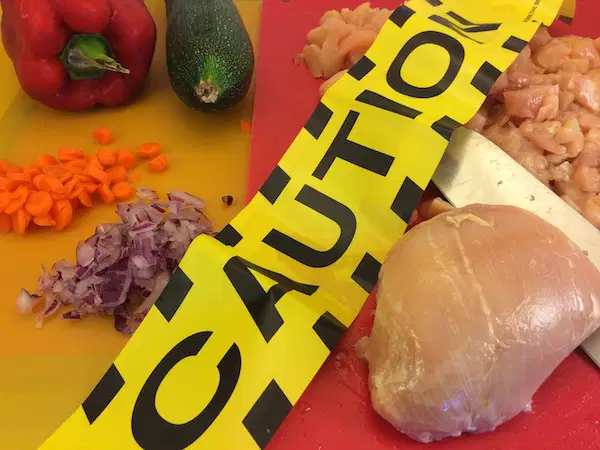
(a) occurs when harmful bacteria spreads from one food to another.
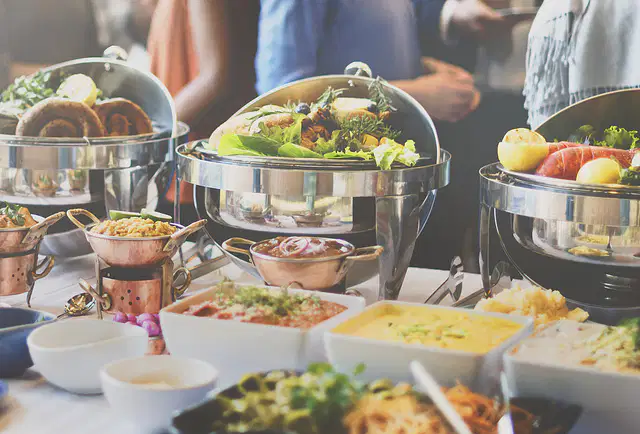
At what temperature should hot foods be kept hot when serving foods?
120 F or higher
160 F or higher
140 F or higher
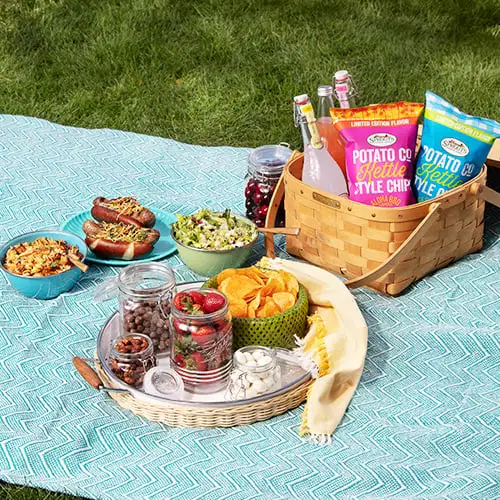
Mason, Maya, and Jackson had a picnic and left some perishable food out for too long. What should they do with the food?
Place food in the refrigerator until it returns to a safe temperature.
Cook food until it reaches 160 F
Always throw food that has been left out too long in the trash.
________ is a method used for long term storage, preserving food by lowering the temperature to 0 F to inhibit microorganism growth.
Refrigeration
Icing
Freezing
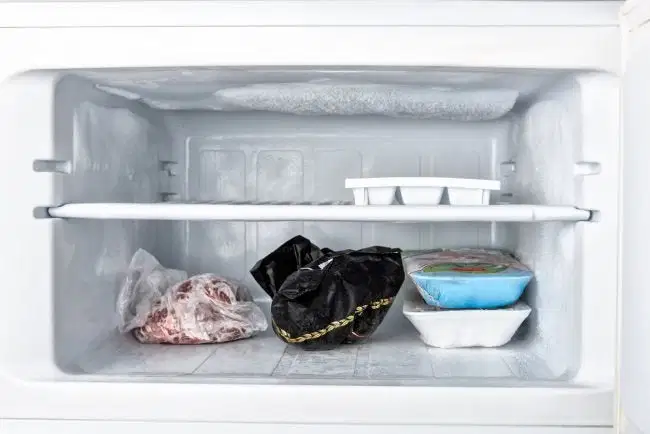
A freezer maintains food temperatures at ____
40 F
0 F
32 F
A refrigerator should maintain a temperature no higher than
40 F
28 F
50 F
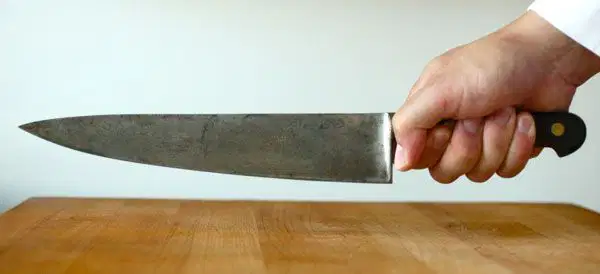
What is the proper grip called when holding a chefs knife?
(a)
What is the correct and safe way to hold a knife while walking.
Close to your body down at your side
Facing down at your side walking slowly.
Blade facing down held close to your body at your side.
Match the Knife Cuts
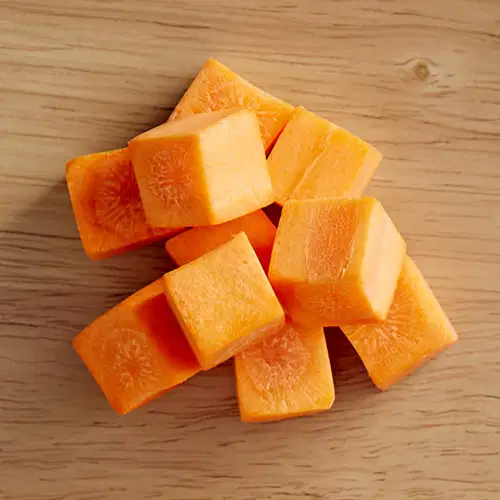
Large Dice
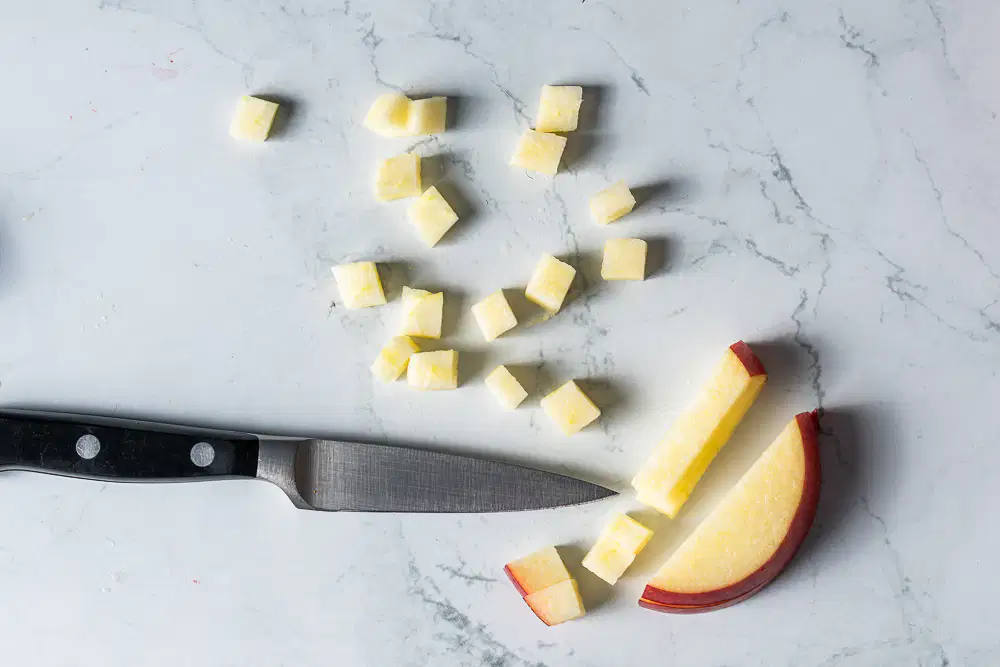
Small Dice
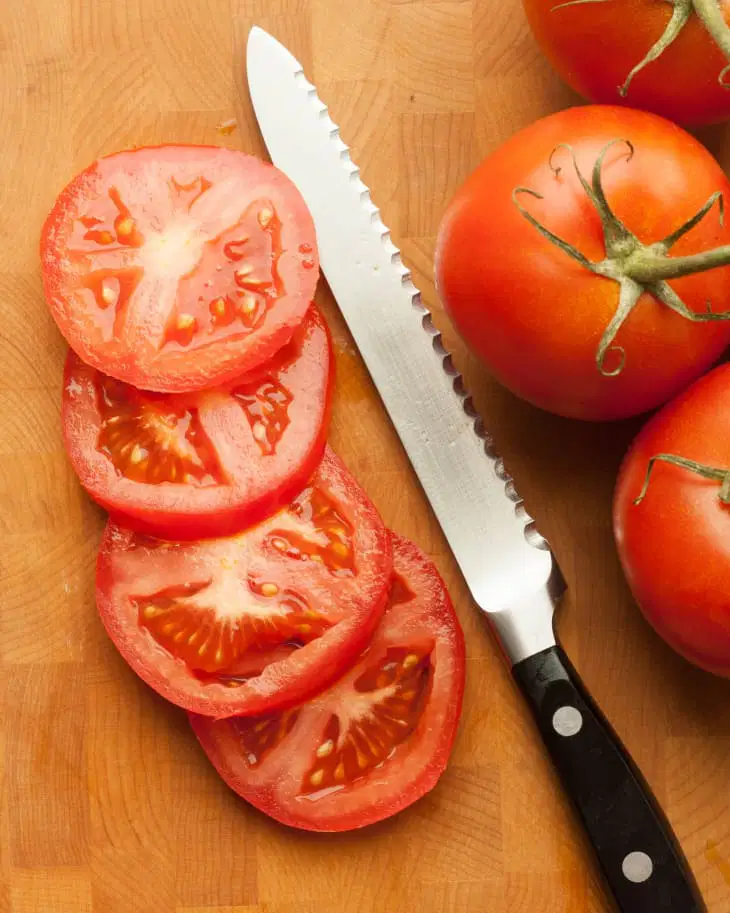
Slice
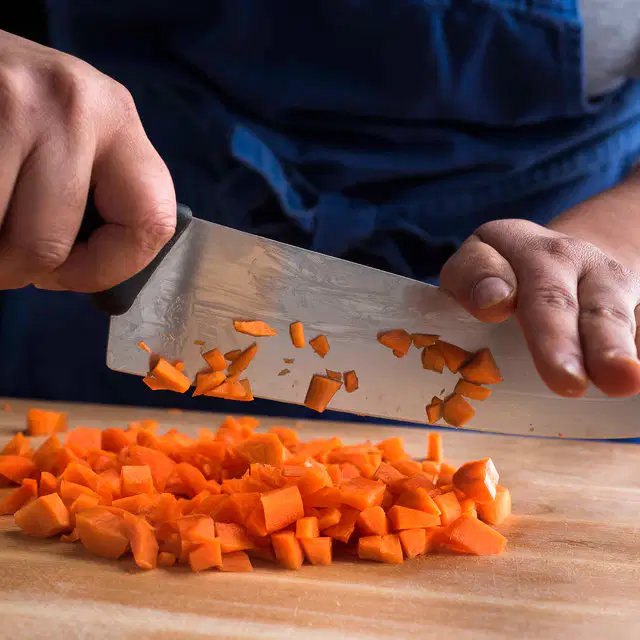
Chop
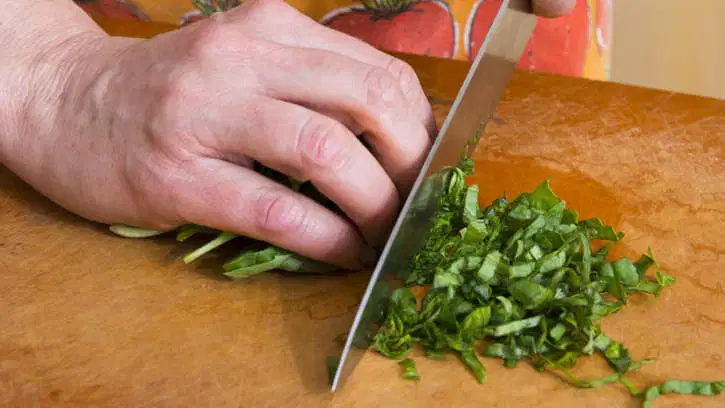
Chiffonade

Aria is preparing to chop vegetables for dinner. To stabilize her cutting board and keep it from sliding around, she should place a (a) underneath it.

What kind of cooking method is baking?
Conduction
Dry Heat
Moist Heat
Convection

Match the following food temperature zones.
Temperature danger zone for all foods.
40°-140°
Temperature for reheating foods.
165°
Temperature for holding hot foods to serve.
140° and above
Temperature to store cold foods.
40°-32°
Temperature zone for cooking foods safely.
145°-165°

What is the boiling point at sea level?
112 f
315 f
212 f
Match the following cooking techniques to the correct cooking methods.

Dry Cooking Method

Combination Cooking Method

Moist Cooking Method

What is the correct way to cook pasta ?
Pasta should be conduction cooked while water is at a rapid boil.
Pasta should be convection cooked while the water is at a rapid boil.
Pasta should be convection cooked while the water is simmering.

Sauté is a French word that translates to
Cook
Sizzle
Brown
Jump
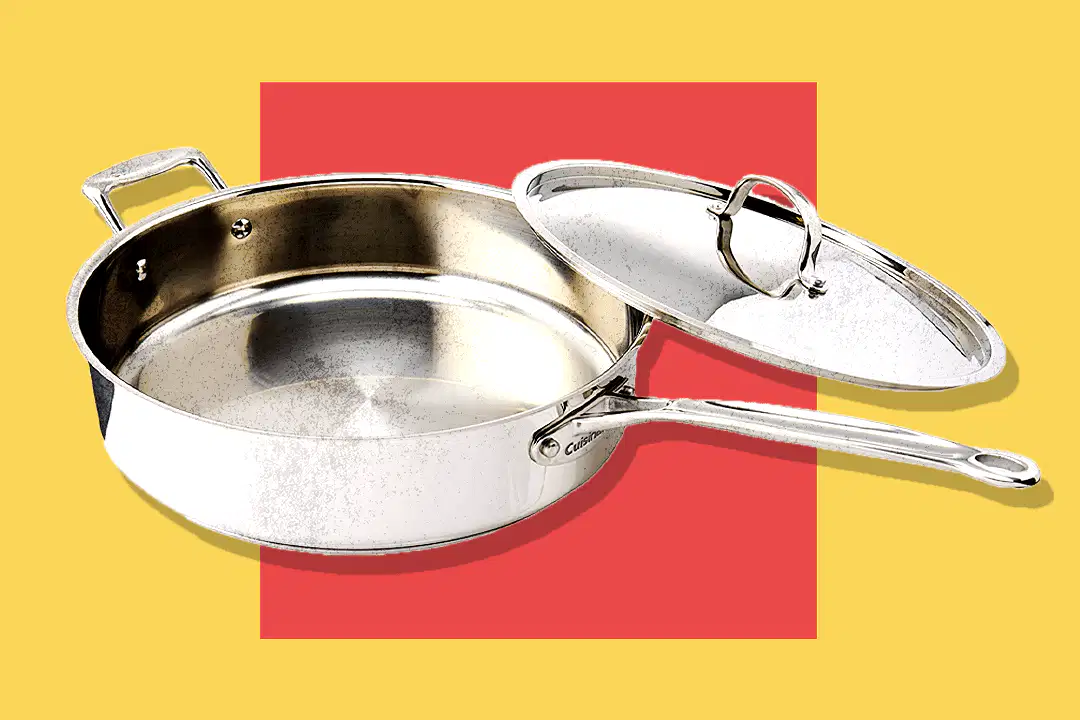
Mia is hosting a dinner party and wants to sauté some vegetables. Michael suggests she should know the right temperature to heat the sauté pan. What should be the temperature?
High heat
Medium to medium high heat
Low to medium heat
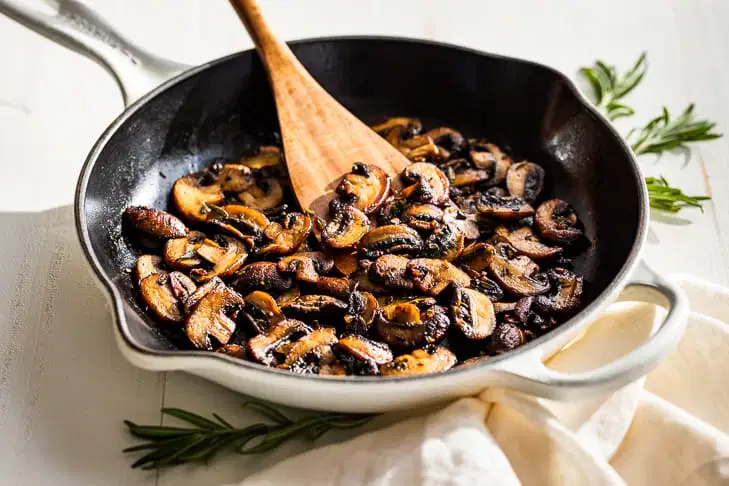
Abigail is learning to cook and decides to sauté vegetables. What should she do to ensure the food cooks correctly?
Stir or flip food frequently.
Make sure ingredients are cut evenly.
Make sure pan is at medium high heat.
All of the above.
Which of the following are kinds of leavening agents? Check all that apply.
Air
Whisking
Baking Soda
Steam
Proofing
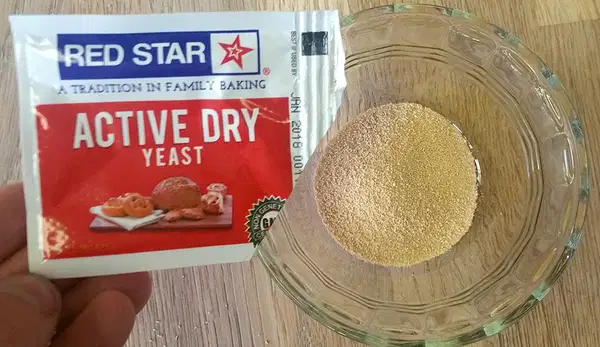
What is the nature of yeast as a leavening agent?
Biological
Physical
Chemical
Baking soda and baking powder are what type of leavening agent ?
Alive
Dead
A chemical powder
Leavening agents cause a chemical reaction in recipes that creates what type of gas?
oxygen
nitrogen
carbon dioxide
When using baking soda and baking powder as a leavening agent, the "rising" happens
Before baking
During baking
After baking

Leavening agents react with "acidic" ingredients to give breads, pancakes and cookies a "lift" during the cooking process.
True
False
Yeast uses a biological reaction to produce carbon dioxide.
Baking soda and powder uses a chemical reaction to produce carbon dioxide.
True
False
When yeast is used as a leavening agent, most of the "rising" happens ...
Before baking
During baking
After baking

Baking Soda reacts to acidic ingredients such as yogurt or buttermilk to produce carbon dioxide.
True
False

What is developed as flour is mixed with liquid to form strong elastic strands responsible for breads chewy texture?
Texture
Air Bubbles
Gluten
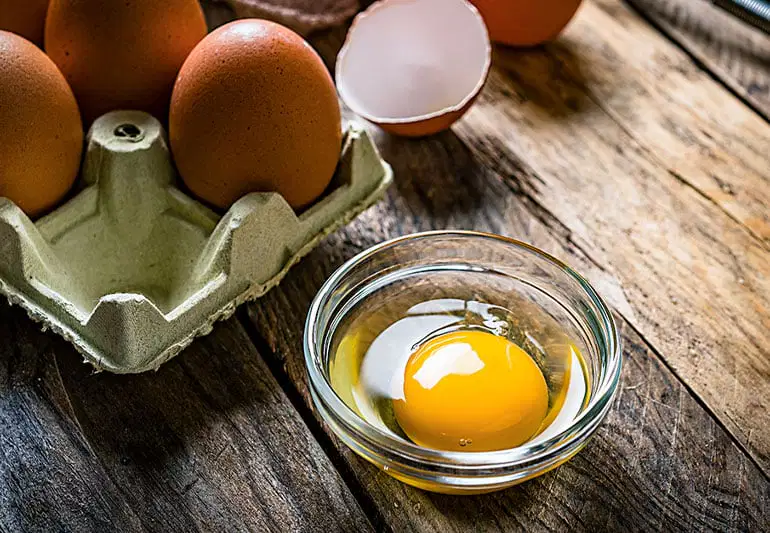
Eggs are a "multitasker" in baked products responsible for
adding flavor color, tenderness and richness.
creating and emulsion, binding liquids and fats to keep batters from separating.
adding volume and structure
all of the above.

The Mayan word " Chia" means?
Health
God
Strength

Match the words with the correct definition. You should recognize these from your Chia Seed Nearpod.
What is the slimy substance chia seeds produce when introduced to liquids?
Mucilaginous Fiber
Having a tendency to mix with, absorb or dissolve in water.
Hydrophilic
Mostly found in plant foods. They are natural molecules that help neutralize harmful free radicals in our bodies.
Antioxidant

One difference between Stir Frys and Sauté's is that Stir Frys always use ingredients that are chopped small where as in Saute's the ingredient size can vary.
True
False
Match the following. Chemical, Physical or Biological Hazards?
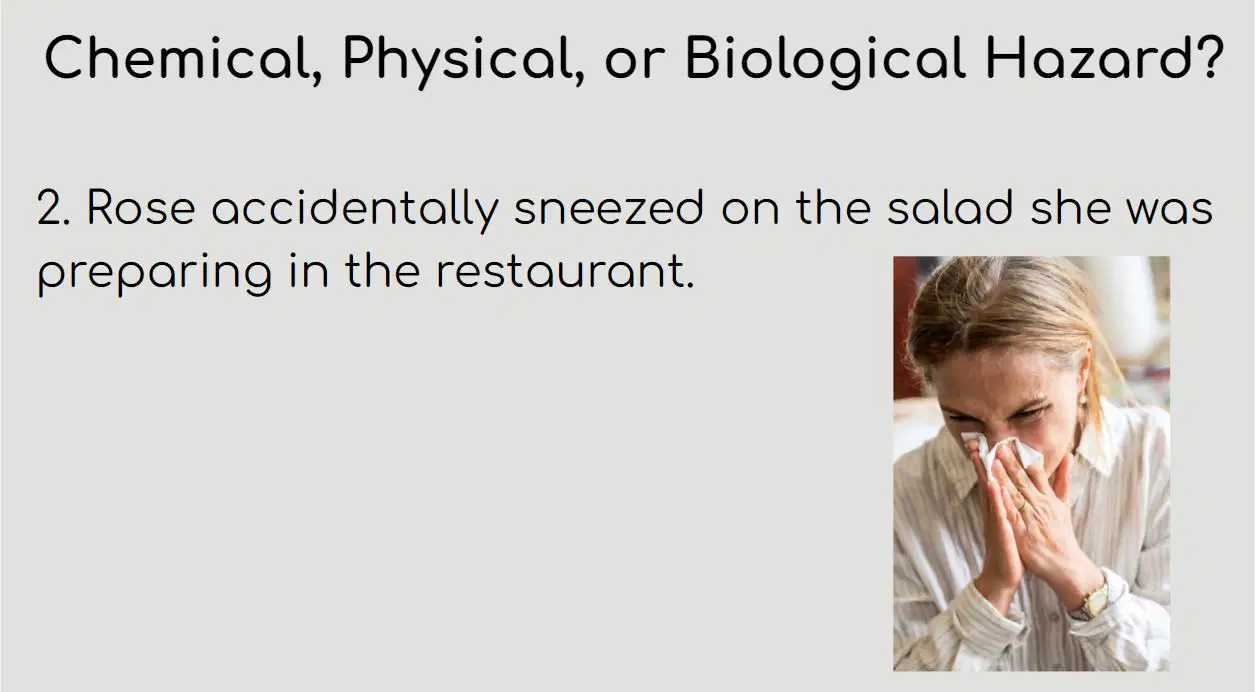
Biological

Chemical
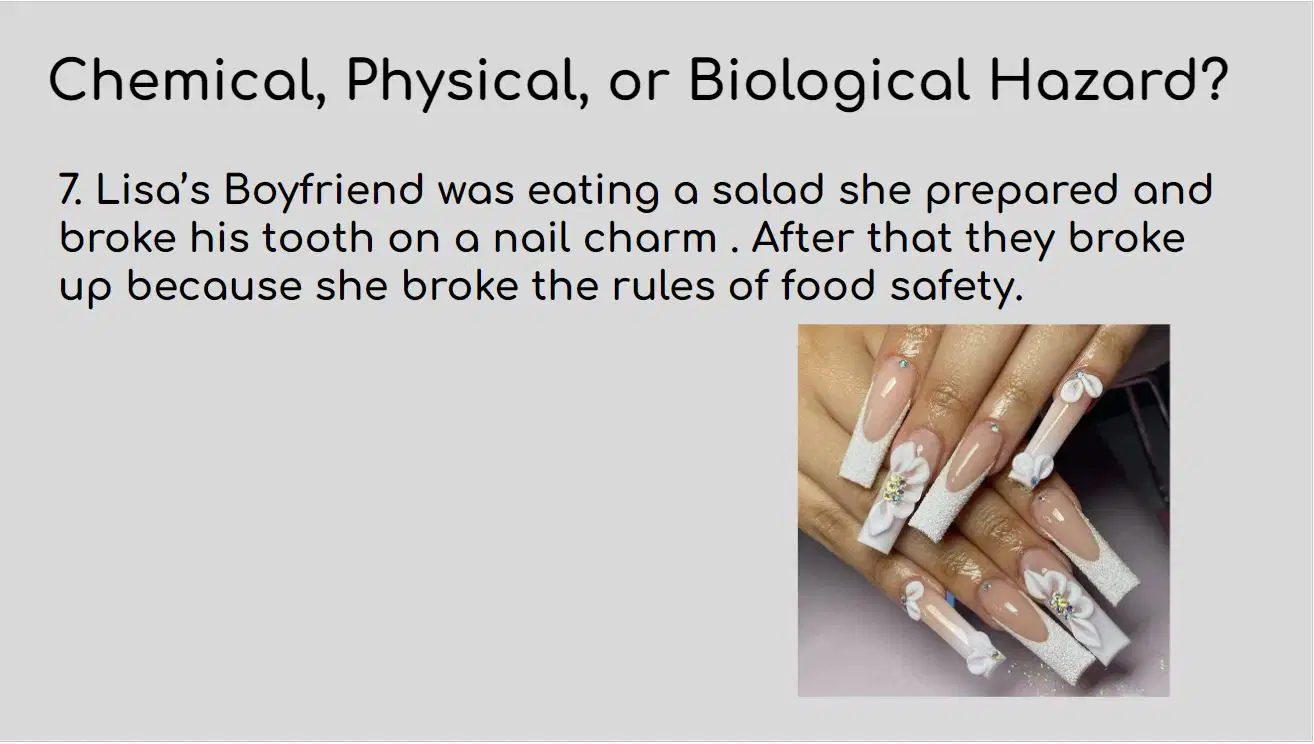
Physical
Match the following. What is seasoning and flavoring food? Know the difference. How do we concentrate flavors?

Season

Flavor

Reduction

Which country is most closely associated with the origin of stir-frying?
France
Italy
China
Spain
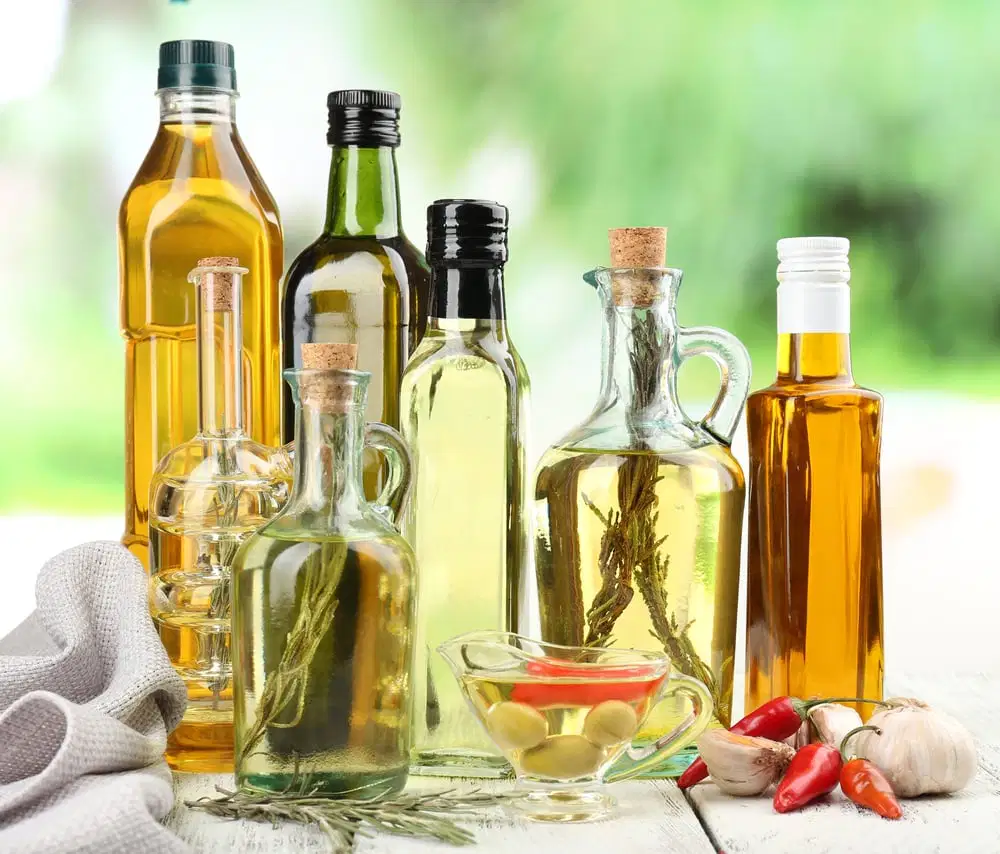
Which two oils or fats are most traditional for sautéing in French cuisine?
Butter
Sesame Oil
Olive Oil
Peanut Oil

Which best describes the typical heat level for stir-frying?
Low and slow
Medium and steady
Very high, almost smoking
High, but with a lid on

What is the primary reason for constant movement of ingredients in a stir-fry?
To create fond for a sauce
To prevent sticking and ensure quick, even cooking
To build flavor
To keep moisture inside the pan

