
Font size
 Worksheets
First Aid/CPR AED test review
Total questions: 30
Worksheet time: 17mins
A ____ ______ is the most serious heat-related illness, which occurs when the body becomes unable to control its temperature: the body's temperature rises rapidly, the sweating mechanism fails, and the body is unable to cool down.
(a)
What condition causes your airways to narrow, swell and produce extra mucus?
sprain
hypothermia
asthma
heat exhaustion
A quick abnormal electrical activity in the brain that happens quickly is known as...?
seizure
stroke
abrasion
anaphylaxis

An injury caused by the freezing of the skin and underlying tissues.
hypothermia
first degree burn
frostbite
second degree burn

What is this a picture of?
strain
open fracture
sprain
fracture
A medical emergency that occurs when your body loses heat faster than it can produce it, is called.....
hyperthermia
hypothermia
frostbite
cold exhaustion
A ________ ________ is a broken bone that breaks through the skin and tissue.
(a)
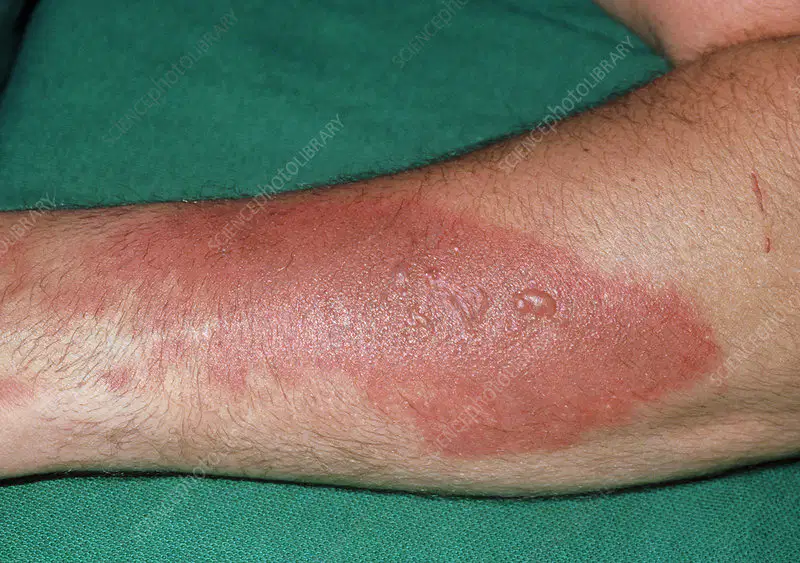
What is this a picture of?
1st degree burn
2nd degree burn
3rd degree burn
4th degree burn
True or false: A sprain is a joint injury to the ligaments to the knee, ankle, elbow, shoulder or wrist.
true
false
Fluid filled wounds are known as....
contusions
lacerations
punctures
blisters
This type of burn only impacts the epidermis.
1st degree
2nd degree
3rd degree
4th degree
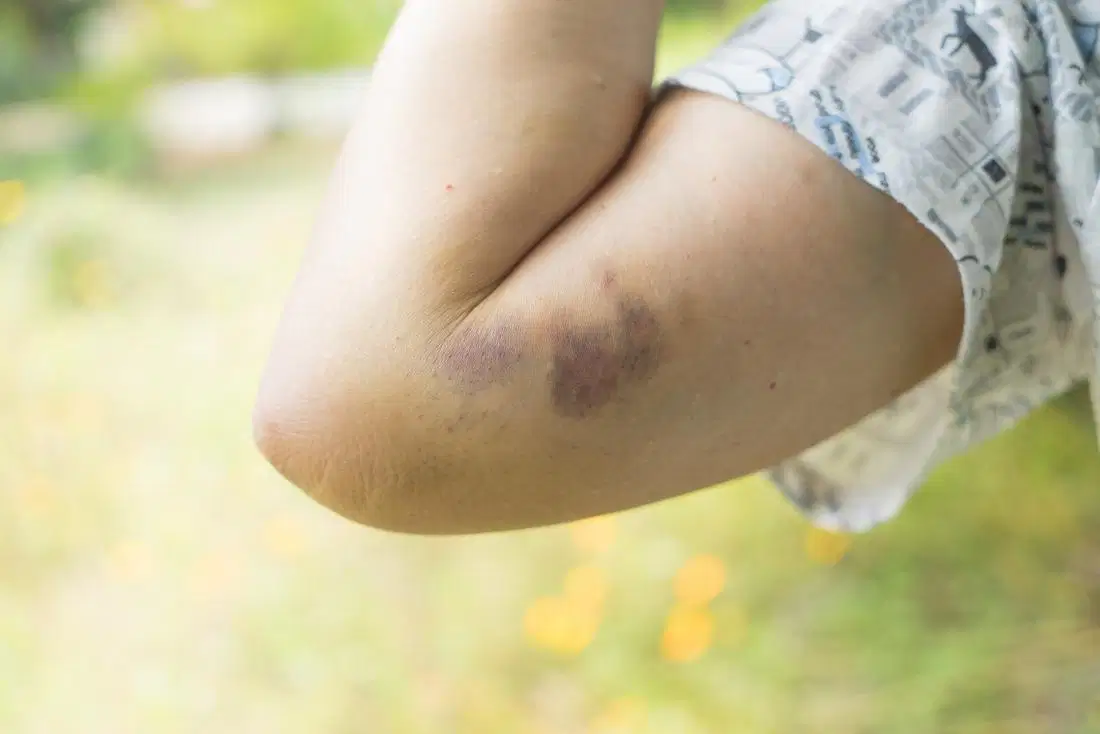
What is this a picture of?
blister
contusion
laceration
puncture
What does AED stand for?
automatic external defibrillator
defibrillator
accessible external device
automated external defibrillator
What is a hole in the skin caused by an object called?
fracture
puncture wound
abrasion
blister
What are the 3 C's?
check call care
check clean care
call check clean
What is a form of artificial ventilation by giving the body oxygen using mouth to mouth?
abdominal thrusts
back blow
chest compressions
rescue breaths
When the throat is blocked by an object, liquid or fluid it is known as?
asthma
choking
diabetes
mouth to mouth
The ____ _________ ___ protects individuals who volunteer to provide care/ reasonable assistance to a victim.
(a)
_______ ______ is when the heart stops beating suddenly.
(a)
Police, fire and ambulance attendants are all examples of what?
doctors
certified assistances
EMS
helpers
Unusual sounds, sights, odors appearances or behaviors could mean this exists.
emergency
fracture
EMS
Check call care
What does ABC mean?
airway breathing compressions
airway breathing circulation
airway break compressions
access breathing compressions
A prepared medical needle used during allergic reactions, is called a...?
Vape
E-Pen
Epi Pen
Barrier
Inward and upward compressions against the diaphragm are....?
back blows
choking
external resuscitation
abdominal thrusts
All are reasons to stop CPR, except...
victim has a pulse
EMS arrives
start back blows
too tired
How long should you check the victim?
1 second
10 seconds
5 seconds
1 minute
What does CPR stand for?
Cardio Pulmonary Resuscitation
Check pulse response
Compressions Per Round
Cycles Per Respiration
When you tap and shout what are you checking for?
Breathing
Pulse
Consciousness
Severe Bleeding
The following are causes of heart disease, except...
smoking
poor diet
lack of exercise
sleeping more
Where do you place your hands during compressions when performing CPR?
right side of the chest
the back
left side of chest
center of chest

