Wayground logo

Free Printable Worksheets

Font size

S
M
L
XL
Worksheets

SPIRAL 1

Total questions: 44

Worksheet time: 26mins
Name
Class
Date
1.
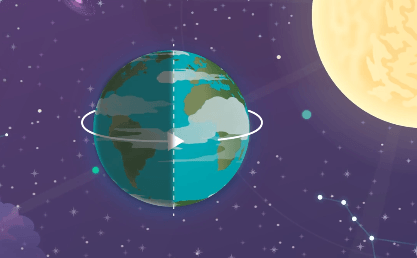
The Earth is rotating on its axis, creating _____
a)
the 12 months
b)
the years
c)
the seasons
d)
day and night
2.

When the Earth completes a full revolution around the Sun, it has completed _____ rotations or days

a)

7

b)

30

c)

91

d)

365

3.

Choose the image that has the most gravitational pull:

a)
b)
4.
What does ROTATION mean?
a)
To SPIN
b)
To ORBIT or GO AROUND
5.
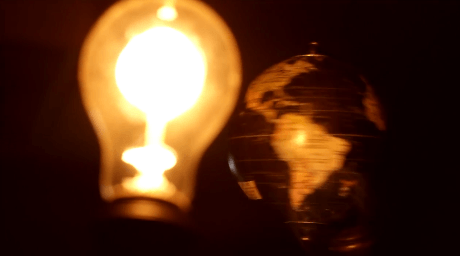
An object that does not allow light to pass through
a)
transparent 
b)
clear
c)
opaque
d)
translucent
6.
This type of object lets some light through, but not all. It is not easy to see through this type of material.
a)
transparent
b)
translucent
c)
co-parent
d)
opaque
7.
If an object allows most all light to pass through it then it is...
a)
transparent
b)
opaque 
c)
translucent
d)
cold
8.
A block of wood is opaque.
a)
true
b)
false
9.
A brick is
a)
transparent
b)
translucent
c)
opaque
10.
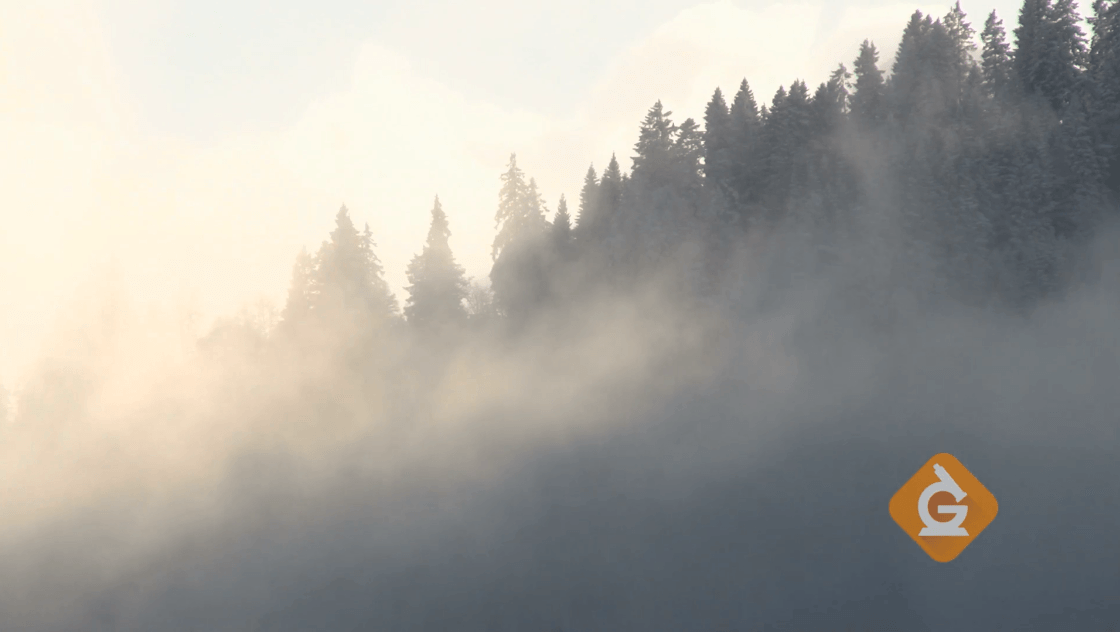
Sometimes in the morning, my car windows are fogged up. This allows me to see some of the road, but it is not very clear. This means my window is now ________________________.
a)
transparent
b)
Translucent
c)
Opaque
11.

How many moons does planet earth have ?


Cuantas lunas tiene planeta tierra ?

a)

79

b)

1

c)

82

d)

74

12.

What is the smallest planet ?


¿Cuál es el planeta más pequeño?

a)

Moon\Luna

b)

Mercury\Mercurio

c)

Earth\Sun

d)

Jupiter\Jupiter

13.
Which planet is known for it's red, rust covered surface?
a)
Venus
b)
Mercury
c)
Mars
d)
Jupiter
14.
which planet is the third from the sun?
a)
Mercury 
b)
Neptune 
c)
Pluto 
d)
Earth 
15.
Which is the hottest planet?
a)
Mercury
b)
Venus
c)
Earth
d)
Neptune
16.
Water vapor is water in which form?
a)
liquid
b)
gas
c)
solid
d)
tiny droplets
17.
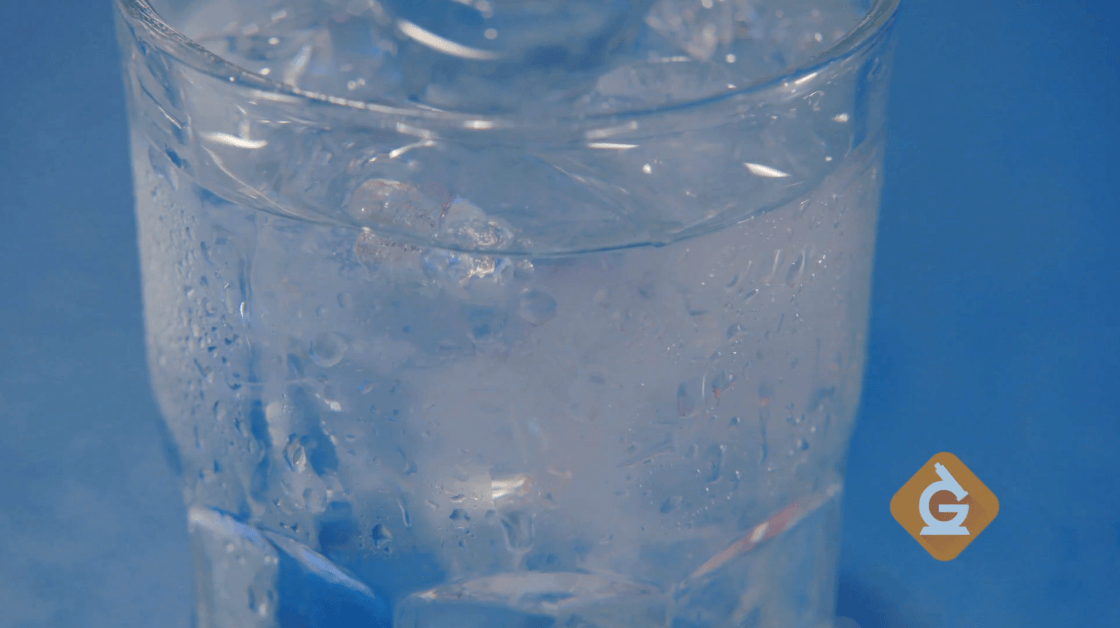
What is it called when a gas turns into a liquid?
a)
evaporation
b)
freezing
c)
boiling
d)
condensation
18.
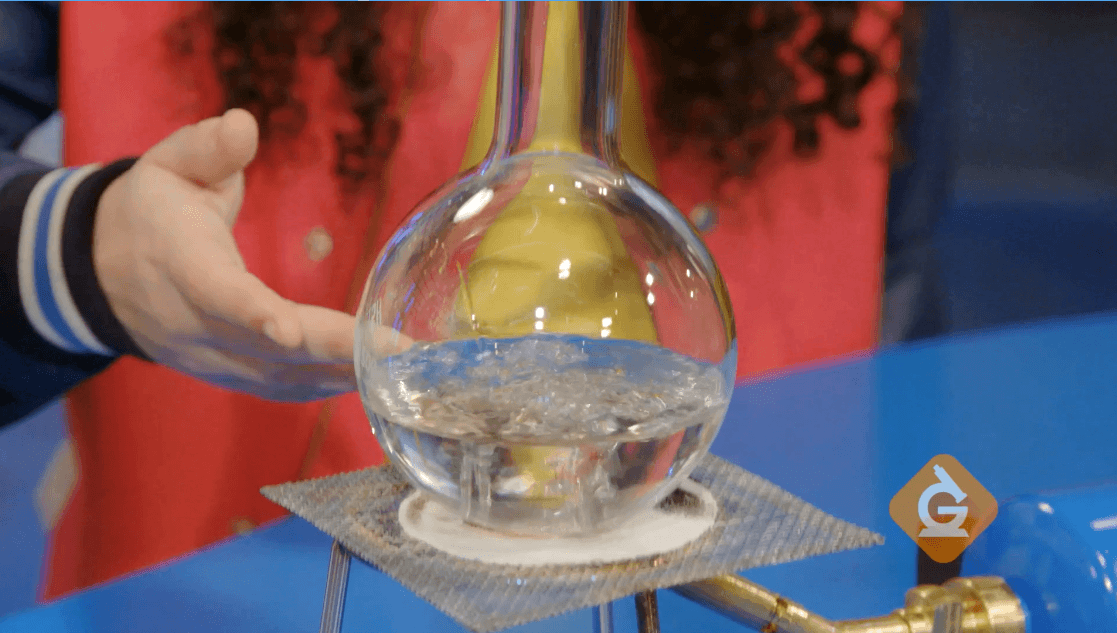
When water forms water vapor, what process is happening?
a)
evaporation
b)
condensation
c)
freezing
d)
melting
19.
What is the constant motion of water condensing and evaporating all around us called?
a)
aquatic cycle
b)
water migration
c)
distillation apparatus
d)
water cycle
20.

One advantage of solar and wind power over fossil fuels is that

a)

wind and solar are presently much less expensive than fossil fuels.

b)

wind and solar come from natural processes and fossil fuels do not.

c)

wind and solar are nonrenewable resources and fossil fuel are renewable.

d)

wind and solar are continuously renewable and fossil fuels take millions of years to be formed.

21.

Renewable or Nonrenewable: Water

a)

Nonrenewable

b)

Renewable

22.

Renewable or Nonrenewable: Sunlight

a)

Renewable

b)

Nonrenewable

23.

Fossil Fuels produce carbon dioxide that pollutes the atmosphere.

a)

Advantage

b)

Disadvantage

24.

Wind energy is pollution free.

a)

Advantage

b)

Disadvantage

25.

Which of the following is not a type of rock?

a)

Igneous

b)

Weathering

c)

Sedimentary

d)

Metamporphic

26.

Which type of rock are intrusive and extrusive associated with?

a)

Metamorphic

b)

Sedimentary

c)

Igneous

d)

Sandstone

27.

Weathering means to?

a)

Wind up

b)

Break down

c)

Roll Over

d)

Jump Up

28.

True or False, All rocks can be weathered?

a)

True

b)

False

29.

What is needed for Metamorphic rock to form?

a)

Heat and Pressure

b)

Weathering

c)

Compacting

d)

Magma

30.

Which type of rock is produced from cooled magma?

a)

Sedimentary

b)

Igneous

c)

Happy Rocks

d)

Metamorphic

31.
The thinnest layer of the Earth is the ___________.
a)
mantle
b)
crust
c)
core
32.
What is the thickest layer of the Earth?
a)
the crust
b)
the mantle
c)
the outer core
d)
the inner core
33.
What is the correct order (starting from the surface) of Earth's layers?
a)
crust, outer core, inner core, mantle
b)
mantle, outer core, inner core, crust
c)
crust, mantle, outer core, inner core
d)
outer core, inner core, crust, mantle
34.

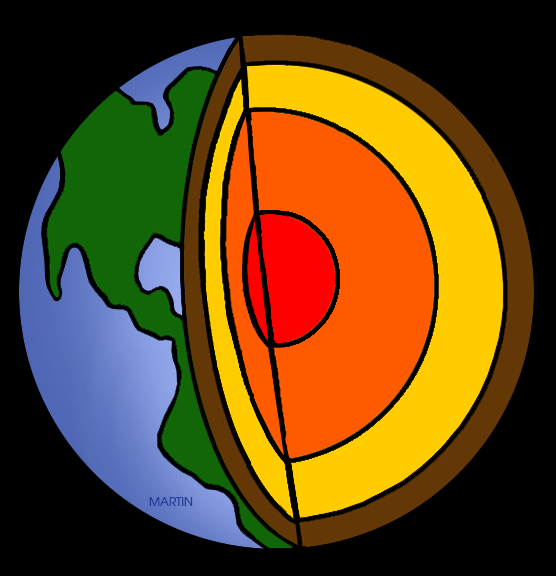
Which layer is shown in red?

a)

crust

b)

mantle

c)

outer core

d)

inner core

35.

Which layer is shown in orange?

a)

crust

b)

mantle

c)

outer core

d)

inner core

36.

Which layer is shown in brown?

a)

crust

b)

mantle

c)

outer core

d)

inner core

37.

How many main kinds of rocks are on earth?

a)

one

b)

two

c)

three

d)

too many to count

38.

The THREE main types of rocks on earth are named . . .

a)

eggneous, sedamentary, metamorfic

b)

igneous, sedimentary, metamorphic

c)

igneus, sedamantary, metemorphic

d)

igneaus, sadimentary, matemorfic

39.

I am the main type of rock that is created from layers of sediment. What type of rock am I?

a)

metamorphic

b)

sedimentary

c)

igneous

40.
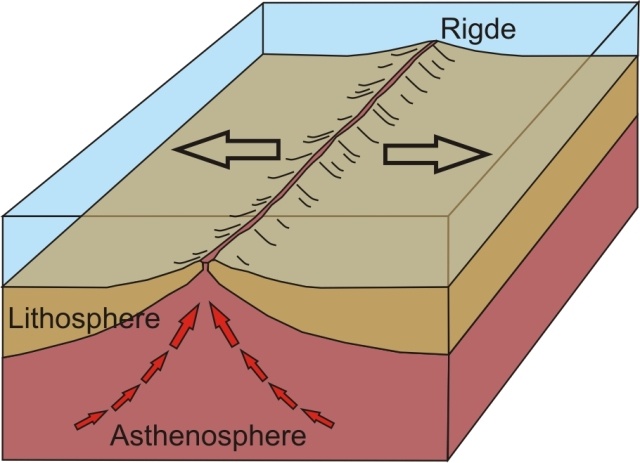
What kind of plate boundary is shown here?
a)
divergent
b)
convergent
c)
transform
d)
subducting
41.
What kind of plate boundary is shown here?
a)
divergent
b)
convergent
c)
transform
d)
submergent
42.
What kind of plate boundary is shown here?
a)
divergent
b)
convergent
c)
transform
d)
strike slip
43.
The San Andreas Fault in California is an example of a ________.
a)
divergent boundary
b)
convergent boundary
c)
transform fault
d)
subduction zone
44.

Which natural occurance causes the tectonic plates to move?

a)

ocean plates subducted under continental plates

b)

convection currents

c)

continental drift

d)

earthquakes