
NEW
Font size
 Worksheets
AP Bio Unit 6 Review
Total questions: 50
Worksheet time: 50mins
A 3-nucleotide sequence from DNA or mRNA that codes for an amino acid is called a
triplet code
template strand
primary transcript
codon
Gene expression can be inhibited by ____ molecules binding to DNA and blocking transcription start sites.
negatrons
terminators
negative oppressors
negative regulatory
The directionality of DNA is ___
parallel
perpendicular
perpetuated
antiparallel
Function of Poly A tail...
Add phosphates to the RNA
Provide ATP for transcription
Protect from hydrolytic enzymes
Site of ribosome binding
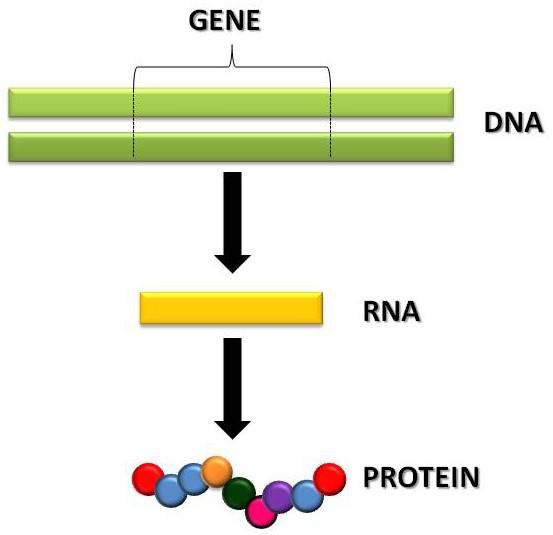
In transcription, which direction is DNA read?
3' to 5’
5' to 3’
C terminus to N terminus
N terminus to C terminus

In the top picture the operon is
on
off
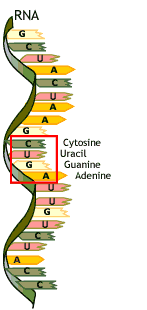
A portion of mRNA that is kept to translate into a protein
Intron
Exon
Protective End
Spliceosome
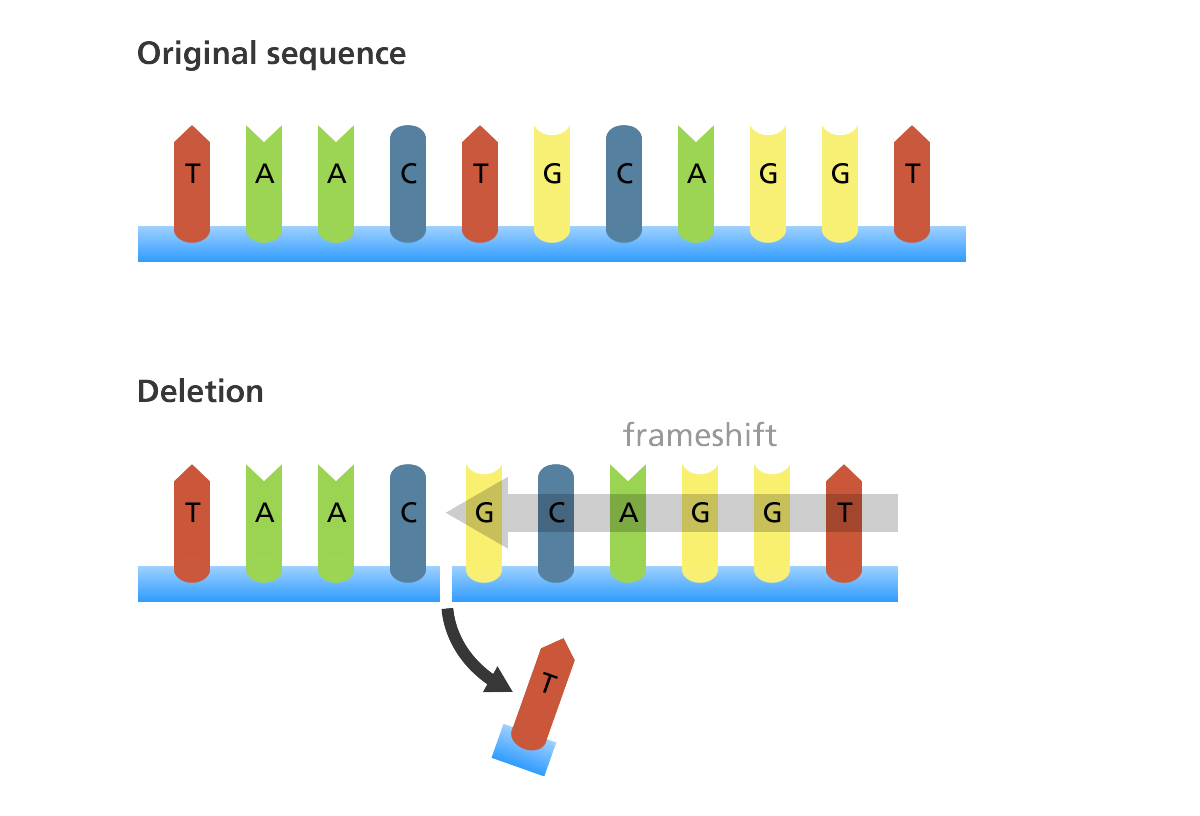
Synthesizes a new protein using instructions on mRNA
translation
transcription
transistor
transylvania
What is 1 (the YELLOW molecule) in the diagram?
RNA polymerase
Inducer
Repressor
Operator
Function of 5' Cap...
Add phosphates to the RNA
Provide ATP for transcription
Protect from hydrolytic enzymes
Site of ribosome binding

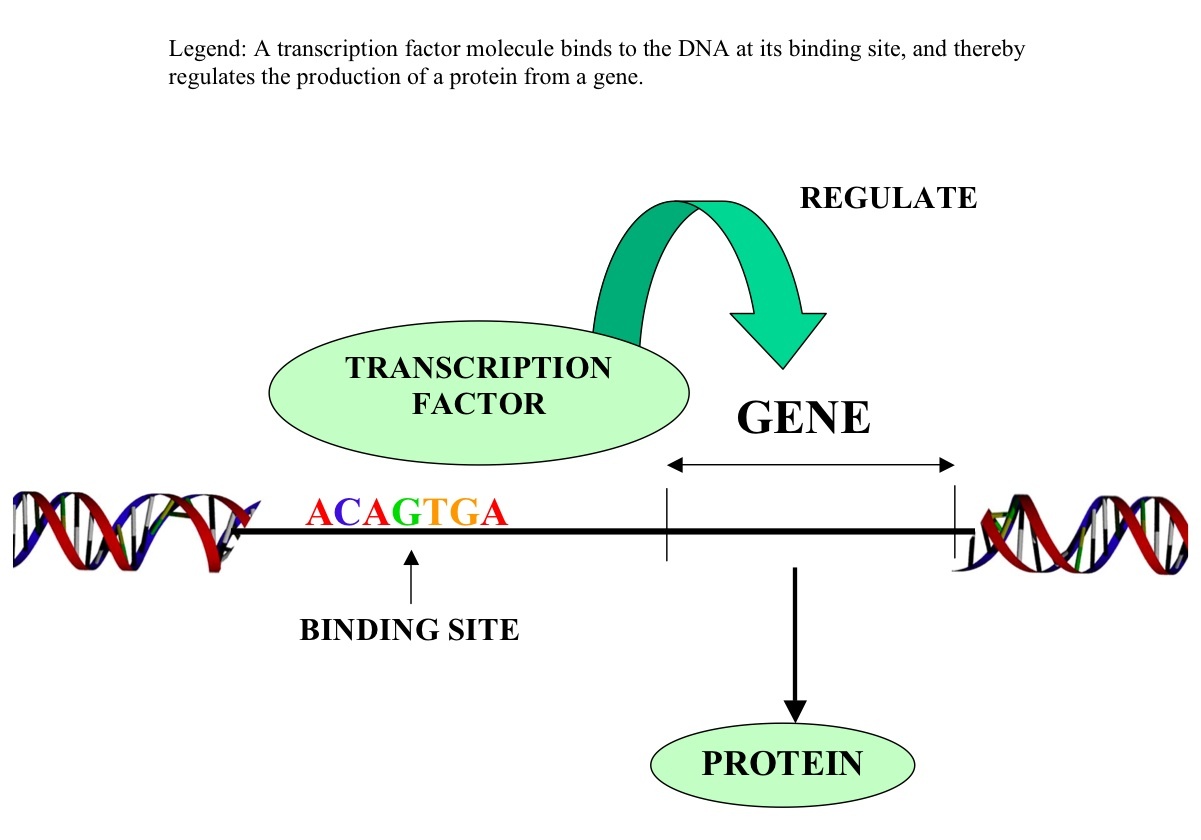
In eukaryotes, DNA is tightly coiled around ____ in chromatin
Histones
Whey
Casein
Hemoglobin
Changes in the DNA and gene expression will eventually affect:
regulators
phenotype
inhibitors
expressors
Enhancers are short regions/segments of DNA that allows for the binding of activators. What are enhancers?
transcription factors
corepressors
inhibitors
control elements
What are the base pairing rules in DNA?
adenine pairs with thymine, guanine pairs with cytosine
cytosine pairs with adenine
thymine pairs with guanine
adenine pairs with cytosine, thymine pairs with guanine
Which molecule carries genetic information from DNA to the ribosome?
transfer RNA
messenger RNA
ribosomal RNA
nuclear RNA
Another word for the DNA strand that is being "coded" into RNA is __.
coding strand
plus strand
antisense strand
sense strand
Cancer occurs when
damaged DNA can't function normally
damaged DNA makes deformed proteins
damaged DNA stops replicating
damaged DNA is unchecked and cells continue to replicate uncontrollably
The enzyme that attaches new nucleotides to growing strands of new DNA is called ___.
polymerase
topoisomerase
helicase
ligase
What can result from changes in the number of chromosomes of humans?
cancer
heart disease
down syndrome
diabetes
Translation occurs in the ___ of the cell.
Golgi bodies
mitochondria
nucleus
ribosomes
Before translation can occur, messenger RNA undergoes a series of modifications, which one does NOT apply?
addition of a GTP cap
addition of a poly-A tail
excision of exons
excision of introns
A common operon discussed in prokaryotes which results in the breakdown of lactose is ___.
the milk operon
the lactase operon
the trp operon
the lac operon
Transcription uses enzymes to create ___ from DNA.
proteins
mRNA
rRNA
tRNA
DNA replication is referred to as ___, because one strand serves as a template for another.
recyclable
template
conservative
semiconservative
When can a mutation have a positive impact?
when the mutation decreases the survival for an organism
when the mutation occurs repeatedly
when the mutation increases survival for an organism
when the mutation has no affect on survival of an organism
What is the difference between DNA polymerase III and DNA polymerase I?
DNA polymerase III creates DNA nucleotides for replication after initiation with the DNA primer; DNA polymerase I edits any mistakes DNA polymerase III makes and replaces the RNA primer with DNA nucleotides
DNA polymerase I creates DNA nucleotides for replication after initiation with the DNA primer; DNA polymerase III edits any mistakes DNA polymerase I makes and replaces the RNA primer with DNA nucleotides
DNA polymerase I creates the nucleotides responsible for the leading strand; DNA polymerase III creates the nucleotides responsible for the lagging strand
DNA polymerase III creates the nucleotides responsible for the leading strand; DNA polymerase I creates the nucleotides responsible for the lagging strand
Where do repressors bind to on an operon?
operator
control elements
start codon
promoter
If DNA is found in all cells, why are cells different from each other?
some genes don't code for anything
cells are all the same
some genes are turned off, while others are turned on in each cell
all genes are always active
What does gene regulation result in?
different gene expression and different products (proteins) in various cells
different gene expression with the same function in all cells
various specialized cells having the same function
the same gene expression in all cells
When RNA is processed, what is added to the 5’ end after transcription?
poly-A tail
telomeres
TATA box
GTP cap
Changes in the DNA and gene expression will initially affect which area first?
junctions
gene and gene products
phenotype
linkage
What affect can mutations have on an organism?
positive
negative
neutral
all of the above
What is the function and purpose of DNA polymerase I?
DNA polymerase I add a DNA primer that allows for replication to thoroughly begin
DNA polymerase I edits the nucleotides placed by DNA polymerase III and replaced the RNA nucleotides placed by the RNA primer
DNA polymerase I goes back and connects the Okazaki fragments by acting as its glue
DNA polymerase I adds the corresponding nucleotides needed to create a new strand of DNA
DNA is synthesized in a ___ direction.
3' to 5'
leading to lagging
lagging to leading
5' to 3'
Specialized ___ molecules bind to specific amino acids and attach them to the correct sequence of mRNA.
rRNA
tRNA
polymerase
intron
RNA is built using enzyme ___, which adds free nucleotides to a growing strand of RNA transcribed from DNA.
RNA topoisomerase
RNA ligase
DNA polymerase
RNA polymerase
DNA is read from ___.
3' to 5'
5' to 3'
they can be interchanged
none of the above
Where does the mRNA head to after it has been spliced?
it is degraded
into the cytoplasm
it stays in the nucleus
it heads to the vacuole
DNA "supercoils" when wound into chromosomes. ___ is an enzyme that unwinds supercoiling so that it is accessible to replication enzymes.
topoisomerase
polymerase
helicase
ligase
___ is the process of making RNA out of DNA.
alternative splicing
replication
translation
transcription
Which is not a step of polymerase chain reaction?
extension
annealing
denaturation
termination

