
 Worksheets
FI SC (BI)
Total questions: 26
Worksheet time: 13mins

The diagram below shows a hazard warming symbol.Which of the following is the meaning of the symbol?
A.
Irritant
B.
Corrosive
C.
Flammable
D.
Toxic
Which of the following represents the prefix value of kilo?
A. 10
B. 100
C. 1000
D. 10000
Which of the following physical quantities is S.I. unit?
A.
Kelvin
B.
Minutes
C.
Gram
D.
Kilometre
4.Which statement is true about mass?
A.
The total volume of an object
B.
The total surface area of an
object
C.
The gravitational force acting on an obj
D.
The amount of matter contained in an object
Which of the following is not a step in scientific investigation?
A.
Writing a report
B.
Forming a hypothesis
C.
Manipulating the result
D.
Making a smart guess
6. Belows are examples of natural phenomena EXCEPT
A. flash floods
B. volcanic eruptions
C. Occurence of day and night
D. car movement
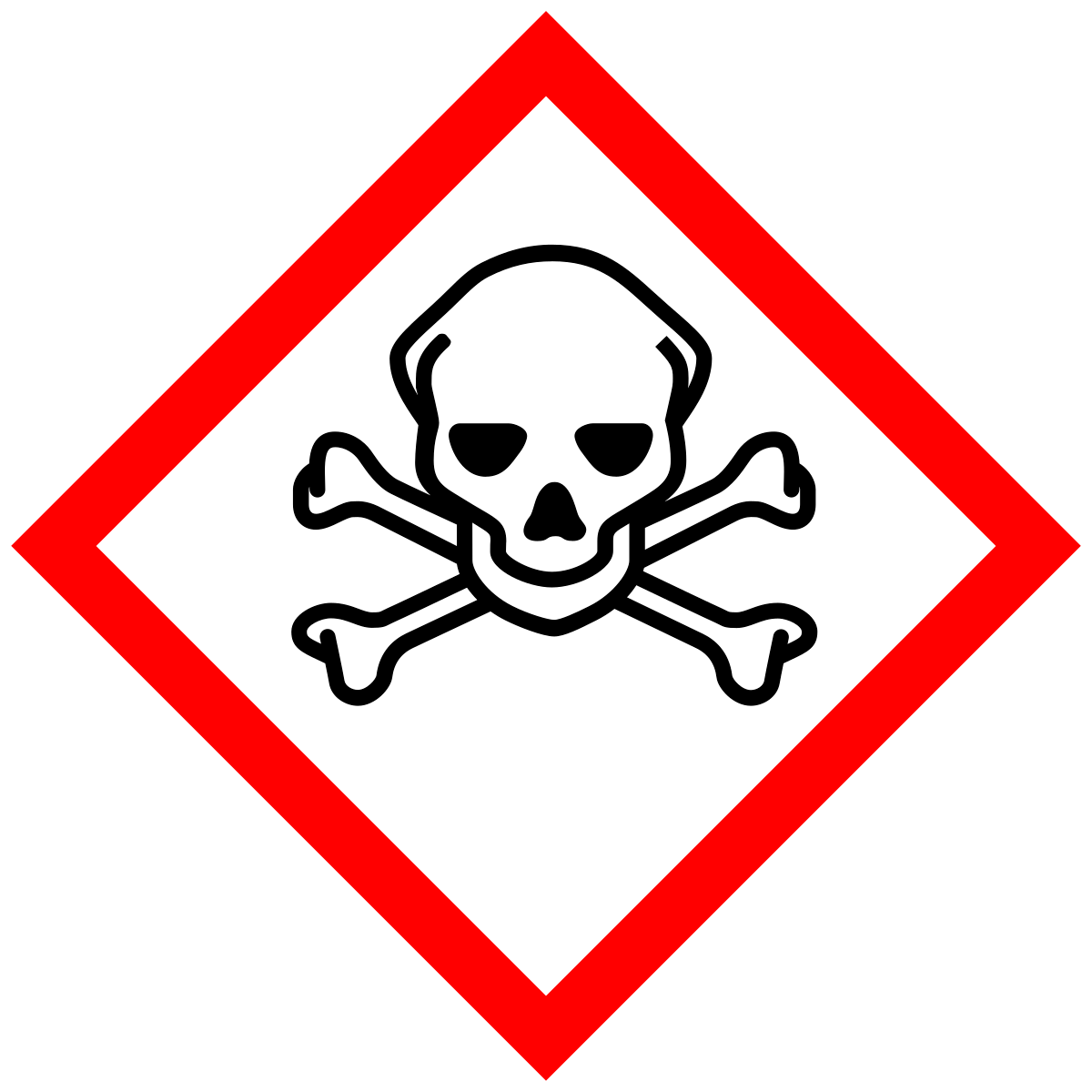
The above hazard symbol means ......
explosive
flammable
toxic or poisonous
corrosive
which of the following apparatus can be used to measure the volume of liquids?
A. measuring cylinder , test tube
B. beaker, stopwatch
C. test tube, pipette
D. measuring cylinder, beaker

Mention the use of this apparatus
A. For keeping the test tube
B. For supporting the apparatus during heating
C. For drying other apparatus
D. Used as a shelf

What does this symbol indicate?
Corrosive substances
Wash your hands.
Wear appropriate gloves.
Bacteria are present.
Which of the following is the unicellular microorganism?
Yeast
Hydra
Mimosa
Spirogryra
Which is the example of a system.
Brain
Heart
Blood Plasma
Blood circulation
Receive and send impulses around the body. The information is the function of
muscle cells
red blood cells
cardiac muscle cells
nerve cells
Following are the parts of animals cells except
cytoplasm
mitochondria
cell wall
cell membrane
What is the function of cell membrane?
A. controls the movement of substances into and out of the cell
B. carry genetic information
C. control all the activities of the cells
D. act as medium where chemical reaction occur
What is the function of nucleus?
A. control the movement of substances into and out of the cell
B. controls all the activities of the cell
C. carry out respiration
D. provide energy to the cell
What is the function of cytoplasm?
controls the movement of substances into and out of the cell
control respiration
medium of biochemical reaction to occur
carry genetic information
What is the function of cell wall?
control all activities of the cell
protect and support the cell
trap sunlight to carry out photosynthesis
carry genetic information
Following are examples of multicellular organisms except:
Hydra
chlamydomonas
earthworm
mucor
stomach is an example of
cell
tissue
organ
system
Which is the example of a system.
Brain
Heart
Blood Plasma
Blood circulation
Click the correct order of cell organisation.
cell-tissue-system-organ-organism
cell-tissue-organism-system-organ
tissue-organsim-cell-system-organ
cell-tissue-organ-system-organism
Which cell does not have a nucleus?
White blood cell
epithelium cell
Red blood cell
Brain cell
Which of the following statement(s) is(are)true about cell :
A] Cell is the basic unit of life
B] Both plant cell and animal cell posses cell wall
C] Nucleus was first observed by Robert Brown
A and B
A,B and C
B and C
A and C
Cell was first observed by:
Robert Brown
Robert Hooke
Antony van Leeuwenhoek
None of these

