
Font size
 Worksheets
Fishes Review
Total questions: 55
Worksheet time: 31mins
What influences the mouth shape of a fish?
Their environment
Their parents
Their diet
The water temperature
Which of the following is true about all jawless fish?
They lack jaws, internal ossification, scales, and paired fins.
The share pore-like gill openings.
They have an eel-like body form.
All of the choices are true about jawless fish.
True of False.
Hagfish are blind bottom-dwellers that feed on dead or dying fish.
True
False
One of the most well-known and gross features of a hagfish is their ability to produce enormous quantities of
slime
glands
seawater
smells
Like leeches, lampreys inject an ___________ into the wound to promote blood flow.
antigcoagulant
coagulant
venom
slime
What time period is called "The Age of Fishes?"
Devonian
Cambrian
Jurassic
Lampreys and hagfish lack
teeth
heads
mouths
jaws
Which type of fish is the most primitive?
Jawless
Cartilaginous
Bony
Fresh water
The lobes of the caudal fin in most sharks are:
Of equal size
The top lobe is bigger than the bottom
The bottom lobe is bigger than the top
Where are shark jaws (& the mouth) located to allow for a very streamlined form?
Dorsally
Ventrally
Anteriorly
Posteriorly
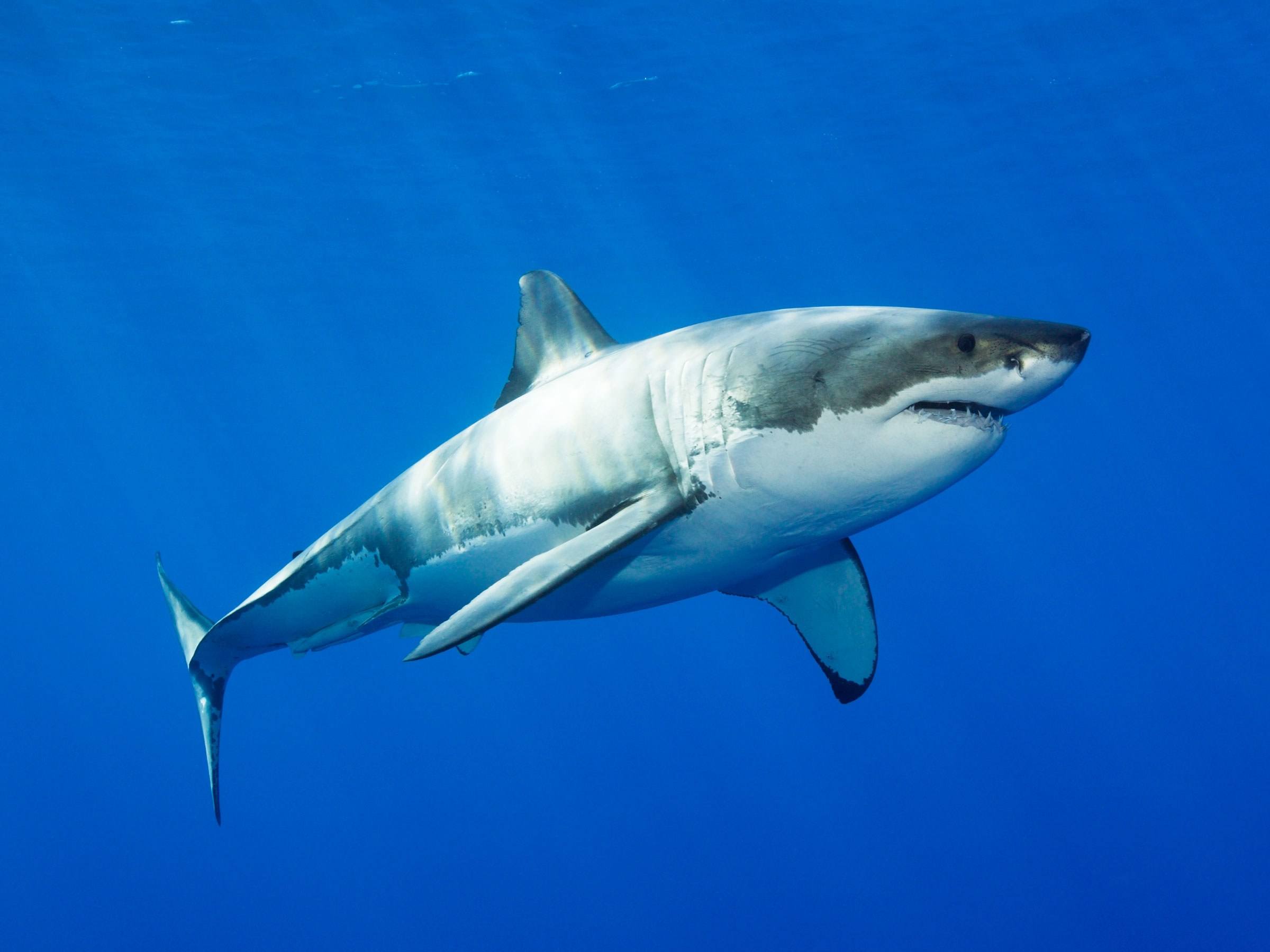
In what CLASS does this species belong?
Porifera
Chondrichtyes
Osteichtyes
Lateral Line
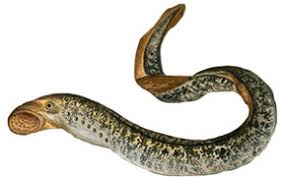
Which fish class would a lamprey be classified in?
Chondrichthyes-Cartilaginous
Agnatha - Jawless
Osteichthyes- Bony
Amphibia
How many chambers does a fish heart have?
1
2
3
4
There are ~ 30,000 species of this fish
bony fish(cartilaginous fish)
cartilaginous fish (chondrichthyes)

Which CLASS does this organism belong to?
Osteichthyes
Chondrichthyes
Chordata
Porifera
The bony plate that covers the gills of bony fish is called the:
Gill raker
Operculum
Ostracoderm
Epiglottis
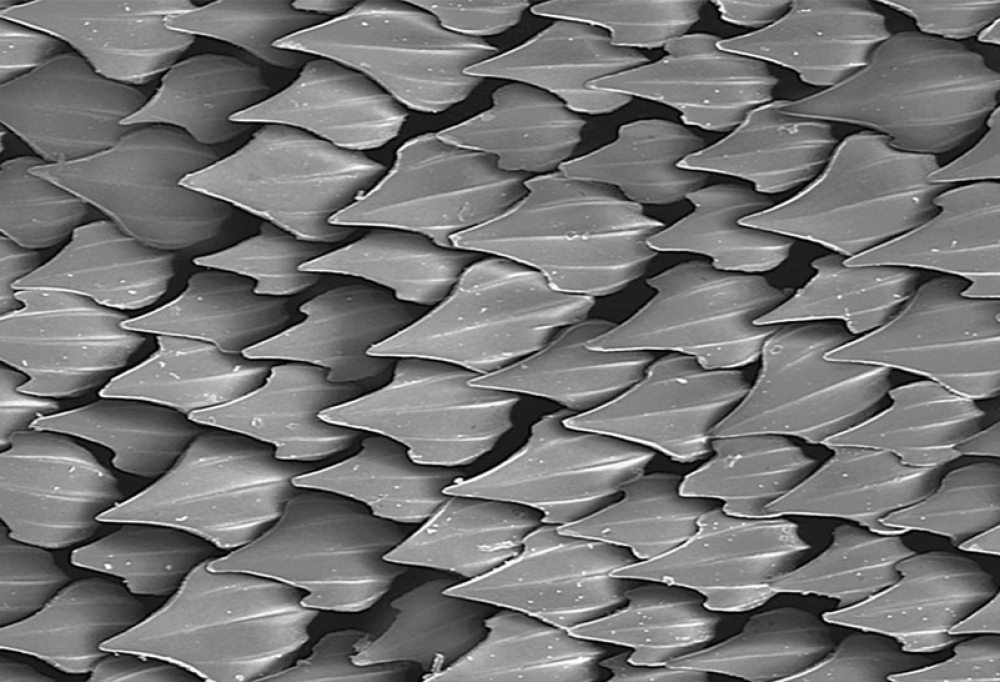
Which group of fish have placoid scales?
Agnatha
Chondricthyes
Osteichthyes
The fish class name "Chondrichthyes" means:
Jawless
Cartilage fish
Bony fish
Large fish

Which of the following fish would NOT belong to Class Chondrichthyes?
Shark
Trout
Skate
Ray

Which of the following fish would belong in Class Osteichthyes?
Ray
Hagfish
Bull shark
Largemouth bass

Which structure is found in Class Chondrichthyes (cartilaginous fish), but not in Class Osteichthyes (bony fish)?
Ampullae of Lorenzini
Lateral line
Caudal fin
How many gills can chondrichthyes have?
3-4
5-7
6-8
1-4

A system of sense organs found in aquatic vertebrates, used to detect movement, vibration, and pressure gradients in the surrounding water:
lateral line
paired fins
jawless fish
primitive notochord
Fish are part of Phylum _____, just like humans.
Chordata
Echinodermata
Arthropoda
Holothuridae
Openings on a sharks head that aid in breathing are _________.
blow holes
air holes
breathing slits
gills slits
Bony fish maintain neutral buoyancy in the water with their ______.
liver
swim bladder
pectoral fins
caudal fins
A Sea Horse is a _________.
bony fish
carilaginous fish
jawless fish
not a fish at all
Traits that make sharks and rays successful predators include
a light cartilage skeleton.
backward-pointing denticles and lateral lines.
ampullae of Lorenzini.
jaws and lateral lines
All of the above
Most sharks and rays fertilize their eggs
externally.
internally.
rarely.
asexually.
Pits near the snout that detect electrical current.
Ampullae of Lorenzini
Lateral Line
Countershading
Swim bladder
A line of sensory pores along the length of the body.
Ampullae of Lorenzini
Lateral Line
Countershading
Swim bladder
In most bony fish, eggs are fertilized?
externally.
internally.
on land.
asexually
Sharks have a swim bladder
True
False

To rise in the water, a bony fish fills its swim bladder with gas from
its gills.
its bloodstream.
the surrounding water.
its lungs.

The structure labeled #9 is called the
pectoral fin.
operculum.
pelvic fin.
jaw.

The structure labeled #5 is the
dorsal fin.
gill filament.
operculum.
lateral line.

Which of the following structures are found in both cartilaginous fish and bony fish? (select all that apply)
Fins for propulsion
Gills for respiration
Vertebrate backbones
Spiracles to move water across the gills
About how long ago did fish exist, based on fossil records?
~ 400 - 500 mya
~ 40 - 50 mya
~ 40,000-50,000 years ago
4 mya - 5 mya
4,000 to 5,000 years ago
Most cartilage fish are omnivores, and most bony fish are carnivores.
true
false
A "fish" can be defined as all vertebrates that are not __________.
tetrapods
mammals
chordates
animals
none of these
The spiral valve in the intestine of a shark serves to do what?
release strong acids to aid digestion
function as a liver in producing bile
trap food molecules in a mucus strand
slow passage of food and increase surface area for better absorption of food
push food through the digestive tract a ta faster rate

True or False.... A dolphin is a fish.
False
True
What Phylum are fish a part of?
Animalia
Agnatha
Chordata
Osteichthyes
The __________ fin assists the fish in going up or down through the water, turning sharply, and stopping quickly. (There are 2 answers here.)
caudal
dorsal
pelvic
anal
pectoral
Hagfish are parasitic.
True
False
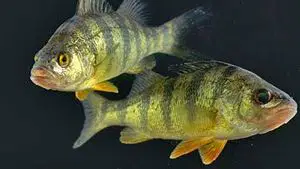
What type of caudal tail is this called on most bony fish?
heterocercal
homocercal
lobe
placoid
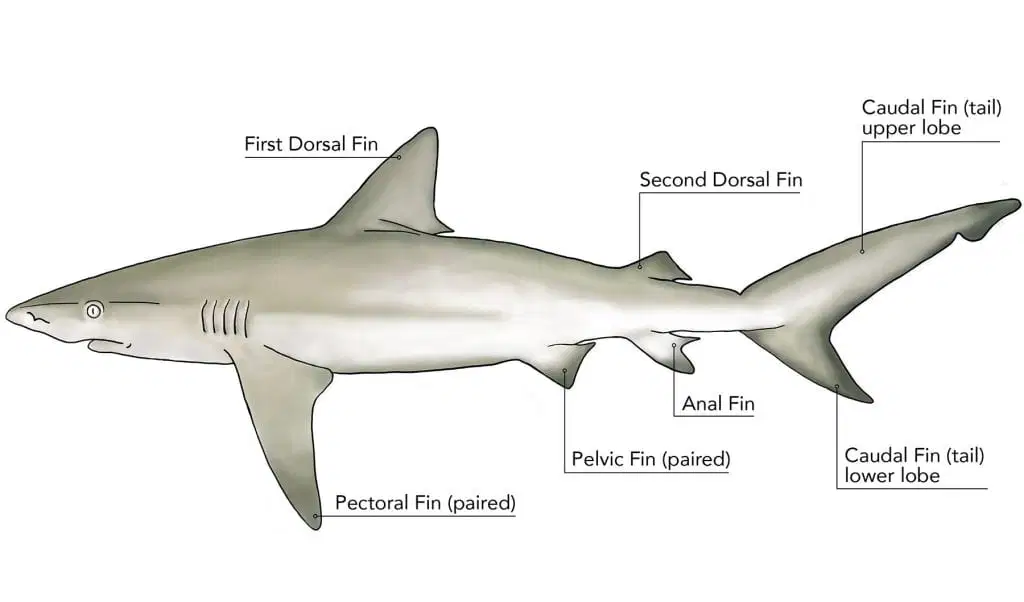
What type of caudal fin is this called on some fish such as sharks?
heterocercal
homocercal
lobe
ray
The rings located on each scale of many bony fish can help determine the ________ of the fish.
diet
age
sex
health
The majority of bony fish are which of the following?
ray-finned
lobe-finned
lungfish
What is the name of the only warm-blooded bony fish?
mola mola
dwarf pygmy goby
opah fish
sea horse
Which of the following is the largest bony fish? (a)
Term to describe a fish reproducing by live birth (a)

